

If you have been involved in a train accident in Fairmead, California, it is important to understand your legal rights and options. Train accidents can result in serious injuries or even fatalities, and navigating the legal process can be overwhelming. Our law firm is dedicated to helping victims seek the compensation they deserve by providing clear and reliable information about how to proceed with a claim.
The aftermath of a train accident often involves complex legal considerations that require careful attention. From determining liability to understanding applicable state laws, having access to thorough legal guidance is essential. This guide will walk you through the key aspects of train accident claims and what you can expect when working with a legal team committed to supporting your case.
Having a lawyer who is familiar with train accident cases can make a significant difference in the outcome of your claim. Legal representation helps ensure that your rights are protected, that all necessary evidence is gathered, and that you receive fair compensation for your injuries, medical expenses, lost wages, and other damages. Engaging a legal professional can also ease the stress of dealing with insurance companies and complex legal procedures.
The Weinberger Law Firm, located in Sacramento, California, has a long-standing dedication to serving clients in personal injury matters, including train accident cases. Our attorneys bring years of practical experience handling claims involving serious injuries, working tirelessly to secure just compensation for our clients. We understand the challenges faced by accident victims and strive to provide compassionate, personalized legal support every step of the way.
Train accident legal services focus on helping victims hold responsible parties accountable for injuries sustained due to negligence or other wrongful actions. These cases often involve complex investigations to establish fault, including examining the roles of train operators, maintenance companies, and government bodies. Legal counsel guides clients through this process, ensuring all relevant factors are considered.
Because train accidents can involve multiple parties and intricate regulations, specialized legal assistance is essential to navigate the claims process effectively. Lawyers work to gather evidence, consult with experts, and negotiate with insurance companies to pursue the best possible outcome for their clients. Understanding the scope and nature of these services can help victims make informed decisions about their legal options.
A train accident case arises when an individual is injured or harmed due to an incident involving a train, whether it be a collision, derailment, or other malfunction. These cases often involve claims against railroad companies or third parties responsible for maintaining safe operations. The legal process addresses issues such as negligence, liability, and damages resulting from the accident.
Key elements in train accident claims include proving negligence or fault, documenting injuries and damages, and complying with relevant laws and regulations. The process involves gathering evidence such as accident reports, witness statements, and expert analyses. Effective legal representation ensures that each step is carefully managed to strengthen the claim and maximize compensation.
Understanding terminology related to train accident claims can help clarify the legal process. Below are explanations of common terms you may encounter during your case.
Negligence refers to the failure to exercise reasonable care, resulting in harm to another person. In train accident cases, this could involve unsafe operation, inadequate maintenance, or failure to follow safety protocols.
Liability is the legal responsibility for the accident and resulting injuries. Determining liability is a central part of pursuing a train accident claim.
Damages are the monetary compensation sought for losses suffered due to the accident. This can include medical bills, lost income, pain and suffering, and other related expenses.
The statute of limitations is the time period within which a legal claim must be filed. In California, this period typically limits how long you have to bring a train accident lawsuit.
Victims of train accidents can consider different legal approaches depending on the complexity of their case. A limited approach might focus on specific aspects of the claim, while a comprehensive approach addresses all relevant issues thoroughly. Understanding the differences helps clients choose the best path forward.
A limited approach may be appropriate when fault is straightforward and damages are easily quantifiable. In such cases, streamlined legal action can expedite resolution and reduce legal costs.
If the insurance companies involved cooperate and offer fair settlements, a limited approach focusing on negotiation can effectively resolve the case without prolonged litigation.
Cases involving multiple defendants or complicated fault issues require extensive investigation and legal work to establish responsibility and protect client interests.
When injuries are serious and have lasting effects, comprehensive legal services ensure all damages are accounted for and that clients receive adequate compensation.
A comprehensive legal approach provides thorough case evaluation and aggressive advocacy, which can lead to higher compensation and better protection of your rights throughout the legal process. This approach also includes detailed negotiation and, if necessary, trial preparation to address all aspects of your case, ensuring that no important factors are overlooked.
By addressing every element of your claim, a comprehensive approach helps to secure compensation that fully reflects your losses, including future medical care and rehabilitation costs. Clients can focus on recovery while their legal team manages all case details, providing reassurance that their interests are being fully protected and advanced.
By addressing every element of your claim, a comprehensive approach helps to secure compensation that fully reflects your losses, including future medical care and rehabilitation costs.
Clients can focus on recovery while their legal team manages all case details, providing reassurance that their interests are being fully protected and advanced.

Keep detailed records of all medical treatments, expenses, and communications related to your accident. This documentation supports your claim and helps ensure accurate compensation for your losses.
Insurance companies may try to minimize claims. Consult a lawyer before providing recorded statements or agreeing to settlements to protect your rights.
Train accidents often result in complex legal challenges involving multiple parties and significant damages. Legal representation helps you navigate these complexities and advocate for your rightful compensation, which can be critical to your recovery and financial stability.
Having a dedicated legal team ensures that your case is handled efficiently and effectively, allowing you to focus on healing while your rights are protected and your interests advanced.
Train accident claims arise from a variety of incidents, including collisions at crossings, derailments, mechanical failures, and pedestrian or vehicle accidents involving trains. Each scenario demands a tailored legal approach to address unique factors and secure fair outcomes.
Many train accident cases involve collisions at railroad crossings where vehicles or pedestrians are struck by trains due to failure to observe signals or unsafe crossing conditions.
Derailments caused by track defects, equipment malfunctions, or maintenance issues can lead to serious injuries and require thorough legal investigation.
Accidents involving pedestrians or vehicles near train tracks often result from negligence or unsafe conditions, and victims may have legal claims against responsible parties.
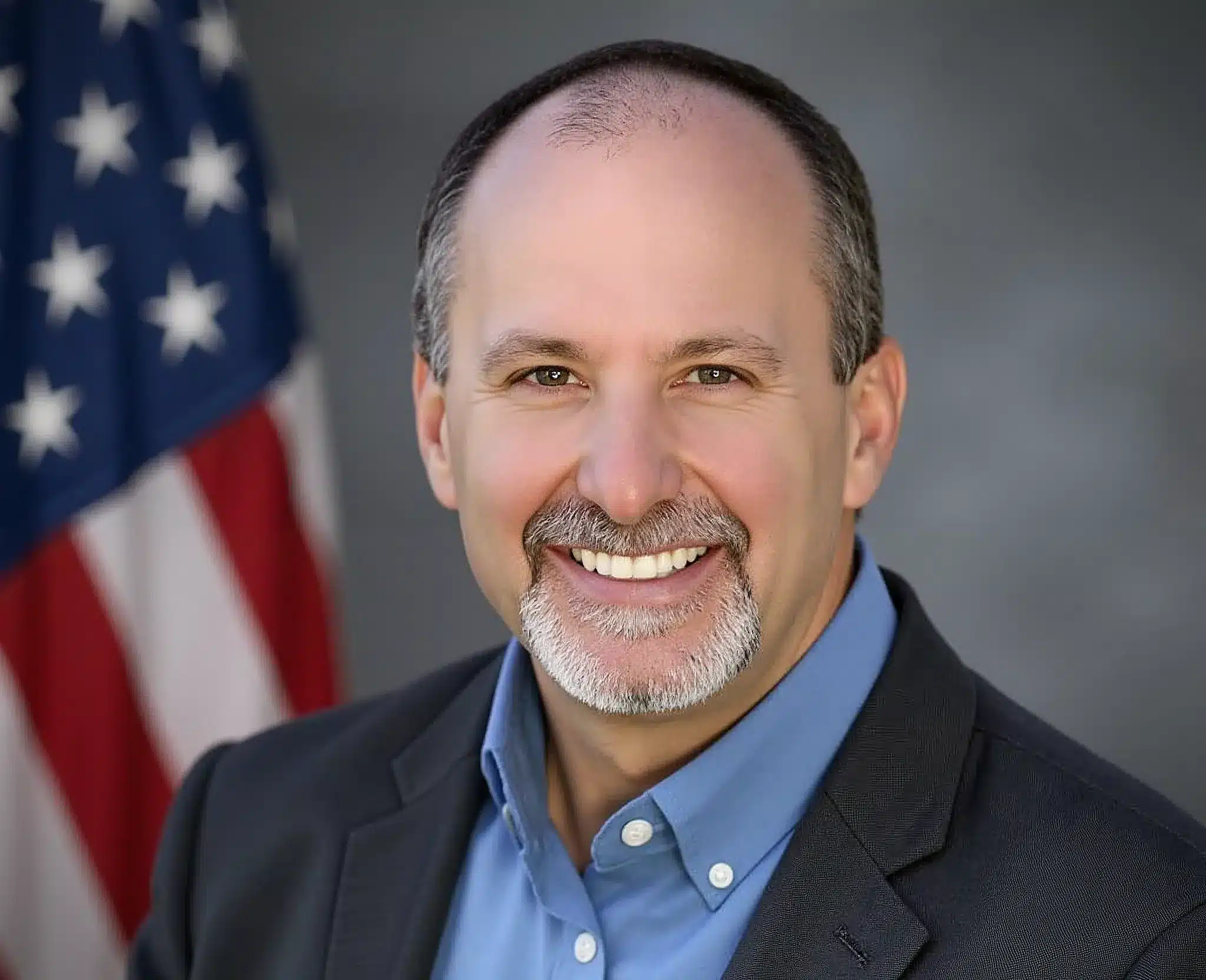
Our firm has extensive experience handling personal injury cases including train accidents, offering dedicated support tailored to each client’s unique circumstances.
We work diligently to investigate your case thoroughly and communicate clearly throughout the process, ensuring you understand your options and next steps.
Our goal is to secure the best possible outcome for your claim while providing compassionate guidance during a challenging time.
Our legal process is designed to provide clear guidance and strong advocacy. From initial case evaluation to settlement negotiation or trial, we prioritize your interests and keep you informed throughout each step.
We begin by reviewing the details of your accident, gathering evidence, and consulting with experts to understand the full scope of your claim.
This includes obtaining accident reports, medical records, witness statements, and any available video or photographic evidence.
We analyze all factors to determine who is legally responsible and the best approach to hold them accountable.
Our team engages with insurance companies and defendants to negotiate fair compensation, using evidence and legal arguments to support your claim.
We clearly communicate the impact of the accident on your life and the extent of your damages.
Each offer is carefully reviewed to ensure it adequately covers your current and future needs.
If negotiations do not result in fair compensation, we prepare to take your case to court, developing a strong trial strategy to advocate for your rights.
Legal documents are filed in the appropriate court to formally initiate your claim.
We present your case before a judge or jury, aiming to secure a favorable verdict on your behalf.
Immediately after a train accident, prioritize your health and safety by seeking medical attention even if injuries seem minor. Document the scene if possible, gather witness information, and report the accident to authorities. This initial information will be important for any legal claim. Contacting a lawyer early can also help protect your rights and guide you through the next steps.
In California, the statute of limitations for personal injury claims, including train accidents, is generally two years from the date of the accident. It is crucial to act promptly to ensure your claim is filed within this timeframe. Failing to do so could result in losing your right to seek compensation, so consulting with a lawyer as soon as possible is advisable.
Liability in train accident cases can rest with various parties including the railroad company, train operators, maintenance contractors, or other entities responsible for safety. Determining who is liable requires thorough investigation of the accident circumstances. Your legal team will work to identify all responsible parties to hold them accountable for your injuries.
Compensation in train accident claims may cover medical expenses, lost wages, pain and suffering, rehabilitation costs, and sometimes punitive damages. The exact types of compensation depend on the specifics of your case and the extent of your injuries. A lawyer can help assess the full scope of your damages to pursue appropriate compensation.
Many train accident claims are resolved through settlement negotiations without going to court. However, if a fair settlement cannot be reached, your case may proceed to litigation. Having legal representation ensures your case is prepared thoroughly whether it settles or goes to trial, protecting your interests throughout the process.
Proving negligence involves demonstrating that the responsible party failed to exercise reasonable care, leading to the accident and your injuries. Evidence such as accident reports, witness testimony, and expert analysis are used to establish negligence. Your lawyer will gather and present this evidence to support your claim effectively.
California follows a comparative fault system, which means you can still recover compensation even if you were partially at fault, though your settlement may be reduced by your percentage of fault. Legal counsel can help determine your degree of responsibility and maximize your recovery accordingly.
If the train company denies responsibility, it is important to have a legal team that can challenge their position by gathering strong evidence and pursuing all available legal avenues. Insurance companies and defendants may initially deny claims, but persistent legal advocacy can help overcome these obstacles.
The length of the legal process varies depending on case complexity, evidence, and whether settlement is reached. Some cases resolve in months, while others may take years if they proceed to trial. Your legal team will keep you informed about the progress and work diligently to resolve your case as efficiently as possible.
Many personal injury lawyers work on a contingency fee basis, meaning you pay nothing upfront and fees are only collected if you win your case. This arrangement allows individuals without upfront funds to access legal representation. Discuss fee arrangements with your lawyer early to understand your options.
Experienced attorneys fighting for maximum compensation
[gravityform id=”2″ title=”false” description=”false” ajax=”true”]