

If you have been injured due to unsafe conditions on someone else’s property in Ceres, California, understanding premises liability law is essential. Premises liability holds property owners responsible for maintaining safe environments and addressing hazards that could cause harm. This legal framework ensures that victims have recourse when negligence leads to injuries. Our firm is committed to helping you navigate these complex issues and secure the compensation you deserve for your losses.
Navigating a premises liability claim involves understanding the responsibilities of property owners and the rights of injured parties. Whether the injury occurred at a business, private residence, or public space, establishing liability requires careful investigation and legal knowledge. We guide clients through this process with clear communication and dedicated support to protect their interests and pursue fair outcomes.
Premises liability law is vital for maintaining safety standards in public and private spaces. It incentivizes property owners to address hazards proactively, reducing the risk of accidents. For injured individuals, this legal area provides a pathway to recover damages for medical expenses, lost wages, and pain and suffering. Engaging legal assistance ensures that your claim is properly evaluated and pursued with the attention it requires.
At Weinberger Law Firm, we focus on personal injury matters including premises liability claims in California. Our team understands the challenges faced by accident victims and strives to provide compassionate, thorough representation. We handle the complexities of case evaluation, negotiation, and litigation to help clients achieve favorable resolutions while alleviating the stress of legal proceedings.
Premises liability refers to the legal responsibility of property owners and occupiers to ensure their premises are free from dangerous conditions that could cause injury. In California, this encompasses a range of scenarios, from slips and falls to inadequate maintenance and security failures. Victims must demonstrate that the property owner knew or should have known about the hazard and failed to address it adequately.
Determining liability in these cases involves examining the nature of the property, the status of the injured party, and the circumstances leading to the accident. Whether the property is commercial or residential, the law imposes a duty of care that must be upheld. Understanding these elements is fundamental to pursuing a successful claim and obtaining compensation for injuries sustained.
Premises liability arises when an individual is harmed due to unsafe conditions on a property owned or controlled by another party. This area of law covers incidents such as slip and fall accidents, exposure to hazardous materials, and inadequate security leading to assaults. The legal basis rests on the obligation of property owners to maintain a reasonably safe environment and warn visitors of potential dangers.
To establish a premises liability claim, several components must be proven: the existence of a duty owed by the property owner, a breach of that duty through negligence, causation linking the breach to the injury, and resulting damages. Gathering evidence such as photographs, witness statements, and maintenance records is crucial in building a strong case and negotiating favorable settlements or court decisions.
Familiarity with key terminology helps clarify the legal process and principles involved in premises liability claims. Understanding these terms assists clients in making informed decisions and communicating effectively throughout their case.
Duty of care refers to the legal obligation property owners have to maintain safe conditions and protect visitors from foreseeable harm. This duty varies depending on the visitor’s status—such as invitee, licensee, or trespasser—and influences the standard of care required.
Negligence is the failure to exercise reasonable care to prevent harm to others. In premises liability cases, it involves actions or omissions by the property owner that create unsafe conditions leading to injury.
Causation establishes the direct link between the property owner’s breach of duty and the injuries suffered by the claimant. It must be shown that the unsafe condition was a substantial factor in causing the harm.
Damages refer to the monetary compensation awarded to an injured party for losses such as medical expenses, lost income, pain and suffering, and other related costs resulting from the injury.
In pursuing a premises liability case, injured parties may consider different legal strategies depending on the complexity and specifics of their situation. Options range from negotiated settlements to formal litigation. Each approach has advantages and considerations related to time, cost, and potential outcomes. Understanding these options helps clients choose the path best suited to their needs.
When injuries are minor and fault is straightforward, pursuing a limited approach such as direct negotiation with the insurance company can be effective. This method can resolve claims quickly without the need for extensive legal proceedings, saving time and resources.
Some clients prefer to avoid the stress and expense of court by seeking a prompt settlement. A limited legal approach focuses on reaching an agreement that adequately compensates the injured party while minimizing confrontation and delay.
In cases where liability is contested or multiple parties are involved, a comprehensive legal strategy ensures thorough investigation and representation. This approach addresses all aspects of the claim to maximize the chances of a favorable outcome.
For serious injuries involving substantial medical treatment and long-term impacts, comprehensive legal service is essential to secure full compensation. Detailed case preparation and advocacy are necessary to capture all damages and future needs.
A comprehensive approach provides dedicated support throughout every phase of the claim, from initial consultation to resolution. It helps ensure that all relevant evidence is collected and that legal rights are vigorously protected.
Moreover, this approach offers strategic negotiation and, if necessary, skilled litigation to achieve fair compensation. Clients benefit from clear guidance and advocacy tailored to their unique circumstances.
Comprehensive legal service involves meticulous gathering and analysis of evidence, enabling a strong presentation of the claim. This preparation is vital to counter defense tactics and demonstrate the full scope of damages.
With full representation, clients receive skilled negotiation aimed at securing the best possible settlement. If negotiations are unsuccessful, the legal team is prepared to advocate aggressively in court to protect client interests.
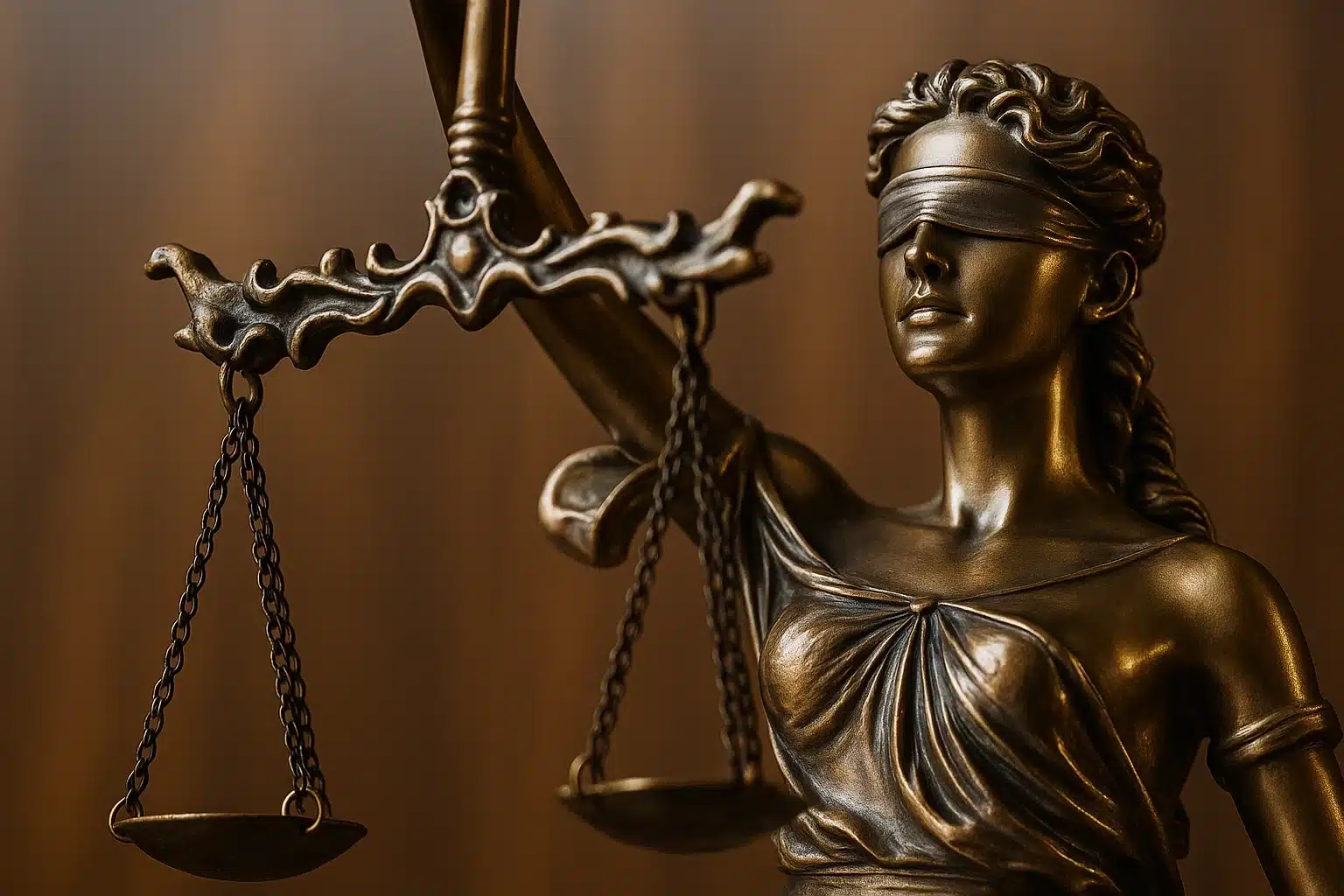
After an injury on a property, take photographs of the hazard and surroundings as soon as possible. This visual evidence can be critical in establishing liability and supporting your claim.
Engaging legal representation early helps preserve evidence, protect your rights, and guide you through the complexities of your claim for a better outcome.
Premises liability cases often involve intricate legal principles and complex evidence. Professional legal assistance ensures that your claim is properly investigated and presented, increasing your chances of receiving fair compensation for injuries and losses.
Additionally, legal support helps manage communications with insurance companies and opposing parties, reducing stress and protecting your interests throughout the process.
Premises liability claims often arise from incidents such as slip and fall accidents, inadequate property maintenance, poor security measures, or exposure to hazardous substances. These circumstances can occur in commercial establishments, residential properties, or public spaces.
Slippery floors, uneven surfaces, or obstructed walkways can cause falls resulting in serious injuries. Property owners have a responsibility to address these hazards timely to prevent accidents.
Structural defects, broken stairs, or faulty lighting create dangerous environments. Legal claims may arise when these conditions are neglected and cause harm.
Failure to provide proper security can lead to assaults or other criminal acts on premises, for which property owners may be held liable under certain circumstances.
Weinberger Law Firm offers dedicated attention to each client, ensuring personalized strategies that address the unique aspects of your case. Our knowledge of personal injury law in California helps us advocate effectively on your behalf.
Our firm is committed to clear communication and thorough case management, keeping you informed and involved throughout the legal process. We work diligently to achieve the best possible results for your claim.
With experience handling a wide range of personal injury matters, including premises liability, we understand the challenges you face and strive to provide strong, compassionate representation every step of the way.
We begin by carefully reviewing the details of your incident and gathering evidence to assess your claim. Our team then develops a strategic plan tailored to your situation, working toward fair compensation through negotiation or litigation as needed.
Our first step is to thoroughly evaluate your claim, including reviewing medical records, incident reports, and any available evidence to determine liability and damages.
We collect all relevant documentation, eyewitness accounts, and expert opinions necessary to build a strong foundation for your case.
We discuss your circumstances, answer questions, and explain the legal process to ensure you understand your options and the potential outcomes.
Our team engages with insurance providers to seek a fair settlement that fully compensates your losses while protecting your rights.
We present a well-documented claim supported by evidence to establish liability and the extent of damages.
Negotiations focus on reaching an agreement that meets your compensation needs without the need for prolonged litigation.
If a fair settlement cannot be reached, we prepare to advocate for you in court, developing a compelling case and representing your interests throughout the trial.
We initiate legal proceedings by filing the appropriate documents and managing all procedural requirements.
Our attorneys present your case effectively in court, working to secure a judgment that reflects the full extent of your damages.
Premises liability covers a wide range of injuries resulting from unsafe conditions on someone else’s property. Common injuries include slips and falls, fractures, head trauma, and other physical harm caused by hazards such as wet floors, broken stairs, or inadequate lighting. The law aims to protect visitors from harm caused by negligent property maintenance. If you sustain an injury due to such conditions, it is important to document the incident and seek legal advice promptly to understand your rights and options for compensation.
In California, the statute of limitations for premises liability claims is generally two years from the date of the injury. This means you must file your lawsuit within this period to preserve your legal rights. Acting promptly ensures that evidence remains available and witnesses’ memories are fresh. Delays in filing can result in losing the ability to seek compensation, so consulting a legal professional early is advisable to meet all deadlines and procedural requirements.
California follows a comparative negligence rule, which means you can still recover damages even if you are partially at fault for the accident. However, your compensation may be reduced by your percentage of fault. For example, if you are found 20% responsible, your award will be decreased accordingly. An experienced legal team can help assess the circumstances surrounding your case and advocate for the maximum recovery possible based on your level of responsibility.
Important evidence for premises liability cases includes photographs or videos of the hazard, incident reports, medical records, and witness statements. Maintenance logs and communications from the property owner can also be valuable. Thorough documentation strengthens your claim by providing concrete proof of unsafe conditions and the resulting injury. Gathering this evidence as soon as possible after the incident is critical, as some information may become unavailable over time. Legal counsel can assist in identifying and preserving essential evidence.
While it is possible to handle a premises liability claim without a lawyer, having professional legal representation significantly improves your chances of a favorable outcome. Attorneys understand the complexities of the law, negotiation tactics, and court procedures, which can be challenging for individuals unfamiliar with the legal system. A lawyer can help gather evidence, communicate with insurance companies, and advocate on your behalf, ensuring your rights are protected and that you receive fair compensation for your injuries.
Compensation in premises liability cases typically includes medical expenses, lost wages, pain and suffering, and other related costs. The amount awarded depends on factors such as the severity of the injury, impact on quality of life, and financial losses incurred. Calculating damages requires careful evaluation of all direct and indirect effects of the injury. Legal professionals work to quantify these losses accurately to support your claim for appropriate compensation.
Immediately after a premises injury, seek medical attention to address your health and create a record of your condition. Document the scene by taking photographs and gather contact information from any witnesses. Reporting the incident to the property owner or manager is also important. These steps preserve crucial evidence and establish a timeline that can support your claim. Prompt action improves your ability to obtain fair compensation and helps your legal team build a strong case.
Premises liability claims can include compensation for emotional distress if the injury and circumstances caused significant psychological impact. This may cover anxiety, depression, or trauma resulting from the incident. Proving emotional distress typically requires documentation from mental health professionals and a clear connection between the injury and the psychological effects. Legal guidance can help determine the viability of such damages in your case.
Property owners may use defenses such as claiming the injured party was trespassing, assumed the risk, or that the hazard was open and obvious. They might also argue that they took reasonable steps to maintain safety and were not negligent. Understanding these defenses is important in preparing your claim. A legal professional can help counter these arguments by presenting evidence and highlighting the property owner’s responsibilities.
The duration of premises liability cases varies depending on factors like case complexity, willingness of parties to settle, and court schedules. Some cases resolve within months through negotiation, while others may take a year or longer if litigation is necessary. Staying informed and working with experienced legal counsel can help streamline the process and avoid unnecessary delays, keeping your case moving toward resolution.
Experienced attorneys fighting for maximum compensation
[gravityform id=”2″ title=”false” description=”false” ajax=”true”]