

If you have been injured on someone else’s property in Vineyard, California, understanding premises liability law is essential. This area of law helps protect individuals who suffer harm due to unsafe or negligent conditions on private or public property. Our goal is to provide clear information about your rights and the legal options available to you after an accident related to premises liability.
Navigating the legal landscape after an injury can be overwhelming. This guide aims to explain the key aspects of premises liability, including common types of accidents, important legal terms, and the steps involved in pursuing a claim. Whether you were injured in a slip and fall, due to inadequate maintenance, or any other hazardous condition, knowing your rights can help you seek appropriate compensation.
Premises liability law serves to hold property owners accountable for maintaining safe environments. Being informed about this area of law empowers injured individuals to take action and seek fair compensation for injuries and damages. This legal framework also encourages property owners to maintain safe conditions, reducing the risk of accidents. Understanding your rights allows you to make informed decisions during a challenging time.
The Weinberger Law Firm, based in Sacramento, California, is dedicated to assisting clients with personal injury matters, including premises liability claims. Our team is committed to guiding individuals through the complexities of legal processes with compassion and attention to detail. We focus on achieving fair outcomes for injured clients while providing clear communication throughout the case.
Premises liability involves the legal responsibility of property owners to keep their premises reasonably safe for visitors. When a property owner fails to address hazards or warn visitors of known dangers, they may be held liable for injuries that occur. This area of law covers a wide range of accidents, including slips, falls, and injuries caused by unsafe conditions.
In California, premises liability claims require establishing that the property owner owed a duty of care, breached that duty, and caused the injury. Each case is unique, and factors such as the type of property, the status of the injured person, and the nature of the hazard all play a role in determining liability.
Premises liability refers to the legal responsibility of property owners or occupiers to maintain safe conditions and prevent harm to those lawfully on their property. This includes both private property and public spaces. When negligence or failure to act leads to injury, the injured party may seek compensation for medical expenses, lost wages, and pain and suffering under premises liability law.
To succeed in a premises liability claim, it is necessary to prove several elements: the existence of a duty of care by the property owner, a breach of that duty, a direct link between the breach and the injury, and actual damages resulting from the incident. The process typically involves gathering evidence, documenting injuries, and negotiating with insurance companies or pursuing litigation if needed.
Understanding key legal terms can help you navigate the premises liability process more effectively. Below are definitions of common terms you may encounter during your claim or case.
The obligation property owners have to maintain safe conditions and warn visitors of any known hazards that could cause injury.
Failure to act with reasonable care that results in harm to another person, such as not fixing a dangerous condition on a property.
An instance where the property owner fails to fulfill their duty of care, leading to unsafe conditions.
Compensation sought by the injured party for losses suffered due to the injury, including medical bills, lost income, and pain and suffering.
After sustaining an injury on someone else’s property, you have several potential legal paths to consider. These may range from informal negotiations with property owners or insurers to filing formal claims or lawsuits. Understanding the benefits and limitations of each option helps in choosing the best course of action based on your specific circumstances and desired outcomes.
In cases where injuries are minor and liability is clearly established, it may be possible to resolve the matter efficiently through direct negotiation or a demand letter without pursuing formal litigation. This approach can save time and legal expenses while still achieving fair compensation.
If the property owner or their insurance company is cooperative and responsive, a limited approach focused on settlement discussions may resolve the claim promptly. This method can reduce stress and help injured parties move forward more quickly.
When liability is disputed or the circumstances surrounding an injury are complex, a thorough legal strategy is necessary to gather evidence, build a strong case, and advocate effectively on your behalf. This approach ensures all aspects of your claim are addressed.
In cases involving significant injuries that result in ongoing medical treatment or substantial financial loss, a comprehensive legal approach helps secure the compensation needed to cover these long-term costs and protect your future well-being.
A comprehensive legal approach allows for a detailed investigation of the incident, ensuring all responsible parties are held accountable. This method aims to maximize compensation by considering all factors such as medical expenses, lost income, and emotional distress.
Additionally, pursuing a full claim can provide closure and peace of mind, knowing that your rights have been fully protected. It also encourages property owners to maintain safer environments, benefiting the community as a whole.
By evaluating all damages related to your injury, including current and future costs, a comprehensive claim seeks to obtain the highest possible compensation to support your recovery and financial stability.
Detailed investigation and evidence gathering strengthen your case, helping to address disputes and present a convincing argument for liability and damages during negotiations or trial if needed.

After an accident, take photos and notes about the location, conditions, and any hazards that contributed to your injury. This evidence can be critical in establishing liability.
Be cautious about sharing details of the accident on social media or with others, as statements can be used against you during settlement negotiations or legal proceedings.
If you have been injured due to unsafe conditions on someone else’s property, legal representation can help you understand your rights and navigate complex insurance and legal processes. A knowledgeable legal team can assist in evaluating your claim, gathering evidence, and negotiating for fair compensation.
Legal representation is particularly important when dealing with serious injuries, disputed liability, or complicated insurance claims. Having support during this time can reduce stress and improve your chances of a successful outcome.
Premises liability claims arise from various incidents such as slip and fall accidents, inadequate property maintenance, insufficient security leading to assaults, or injuries caused by hazardous conditions like broken stairs or wet floors. Each situation involves unique facts that influence the legal approach.
One of the most frequent premises liability cases involves individuals slipping or tripping due to wet floors, uneven surfaces, or debris left unattended on the property, resulting in injuries.
Incidents caused by structural defects, poor lighting, broken handrails, or other maintenance failures can lead to serious injuries and form the basis for a premises liability claim.
In some cases, property owners may be liable for injuries caused by criminal acts on their premises if they failed to provide reasonable security measures to protect visitors.
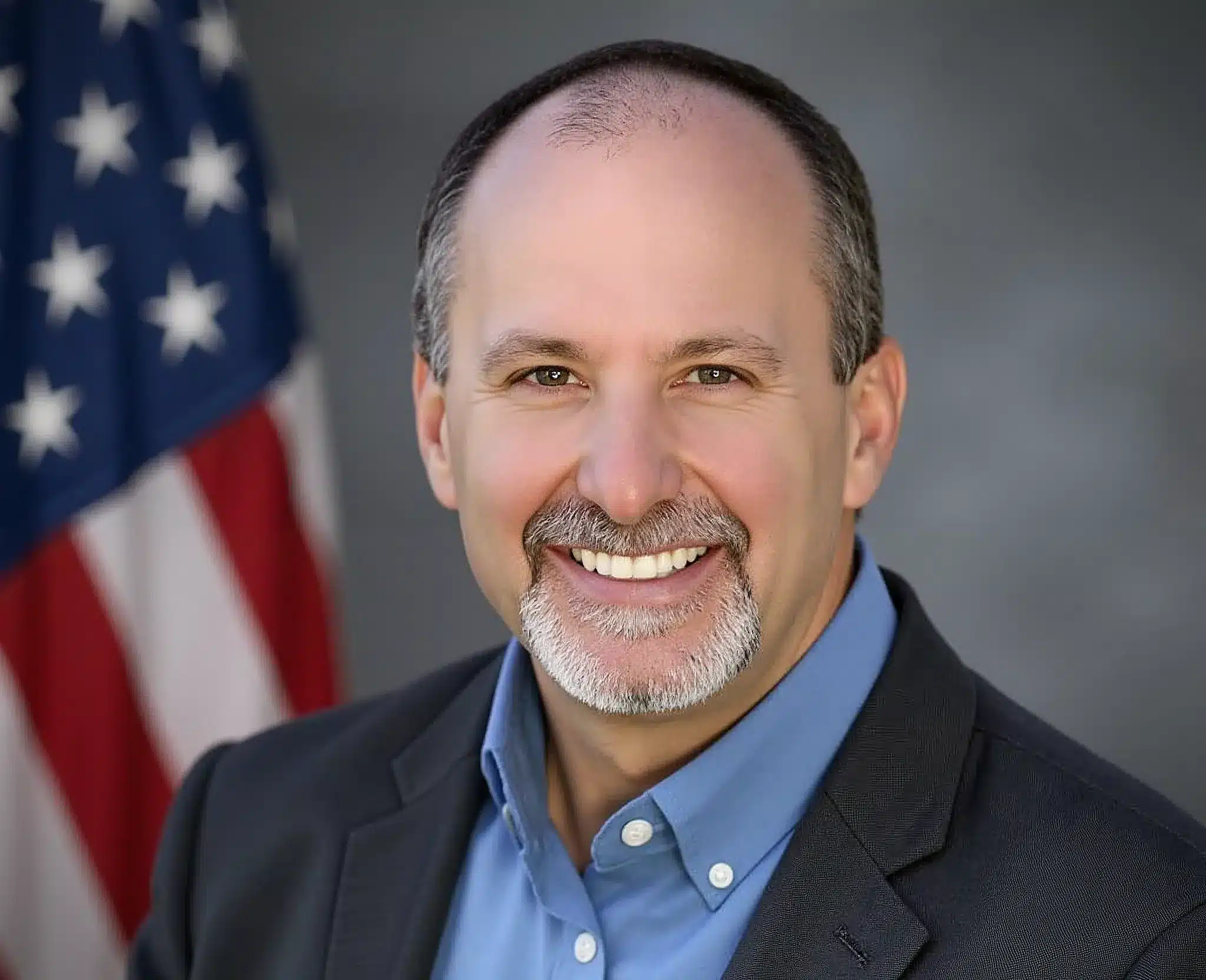
At The Weinberger Law Firm, we prioritize clear communication and personalized attention. We take the time to understand your specific circumstances and goals, ensuring your case is handled with care and professionalism.
Our team stays informed about changes in California premises liability law, allowing us to effectively navigate the legal system and advocate on your behalf throughout the entire process.
We offer a supportive approach, guiding you through each step from initial consultation to resolution, whether by settlement or trial. Our focus is on achieving a fair outcome that helps you move forward with confidence.
We follow a structured legal process to ensure thorough case preparation and effective representation. From gathering evidence and interviewing witnesses to negotiating with insurers, our firm is dedicated to protecting your rights every step of the way.
The first step involves reviewing the details of your accident and injuries, collecting relevant documentation, and identifying responsible parties. This helps us assess the strength of your claim and plan the next steps.
We collect photographs, medical records, incident reports, and statements to build a comprehensive picture of how the injury occurred and who may be liable.
During this stage, we listen to your account, answer questions, and explain the legal options available based on your unique situation.
After the initial investigation, we prepare a detailed claim to present to the responsible party’s insurance company and begin negotiations aimed at reaching a fair settlement.
A formal demand letter outlines the facts of the case, the extent of injuries, and the compensation sought, serving as the basis for settlement discussions.
We communicate with insurance representatives to advocate for your interests and work toward a compensation agreement that reflects your damages.
If a fair settlement cannot be reached, we are prepared to take your case to court to pursue the compensation you deserve through litigation.
We initiate formal legal proceedings and represent you throughout the trial process, presenting evidence and arguments to support your claim.
During trial, we advocate vigorously for your rights, aiming to secure a favorable verdict or encourage settlement even at this stage.
Premises liability covers a range of injuries that occur due to unsafe conditions on property, including slips, trips, falls, and injuries caused by defective structures or inadequate security. Common injuries include fractures, sprains, head injuries, and other trauma resulting from accidents on premises. Each case depends on the specific circumstances and evidence available. It is important to document your injuries and seek medical care immediately to support your claim.
In California, the statute of limitations for filing a premises liability claim is generally two years from the date of the injury. This means you must file a lawsuit within this timeframe to preserve your legal rights. However, certain exceptions may apply depending on the situation. It is advisable to consult with a legal professional promptly to ensure your claim is filed on time and properly prepared.
After a premises injury, your immediate priority should be to seek medical attention to address any injuries and create a record of the harm suffered. Additionally, document the scene by taking photographs and collecting witness information if possible. Avoid discussing the incident in detail with the property owner or their insurance company without legal guidance. Early documentation and medical treatment are crucial for supporting your claim.
California follows a comparative negligence rule, which means you can still recover damages even if you were partially at fault for the accident. However, your compensation may be reduced proportionally to your percentage of fault. It is important to provide clear evidence and work with legal counsel to accurately assess fault and maximize your recovery based on your specific circumstances.
Damages in a premises liability case can include medical expenses, lost wages, pain and suffering, emotional distress, and costs related to ongoing care or disability. In some cases, punitive damages may also be available if the property owner’s conduct was particularly reckless. Proper documentation of your losses and injuries is essential to pursue full compensation.
Liability in slip and fall cases is determined by evaluating whether the property owner owed a duty of care, breached that duty by failing to maintain safe conditions, and caused the injury. Evidence such as photographs, maintenance records, and witness statements help establish these elements. Each case is unique, and liability depends on the specific facts and circumstances surrounding the incident.
Many premises liability cases are resolved through settlement negotiations to avoid the time and expense of trial. However, if a fair agreement cannot be reached, the case may proceed to court. Your legal team will advise on the best approach based on the strength of your case and negotiate or litigate accordingly to protect your interests.
If the property owner lacks insurance, recovering damages can be more challenging but not impossible. Alternatives may include pursuing the owner’s personal assets or other responsible parties. Legal counsel can help explore all available options to seek compensation despite the absence of insurance coverage.
The length of time to resolve a premises liability claim varies depending on case complexity, the willingness of parties to negotiate, and whether litigation is necessary. Some cases settle within months, while others may take longer if disputes arise. Regular communication with your legal team helps you understand the expected timeline based on your specific case.
Our firm operates on a contingency fee basis, which means you do not pay upfront legal fees. Instead, fees are collected only if we successfully recover compensation on your behalf. This approach allows you to access legal representation without financial risk, ensuring our interests are aligned with achieving a positive outcome for you.
Experienced attorneys fighting for maximum compensation
[gravityform id=”2″ title=”false” description=”false” ajax=”true”]