

Premises liability law involves the responsibility property owners have to maintain a safe environment for visitors. If you or a loved one has been injured due to unsafe conditions on someone else’s property, understanding your rights and legal options is essential. Our firm focuses on helping clients in West Puente Valley navigate these complex situations with care and dedication.
Injuries resulting from hazardous premises can have significant physical, emotional, and financial impacts. This guide aims to clarify the basics of premises liability, including what types of incidents are covered, how claims are evaluated, and what steps to take after an injury. Being informed can empower you to make confident decisions throughout the legal process.
Premises liability law ensures property owners are held accountable for maintaining safe conditions. This legal framework helps protect individuals from harm caused by negligence, such as slips, falls, or dangerous property defects. By pursuing a claim, injured parties can seek compensation for medical bills, lost wages, and other damages, providing critical support during recovery.
The Weinberger Law Firm is dedicated to assisting clients with premises liability cases throughout California, including West Puente Valley. Our approach centers on thorough case evaluation and personalized attention. We strive to guide each client through the complexities of the legal system to achieve the best possible outcomes in their claims.
Premises liability law holds property owners responsible when injuries occur due to unsafe conditions on their premises. This includes a wide range of scenarios such as slips and falls, inadequate maintenance, or failure to warn visitors about potential hazards. Knowing the legal standards helps injured parties determine if they have a valid claim and what evidence is necessary to support it.
Property owners must exercise reasonable care to prevent accidents, but what constitutes reasonable care can vary depending on the circumstances. Factors include the nature of the property, visitor status, and the foreseeability of harm. Understanding these nuances is key to evaluating liability and pursuing compensation effectively.
Premises liability refers to the legal responsibility that property owners or occupiers have for injuries that occur on their property due to unsafe conditions. This area of law covers both residential and commercial properties and applies to various incidents, including falls, inadequate security, and hazardous structural defects. Establishing liability involves proving negligence or failure to uphold safety standards.
Successful premises liability claims require demonstrating that the property owner breached their duty of care, resulting in injury. This process often involves gathering evidence such as photographs, witness statements, and maintenance records. Legal procedures include filing claims within specified timeframes and negotiating settlements or pursuing litigation when necessary.
Understanding common terminology used in premises liability cases can help clarify the legal process. Below are definitions of key terms frequently encountered in these matters to assist you in navigating your claim more confidently.
Duty of care is the legal obligation property owners have to maintain a safe environment and prevent foreseeable harm to visitors. The extent of this duty depends on the visitor’s status, such as invitee, licensee, or trespasser.
Negligence occurs when a property owner fails to exercise reasonable care in maintaining their premises, leading to injury or damages. It is a critical element to prove in premises liability claims.
Premises liability is the area of law that holds property owners accountable for accidents and injuries caused by unsafe conditions on their property.
Comparative fault refers to the legal principle where the injured party’s own negligence may reduce the amount of compensation they can receive, based on their percentage of fault in the incident.
When considering a premises liability claim, it is important to understand the different legal approaches available. Options range from limited negotiations with property owners or insurers to comprehensive legal action involving litigation. Each path has advantages and considerations depending on the case details.
In cases where injuries are relatively minor and fault is undisputed, initiating a straightforward claim or settlement discussion may be sufficient to resolve the matter without extensive legal involvement. This approach can expedite compensation and reduce costs.
If the property owner or their insurer demonstrates a willingness to resolve the claim fairly and promptly, pursuing a limited approach focused on negotiation can be effective. This avoids prolonged legal battles and can lead to timely resolutions.
For cases involving significant injuries or disputed liability, a comprehensive legal strategy is essential. This includes gathering extensive evidence, expert consultations, and preparing for possible court proceedings to protect your rights fully.
When multiple parties or complicated liability factors are involved, comprehensive legal representation ensures thorough analysis and robust advocacy. This approach aims to maximize compensation and address all aspects of the claim effectively.
Taking a detailed and methodical approach to a premises liability claim can provide several advantages. It allows for careful evaluation of all evidence, consideration of potential damages, and preparation for negotiations or court proceedings, increasing the likelihood of a favorable outcome.
Additionally, a comprehensive strategy helps ensure that all legal deadlines are met and that the client’s interests are fully represented throughout the process. This thoroughness can alleviate stress and provide clarity during challenging times.
A detailed legal approach enables identification and documentation of all damages, including medical expenses, lost income, and pain and suffering. This thoroughness helps secure the maximum possible compensation for the injured party.
Comprehensive preparation equips attorneys to effectively negotiate with insurers or present persuasive arguments in court, protecting your rights and interests at every stage of the claim.

After an accident, take photos and videos of the injury site, any hazards, and your injuries if possible. This evidence can be crucial in supporting your claim and establishing the conditions that caused the accident.
Maintain detailed records of medical bills, lost wages, transportation costs, and any other expenses related to your injury. This information supports your claim for compensation and helps ensure you are fully reimbursed.
Navigating a premises liability claim can be complex and overwhelming, especially when dealing with injuries and recovery. Legal assistance helps clarify your rights, guides you through necessary procedures, and advocates on your behalf to secure fair compensation.
By working with knowledgeable attorneys, you can avoid common pitfalls, meet important deadlines, and focus on healing while your legal matters are handled professionally and efficiently.
Premises liability claims often arise from incidents such as slip and fall accidents, dog bites, inadequate security leading to assaults, and injuries caused by faulty maintenance or dangerous conditions on commercial or residential properties.
Slip and fall incidents are among the most frequent premises liability cases. They can occur due to wet floors, uneven surfaces, poor lighting, or cluttered walkways, resulting in injuries ranging from minor bruises to severe fractures.
When property owners fail to provide reasonable security measures, visitors may be vulnerable to assaults or criminal acts. Such cases can form the basis of premises liability claims if negligence is established.
Unsafe conditions like broken stairs, exposed wiring, or structural defects pose significant risks. Property owners have a responsibility to address these hazards to prevent injuries.
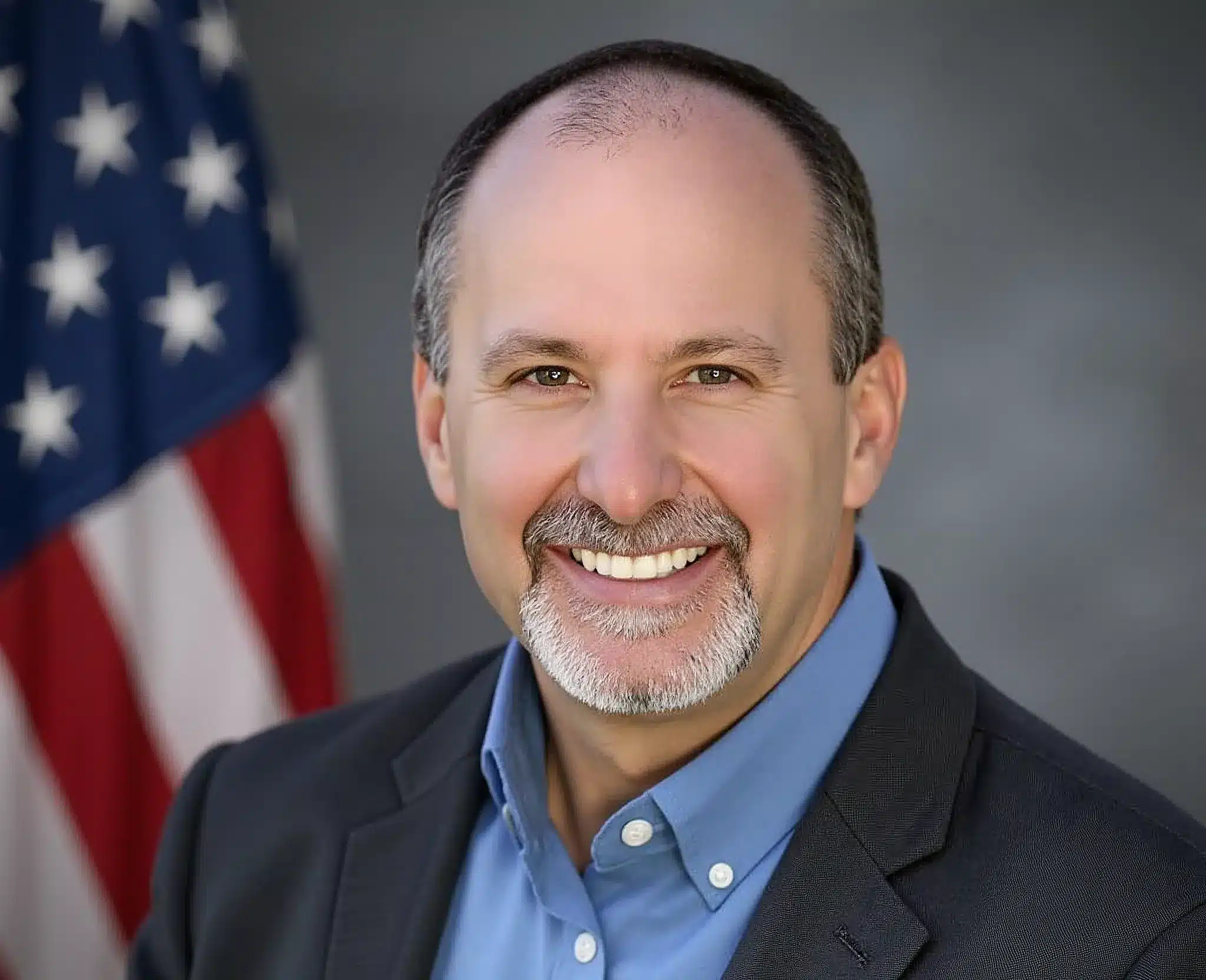
Our firm understands the complexities of premises liability law and the challenges injury victims face. We offer personalized service tailored to each client’s unique situation.
We work diligently to gather evidence, communicate clearly, and advocate strongly for fair settlements or verdicts on your behalf.
By choosing us, you gain a committed legal partner focused on protecting your rights and helping you move forward.
From the initial case evaluation through negotiation or trial, our firm emphasizes thorough preparation, clear communication, and strategic advocacy to achieve the best possible results for our clients.
We begin by carefully reviewing the facts of your case and collecting all necessary documentation and witness information to build a strong foundation.
During your first meeting, we discuss the details of your incident, answer your questions, and explain your legal options clearly.
We assist in obtaining medical records, photographs, and other relevant evidence to support your claim.
Once the case is prepared, we file the claim with the appropriate parties and begin negotiations aimed at securing a fair settlement.
We ensure all legal documents are completed accurately and submitted within required deadlines.
Our attorneys engage with insurers and opposing counsel to negotiate compensation that reflects the full extent of your damages.
If a fair agreement cannot be reached, we are prepared to take your case to court to advocate vigorously for your rights.
We thoroughly prepare witnesses, evidence, and legal arguments to present a compelling case before the judge or jury.
Our firm represents you throughout trial, aiming to secure a verdict that fairly compensates your injuries and losses.
Premises liability covers a wide range of injuries that occur due to unsafe conditions on a property. Common injuries include slips and falls, trip hazards, inadequate security incidents, and injuries caused by dangerous structural defects. These injuries can vary in severity from minor bruises to serious fractures or head trauma. Understanding the scope of covered injuries helps in evaluating whether a premises liability claim is appropriate. If you have been hurt because of a hazardous condition that the property owner failed to address, you may have grounds for a claim.
To prove negligence in a premises liability case, you must show that the property owner owed you a duty of care, breached that duty by failing to maintain safe conditions, and that this breach directly caused your injury. Evidence such as photographs of the hazard, witness statements, and maintenance records can support your claim. It is also important to establish that the property owner knew or should have known about the dangerous condition but failed to take appropriate action. Meeting these legal criteria is essential to holding the property owner accountable.
In a premises liability claim, you can seek compensation for various damages related to your injury. These typically include medical expenses, lost wages due to time off work, pain and suffering, and sometimes compensation for long-term disability or emotional distress. The goal is to cover the full impact of the accident on your life. An experienced legal team can help identify all applicable damages and advocate for fair compensation during negotiations or litigation.
In California, the statute of limitations for filing a premises liability lawsuit is generally two years from the date of the injury. This means you must initiate legal action within this timeframe to preserve your rights. Missing this deadline can result in your claim being barred by the court. It is important to act promptly and consult with a legal professional soon after an injury to ensure all procedural requirements are met and deadlines are adhered to.
California follows a comparative fault system, which means you can still recover compensation even if you were partially at fault for the accident. However, your recovery may be reduced by the percentage of your own fault. For instance, if you are found 30% responsible, your compensation will be reduced by that amount. It is important to provide accurate information about the circumstances of the accident so that liability is fairly assessed and your claim is properly evaluated.
Immediately after an injury on someone else’s property, it is crucial to seek medical attention to document your injuries and receive necessary care. Additionally, you should report the incident to the property owner or manager and request that they record the event. Gathering evidence such as photos of the hazard and obtaining contact information of witnesses can also be helpful. Prompt action helps preserve important details that support your legal claim and ensures your health is prioritized.
While it is possible to handle some premises liability claims independently, hiring an attorney can significantly improve your chances of a successful outcome. Legal professionals understand the complexities of premises liability law, including negotiation strategies and litigation processes. They can help gather evidence, communicate with insurance companies, and advocate for fair compensation, reducing the stress and uncertainty often associated with injury claims.
If a property owner denies responsibility for your injury, it is important not to be discouraged. Many claims involve initial disputes over liability. An attorney can help investigate the circumstances, gather supporting evidence, and negotiate on your behalf. If necessary, your case can be taken to court where a judge or jury will determine fault. Professional legal support is critical in navigating these challenges and ensuring your rights are protected.
The duration of a premises liability case varies depending on factors such as the complexity of the claim, the severity of injuries, and whether the case settles or goes to trial. Some cases resolve in a matter of months through negotiation, while others may take longer if litigation is required. Staying informed and maintaining communication with your legal team can help manage expectations and keep you updated on progress throughout the process.
Injuries sustained on public property may involve different legal rules and procedures compared to private property claims. Government entities often have specific notice requirements and limited liability protections. Consulting with an attorney knowledgeable in premises liability and governmental claims is important to understand your rights and the steps necessary to pursue compensation in these cases.
Experienced attorneys fighting for maximum compensation
[gravityform id=”2″ title=”false” description=”false” ajax=”true”]