

If you have been involved in a rideshare accident in Dana Point, understanding your legal options is essential. These incidents often involve complex liability issues including drivers, rideshare companies, and sometimes third parties. Having clear information about your rights and the legal process can help you make informed decisions and pursue fair compensation for injuries or damages sustained.
Navigating a rideshare accident claim involves careful consideration of many factors such as insurance policies, fault determination, and potential claims for medical expenses, lost wages, and pain and suffering. This guide aims to provide an overview of what to expect and how legal support can assist you through each step of the process in Dana Point, California.
Engaging legal help after a rideshare accident can significantly impact the outcome of your claim. Legal representation helps ensure that your rights are protected and that you receive appropriate compensation. Attorneys familiar with rideshare cases understand the nuances of related laws and insurance procedures, providing guidance that can reduce stress and improve the chances of a successful resolution.
The Weinberger Law Firm is dedicated to assisting individuals affected by personal injury throughout California, including Dana Point. Our team works diligently to investigate accidents thoroughly, communicate clearly with clients, and advocate aggressively on their behalf. We focus on personalized service tailored to the unique circumstances of each rideshare accident case.
Rideshare accident legal service involves assessing liability, negotiating with insurance companies, and, if necessary, pursuing litigation. This practice area requires knowledge of both traditional traffic accident law and the specific regulations governing rideshare companies. Effective representation ensures that all responsible parties are held accountable and that victims receive compensation for medical bills, property damage, and other losses.
The process often begins with a detailed review of the accident circumstances and evidence collection. From there, your legal team will advise on the best course of action, whether that means settlement discussions or court proceedings. Throughout, clear communication and strategic planning are key to achieving a favorable outcome for the injured client.
Rideshare accident legal services focus on representing individuals injured while using services like Uber or Lyft. These services address claims related to personal injury, property damage, and liability involving drivers, passengers, and companies. The legal process navigates the complexities of rideshare policies, insurance coverage, and applicable state laws to secure just compensation.
Important elements include establishing fault, gathering evidence such as police reports and witness statements, and negotiating with insurance providers. The claims process may involve filing demands, mediation, or litigation if needed. Timely action and thorough documentation are critical throughout to support your case and meet legal deadlines.
Familiarity with key legal terms can help you better understand your case. This glossary provides definitions of common terms you may encounter during the claims process, enhancing your ability to communicate effectively with your legal team.
Liability refers to the legal responsibility for causing an accident or injury. Determining liability is crucial in rideshare cases to identify who may be financially responsible for damages.
Insurance coverage involves the policies that may apply to a rideshare accident, including the driver’s personal insurance, the rideshare company’s coverage, and any additional policies that provide protection.
A claim is a formal request for compensation submitted to an insurance company following an accident. It outlines the damages and injuries for which the claimant seeks reimbursement.
A settlement is an agreement reached between parties to resolve a claim without going to trial. It typically involves a negotiated payment to the injured party.
Different legal strategies may be pursued depending on the accident’s specifics and the desired outcome. Some cases are resolved through direct negotiation or mediation, while others require comprehensive litigation. Understanding the benefits and limitations of each approach helps clients choose the best path forward.
If injuries are minor and fault is straightforward, a limited legal approach focusing on settlement negotiations may efficiently resolve the claim without extensive litigation or prolonged processes.
Clients seeking a swift resolution to avoid prolonged stress might opt for limited legal involvement to facilitate faster settlements, especially when damages are quantifiable and uncontested.
Cases involving serious injuries with lasting effects often require thorough investigation and detailed legal strategies to secure adequate compensation for ongoing medical care and other future damages.
When liability is contested or insurance companies deny claims, comprehensive legal service is vital to navigate complex disputes and assert your rights effectively through negotiation or court action.
A comprehensive approach ensures all aspects of your case are addressed, from evidence gathering and legal analysis to negotiation and trial preparation. This thoroughness can maximize compensation and provide peace of mind throughout the process.
Additionally, having full legal support helps manage complex insurance policies and legal procedures, reducing the burden on you while improving the likelihood of a favorable resolution.
Thorough case evaluation and negotiation strategies can uncover all potential sources of compensation, including damages often overlooked in simpler claims, ensuring you receive fair financial recovery.
Comprehensive legal service provides consistent communication and support, helping you understand each step and feel confident in the management of your case from start to finish.

Immediately after the accident, collect as much information as possible including photos, contact details, and witness statements. Proper documentation supports your claim and helps your legal team build a strong case.
Do not accept any settlement offers before consulting with a legal representative to ensure you fully understand the value of your claim and your rights.
Rideshare accidents can result in injuries and damages with complex liability issues involving multiple parties. Legal support helps navigate these complexities, ensuring your interests are protected and that you receive appropriate compensation.
Additionally, a knowledgeable legal team can manage communications with insurance companies and other involved parties, reducing your stress and improving the likelihood of a fair outcome.
Many rideshare accident cases involve scenarios such as serious personal injury, disputed fault, insurance claim denials, or multi-vehicle crashes. In these situations, legal guidance is critical to protect your rights and recover damages.
If you have sustained injuries that require medical attention, legal representation can help ensure that your medical expenses and related losses are compensated accurately and fully.
When insurance companies delay or deny your claim, having legal support is important to challenge these decisions and assert your entitlement to compensation.
Accidents involving multiple vehicles or unclear liability can be legally complex. Professional legal assistance helps unravel these complexities and identify responsible parties.
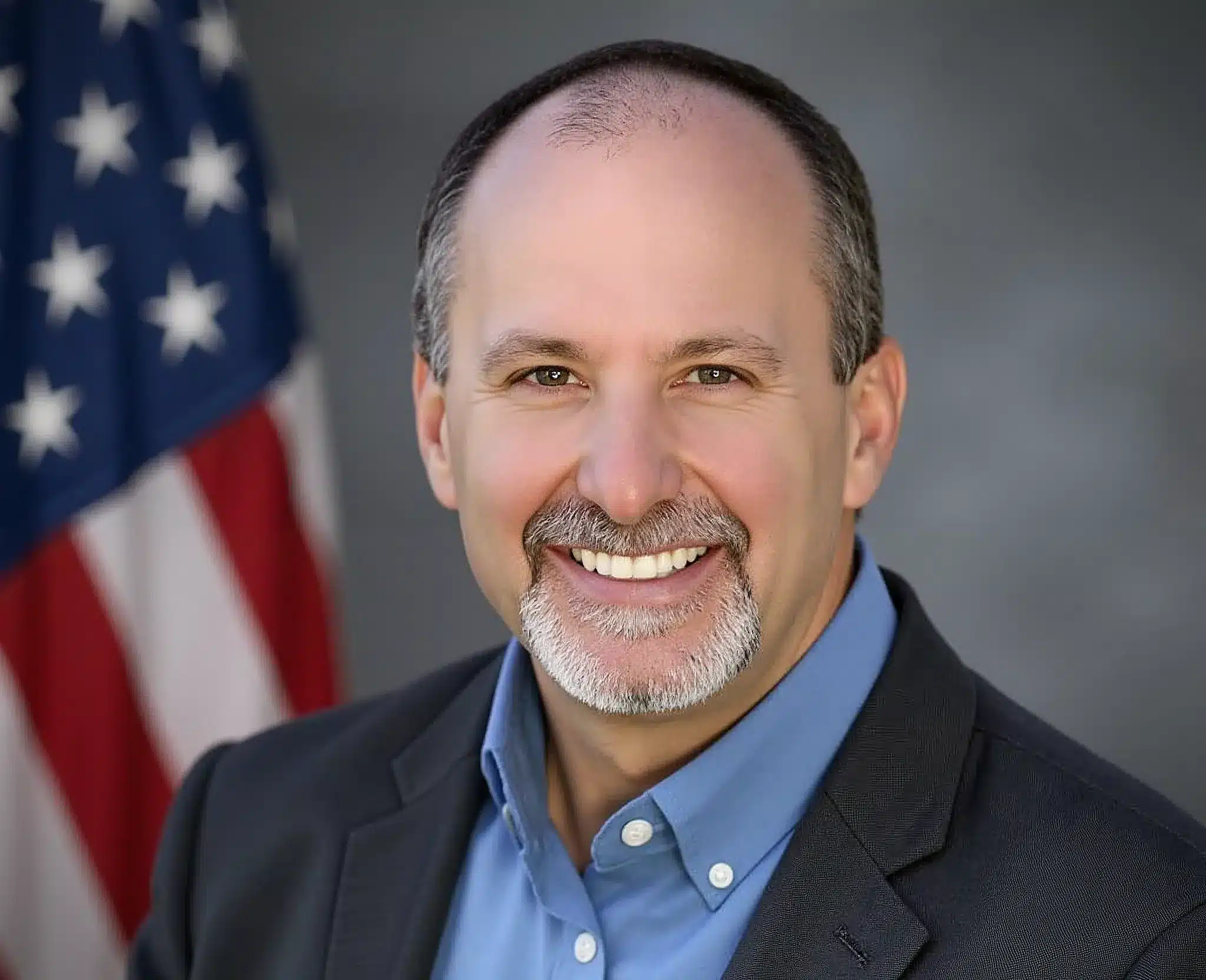
Our firm has extensive experience handling personal injury cases across California. We focus on personalized attention and aggressive representation to protect your rights and help you achieve the best possible outcome.
We prioritize clear communication and responsiveness, ensuring you stay informed and supported throughout your case. Our team is dedicated to fighting for your interests with integrity and professionalism.
By choosing us, you benefit from a legal team that understands local laws and insurance practices, providing you with a strong advocate in your pursuit of justice.
We follow a structured approach to handle rideshare accident claims efficiently. From initial case evaluation to settlement or trial, we keep you informed and involved to ensure your case receives the attention it deserves.
We begin by reviewing the details of your accident, gathering evidence, and assessing the strength of your claim to develop a tailored legal strategy.
During this meeting, we listen to your account of the accident and discuss possible legal options based on your situation.
Our team collects relevant documents such as police reports, medical records, and witness statements to build a strong foundation for your claim.
We engage with insurance companies and opposing parties to negotiate a fair settlement that adequately compensates you for your injuries and losses.
A detailed demand letter outlining your damages and legal position is prepared and submitted to the responsible parties.
We negotiate assertively on your behalf to reach an agreement that meets your needs without the need for prolonged litigation when possible.
If a fair settlement cannot be reached, we prepare to take your case to court, ensuring all evidence and arguments are ready for trial.
We file the necessary legal documents to initiate litigation and represent your interests throughout the process.
Our team prepares all trial materials and advocates vigorously on your behalf to secure a just verdict.
Immediately after a rideshare accident, ensure your safety and seek medical attention if needed. Document the accident details including photos and witness information. Reporting the accident to the rideshare company and local authorities is also important to create an official record. Taking these steps promptly helps preserve evidence and supports your claim process.
Liability in rideshare accidents can involve the driver, the rideshare company, or even third parties depending on the circumstances. Determining fault requires examining the accident details, driver status, and insurance coverage. Legal assistance helps clarify these factors and identify responsible parties to hold accountable for damages.
In California, the statute of limitations for personal injury claims is generally two years from the date of the accident. It is important to act promptly and consult legal counsel early to ensure your claim is filed within this timeframe and to avoid losing your right to compensation.
Yes, compensation for lost wages can be claimed if your injuries prevent you from working. This includes current and future income loss related to your accident. Proper documentation from employers and medical providers strengthens these claims and helps secure fair reimbursement.
Damages typically include medical expenses, property damage, lost wages, pain and suffering, and sometimes punitive damages if applicable. The specific damages you can recover depend on the accident details and applicable laws. Legal advice is important to understand the full scope of potential compensation.
Yes, it is advisable to notify the rideshare company’s insurance as they often have coverage that applies during rideshare operations. Your legal team can assist in making these notifications and managing communications to protect your interests.
Fault is determined based on evidence such as police reports, witness statements, traffic laws, and accident reconstruction. Multiple parties may share liability. Legal professionals analyze this information to establish the strongest case for compensation.
Not all claims go to court; many are resolved through negotiation or settlement. However, if a fair agreement cannot be reached, your case may proceed to trial. Your legal team will prepare thoroughly to represent your interests in court if necessary.
Legal representation costs vary depending on the case complexity and fee arrangements. Many personal injury lawyers work on a contingency fee basis, meaning they receive payment only if you recover compensation. Discussing fees upfront helps ensure transparency and understanding.
If the rideshare driver was uninsured, other insurance policies such as the rideshare company’s coverage or your own insurance may provide protection. Legal guidance is important to explore all available options and secure appropriate compensation.
Experienced attorneys fighting for maximum compensation
[gravityform id=”2″ title=”false” description=”false” ajax=”true”]