

Navigating the aftermath of a boat accident can be overwhelming. Our dedicated team in Rio Dell is committed to helping individuals understand their legal options and seek the compensation they deserve. Whether injuries or property damage occurred, knowing your rights is the first step to recovery.
Boat accidents often involve complex legal considerations unique to maritime and state laws. We aim to provide clear, accessible information to guide you through the process and support your pursuit of justice. Our focus is on protecting your interests and helping you move forward with confidence.
Having knowledgeable legal support following a boat accident is essential to ensure your rights are fully protected. A well-informed approach can help secure compensation for medical bills, lost wages, and other damages. Legal guidance also helps in navigating insurance claims and holding responsible parties accountable, which can be a complex and challenging process without assistance.
At Weinberger Law Firm, we have a deep commitment to serving the Rio Dell community. Our team focuses on personal injury cases, including boat and jet ski accidents, offering personalized attention to each client. We understand the local laws and strive to provide dedicated support throughout your legal journey.
Boat accident legal services involve assisting clients in recovering damages resulting from collisions, injuries, or other incidents on waterways. These services encompass investigating the accident, negotiating with insurance companies, and, if necessary, representing clients in court to ensure fair treatment and compensation.
Legal professionals in this area are knowledgeable about maritime laws as well as state regulations specific to California. They work to identify liable parties, which may include other boat operators, manufacturers, or property owners, and help clients navigate the complexities of their claims efficiently.
Boat accident legal representation refers to the assistance provided to individuals who have been harmed or suffered losses due to accidents involving vessels. This encompasses legal advice, claim preparation, and advocacy to ensure victims receive appropriate compensation for injuries, property damage, and other related expenses.
A successful boat accident case typically involves establishing liability, demonstrating damages, and navigating insurance claims. Essential processes include gathering evidence, consulting with experts if needed, and negotiating settlements or pursuing litigation. Each case requires careful attention to detail and a thorough understanding of applicable laws.
Familiarity with key terms can empower clients during their legal journey. Understanding terminology related to liability, damages, negligence, and maritime regulations helps clarify the complexities often encountered in boat accident claims.
Liability refers to the legal responsibility one party has for causing harm or damages to another. In boat accident cases, establishing liability is critical to securing compensation and may involve determining fault among operators, manufacturers, or other involved entities.
Negligence occurs when a party fails to exercise reasonable care, resulting in injury or damage to another. Proving negligence in boat accidents involves showing that a party breached their duty of care, directly causing the incident and subsequent harm.
Damages refer to the monetary compensation sought or awarded for losses resulting from an accident. This includes medical expenses, lost income, property damage, and pain and suffering associated with the injury.
Maritime law encompasses the body of laws governing activities and incidents on navigable waters. It includes specific regulations and legal principles that apply to boat accidents and related claims.
Boat accident victims may consider different approaches to resolving their claims, including settlement negotiations or pursuing litigation. Each option has benefits and considerations, such as timeframes, costs, and potential outcomes. Understanding these options helps clients make informed decisions tailored to their situation.
If injuries are minor and property damage is limited, a focused legal approach involving negotiation with insurance providers may suffice. This can expedite compensation without extensive litigation, saving time and resources while addressing the immediate needs of the client.
In cases where liability is undisputed and evidence is straightforward, a limited approach focused on claim submission and settlement discussions can effectively resolve the matter without the need for prolonged legal action.
When multiple parties may share fault or liability is contested, a comprehensive legal strategy is important. This approach involves thorough investigation, evidence gathering, and potentially litigation to ensure all responsible parties are held accountable.
Serious injuries with lasting effects often require detailed legal work to secure fair compensation. A comprehensive approach addresses not just immediate costs but also future medical needs, rehabilitation, and quality of life considerations.
A comprehensive legal approach provides a detailed evaluation of all aspects related to a boat accident. This ensures that clients receive full consideration for all damages and that no important detail is overlooked during the claims process.
Such an approach also enhances the likelihood of achieving a fair settlement or verdict by thoroughly preparing for any legal challenges and addressing complex liability issues effectively.
Comprehensive legal representation helps maximize compensation by ensuring that all damages, including future expenses and non-economic losses, are accounted for. This approach protects clients from accepting insufficient settlements.
Strategic management of the case includes meticulous evidence collection, expert consultation, and careful negotiation tactics. This thorough preparation increases the chances of successfully resolving complex disputes in favor of the client.

After a boat accident, carefully documenting the scene, gathering witness information, and preserving evidence can greatly support your claim. Taking photos and writing detailed notes about the circumstances help provide a clear account for your case.
Engaging with a legal professional early in the process helps clarify your rights and options. Early consultation can prevent mistakes in handling insurance companies and ensures your case is managed effectively from the start.
Boat accidents can result in significant physical, emotional, and financial challenges. Legal assistance helps protect your rights, ensures proper compensation, and guides you through the complexities of maritime and personal injury law.
With professional support, you can focus on recovery while your legal team handles negotiations, paperwork, and litigation if necessary, improving your chances of a favorable outcome.
Legal assistance is often necessary in cases involving serious injury, disputed liability, complex insurance claims, or when accidents involve multiple parties. These scenarios require specialized knowledge to navigate effectively.
Boat-to-boat collisions can cause extensive damage and injuries. Legal support helps determine fault and pursue rightful compensation for damages and medical costs.
Accidents caused by faulty or poorly maintained equipment may involve product liability claims. Legal professionals can investigate and hold manufacturers accountable where appropriate.
Negligent operation or failure to follow safety regulations can lead to accidents. Legal action may be necessary to address negligence and secure compensation for affected parties.
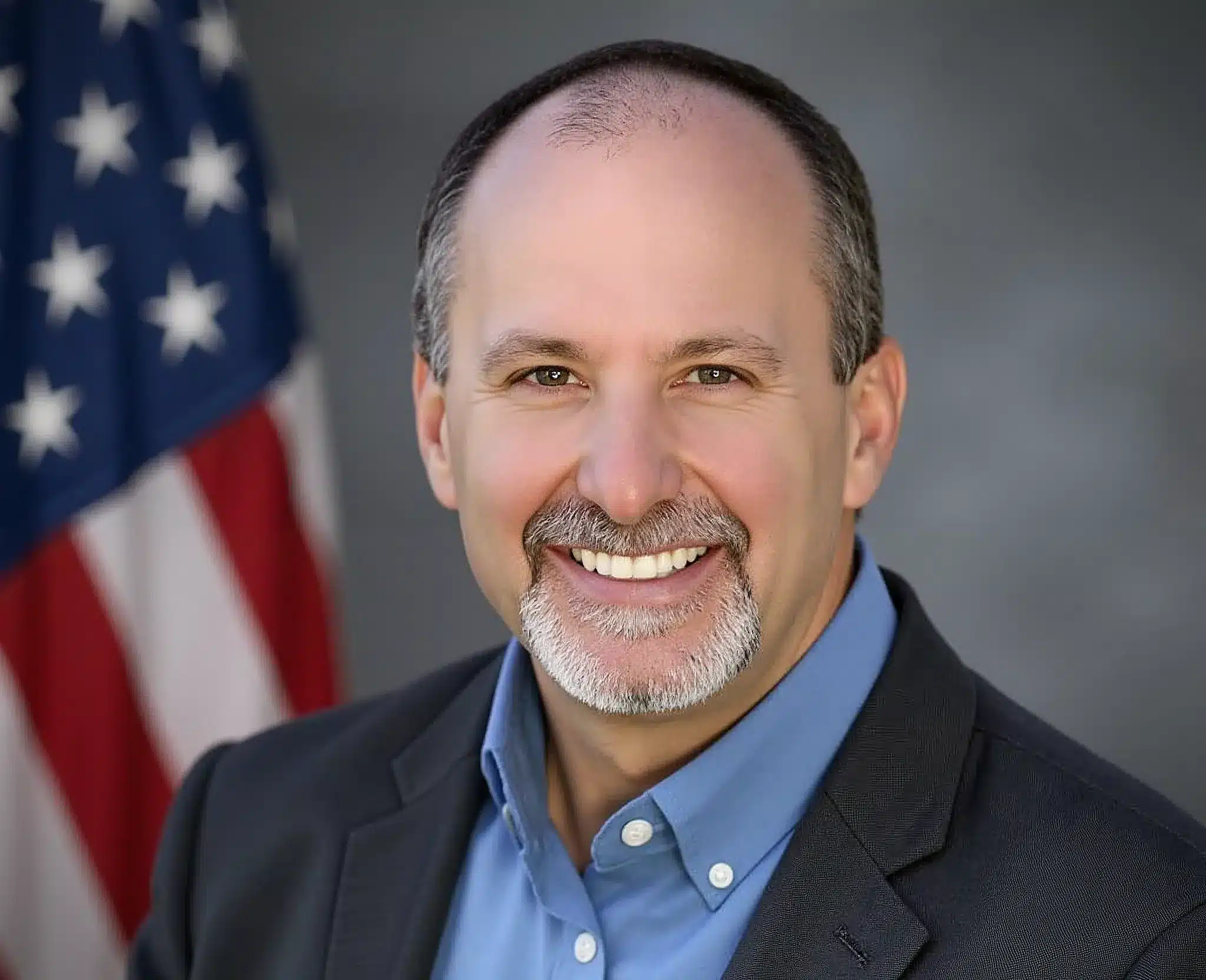
Weinberger Law Firm is committed to providing personalized legal support for boat accident victims. Our approach prioritizes your needs and works diligently to protect your interests throughout the claims process.
With experience in handling a range of personal injury cases, including maritime incidents, we understand the complexities involved and strive to achieve the best possible outcomes for our clients.
Our firm values clear communication and responsiveness, ensuring you are informed and supported every step of the way as we work towards resolving your case.
We begin by reviewing the details of your accident and collecting necessary evidence. Next, we negotiate with insurance companies and, if needed, prepare for litigation. Throughout, we keep you informed and involved in all decisions to secure fair compensation.
The first step involves assessing the facts of your accident, reviewing medical records, and understanding your damages. This evaluation helps determine the best course of action tailored to your unique circumstances.
We gather all relevant information, including witness statements, accident reports, and photographic evidence, to build a strong foundation for your claim.
During consultation, we discuss your options, outline potential outcomes, and develop a legal strategy focused on achieving your goals.
Our team handles negotiations with insurance companies and other parties to seek fair compensation. We advocate on your behalf to address all damages and losses comprehensively.
We prepare detailed demand letters outlining your injuries, damages, and compensation expectations to present a strong case to insurers.
Engaging in settlement discussions, we work to resolve the claim efficiently while protecting your interests and ensuring adequate compensation.
If negotiations do not lead to fair resolution, we are prepared to take your case to court. Litigation involves filing suit, conducting discovery, and representing you at trial to pursue justice.
We file the necessary legal documents and engage in discovery to obtain additional evidence and information critical to your case.
Our team represents you in court, presenting evidence and arguments aimed at securing a favorable verdict and compensation for your injuries and losses.
Immediately after a boat accident, ensure your safety and seek medical attention, even if injuries appear minor. Document the scene with photos and gather contact information from witnesses and involved parties. Reporting the accident to authorities is also important as it creates an official record. Prompt medical evaluation helps protect your health and supports your potential legal claim by establishing injury documentation.
Fault in a boat accident is determined by examining evidence such as accident reports, witness statements, and maritime regulations. Investigators look for breaches of duty, negligence, or violations of boating laws. Comparative fault may also be considered if multiple parties share responsibility. Legal professionals analyze these factors to build a strong case and identify liable parties for compensation purposes.
Compensation in boat accident cases can include reimbursement for medical expenses, lost wages, property damage, and pain and suffering. In some instances, punitive damages may be pursued if gross negligence is proven. The goal is to cover all financial and non-financial losses resulting from the accident to help victims recover fully.
In California, the statute of limitations for filing a personal injury claim related to a boat accident is typically two years from the date of the accident. It is important to act promptly to preserve your rights and gather evidence. Delays in filing may result in losing the ability to seek compensation through the legal system.
While it is possible to handle a boat accident claim without a lawyer, the legal process can be complex and challenging. Insurance companies may offer settlements that do not fully cover your damages. Legal representation helps ensure your rights are protected and that you receive fair compensation based on the full extent of your losses.
Important evidence includes accident reports, witness statements, photographs of the scene and damages, medical records, and any communications with insurance companies. Collecting comprehensive documentation strengthens your case and supports claims for compensation by providing clear proof of liability and damages.
Boat accidents are governed by maritime laws as well as state regulations, which differ from those applicable to car accidents. These laws address specific issues such as navigation rules and vessel safety requirements. Understanding these distinctions is key to effectively managing boat accident claims and ensuring proper legal handling.
If the boat operator was uninsured or underinsured, there may still be options to pursue compensation through your own insurance policies, such as uninsured motorist coverage. Legal professionals can help identify applicable protections and explore all available avenues to recover damages despite the other party’s lack of coverage.
The time to resolve a boat accident claim varies depending on case complexity, severity of injuries, and willingness of parties to negotiate. Some claims settle within months, while others requiring litigation may take longer. Patience and thorough preparation contribute to achieving the best possible outcome.
Costs involved in pursuing a boat accident lawsuit can include court fees, expert witness expenses, and legal fees. Many personal injury lawyers work on a contingency fee basis, meaning fees are only collected if compensation is recovered. Discussing fee arrangements upfront helps clarify potential financial obligations.
Experienced attorneys fighting for maximum compensation
[gravityform id=”2″ title=”false” description=”false” ajax=”true”]