
Table of Contents
- Understanding Emotional Distress Claims in California
- Why Accident Victims Struggle Without Legal Guidance
- How We Evaluate Your Emotional Distress Damages
- Types of Compensable Emotional Injuries After Accidents
- Documentation and Evidence We Preserve for Your Claim
- Negotiating Fair Compensation for Your Psychological Injuries
- Litigation Readiness When Insurance Companies Undervalue Claims
- Selecting the Right Legal Partner for Your Recovery
- Why Weinberger Law Firm Leads in Emotional Distress Cases
- Next Steps: Securing Your Free Consultation Today
- Frequently Asked Questions (FAQ)
Understanding Emotional Distress Claims in California
If you were injured in an accident, the physical pain is only part of your struggle. The trauma, anxiety, and psychological toll that follow can be just as debilitating—and California law recognizes this. Emotional distress claims allow you to pursue compensation for the mental anguish, fear, and suffering you’ve endured because of someone else’s negligence.
California courts distinguish between two types of emotional distress: negligent infliction of emotional distress (NIED) and intentional infliction of emotional distress (IIED). In personal injury cases involving accidents, NIED is the most relevant. To succeed, you must show that the defendant’s negligence was the direct cause of your emotional injury, that your distress was foreseeable, and that your suffering is genuine and documented.
This legal framework exists because trauma is real and measurable. You have rights after an accident—including the right to recover for the mental health impact, not just medical bills and lost wages. The challenge lies in proving that impact clearly to an insurance company or jury.
Why Accident Victims Struggle Without Legal Guidance
Many accident victims focus solely on their physical injuries and overlook their emotional distress claim entirely. Others attempt to value it themselves and end up accepting far less than they deserve. Without legal experience, the gap between what you think your claim is worth and what you can actually recover can be thousands of dollars.
Insurance adjusters are trained to minimize psychological injury claims. They’ll argue that your anxiety is temporary, that your depression is unrelated to the accident, or that you lack sufficient documentation. They count on you not knowing how to counter these tactics or what evidence actually strengthens your position. A single miscommunication during a claim discussion can cost you leverage you’ll never get back.
Additionally, the statute of limitations—the filing deadline—for emotional distress claims in California typically runs two years from the date of injury. Many victims don’t realize this deadline exists until it’s too late. Acting without legal guidance means missing critical evidence-gathering windows and potentially losing your right to compensation altogether.
How We Evaluate Your Emotional Distress Damages
We pursue full and fair compensation by conducting a thorough investigation into your psychological injuries from the start. Our evaluation process goes far deeper than a casual conversation. We review your medical records, therapy notes, and psychiatric evaluations to build a documented timeline of your emotional recovery.
We also examine the accident circumstances directly. A catastrophic collision, for example, carries different psychological weight than a minor fender bender—and we quantify that difference. We document how the accident disrupted your daily life: Did you stop working? Withdraw from family? Develop new anxieties or phobias? These details matter legally and financially.
Insurance companies often use multipliers to value emotional distress—typically 1.5 to 5 times your medical expenses. We don’t accept that formula blindly. Instead, we build a custom valuation based on the severity of your trauma, the durability of your symptoms, your treatment history, and comparable settlements in Sacramento and surrounding areas. This personalized approach ensures your claim reflects your actual suffering, not an arbitrary calculation.
Types of Compensable Emotional Injuries After Accidents

Emotional distress takes many forms after an accident, and California law compensates most of them when properly documented.
Anxiety and panic disorders are among the most common. If the accident triggered persistent worry about driving, being in vehicles, or similar situations, that’s compensable. We collect evidence showing how these fears developed and persist despite reassurance.
Post-traumatic stress disorder (PTSD) involves nightmares, flashbacks, and hypervigilance. A mental health professional’s diagnosis strengthens your claim substantially. Medical bills and treatment records demonstrate both its reality and your commitment to recovery.
Depression and loss of enjoyment of life qualify when they stem directly from the accident. If you stopped participating in hobbies, isolating yourself from friends, or experiencing sustained low mood, a therapist’s documentation creates a clear link to the injury.
Sleep disturbances and nightmares may seem minor but accumulate over time. Chronic sleep deprivation affects cognition, mood, and physical health—all compensable consequences.
Relationship and social withdrawal often accompanies trauma. When an accident fundamentally changes how you interact with loved ones, that breakdown carries legal weight.
The key is professional documentation. Preserve any evidence and get medical care with mental health specialists who can articulate the connection between your accident and your psychological symptoms.
Documentation and Evidence We Preserve for Your Claim
The difference between a weak claim and a strong one often comes down to documentation. We will investigate all available evidence related to your emotional distress and ensure nothing falls through the cracks.
From the beginning, we request and preserve your complete medical file, including emergency room records, follow-up visits, and any referrals to mental health professionals. We also subpoena mental health records from therapists, psychologists, and psychiatrists—documents that directly substantiate your emotional injuries.
Accident scene evidence matters too. We obtain police reports, traffic camera footage, witness statements, and photos of vehicle damage. This evidence establishes the severity and trauma of the incident itself, which courts use to assess the foreseeability of emotional distress.
We also preserve personal documentation: your journal entries describing your emotional state, text messages to friends or family about your struggles, employment records showing missed work due to mental health issues, and social media history (when relevant) showing your reduced activity or withdrawal. Medical billing records and prescription history for anxiety or depression medications provide objective markers of ongoing treatment.
Additionally, we work with your medical providers to obtain detailed treatment notes. A therapist’s contemporaneous notes about your symptoms, progress, and setbacks carry far more weight than your later recollection alone. This layered approach—combining clinical documentation, accident evidence, and personal records—creates a compelling narrative that insurance companies cannot easily dismiss.
Negotiating Fair Compensation for Your Psychological Injuries
Once we’ve documented your emotional distress comprehensively, negotiation begins. Insurance adjusters often come in low because they assume accident victims won’t push back. We handle that pressure for you.
Our negotiation strategy is grounded in comparable settlements and verdicts. We research similar cases in California where emotional distress played a central role and use that data to anchor our demand. This evidence-based approach keeps the conversation factual and removes the guesswork that typically disadvantages injured parties.

We also educate the insurance company about the severity of your condition. If you’ve been diagnosed with PTSD by a licensed psychologist, that’s not a subjective feeling—it’s a clinical diagnosis. We present your medical evidence in a way that makes the value of your claim undeniable. When an adjuster sees consistent therapy notes, a psychiatrist’s diagnosis, and months of ongoing treatment, the picture of genuine suffering becomes clear.
Time is limited—act now—because settlement negotiations have natural windows. Insurance companies respond faster when they sense you’re serious about litigation. Our team manages these dynamics expertly, knowing when to hold firm and when flexibility serves your interests. Most emotional distress claims settle during this phase without proceeding to trial, but only when you have an experienced negotiator representing your interests.
Litigation Readiness When Insurance Companies Undervalue Claims
If negotiation stalls or the insurance company refuses to fairly compensate your emotional distress, we’re ready to litigate. This readiness itself is a negotiating tool—adjusters know when we’ve prepared a case for court and often reconsider their positions.
Our litigation team constructs a clear narrative for a jury. Juries understand trauma. They can relate to anxiety, nightmares, and the disruption an accident causes to everyday life. We present your medical evidence, expert testimony from mental health professionals, and your own account of how the accident changed you. This human-centered presentation resonates in ways that insurance company numbers cannot.
We also prepare our mental health experts to testify credibly about causation and severity. These professionals explain your diagnosis, link it directly to the accident, and project future treatment and recovery needs. Expert testimony converts clinical documentation into compelling courtroom evidence.
Additionally, we’ll pursue damages for future emotional distress and ongoing treatment. If your condition is likely to persist or require continued therapy, we build that into the claim from the start, ensuring your settlement or verdict accounts for years of recovery, not just past medical bills.
Selecting the Right Legal Partner for Your Recovery
Not all personal injury firms handle emotional distress claims equally. Some focus exclusively on physical injury damages and treat psychological injuries as an afterthought. Others lack the mental health expertise to build persuasive claims or the courtroom experience to litigate them effectively.
Choose a firm that combines legal depth with genuine empathy for trauma survivors. You need attorneys who understand both the law and the human reality of living with emotional distress. Your legal partner should have a track record of recovering substantial compensation for psychological injuries—not just settling for minimal amounts.
Interview potential firms about their process. Do they work with mental health experts? How do they document emotional injuries? Can they articulate how similar cases have settled or resolved? The answers reveal whether they’ll fight for full value or accept less to move on quickly.
Also ensure your firm operates on a contingency basis—no fee unless we recover for you. This aligns your attorney’s interests directly with maximizing your compensation. You should never pay out of pocket to pursue a legitimate claim.
Why Weinberger Law Firm Leads in Emotional Distress Cases
We understand that your recovery extends beyond physical healing. At Weinberger Law Firm, we’ve spent years developing the investigative, negotiation, and litigation skills necessary to secure maximum compensation for emotional distress claims. Our compassionate, authoritative approach combines deep legal knowledge with genuine respect for what you’ve endured.
We don’t treat emotional distress as a secondary claim. We investigate all available evidence systematically, work with qualified mental health professionals to document your suffering, and push insurance companies hard during negotiation. When firms undervalue your claim, we’re prepared to take it to court and present your case to a jury that understands the real impact of trauma.
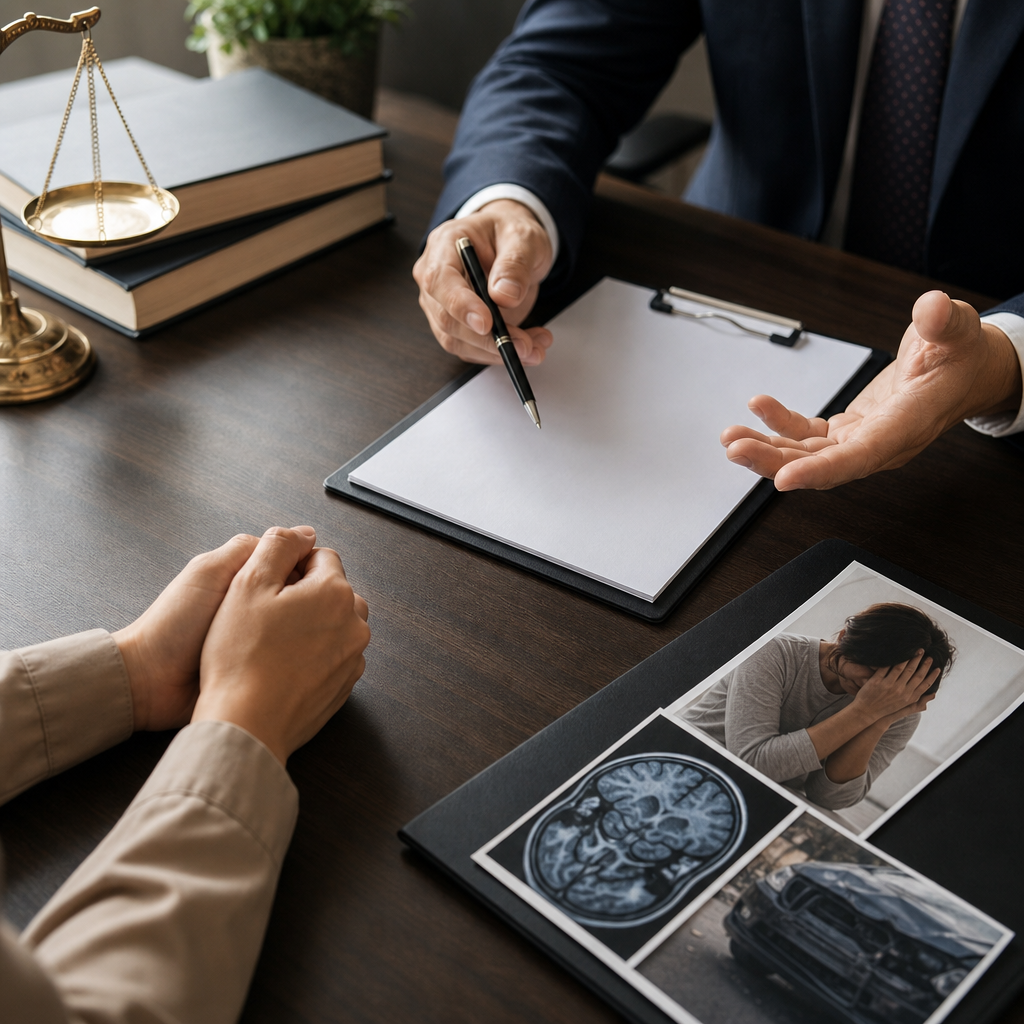
Our Sacramento-based team knows California personal injury law intimately. We’ve handled diverse cases—vehicle accidents, motorcycle collisions, premises liability, product injuries—and the emotional distress that follows each one. This breadth of experience means we recognize patterns and comparative values that maximize your compensation.
Most importantly, we operate with transparency and responsiveness. Clear communication and responsive client support are central to how we work. You’ll always know where your case stands, what we’re doing to advance it, and what to expect next.
Next Steps: Securing Your Free Consultation Today
You’ve already taken the first step by seeking information about your rights. The next move is simple: contact us for a free consultation. During this initial conversation, we’ll listen to your story, review the basics of your accident, and explain how we’d approach your emotional distress claim specifically.
There’s no obligation and no cost to explore your options. We’ll answer your questions honestly, tell you whether we believe you have a viable claim, and outline the path forward if you decide to work with us. Many accident victims delay this conversation worrying they’ve waited too long—remember that the statute of limitations runs from your injury date, but early action preserves evidence and maximizes negotiating leverage.
Time is limited—act now—to ensure we can fully investigate your case, preserve all relevant evidence, and build the strongest possible claim for your emotional distress damages. Document, preserve, and present the facts—that’s our approach, and we’re ready to apply it to your recovery.
Contact Weinberger Law Firm today. We pursue full and fair compensation for emotional distress claims because we believe accident victims deserve it.