

If you have suffered injuries due to unsafe or hazardous conditions on someone else’s property in Bayview-Montalvin, California, you may have grounds to pursue a premises liability claim. Our firm is committed to helping individuals understand their rights and navigate the complexities of premises liability law to seek fair compensation for their injuries and losses.
Premises liability cases can involve a wide range of incidents, from slip and fall accidents to injuries caused by inadequate maintenance or security. This guide will provide an overview of the legal framework, important terminology, and what you can expect during the claims process in Bayview-Montalvin.
Being informed about premises liability law empowers injured individuals to take appropriate action after an accident. Knowing your rights and the legal responsibilities property owners hold can make a significant difference in securing compensation for medical bills, lost wages, and pain and suffering. Access to knowledgeable legal guidance ensures that your claim is handled effectively and that your interests are protected throughout the process.
At the Weinberger Law Firm, we focus on personal injury cases, including premises liability claims. Our approach is client-centered, providing personalized attention to each case to achieve the best possible outcomes. We understand the challenges faced by injured parties and strive to offer clear communication and dedicated support from start to finish.
Premises liability law addresses the responsibility property owners have to maintain safe conditions for visitors and occupants. This includes regularly inspecting the property, fixing known hazards, and warning guests of potential dangers. When property owners fail to meet these duties, and someone is injured as a result, injured parties may be entitled to compensation under the law.
Claims can arise from various scenarios such as slip and fall accidents, inadequate lighting, unsafe stairways, or negligent security measures. Understanding the elements required to prove a premises liability case is essential to building a strong claim and obtaining a favorable resolution.
Premises liability refers to the legal obligation property owners and occupiers have to ensure their premises are reasonably safe for visitors. This duty varies depending on the visitor’s status, whether they are invitees, licensees, or trespassers. The law recognizes these distinctions when determining liability and the extent of the property owner’s responsibility for injuries sustained on their property.
To establish a premises liability claim, the injured party must demonstrate that the property owner owed a duty of care, breached that duty, and that this breach directly caused the injury. Evidence such as photographs, witness statements, and medical records often plays a critical role in supporting these elements. The claims process usually involves investigation, negotiation with insurance companies, and possibly litigation if a fair settlement cannot be reached.
Familiarizing yourself with key legal terms can help you better understand your case and the legal process. Below are definitions of some common terms used in premises liability law.
The legal obligation property owners have to maintain a safe environment and protect visitors from hazards. The scope of this duty depends on the visitor’s status and the circumstances of the incident.
A legal doctrine that may reduce the amount of compensation if the injured party is found to have contributed to their own injuries through negligent actions.
The physical property or land owned or controlled by an individual or entity, including buildings, walkways, parking lots, and surrounding areas.
The legal responsibility for damages or injuries that result from one’s actions or failure to act, such as maintaining safe premises.
When pursuing a premises liability claim, injured individuals may consider different legal strategies depending on the complexity of their case. Some cases may be resolved through negotiation and settlement, while others might require formal litigation to ensure fair compensation. Understanding these options helps in making informed decisions about how to proceed.
When property owners admit fault and injuries are minor, a straightforward negotiation with insurers often suffices to reach a settlement without extensive legal proceedings.
Cases with clear photographic evidence, witness statements, and medical records may be resolved efficiently through limited legal engagement focused on negotiation.
When liability is contested or injuries are significant, a comprehensive legal strategy involving investigation, expert consultation, and potential litigation may be necessary to protect the injured party’s rights.
Insurance companies may deny or undervalue claims, requiring skilled legal advocacy to negotiate fair settlements or pursue court action if needed.
A comprehensive legal approach ensures that all aspects of your case are thoroughly evaluated and addressed, increasing the likelihood of securing appropriate compensation. It involves detailed investigation, strategic negotiation, and readiness to litigate if necessary.
This approach also helps manage the complexities of insurance claims and legal procedures, allowing injured parties to focus on recovery while their legal team handles case management.
By thoroughly documenting injuries and damages and advocating assertively, a comprehensive legal strategy can help obtain higher settlements or verdicts that reflect the full extent of harm suffered.
Having experienced legal support provides reassurance throughout the claims process, reducing stress and ensuring that all deadlines and legal requirements are met efficiently.
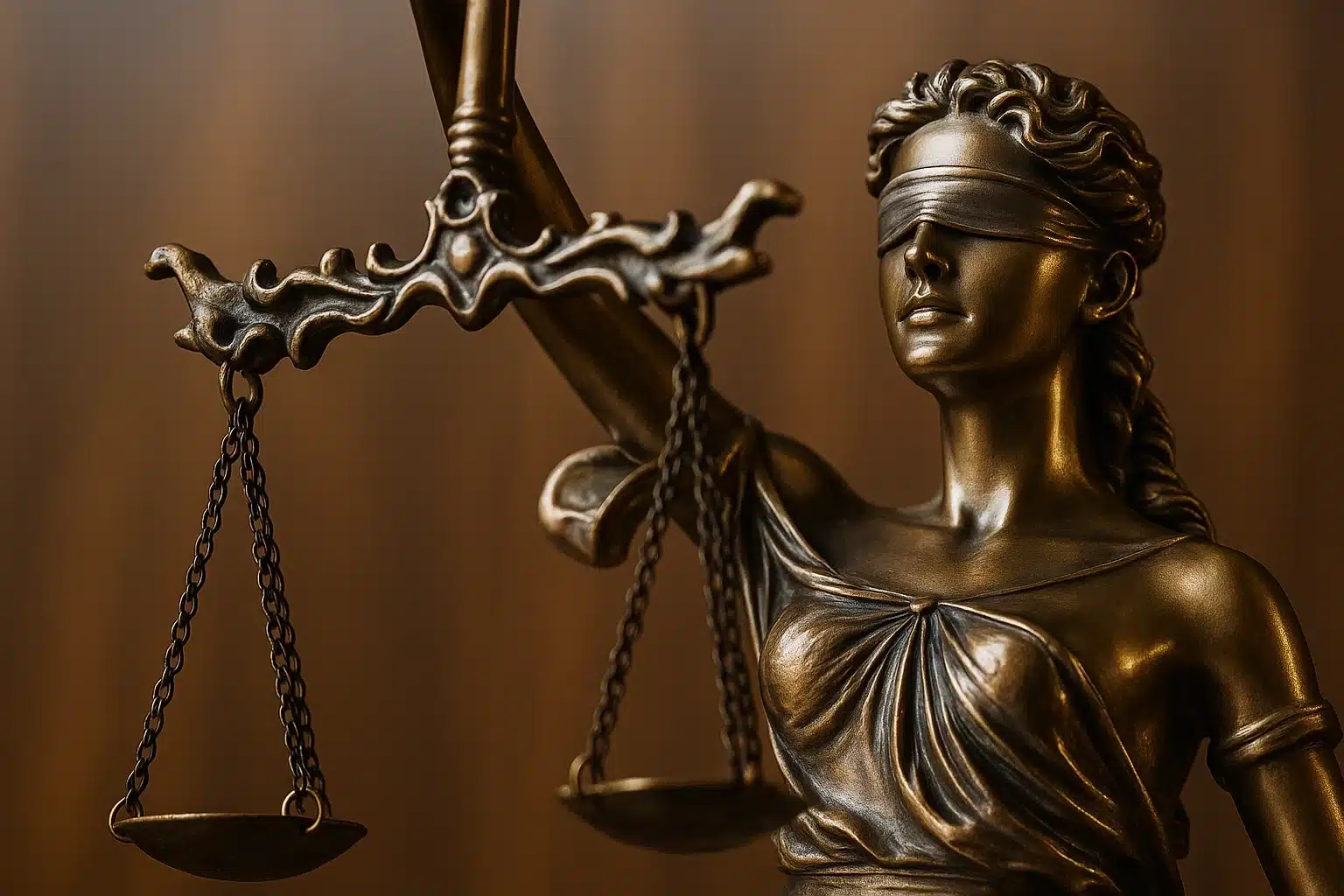
After an accident on someone else’s property, gather evidence such as photos of the hazard and your injuries, and collect contact information of witnesses. This documentation is vital to support your claim and prove liability.
Engaging with a legal professional early in the process can help protect your rights, guide you on the proper steps to take, and ensure deadlines for filing claims are met.
Injuries sustained on another’s property can have long-lasting effects, including medical expenses, lost income, and emotional distress. Pursuing legal recourse helps hold property owners accountable and can provide financial support to manage these consequences.
Legal guidance ensures that your claim is presented effectively and that you understand your rights and options at every stage. This support is particularly valuable when dealing with insurance companies or complex legal procedures.
Premises liability claims commonly arise from incidents such as slip and fall accidents due to wet floors or uneven surfaces, injuries caused by faulty stairs or railings, and harm resulting from inadequate security measures on the property.
These occur when an individual slips, trips, or falls because of hazards like wet floors, debris, or uneven pavement, often leading to injuries ranging from minor bruises to serious fractures.
Hazards such as broken stairs, defective handrails, or poor lighting can cause accidents and constitute grounds for a premises liability claim if the property owner neglected maintenance duties.
Injuries resulting from assaults or criminal acts on a property may be subject to liability if the property owner failed to provide reasonable security measures.
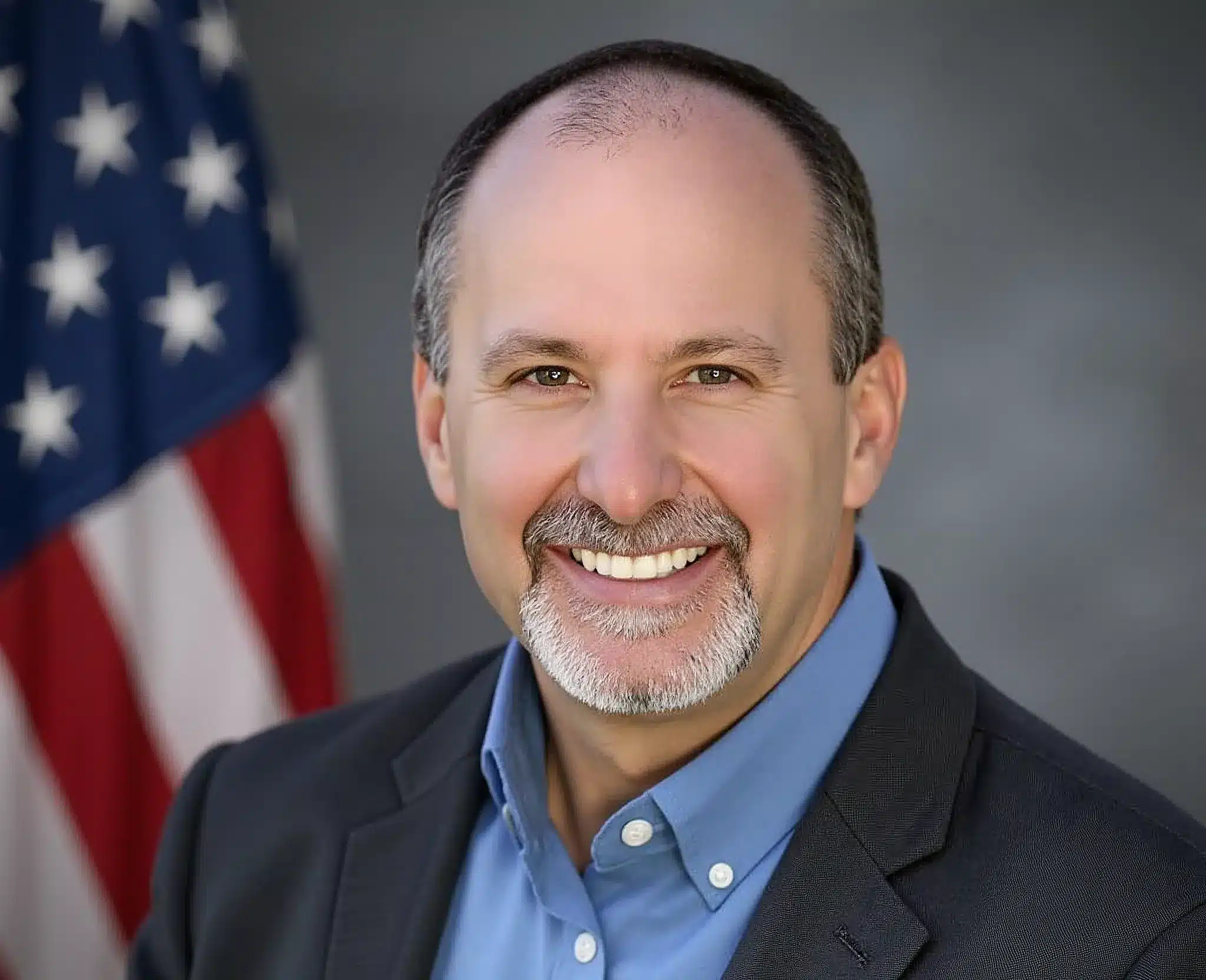
Our firm focuses on personal injury law, including premises liability, and understands the specific challenges these cases present. We prioritize clear communication and personalized attention to your situation.
We work diligently to investigate claims thoroughly, gather necessary evidence, and negotiate assertively with insurance companies to protect your interests.
Our commitment is to support you throughout the legal process, ensuring you have the information and representation needed for the best possible outcome.
We begin by evaluating your case details and advising on the best course of action. Our process includes thorough investigation, gathering evidence, communicating with relevant parties, and pursuing negotiation or litigation as appropriate to achieve a favorable resolution.
The first step involves understanding the circumstances of your accident, reviewing available evidence, and identifying potential liabilities to determine the strength of your claim.
We collect all relevant information such as photographs of the accident scene, medical records, and witness statements to build a comprehensive case file.
Our team assesses the facts in the context of California premises liability laws to identify the legal elements that must be satisfied for your claim.
We engage with insurance companies and opposing parties to negotiate a fair settlement that compensates your damages without the need for prolonged litigation.
Through detailed documentation and clear communication, we advocate for your interests to maximize settlement offers.
Our team manages all correspondence and negotiations, keeping you informed and advising on the best options available.
If a fair settlement cannot be reached, we are prepared to take your case to court, representing your interests vigorously through trial.
We initiate formal legal proceedings and handle all necessary filings and court appearances on your behalf.
Our firm prepares all case materials and presents arguments in court to pursue the best possible outcome for your claim.
Premises liability is a legal concept that holds property owners responsible for injuries that occur due to unsafe conditions on their property. It covers a range of incidents including slip and fall accidents, inadequate maintenance, and security failures. Understanding premises liability helps injured parties seek compensation when negligence leads to harm. This area of law requires demonstrating that the property owner had a duty to maintain safe conditions, breached that duty, and caused the injury. Each case depends on its specific facts and legal standards in California.
Responsibility in premises liability cases usually falls on the property owner or occupier who controls the premises where the injury occurred. This can include landlords, business owners, or homeowners. Liability depends on factors such as the visitor’s status and whether the owner took reasonable steps to prevent hazards. In some cases, third parties such as contractors or maintenance companies may also be liable if their actions contributed to unsafe conditions. Identifying all responsible parties is key to a successful claim.
Premises liability claims can involve a variety of injuries, from minor cuts and bruises to serious fractures, head trauma, or spinal injuries. The severity of injuries often impacts the compensation sought and the complexity of the case. Injuries resulting from falls, defective stairs, poor lighting, or assaults on the property may all be grounds for claims if negligence can be demonstrated. Accurate medical documentation is essential to support your case.
In California, the statute of limitations for premises liability claims is generally two years from the date of the injury. It is important to initiate your claim within this time frame to preserve your legal rights. Delays in filing can result in losing the ability to seek compensation. Consulting with a legal professional promptly can help ensure timely action and proper handling of your case.
Key evidence in premises liability cases includes photographs of the accident scene and hazardous conditions, medical records documenting your injuries, and witness statements that corroborate your account. Additionally, maintenance logs, incident reports, and security footage may be relevant. Collecting and preserving this evidence promptly strengthens your claim and supports proving liability.
California follows a comparative negligence rule, meaning you can still recover damages even if you were partially at fault for the accident. However, your compensation may be reduced proportionally to your degree of fault. For example, if you are found 30% responsible, your recovery would be reduced by that amount. Understanding this rule helps set realistic expectations for your claim.
After a premises injury accident, it’s important to seek medical attention immediately, even if injuries seem minor. Prompt treatment ensures your health and creates medical records that support your claim. You should also document the scene with photos, gather witness information, and report the incident to the property owner or management. Consulting with a legal professional early can guide you through necessary next steps.
Many premises liability attorneys, including those at our firm, work on a contingency fee basis. This means you typically do not pay upfront legal fees and the attorney is paid a percentage of any settlement or award. This arrangement allows injured parties to access legal representation without financial barriers. It’s important to discuss fee structures during your initial consultation to understand all terms.
The time to resolve a premises liability claim varies depending on the case complexity, insurance company cooperation, and whether litigation is necessary. Some cases settle within months, while others may take longer if court proceedings are involved. Your legal team will keep you informed throughout the process and work diligently to secure a timely resolution.
Compensation in premises liability cases can cover medical expenses, lost wages, property damage, and pain and suffering caused by the injury. In some cases, punitive damages may be available if the property owner’s conduct was particularly negligent. The amount and types of compensation depend on the specifics of your case and the extent of your injuries and losses.
Experienced attorneys fighting for maximum compensation
"*" indicates required fields