
Table of Contents
- Understanding Your Accident and Why Compensation Matters
- Types of Economic Damages We Recover for You
- Non-Economic Damages That Protect Your Quality of Life
- Punitive Damages in Negligent Uber Accident Cases
- Insurance Coverage We Navigate on Your Behalf
- How We Investigate and Document Your Claim
- Calculating Your Full Compensation Potential
- Why Our Firm Pursues Maximum Recovery
- Timeline and Statute of Limitations You Must Know
- Your Free Consultation and Next Steps
- Frequently Asked Questions (FAQ)
Understanding Your Accident and Why Compensation Matters
If you were injured in an Uber accident, you have rights after an accident. The impact goes beyond the collision itself—medical bills pile up, you lose wages while recovering, and the stress of dealing with insurance companies adds to your physical pain. You deserve fair compensation that reflects the full scope of what happened to you.
California law recognizes several categories of damages available to accident victims. Understanding these categories helps you know what to expect and ensures nothing slips through the cracks. We will investigate all available evidence to build a comprehensive claim that captures every dollar you’re entitled to recover.
The foundation of any strong claim is documentation. Preserve any evidence and get medical care immediately—this creates the record that proves your injuries and establishes causation. Photographs of vehicle damage, medical records, witness statements, and police reports all work together to demonstrate negligence and quantify your losses.
Types of Economic Damages We Recover for You
Economic damages are the measurable, out-of-pocket costs directly tied to your accident. These are the easiest damages to quantify because they have clear, documented values.
Medical expenses form the core of economic recovery. This includes emergency room visits, hospital stays, surgery, physical therapy, prescription medications, and any ongoing treatment your injuries require. If your doctor recommends future care, we calculate those anticipated costs into your claim as well.
Lost wages represent income you stopped earning because of your injury. Whether you were out of work for two weeks or two months, we document your salary, hourly rate, and actual time missed. If you’re self-employed, we reconstruct your income using business records and tax returns.
Additional economic damages often overlooked include:
- Rideshare or transportation costs incurred while you recovered
- Home care services or assistance with daily tasks
- Damaged personal property (clothing, phone, belongings in the vehicle)
- Future diminished earning capacity if your injury affects your ability to work
We pursue full and fair compensation for each of these components. Time is limited—act now to preserve receipts, medical invoices, and pay stubs that substantiate these claims.
Non-Economic Damages That Protect Your Quality of Life
Non-economic damages address the intangible harm—the pain, emotional suffering, and lifestyle disruption that money alone cannot fully repair, but compensation recognizes.
Pain and suffering is the most common non-economic damage. It reflects the physical discomfort you endure during recovery, whether that’s sharp pain, chronic soreness, or limitations on movement. California courts and juries understand that healing isn’t painless, and compensation should reflect that reality.

Loss of enjoyment of life captures how your injury changed your daily existence. If you loved hiking, running, or playing with your children and that activity became impossible or painful, that loss has real value. We document these changes through your testimony, medical records showing functional limitations, and statements from family or friends.
Emotional distress and anxiety resulting from the accident—fear of riding in vehicles, nightmares, or depression—are compensable. Your mental health matters as much as your physical recovery.
Scarring, disfigurement, and permanent disability carry substantial non-economic value. A visible scar on your face or neck affects your confidence and social interactions for life.
Calculating non-economic damages requires skillful argumentation. We use medical evidence, your personal account, and comparable case outcomes to establish a reasonable range. Insurance companies often undervalue these damages, which is why having experienced counsel makes a critical difference.
Punitive Damages in Negligent Uber Accident Cases
Punitive damages are reserved for cases involving gross negligence or reckless conduct—not simple carelessness, but behavior that was intentional or showed willful disregard for safety.
If the Uber driver was operating under the influence, speeding excessively, or driving with a suspended license, punitive damages may apply. These damages serve a dual purpose: they punish the wrongdoer and deter similar misconduct in the future. They’re above and beyond compensatory damages—they’re about accountability.
Uber as a company can face punitive liability if we prove the company was aware of dangerous driver behavior, failed to properly screen drivers, or neglected maintenance on vehicles. This requires deep investigation into company policies and records.
Punitive damages are harder to win but carry enormous value when circumstances warrant them. We assess whether your case qualifies and advise you honestly about realistic prospects. Document any evidence of reckless or intentional misconduct and share it with us immediately.
Insurance Coverage We Navigate on Your Behalf
Multiple insurance policies may apply to your Uber accident, and understanding which one covers you is essential.
Uber’s insurance policy provides coverage while the driver is logged into the app and actively engaged with a passenger. This is Uber’s primary commercial policy, and it typically carries substantial limits. We negotiate with Uber’s insurance carrier to ensure they acknowledge coverage and make reasonable settlement offers.
The Uber driver’s personal auto insurance may provide additional coverage, though many drivers assume (incorrectly) that Uber’s coverage is sufficient. We review the driver’s policy to identify supplemental coverage limits.
Your own auto insurance may include uninsured or underinsured motorist coverage, which protects you if the at-fault driver’s insurance is inadequate. This is often overlooked by injured people but can be crucial.
Our role as insurance negotiation lawyers involves coordinating these policies, identifying all available coverage, and negotiating with each insurer strategically. Some insurers attempt to shift responsibility between policies or deny coverage altogether. We push back hard on these denials and pursue every dollar available.
How We Investigate and Document Your Claim
Investigation separates strong claims from weak ones. We take a methodical approach to evidence collection.

We request all police reports and traffic accident investigation reports. These official documents establish fault and often contain officer observations about driver behavior and road conditions.
Surveillance footage is gold. We immediately request traffic camera footage from nearby intersections, businesses, or street-level cameras. Video evidence showing the actual collision and the moments preceding it often ends disputes about how the accident occurred. Acting quickly is critical—footage retention policies may limit how long it’s available.
We interview witnesses and obtain written statements from anyone who saw the accident. Witness testimony corroborates your account and strengthens the narrative of negligence.
Medical records tell the story of your injuries. We obtain complete medical documentation, including imaging studies, surgical reports, therapy notes, and physician assessments of your functional limitations. Medical evidence is the foundation of any credible damages claim.
We also preserve evidence of the driver’s violation of traffic laws—citations issued, phone records showing distraction, toxicology reports if impairment was involved, and the driver’s employment records and history with Uber.
Calculating Your Full Compensation Potential
Determining what your claim is worth requires analyzing both damages and negotiating leverage.
We start by totaling your economic damages—every medical bill, every hour of lost wages, every documented out-of-pocket expense. This figure is objective and difficult for insurers to dispute if we have thorough documentation.
Next, we apply a multiplier to economic damages to estimate non-economic value. Multipliers typically range from 1.5 to 5 times economic damages, depending on injury severity, permanence, and the strength of our evidence. A minor soft-tissue injury might warrant a 1.5 multiplier, while a permanent spinal injury could justify a 4 or 5 multiplier.
We research comparable settled cases and verdicts in Sacramento and across California with similar facts and injuries. This comparative data grounds our valuation in reality and gives us persuasive arguments when negotiating.
We also assess litigation risk and costs. If the case is strong and the insurer is unreasonable, we’re prepared to file suit and take it to trial. Our willingness and ability to litigate strengthens our negotiating position considerably.
Why Our Firm Pursues Maximum Recovery
We don’t settle for what insurers offer on day one. Their initial offer is almost always lower than what your claim is actually worth. We pursue full and fair compensation because your recovery depends on it.
Our approach includes formal demand letters that lay out evidence systematically, establish liability clearly, and present a detailed damages calculation. These detailed demands show insurers we’re serious and well-prepared. Many cases settle after a strong demand letter because insurers recognize the strength of our position.
We leverage settlement conferences and mediation to negotiate face-to-face with insurance adjusters and defense counsel. These forums often produce reasonable settlements when both sides understand the strengths and weaknesses of the case.
Our rideshare accidents attorney team has extensive experience with Uber and other rideshare accidents specifically. We understand Uber’s policies, their typical settlement ranges, and the specific vulnerabilities in their defenses. This specialized knowledge translates into better outcomes for you.
Timeline and Statute of Limitations You Must Know
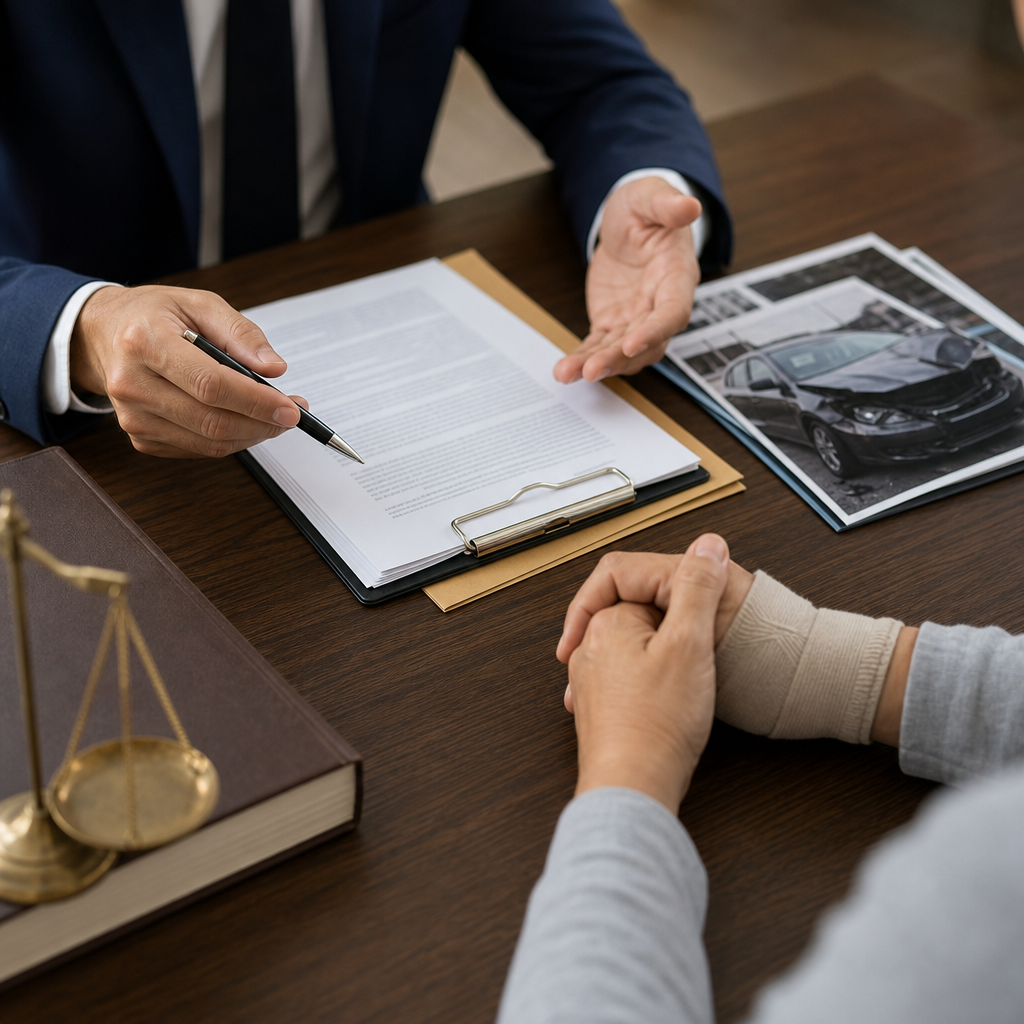
California law imposes strict deadlines for filing personal injury claims. The statute of limitations—the filing deadline—is two years from the date of your accident. After two years, you lose the right to sue, regardless of the merit of your claim.
“Two years sounds like plenty of time,” many clients think. It isn’t. Investigations take time, medical treatment continues, and settlement negotiations can extend months. If a case doesn’t settle, filing a lawsuit and preparing for trial takes additional months.
We recommend acting within the first few months after your accident. This allows us to investigate while evidence is fresh, preserve witness memories, and secure surveillance footage before retention periods expire. Early action demonstrates diligence and strengthens our negotiating position.
Communicating with insurers also triggers important deadlines. Time is limited—act now to ensure we can file suit before any statute of limitations expires.
Your Free Consultation and Next Steps
The next step is straightforward: contact us for a free consultation. We’ll review the facts of your accident, assess your injuries, and explain what compensation you can realistically pursue.
During your consultation, bring any documentation you have: police reports, medical records, insurance information, photos of the accident scene or vehicle damage, and contact information for any witnesses. This information helps us evaluate your case quickly and thoroughly.
We work on a contingency fee basis: no fee unless we recover for you. You pay nothing upfront, and we only charge a percentage of your settlement or verdict. This arrangement aligns our interests with yours—we’re motivated to maximize your recovery because we only profit when you do.
The Uber accident you suffered was not your fault. You deserve compensation that fully accounts for your medical expenses, lost income, pain, and disruption to your life. We have the experience, resources, and commitment to secure that recovery for you. Contact Weinberger Law Firm today to schedule your free consultation and take control of your claim.
Contact us today for a Free Case Consultation!
Frequently Asked Questions (FAQ)
What types of compensation can we recover after an Uber accident in California?
We pursue multiple forms of compensation for our clients, including economic damages like medical bills, lost wages, and property damage, as well as non-economic damages for pain and suffering that protect your quality of life. In cases involving gross negligence, we may also pursue punitive damages to hold the at-fault party accountable. Our goal is to ensure you receive full and fair compensation for all losses resulting from the accident.
How much time do we have to file a claim after an Uber accident?
We understand that time is limited, as California’s statute of limitations gives you two years from the date of your accident to file a personal injury lawsuit. However, we recommend contacting us immediately after your accident so we can preserve evidence, document your injuries, and begin our investigation right away. Waiting too long can jeopardize your case and reduce your recovery potential.
What’s our process for calculating the full value of your claim?
We conduct a thorough evaluation of all damages you’ve suffered, reviewing medical records, lost income documentation, insurance policies, and the circumstances of your accident to determine your compensation potential. We negotiate aggressively with insurance companies to maximize your recovery and are prepared to litigate if necessary. Contact us for a free consultation, and we’ll explain exactly how we arrive at your claim’s value with no fee unless we recover for you.