
What Does a Personal Injury Attorney Do?
Published
On this page
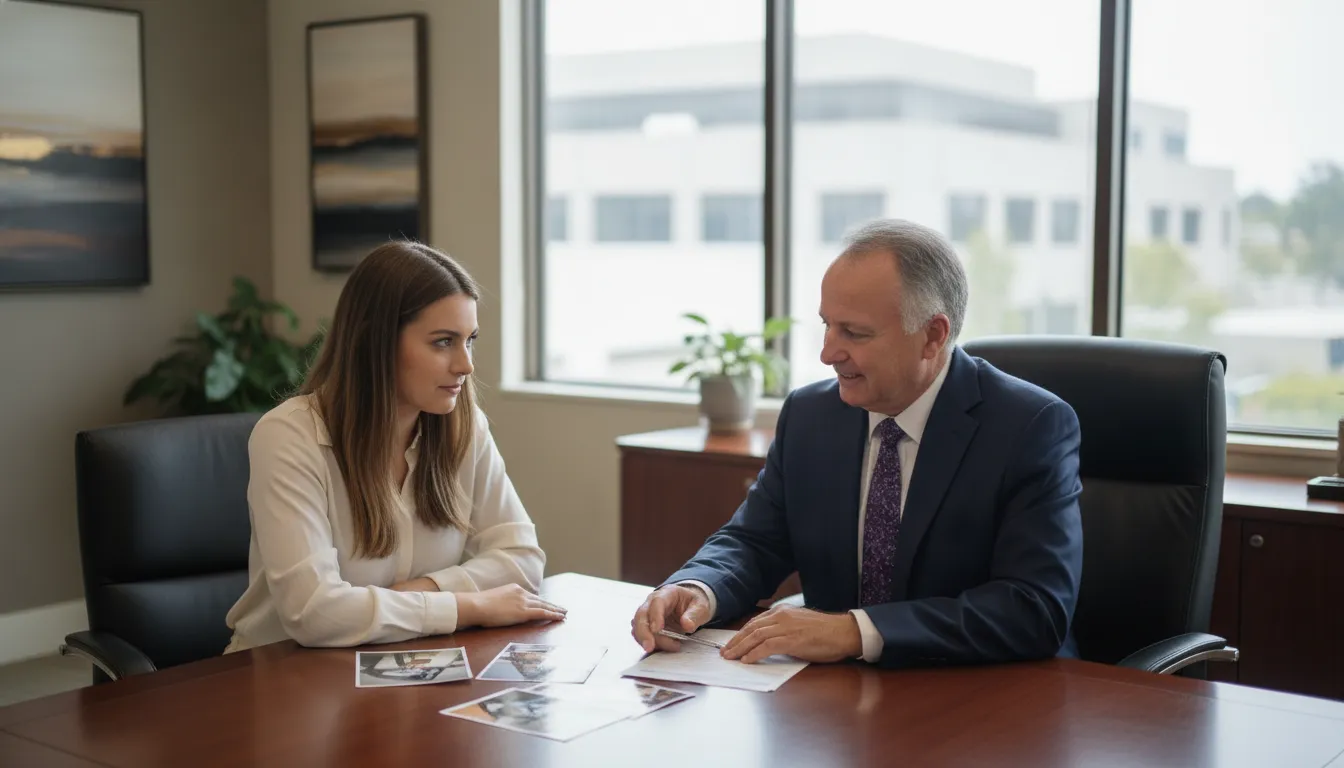
What does a personal injury attorney do once you call? The lawyer reviews the facts you can already share, decides which records and deadlines need attention, and handles the claim communications that should not come from you. You still choose whether to hire the firm, whether to settle, and whether to file a lawsuit.
Call Weinberger Law Firm at 916-602-3533 for a free consultation about what you should gather and what the lawyer will handle.
By Joe Weinberger
Joseph Weinberger founded Weinberger Law Firm in Sacramento in 1991 and stays directly involved in each case. The firm represents people hurt in car, truck, motorcycle, bicycle, pedestrian, rideshare, boating, and train accidents, as well as catastrophic injuries, premises liability, and wrongful death. There is no fee unless the firm recovers compensation. The Roseville office is at 2270 Douglas Blvd #220, and the practice also serves Sacramento, Folsom, and nearby communities including Citrus Heights, Rocklin, Carmichael, and Fair Oaks.
This article is about that working relationship. It is not a full map of a California claim, and it is not a fee comparison. If you want the local practice itself, start with a Roseville injury lawyer. If you want the claim sequence after the crash, the California personal injury claims process covers that separately.
What you gather before the lawyer can do useful work
A personal injury attorney cannot reconstruct a crash from a short phone description. The first useful file is the one you can build without guessing. Bring what you have. Do not wait for a complete medical chart, and do not fill gaps with what you think a report should say.
Start with the facts of the day:
- The date, time, and place, including the cross streets or the property name.
- How you were traveling or why you were on the property.
- The names of other drivers, companies, or property owners, if you have them.
- Photos of vehicles, the scene, your injuries, and anything that changed after the event.
- Names and phone numbers of people who saw it, written down before memories fade.
Then add the paper that shows the effect on you:
- The hospital, clinic, or urgent-care name, and the dates you were seen.
- Bills and explanation-of-benefits pages you already received. A missing bill is not a reason to delay the call.
- A simple note of days missed from work and whether a doctor limited your duties.
- Any letter, text, or email from an insurer. Save it. Do not answer it on the spot.
Photos and a witness name are evidence. A theory about who ran the light is not, until a report, a recording, or a witness supports it. Say what you saw. Leave the rest for the review. If the stack of bills is already messy, the guide on how to organize medical records shows a simple order for dates and symptoms. This article stays on who does what with that file.
If a police or incident report exists, note the agency and the report number. If it does not, say so. Many property injuries never produce a police report, and a car crash report can take days to become available. The absence of a report is information. It is not a reason to invent one.
What does a personal injury attorney do during the review?
Once the file has a shape, the lawyer's work is a set of decisions, not a single phone call. The point of asking what does a personal injury attorney do is to see which of those decisions you should not make alone.
Which facts are still missing
The lawyer compares your account with the records you brought. A gap is normal. The decision is which gap matters. It may be the missing witness, the photos that were never taken, a clinic note that does not match the pain you reported, or a letter asking for a recorded statement. You do not need to rank those gaps yourself.
Who may be responsible
A crash can involve more than the other driver. A delivery company, a rideshare platform, a vehicle owner, or a property manager may belong in the review. The lawyer decides which of those names is worth pursuing and which is a distraction. Naming every possible defendant on day one is not the same as having a claim against each of them.
Which deadline actually applies
California generally gives an injured person two years to file a personal-injury lawsuit. The California Courts self-help guide lists that two-year period for a personal-injury case. It also warns that other claims use different clocks. The statute behind that two-year period is Code of Civil Procedure section 335.1.
That two-year lawsuit deadline is not the only clock. A claim against a public entity can require an earlier government claim. A minor's deadline can run differently. An insurer's own deadline to accept or deny a claim is a separate rule and is not the lawsuit deadline. The lawyer's job is to identify which clock applies to your facts. Do not treat a blog sentence as your filing date.
What gets said to the insurer
After the firm is retained, the lawyer decides what is sent, when it is sent, and who speaks. A recorded statement, a broad medical authorization, and a quick signed release are common requests. Each one can narrow a claim before the injuries are understood. You can tell the caller that a lawyer is reviewing the file. You do not have to debate fault on the phone.
What stays your decision
Hiring a lawyer does not hand over your life or your claim. Several choices stay with you, and a careful lawyer will put them back in your hands instead of treating them as paperwork.
| Decision | Who makes it | What you should know first |
|---|---|---|
| Whether to hire the firm | You | A consultation is a conversation. It is not a contract, and it does not create an attorney-client relationship by itself. |
| What the written fee agreement says | You sign it, after you read it | California requires a written contingency-fee contract with the rate, how costs affect your recovery, and a statement that the fee is negotiable. |
| Whether to give a recorded statement | You, with the lawyer's advice | Do not agree on the phone before the lawyer has seen the request. |
| Whether to accept a settlement | You | The lawyer can recommend. The lawyer cannot accept a settlement for you unless you authorize that settlement. |
| Whether to file a lawsuit | You | Filing changes the timeline, the cost, and what you may have to answer under oath. It is not automatic. |
| Which medical care you receive | You and your doctors | The lawyer does not direct your treatment. Tell the lawyer if a doctor limits your work or changes the plan. |
The State Bar of California tells clients to share the facts, including facts that may hurt the claim, and to ask how the lawyer will keep them informed. Hiding a prior injury or a gap in treatment does not protect you. It shows up later in the records.
California Business and Professions Code section 6147 requires a written contingency-fee contract. The contract must state the fee rate and how costs affect the fee and your recovery. It must also say whether a related matter could create a separate charge. For an ordinary personal-injury claim, it must say the fee is not set by law and is negotiable. You should receive a signed copy. If the writing does not say those things, ask before you sign. The fee guide on this site compares the money questions in more detail. This article only flags the decisions that belong to you.
How the work is divided after you hire the firm
People often picture one meeting and then a check. The real division is quieter. You keep living the injury. The lawyer and the case team keep the file moving.
Your side of the work stays concrete:
- Go to the medical visits your doctors schedule, and tell the firm when a visit is added or canceled.
- Send new bills, work notes, and insurer letters instead of letting them sit in a stack.
- Write down new limits, such as lifting, driving, or missed shifts, with the date they started.
- Ask questions when a form does not make sense. A signature you do not understand is still your signature.
The firm's side is the part you should not freelance:
- Collecting the records that support liability and the losses you are claiming.
- Identifying who may be responsible and which insurance may apply.
- Sending the communications that need a lawyer's judgment.
- Tracking the deadline that applies to your facts, including a shorter government-claim deadline when one exists.
- Explaining a settlement number in plain language, including what it does not cover, before you decide.
Joseph Weinberger remains directly involved in every case. The Roseville office is the place that work is anchored, and the same phone line serves clients in Sacramento and Folsom. A local office does not change the statute. It does mean the person reviewing your file works in the community where many of these crashes and property injuries happen.
Past results are not a prediction. The firm has recovered multi-million-dollar results in individual cases, and those outcomes depended on the facts of those cases. A consultation is where your facts get their own review. It is not a quote.
A short example of the split
Consider a driver hit at an intersection in Roseville. She has photos of both cars, a witness's first name only, an emergency-room discharge sheet, and a voicemail from the other driver's insurer. She has not missed a full week of work yet, but her doctor limited her driving.
What she brings is enough to start. What she does not bring is a theory of the exact speed, a guess about the other driver's insurance limits, or a number she hopes to receive. The lawyer decides whether the witness can still be found and whether a police report exists. The lawyer also decides whether the firm should return the voicemail, and which deadline to calendar. She decides whether to hire the firm, whether to sign the written fee agreement, and, later, whether an offered amount is acceptable.
That is the whole job in one scene. The lawyer does the legal sorting. The client keeps the personal decisions and the medical care.
What this article does not try to answer
A few neighboring questions are real, and they already have their own pages. Repeating them here would bury the decision split.
- How a claim moves from the scene to a demand, and what happens if a case is filed, is the claims-process guide.
- How a contingency fee is written, and how costs can change what you take home, belongs in the fee discussion, not in a job description.
- How to prove fault element by element is its own question. The negligence questions guide is the place for that.
- How to keep medical bills and work losses usable is covered in how to protect a damages claim.
If your question is simply who does what after you call, you are in the right article. If your question is the value of a case, nobody can answer that from a headline. Value depends on fault, the medical course, the available coverage, and the deadline that applies.
Call Weinberger Law Firm at 916-602-3533 if you want a Roseville injury lawyer to sort what you have and what should happen next.
Frequently Asked Questions
Do I need a complete medical file before I call?
No. Bring the dates, the provider names, and any bills you already have. The lawyer can tell you which missing records matter. Waiting for a closed file often means waiting through the period when photos and witness memories are still available.
Will the lawyer tell me what my case is worth on the first call?
A careful lawyer will not invent a number from a short description. The first conversation can identify what is known, what is missing, and whether a deadline needs attention. A value discussion comes after the records and the coverage are actually reviewed.
Can I keep talking to the insurance company after I hire a lawyer?
You can tell a caller that you have a lawyer. After that, claim communications should go through the firm. A recorded statement or a signed release is a decision to make with the lawyer, not a courtesy you owe a stranger on the phone.
Does hiring a lawyer mean my case will be filed in court?
No. Many injury matters are presented to an insurer without a lawsuit. Filing is your decision, made after the lawyer explains what filing changes. The two-year period in Code of Civil Procedure section 335.1 is a lawsuit deadline, not an instruction to file on day one.
What does the free consultation include?
It is a conversation about what happened, what you have gathered, and whether the firm can help. It does not create an attorney-client relationship, and it is not legal advice for every possible claim. You pay no fee unless the firm recovers compensation. The written fee agreement, if you decide to hire the firm, is a separate step you sign only after you have read it.
About Joe Weinberger
Joe Weinberger founded Weinberger Law Firm in Sacramento in 1991 and stays directly involved in each case. He represents people injured by someone else's negligence, including car, truck, motorcycle, and premises cases. The firm offers a free consultation, and there is no fee unless the firm recovers compensation.