
What to Look for When Choosing a Motorcycle Accident Lawyer
Published
On this page
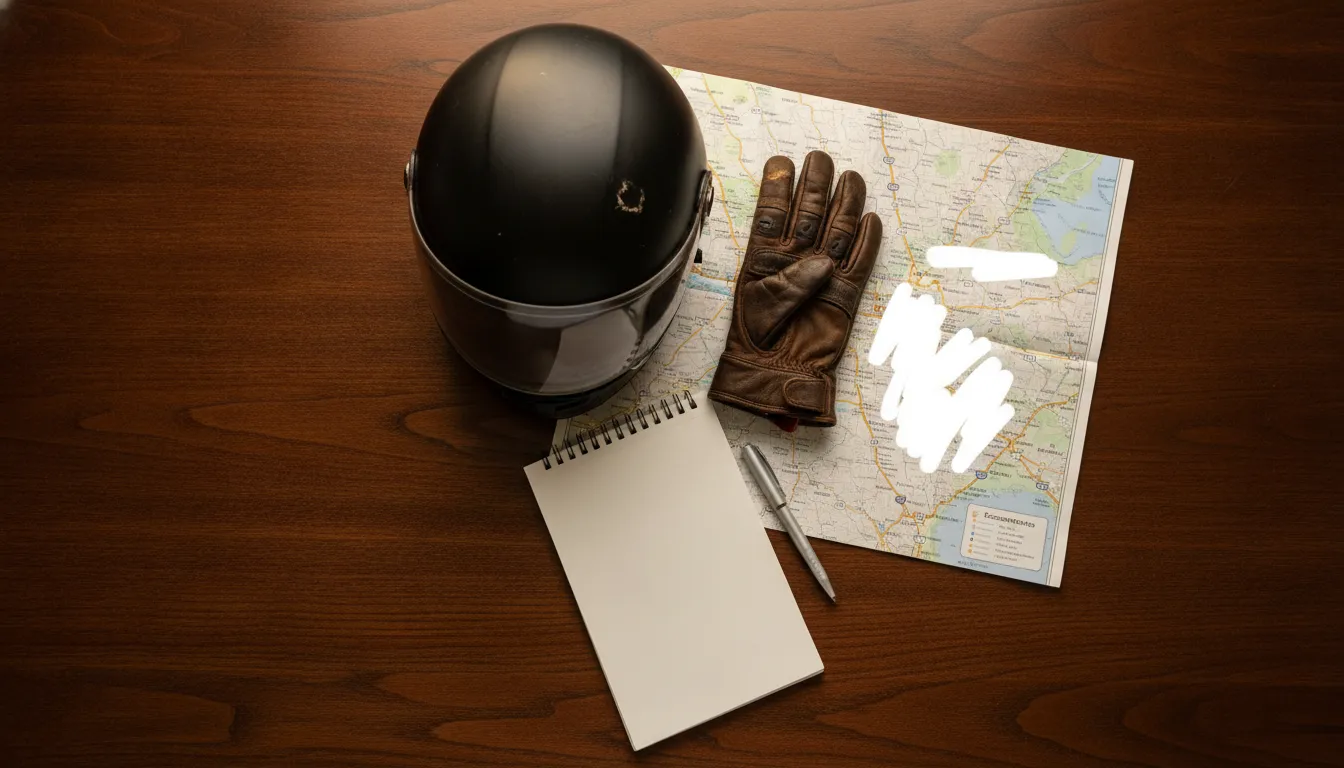
What to look for when choosing a motorcycle accident lawyer is the claim plan each firm can explain after it hears the crash. Ask how they would treat fault, the helmet and the bike, the insurer's first story, and who would do the work. A useful answer is specific to your ride. A general promise about results is not a plan.
Call Weinberger Law Firm at (916) 602-3533.
By Joseph Weinberger
Riders around Roseville, Sacramento, and Folsom often talk with two firms before they decide. Both may offer a free consultation. Both may work on a contingency fee, so attorney fees are owed only if the firm recovers compensation. That shared start does not show how either firm would build the claim. The comparison below is the part many general hiring pages leave out.
What to Look for When Choosing a Motorcycle Accident Lawyer
Start with the story each lawyer tells about your crash. A car file and a motorcycle file are not built the same way. A rider is exposed. A bike can be totaled in a low-speed hit. A helmet or jacket may be the best record of how the body moved. If both firms call it a normal car crash with two wheels, you have not heard a motorcycle plan yet.
Weinberger Law Firm was founded in Sacramento in 1991. Joseph Weinberger, California Bar number 136798, stays directly involved in cases. The practice focuses on people hurt in car, motorcycle, truck, and rideshare crashes. Offices are in Roseville, Sacramento, and Folsom. On a first call, the test is simple. Can counsel connect your facts to a next step, or only repeat that the firm handles motorcycle cases?
Use the firm's motorcycle accident counsel page as a bring-list. Bring bike identification, photos of the motorcycle, notes on the helmet and gear, scene photos, witness names, medical papers, and insurance messages. Then ask each firm what those items would change. A firm that only says "send everything" has not shown a strategy.
Keep the notes short enough to compare the same day. One sentence on fault, one on the bike and helmet, one on insurance, and one on who would call you back. If a firm will not give you those four sentences, you are still hearing a pitch.
Compare the Fault Theory Before You Compare the Pitch
Ask each firm to say, in plain words, who may be at fault and why. In California, an injured person can still recover when they share some blame. Pure comparative negligence reduces the recovery by that share. It does not block the claim. A small dispute about speed or lane position can change the number. You want to hear how the firm would argue the share. You do not need a promise that fault will not matter.
Lane splitting is a common flash point. California Vehicle Code section 21658.1 defines it as a two-wheel motorcycle riding between rows of stopped or moving vehicles in the same lane. The California Highway Patrol publishes that definition and warns that higher speed, and a large speed gap, raise the risk of serious injury. A careful lawyer does not treat lane splitting as automatic fault or as a free pass. They tie the statute, the speeds, and the other driver's movement to the evidence you have.
Left turns and lane changes cause a different fight. The driver may say they never saw the bike. Ask what the firm would use to test that claim. Skid marks, a witness, a helmet camera, and damage on the bike can point different ways. The useful answer names which of those it would get first, and which story it would challenge.
Helmet use creates a second argument. California requires riders and passengers to wear a helmet that meets federal safety standards. An insurer may claim the helmet, or the lack of one, changed the injury. Ask how the firm would separate that point from the crash itself. The answer should mention the helmet's condition, photos, and the medical records. A guess about what a jury "feels" about riders is not a strategy.
Write each firm's fault theory in one sentence. If you cannot, the plan is still too vague to compare. Read the two sentences side by side before you talk about fees.
Judge the Evidence Plan, Not the Adjectives
A claim strategy is a list of records and the reason each one matters. Ask what the firm would get in the first two weeks, and what it would skip. Strong answers name the police report, the bike's damage and storage, helmet and gear photos, witness contacts, the first medical visit, and any camera footage. Weak answers stay on slogans such as "we fight hard."
The physical items are easy to lose. A shop can repair or scrap a bike. A family member can throw out a cracked helmet. Ask who sends the hold letter, and how fast. Also ask whether the firm wants a reconstruction expert, a medical timeline, or both. Ask what fact would trigger that cost. You are listening for judgment. You are not listening for a promise to hire every expert on every file.
Scene photos help only if someone can explain them. Ask the firm to say what it would look for in the pictures you already took. Lane position, a skid, a signal, fluid on the road, and the bike's rest position each answer a different question. A firm that wants "all the photos" without saying why has not reviewed the scene yet. That is fine on a first call if they tell you what they still need to see.
| What you ask | A useful answer | A thin answer |
|---|---|---|
| Fault theory | Names the driving act and the evidence for shared fault. | Promises the other driver was entirely wrong. |
| Helmet and bike | Says what to photograph, store, and not repair yet. | Says to send photos whenever you can. |
| Insurance path | Lists the coverages to check and the order of demands. | Says only that the firm deals with insurance. |
| Who does the work | Names the lawyer on the file and how updates work. | Says the team will be in touch. |
Bring the same facts to both calls. Use the same photos and the same timeline. A strategy you cannot set side by side is not ready to judge. If one firm wants the bike held and the other never asks where it is, that gap matters more than a slogan.
Ask How They Would Handle the Insurer's First Move
The first move is often a recorded statement, or a low offer, before the medical picture is clear. Ask whether the firm wants you to give that statement. Ask what it would say if the adjuster calls anyway. Then ask which coverages it would look for. A motorcycle claim may involve the other driver's liability policy, your uninsured or underinsured motorist coverage, and medical-payments coverage. The order matters when one policy is small and another may fill the gap.
Also ask what the firm would refuse to do. A credible plan will not guess at a number before treatment is documented. It will not trade a fast check for harm that is still unfolding. If surgery, missed work, or a long recovery is possible, the strategy should say how those losses get into the demand. Medical bills, lost wages, and pain are the usual categories. The firm should point to the record that supports each one.
Property damage is part of the same plan, not a side errand. Storage fees on a motorcycle can grow while the insurer argues about repair versus total loss. Ask who calls the shop, who approves repairs, and whether the firm wants the bike inspected before parts are replaced. A lawyer who leaves that call entirely to you may still be fine, if they say so and tell you what not to approve.
Deadlines belong in the strategy, not in a footnote. For many injury claims, California gives two years from the injury to file a lawsuit. The California Courts self-help guide states that personal-injury deadline. It also warns that government claims, and some late-discovery facts, can change the clock. Ask which deadline the firm thinks applies, and what it would calendar in the first month. A public vehicle or a road defect can require an earlier notice. Do not treat two years as a promise that waiting is safe.
See Who Would Actually Work the File
Two firms can describe the same crash and still run the file in different ways. Ask who would take your calls. Ask who would talk to the insurer. Ask whether Joseph Weinberger or another lawyer would stay on the case. "Our team" is not a name. You want a person, a backup, and a normal update rhythm. A call after each major record comes in is one clear example.
Then test the local fit. Weinberger Law Firm meets clients at its Roseville, Sacramento, and Folsom offices. It represents injured people throughout California, with day-to-day work centered on this region. Ask where the firm would file if a lawsuit became necessary. Ask whether it has handled a similar riding pattern, such as a left turn across a bike or a lane-splitting dispute. A result from an unrelated case is not a plan for yours. Past results do not guarantee future outcomes.
Communication is a strategy choice. Some firms send a portal update. Some call only when the insurer responds. Ask what you will hear in the first 30 days if the adjuster goes quiet. Silence is common. A firm with a plan will say what it does during that quiet stretch, such as ordering records or setting a follow-up date. A firm without a plan will tell you to be patient.
Use your notes the same day, while the calls are fresh. The clearer fault theory, the more concrete evidence list, and the named person on the file should point the same way. If they do not, ask one follow-up before you sign. You can also ask the firm to repeat its plan in a short email. A strategy that disappears once the call ends was never firm enough to hire on.
- Write one sentence for each firm's fault theory before you leave the call.
- List the records each firm wants held, and who will send the request.
- Note the coverages each firm would check, and in what order.
- Write the name of the person who would return your calls.
- Compare the four notes the same day, then ask one follow-up if they conflict.
For the broader hiring picture, including consultations and fee talks, read how to choose the right California motorcycle accident lawyer. For the days right after a crash, the firm's California motorcycle accident attorney roadmap is the separate guide. This article stays on the comparison you can make once both firms have heard the facts.
Call Weinberger Law Firm at (916) 602-3533 to walk through the claim strategy on your crash.
Frequently Asked Questions
What to look for when choosing a motorcycle accident lawyer on the first call?
Listen for a fault theory, a short list of records to preserve, the coverages the firm would check, and the name of the person on the file. A free consult and a contingency fee are common. They do not, by themselves, show a claim strategy.
How can I compare two firms without repeating my whole story?
Use the same one-page note for both calls. Include where you were, what the other driver did, what you wore, where the bike is, and what the insurer already asked. Write each answer in one sentence so the differences are easy to see.
Does lane splitting decide who is at fault?
No. California defines lane splitting in Vehicle Code section 21658.1. Fault still depends on the speeds, the positions, and what the other driver did. Ask how the firm would prove or answer that point with your evidence.
Should I give the insurer a recorded statement before I choose a lawyer?
Ask before you agree to a recorded statement. A statement given before the medical record and the scene evidence are organized can be used to dispute fault or the size of the injury. A lawyer can tell you whether to give one, and how to limit it.
How long do I have to file a California motorcycle injury lawsuit?
Many injury lawsuits must be filed within two years of the injury. A claim against a public agency can have a much shorter notice deadline. Ask which clock applies to your facts. Do not rely on the general rule alone.
About the Author
Joseph Weinberger is the founding attorney of Weinberger Law Firm. He was admitted to the California bar in 1988 and founded the firm in Sacramento in 1991. He stays directly involved in matters involving car, motorcycle, truck, and rideshare injuries. The firm offers free consultations. It works on a contingency fee, so clients pay attorney fees only if the firm recovers compensation.