Initial Steps After a California Personal Injury
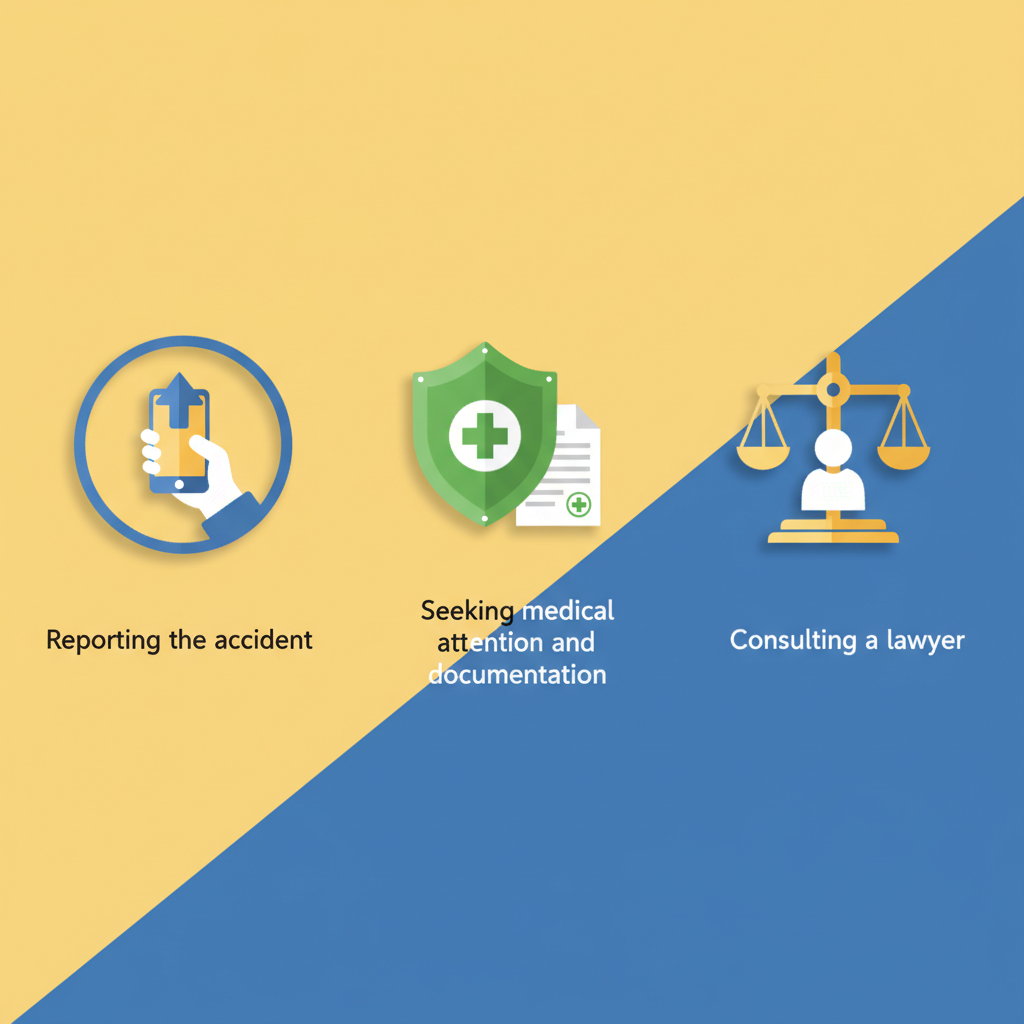
Your first priority is safety and medical care. Call 911, accept on-scene evaluation, and get a full exam the same day—even if symptoms seem minor. Prompt treatment creates a clear record and prevents insurers from arguing your injuries came later.
Document and report the incident. For crashes, request a police report, exchange driver/insurance details, and file a DMV SR-1 within 10 days if anyone was injured or property damage exceeds $1,000. For falls or injuries on property, ask management to create an incident report and request that any surveillance footage be preserved. Keep damaged items and do not repair or discard them; in product cases, preserve the product and packaging.
Gather and organize evidence:
- Photos/video of the scene, vehicles, hazards, and visible injuries
- Names/contact info for witnesses
- Medical records and bills
- Proof of lost income (pay stubs, employer letter)
- Receipts for out-of-pocket costs (meds, travel, devices)
- A daily pain and recovery journal
Notify your insurer, but avoid recorded statements or broad medical authorizations to the at-fault insurer until you’ve spoken with counsel. Don’t admit fault or speculate; California uses pure comparative negligence. Limit social media posts.
Know key deadlines. Most California accident claims for personal injury must be filed within two years of the injury. Claims against government entities often require an administrative claim within six months. Property damage claims typically have three years; medical malpractice has shorter, complex timelines. Missing these deadlines can bar Filing personal injury lawsuit entirely.
Understand your California personal injury legal options. Depending on the case, you may pursue:
- At-fault liability insurance
- Uninsured/underinsured motorist coverage
- Med-Pay benefits
- Workers’ compensation (if injured on the job) plus a third-party claim
- Premises or product liability
Before signing any release, get Accident victim legal help to safeguard your Injury compensation rights and maximize recovery. If you’re unsure what to do after accident CA, an attorney can coordinate care, evidence preservation, and negotiations.
Common Types of Personal Injury Cases
Personal injury cases in California cover a wide range of incidents where someone’s negligence or a defective product causes harm. Understanding the most common scenarios can help you identify your California personal injury legal options and protect your injury compensation rights.
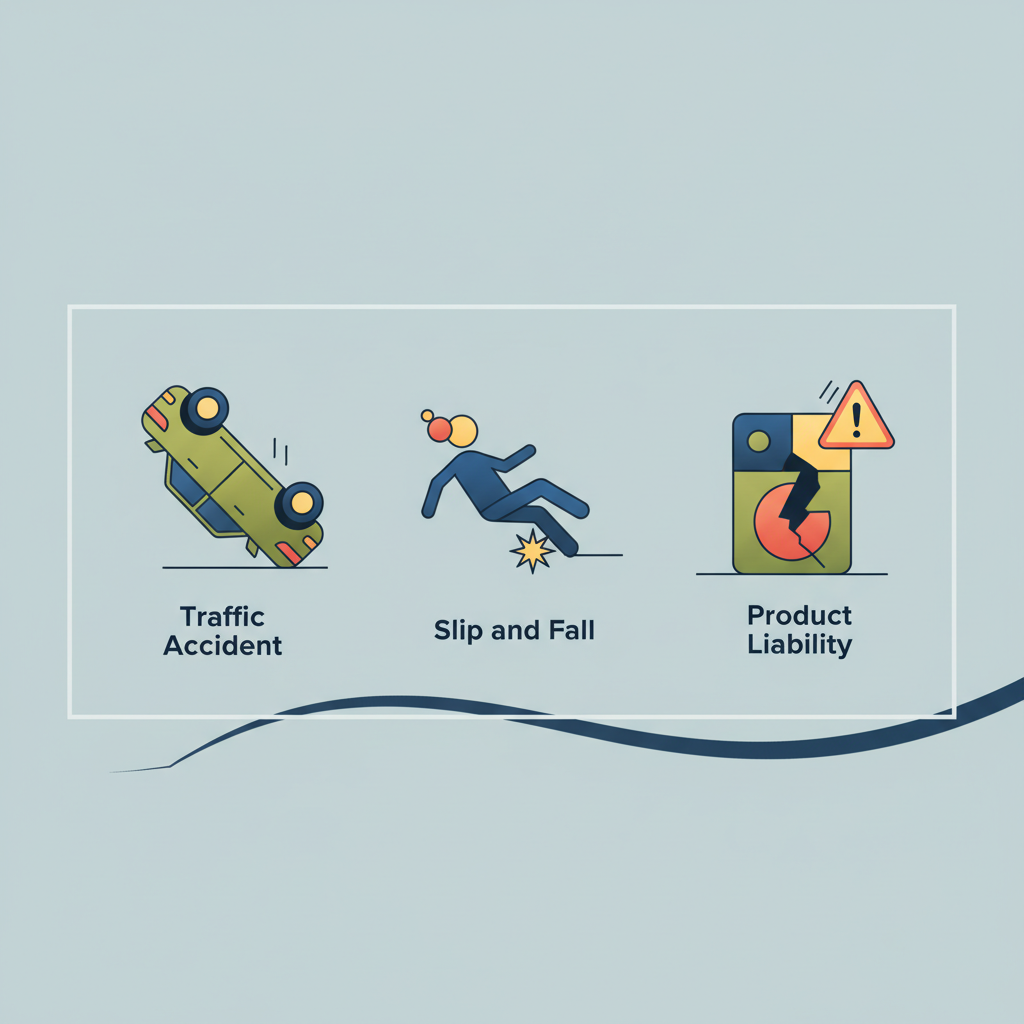
- Motor vehicle collisions: Car, motorcycle, truck, and rideshare crashes often involve disputed fault and complex insurance layers. For rideshare accidents, different coverage can apply depending on whether the app was on. Evidence like police reports, dashcam footage, vehicle data, and medical records is key. If the at-fault driver is uninsured or underinsured, your own UM/UIM coverage may help.
- Pedestrian and bicycle injuries: Crosswalk strikes, “dooring,” and unsafe turn collisions frequently cause serious trauma. California’s pure comparative negligence rules mean you may recover damages even if you’re partly at fault, though your award can be reduced. Nearby surveillance video and traffic-signal data are often decisive.
- Premises liability: Slip and falls in grocery stores, trip hazards in apartment complexes, stairway defects, and negligent security leading to assaults fall under this category. Preserving evidence early matters—request incident reports, cleaning/maintenance logs, and store video. If a dangerous condition involves public property (e.g., a broken sidewalk or government building), California accident claims against a public entity generally require a government claim within six months.
- Dog bites: California’s strict liability law typically holds owners responsible for bites occurring in public or when the victim is lawfully on private property, regardless of prior aggression. Photos of injuries, animal control reports, and vaccination records help substantiate claims.
- Product liability: Defective auto parts, e-bike or e-scooter battery fires, faulty household appliances, and unsafe medical devices can trigger claims for design, manufacturing, or warning defects. Do not repair or discard the product—preserve it for expert inspection.
- Serious injury and wrongful death: Catastrophic injury or fatal cases may involve significant economic and non-economic damages. Building these claims requires thorough documentation of income loss, medical needs, and family impact.
If negotiations stall, filing personal injury lawsuit may be the next step to maximize recovery. If you’re unsure what to do after accident CA, document the scene, get medical care, and seek accident victim legal help promptly to protect your rights and meet critical deadlines.
Proving Negligence and Establishing Liability
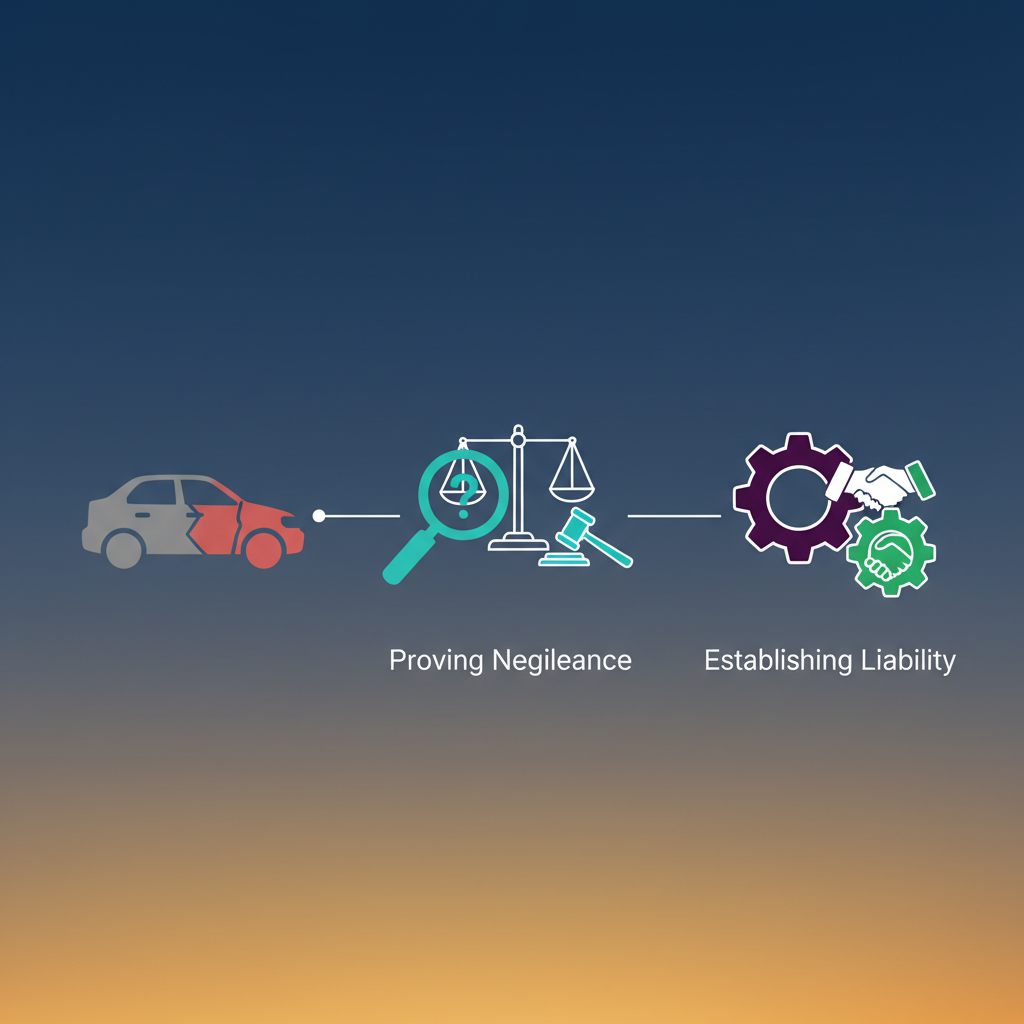
To hold another party legally responsible in California, you must prove negligence: the at-fault party owed you a duty of care, breached that duty, the breach caused your injuries, and you suffered damages. For example, a driver who texts and rear-ends you breaches the duty to operate a vehicle safely; if that crash causes a herniated disc and lost wages, liability can be established.
Strong evidence supports each element. After any crash or fall, document the scene with photos/video, seek prompt medical care, and get witness contact information. Preserve police reports, 911 audio, medical records, vehicle repair invoices, and insurance communications. In many California accident claims, attorneys also secure:
- Vehicle event data recorder (EDR) downloads and dashcam footage
- Surveillance video from nearby businesses or homes
- Cell phone metadata in suspected distracted driving cases
- Property inspection/maintenance logs in premises liability claims
- Product design files and recall history in defect cases
- Expert analyses (accident reconstruction, biomechanics, medical causation, economists)
Multiple parties may share fault. Depending on the facts, liable parties can include:
- Negligent drivers and, through respondeat superior, their employers (e.g., delivery or trucking companies)
- Rideshare drivers, with applicable app-based insurance coverage
- Property owners/tenants who knew or should have known about dangerous conditions
- Manufacturers/distributors under strict product liability for design, manufacturing, or warning defects
- Public entities for dangerous road conditions (special procedures apply)
California follows pure comparative negligence: your injury compensation rights are reduced by your percentage of fault, not eliminated. Traffic law violations can establish negligence per se. Preexisting conditions do not defeat claims; under the “eggshell plaintiff” rule, defendants are responsible for aggravating your condition.
Deadlines matter. Most personal injury suits must be filed within two years, and claims against public entities generally require an administrative claim within six months. Discussing your California personal injury legal options early helps protect evidence, meet filing requirements, and position your case for maximum recovery—whether through settlement or litigation. For accident victim legal help and guidance on filing a personal injury lawsuit, experienced counsel can make the difference.
Understanding Available Damages and Compensation
After a serious crash or fall, your recovery may include several categories of compensation. Under California personal injury legal options, you can pursue both economic and non-economic losses, and in rare cases, punitive damages.
Economic damages cover measurable costs:
- Emergency care, hospital bills, surgery, prescriptions, physical therapy, and future medical needs (e.g., injections, revision surgeries, home health aides)
- Lost wages and diminished earning capacity if injuries limit your job or career trajectory
- Property damage (vehicle repairs or total loss), transportation, and other out-of-pocket expenses
- Home or vehicle modifications and paid caregiving necessitated by disability
Non-economic damages address human losses:
- Pain, suffering, inconvenience, and loss of enjoyment of life
- Emotional distress, anxiety, PTSD, and sleep disruption
- Scarring, disfigurement, and loss of consortium
Punitive damages may be available when the defendant acted with malice, oppression, or fraud, such as an intoxicated driver causing a high-speed collision. These are meant to punish and deter, not to compensate.
California uses pure comparative negligence. If you’re found 20% at fault, your award is reduced by 20%. Insurance policy limits can also affect recovery; uninsured/underinsured motorist coverage may fill gaps in California accident claims.
Medical malpractice cases are treated differently: California caps non-economic damages in malpractice claims, with higher limits in wrongful death and scheduled increases under recent reforms. An attorney can explain how these limits intersect with your Injury compensation rights.
Liens and reimbursements can impact your net recovery. Health insurers, Medicare, and Medi-Cal may assert repayment rights; experienced counsel negotiates these to maximize what you keep.
What to do after accident CA to strengthen compensation:
- Get prompt medical evaluation and follow treatment plans
- Document expenses and missed work; keep a pain journal
- Preserve evidence (photos, witness info, damaged items)
- Avoid premature recorded statements
- Consider Filing personal injury lawsuit deadlines early
For accident victim legal help, timely case evaluation often makes a measurable difference.
The Importance of Legal Counsel
Early, experienced guidance can be the difference between a denied claim and full, fair recovery. A lawyer helps you navigate California personal injury legal options while you focus on treatment, ensuring critical evidence is preserved and deadlines are met.
After a crash or fall, insurers may request recorded statements or broad medical authorizations. Those can be used to minimize your claim. Counsel handles communications, organizes medical proof, and pushes back against low early offers that don’t reflect your Injury compensation rights.
Timing matters. In most California accident claims, you have two years from the date of injury to file. Claims against a city, county, or state agency require a government claim within six months before suit. Auto policies often have shorter deadlines for uninsured/underinsured motorist benefits. Missing these cutoffs can end your case before it begins.
An attorney builds value by documenting all damages:
- Economic losses: ER bills, surgery, physical therapy, prescriptions, lost wages, diminished earning capacity, and future care.
- Non-economic harms: pain, emotional distress, and loss of enjoyment of life.
- In rare cases, punitive damages for egregious misconduct.
California follows pure comparative negligence, so even if you’re partly at fault, you may still recover; your award is reduced by your percentage of fault. Skilled counsel challenges fault allocations using police reports, scene photos, video, EDR “black box” data, and experts such as accident reconstructionists or biomechanical engineers.
Examples:
- A rear-end collision where the insurer disputes injury severity; counsel coordinates medical specialists to link symptoms to the crash and quantifies future therapy.
- A grocery store slip on a wet aisle; subpoenas for inspection logs and surveillance establish notice and timing.
- A product failure causing burns; engineers test the device and preserve chain of custody for trial.
If you’re searching “what to do after accident CA,” a lawyer explains next steps, from treatment coordination to Filing personal injury lawsuit if negotiations stall. They also resolve health insurance, Medicare, or Medi-Cal liens so your net recovery is protected.
For accident victim legal help, a client-focused firm like Weinberger Law Firm evaluates your case, negotiates with insurers, and is ready for litigation when needed.
Navigating the Personal Injury Claim Process
After a crash or fall, the first decisions you make can shape your California accident claims. Seek medical care immediately, report the incident (police report for traffic collisions, incident report for businesses), and preserve evidence. Photos of the scene, damaged vehicles, hazards (like a spilled liquid), witness names, and your medical records become the backbone of proving liability and damages.
What to do after accident CA:
- Avoid discussing fault at the scene or on social media.
- Notify your insurer, but decline recorded statements from the other party’s insurer until you get accident victim legal help.
- Keep a symptom journal and save bills, pay stubs, and repair estimates.
A claim typically begins with an investigation and liability assessment. California follows pure comparative negligence, so even if you’re partly at fault, you may still recover compensation reduced by your percentage of fault. Weinberger Law Firm gathers police reports, 911 audio, surveillance footage, vehicle event data, and expert analyses (e.g., accident reconstruction in a T-bone collision or maintenance logs in a grocery-store slip).
Once you’re medically stable, your lawyer prepares a demand package outlining injury compensation rights, including:
- Medical expenses (past and projected), rehabilitation, and medical liens
- Lost income and diminished earning capacity
- Pain, suffering, and loss of enjoyment
- Property damage and out-of-pocket costs
Strong negotiation with insurance companies can resolve many cases. If offers fall short, filing personal injury lawsuit may be necessary. Deadlines matter: most California personal injury legal options have a two-year statute of limitations from the injury date (three years for property damage). Claims against government entities require an administrative claim within six months before suit. Uninsured/underinsured motorist disputes often proceed to arbitration under your policy.
Litigation includes filing a complaint, discovery and depositions, expert disclosures, mediation, and, if needed, trial. Throughout, Weinberger Law Firm provides clear communication, evaluates settlement versus trial value, and stays trial-ready to maximize your recovery.
When to Consider a Lawsuit
Not every claim requires going to court, but a lawsuit can protect your California personal injury legal options when settlement talks stall or your losses are substantial. Consider filing when:
- Injuries are serious or long-term. Traumatic brain injuries, fractures, spinal damage, or surgeries often exceed policy limits and require recovery for future medical care, lost earning capacity, and pain and suffering.
- Liability is disputed or you’re being unfairly blamed. California’s pure comparative negligence law reduces recovery by your percentage of fault. If an insurer overstates your fault, litigation can help allocate responsibility based on evidence.
- The insurer denies, delays, or lowballs your claim. Bad-faith tactics or offers that don’t cover medical bills, lost wages, and other damages signal it’s time to escalate.
- Multiple parties or complex facts are involved. Crashes with commercial vehicles, rideshares, or multi-car pileups, as well as premises or product defects, often require subpoenas, expert analysis, and courtroom tools to secure full accountability.
- Coverage is limited or the at-fault driver is uninsured/underinsured. You may need to pursue all responsible parties or timely demand UM/UIM arbitration under your policy.
- A government entity may be at fault. Road defects, unsafe public property, or public transit collisions trigger strict administrative deadlines.
Deadlines matter. Most California accident claims for personal injury must be filed within two years of the injury. Claims against public entities generally require a government claim within six months, with shorter timelines to sue after rejection. Property damage claims are typically three years. Medical malpractice has special rules: usually one year from discovery or three years from injury, whichever occurs first. Exceptions can apply, including for minors.
What to do after an accident in CA to preserve your injury compensation rights:
- Get medical care and follow treatment plans.
- Document everything: police report, photos, witness info, bills, wage records.
- Avoid recorded statements without counsel.
- Consult an attorney early to calculate full damages and keep all Filing personal injury lawsuit options open.
Weinberger Law Firm provides accident victim legal help by evaluating liability, preserving evidence, negotiating with insurers, and filing suit on time when it’s necessary to maximize recovery.
California Personal Injury Statute of Limitations
Time limits control when you can pursue California accident claims in court. Miss a deadline and you can lose key injury compensation rights, no matter how strong your case is. Knowing the rules helps you protect your California personal injury legal options.
Key filing deadlines in California:
- General personal injury (car, motorcycle, premises, product liability): 2 years from the date of injury. Example: If you were hurt in a crash on January 5, 2025, you generally must file by January 5, 2027.
- Wrongful death: 2 years from the date of death.
- Claims against a government entity (city, county, state, public agency): You must file an administrative claim within 6 months of the incident for injury or wrongful death. If the agency denies or rejects your claim, you typically have 6 months from the denial to file a lawsuit.
- Medical malpractice: The earlier of 1 year from when you discovered (or reasonably should have discovered) the injury, or 3 years from the date of the malpractice, with narrow exceptions (for example, a foreign object left in the body).
- Property damage only: 3 years from the date of damage.
- Minors and incapacity: For most negligence claims, the clock may be paused until the minor turns 18 or the period of incapacity ends, but special rules and exceptions apply (especially for medical malpractice and government claims).
- Uninsured/underinsured motorist claims: Insurance policies often require you to demand arbitration within 2 years of the accident; missing a policy deadline can end the claim even if the lawsuit deadline hasn’t run.
Exceptions can extend or pause deadlines (for example, if the defendant leaves the state or the injury was not immediately discoverable), but courts apply these rules narrowly. Do not assume extra time applies to your case.
What to do after an accident in CA:
- Calendar the soonest possible deadline.
- Preserve evidence and medical records.
- Start the insurance claim promptly.
- Speak with accident victim legal help early to evaluate tolling issues and filing strategy, including filing a personal injury lawsuit if negotiations stall.
Maximizing Your Compensation Potential
The value of your claim is shaped by what you do in the hours and weeks after an accident. To protect your injury compensation rights and make the most of your California personal injury legal options, focus on building clear, credible proof of all losses.
- Get prompt medical care and follow all treatment. Gaps, missed appointments, or ignoring referrals give insurers an excuse to minimize pain and suffering or argue you failed to mitigate damages.
- Preserve evidence. Photograph the scene, vehicles, hazards, and injuries. Save damaged items. Secure the police report and witness contacts. In vehicle cases, request event data recorder (black box) information and nearby surveillance before it’s overwritten.
- Track every expense and loss. Keep medical bills, prescriptions, mileage to appointments, repair/replacement costs, and invoices for home help. Document missed work, reduced hours, PTO used, and obtain employer verification of wage loss.
- Identify all liable parties and coverages. California accident claims may involve drivers, employers, property owners, product manufacturers, or public entities. Review liability, med-pay, and UM/UIM policies; address health insurance and lien rights early.
- Protect your claim. Do not give a recorded statement or broad medical authorization to the at‑fault insurer. Avoid social media posts about the crash or activities that could be misconstrued.
- Understand fault and damages. California’s pure comparative negligence reduces recovery by your share of fault, so counter blame with photos, measurements, and expert reconstruction. Consider future medical needs, diminished earning capacity, and life-care plans supported by treating physicians, economists, and vocational experts.
- Watch deadlines. Most injury claims have a two-year statute of limitations. Claims against government entities require an administrative claim within six months before filing a lawsuit. Medical malpractice has separate limits (generally one year from discovery, no more than three years from injury).
Strong negotiation starts with a comprehensive demand package that ties evidence to each element of damages and is backed by litigation readiness. For accident victim legal help—from What to do after accident CA to filing a personal injury lawsuit—experienced counsel like Weinberger Law Firm builds leverage with thorough case evaluation and a clear trial plan to maximize compensation.
Call to Action
Contact us today for a Free Case Consultation!