

Losing a loved one due to someone else’s negligence is an overwhelming experience. Navigating the legal landscape of wrongful death claims can be challenging, but having knowledgeable support can help ensure your rights are protected. In Hope Ranch, California, families affected by wrongful death find compassionate guidance and clear information to understand their options and seek justice.
This guide provides an overview of wrongful death claims, explaining key legal concepts, the benefits of pursuing a claim, and how a dedicated wrongful death attorney can assist you throughout the process. Our goal is to empower families with knowledge and support during difficult times.
Filing a wrongful death claim helps families hold responsible parties accountable and recover damages to cover medical bills, funeral expenses, lost income, and emotional suffering. Taking legal action can provide financial support and bring a sense of closure, helping families move forward while honoring their loved one’s memory.
At The Weinberger Law Firm, we understand the profound impact wrongful death has on families in Hope Ranch and throughout California. Our personal injury law firm has a history of supporting clients through sensitive cases, providing attentive, personalized service and thorough legal representation to pursue the best possible outcomes.
Wrongful death claims arise when a person dies due to the negligence or misconduct of another party. California law allows eligible family members to seek compensation for their loss. The process involves proving liability, calculating damages, and navigating complex legal procedures to secure justice on behalf of the deceased.
These claims are distinct from criminal cases, focusing on civil remedies rather than punishment. Pursuing a wrongful death case requires careful attention to evidence and deadlines, making knowledgeable legal support essential to protect your family’s interests.
A wrongful death claim is a legal action brought against individuals or entities responsible for causing a fatal injury through negligence or intentional acts. It provides surviving family members the opportunity to seek compensation for losses such as lost income, emotional distress, and funeral costs. These claims help ensure accountability and support families facing unexpected hardship.
Successful wrongful death claims involve establishing duty of care, breach of that duty, causation, and damages. Gathering evidence, consulting with experts, and negotiating with insurance companies are important steps. The process may include settlement discussions or trial proceedings, tailored to each case’s unique circumstances.
Understanding common legal terms helps families better navigate wrongful death claims. Below are explanations of key concepts frequently encountered during the process.
The plaintiff is the person or party who initiates the wrongful death lawsuit, typically a family member seeking compensation for their loss.
Damages refer to the monetary compensation sought in a wrongful death case, including financial losses and non-economic impacts such as pain and suffering.
The defendant is the individual or entity alleged to be responsible for causing the wrongful death through negligence or intentional harm.
This is the legal deadline by which a wrongful death claim must be filed. Missing this deadline can result in losing the right to pursue compensation.
Families can choose between pursuing a limited claim focused on specific damages or a comprehensive approach that seeks full compensation for all losses. Understanding the benefits and limitations of each approach helps determine the best course of action based on individual circumstances.
In cases where the financial impact is limited or straightforward, a focused claim targeting specific damages like funeral expenses may be sufficient to address the family’s immediate needs.
Some families may prefer a streamlined legal process to resolve matters quickly without engaging in prolonged litigation, making a limited approach more suitable.
A comprehensive claim aims to recover all damages related to the wrongful death, including lost future income and emotional suffering, offering greater financial security for surviving family members.
When cases involve multiple parties or complicated liability issues, a thorough legal approach ensures all factors are considered and properly addressed.
Opting for a comprehensive legal claim provides families with the opportunity to recover compensation for the full scope of their losses. This approach supports financial stability and recognizes the emotional and economic impact of losing a loved one.
Comprehensive claims also facilitate thorough investigation and negotiation, increasing the likelihood of a favorable outcome and ensuring that all responsible parties are held accountable.
Families pursuing a full claim can recover damages for medical bills, lost income, funeral costs, and other related expenses, helping to offset the financial burden caused by the wrongful death.
Taking comprehensive legal action can provide a sense of justice and closure for families by holding negligent parties responsible and validating the significance of their loss.

Gather all medical records, accident reports, and correspondence related to the wrongful death as soon as possible. Keeping detailed records can strengthen your case and help legal representatives build a clear narrative.
Choose a legal team that understands the sensitive nature of wrongful death cases and will provide clear communication, empathy, and dedicated representation throughout the process.
Legal guidance ensures your family’s rights are protected and helps navigate complex procedures, increasing the chance of securing fair compensation. An attorney can handle negotiations, paperwork, and court representation, easing the burden during a difficult time.
Experienced legal support can identify all possible damages and hold accountable those responsible, ensuring your family receives the full benefits allowed under California law.
Wrongful death claims often arise from incidents such as car accidents, workplace injuries, medical malpractice, defective products, or other negligence resulting in fatal injuries. Each scenario requires careful legal evaluation to pursue appropriate remedies.
Fatal crashes involving cars, motorcycles, trucks, or buses are a leading cause of wrongful death claims. Determining fault and seeking damages can provide financial support for surviving family members.
Errors or negligence by healthcare providers that result in patient death can be grounds for wrongful death lawsuits, helping families recover damages related to medical expenses and loss of care.
Deaths caused by unsafe products or hazardous property conditions may be compensable under wrongful death claims, holding manufacturers or property owners responsible for negligence.
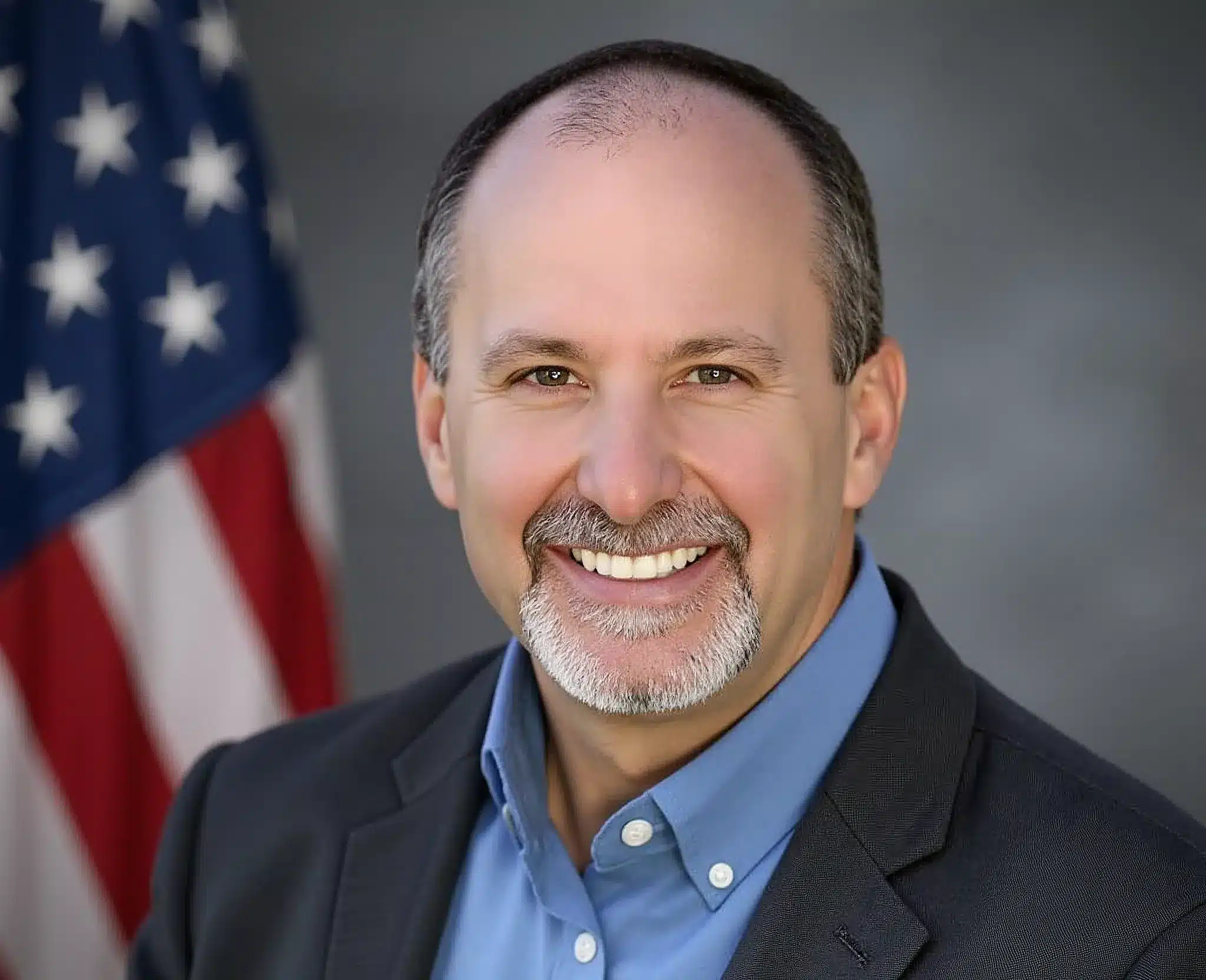
Our firm brings extensive experience in personal injury and wrongful death law across California, including Hope Ranch. We prioritize personalized attention and work diligently to secure the best possible results for your family.
We handle all aspects of wrongful death claims, from investigation to negotiation and trial preparation, ensuring thorough and effective representation tailored to your unique situation.
Our commitment is to support you with respect and understanding, helping to alleviate the legal burdens so you can focus on healing and recovery.
At The Weinberger Law Firm, we follow a structured process to ensure comprehensive support and effective legal advocacy. This includes case evaluation, evidence collection, client communication, negotiation, and, if necessary, trial representation.
We begin by reviewing the facts of your case, understanding your family’s needs, and explaining the legal options available to you.
Collecting medical records, accident reports, and witness statements helps build a strong foundation for your claim.
We take time to understand your expectations and priorities to tailor the approach accordingly.
Our team analyzes the evidence, identifies liable parties, and plans the best course to achieve fair compensation.
We engage with insurers to seek a settlement that reflects the full value of your claim.
If negotiations stall, we prepare to present your case effectively in court.
Our aim is to resolve your case efficiently, whether through settlement or trial, always prioritizing your family’s best interests.
We carefully review and negotiate settlements to ensure they are fair and comprehensive.
If necessary, we provide strong courtroom advocacy to pursue the justice your family deserves.
A wrongful death claim is a civil lawsuit filed when a person dies due to the negligence or intentional act of another. It allows surviving family members to seek compensation for their loss. The claim focuses on recovering damages related to financial losses, emotional suffering, and other impacts caused by the death. Such claims differ from criminal prosecutions, as they are intended to provide financial remedy rather than punish the responsible party.
In California, eligible family members such as spouses, children, and sometimes parents can file a wrongful death lawsuit. The law defines who has the right to bring a claim to ensure that those most affected by the death can seek justice and compensation. It’s important to consult with a legal professional to understand your eligibility and the specific requirements for filing.
The statute of limitations for wrongful death claims in California generally requires filing within two years from the date of death. Meeting this deadline is critical to preserving your right to pursue compensation. Delays in filing can lead to dismissal of the case, so it is advisable to seek legal assistance promptly to ensure all deadlines are met.
Damages in wrongful death cases may include compensation for medical expenses prior to death, funeral and burial costs, lost income and benefits, loss of companionship, and emotional distress. Calculating these damages involves evaluating both economic and non-economic losses to provide fair and comprehensive compensation for the family.
Fault is determined by establishing that the defendant owed a duty of care, breached that duty, and caused the death as a direct result. Evidence such as accident reports, witness testimony, and expert opinions help establish liability. Proving fault can be complex, often requiring thorough investigation and legal analysis to build a strong case.
Many wrongful death cases resolve through settlement negotiations, which can be quicker and less stressful for families. However, if a fair agreement cannot be reached, the case may proceed to trial for a judge or jury to decide. Your legal team will guide you through both options and recommend the best path based on the specifics of your case.
Most wrongful death attorneys work on a contingency fee basis, meaning you pay no upfront costs and fees are only collected if the case is successful. This arrangement helps make legal representation accessible during difficult times. Discussing fee structures early ensures transparency and helps you understand any potential costs involved.
Supporting evidence may include medical records, police reports, eyewitness statements, photographs, and expert testimony. This information is crucial to proving liability and the extent of damages. Gathering comprehensive evidence strengthens your claim and improves the chances of a favorable outcome.
Yes, wrongful death claims can be filed for deaths caused by accidents if negligence or misconduct contributed to the fatal injury. The key is demonstrating that the defendant’s actions or inactions were responsible. Accidental deaths often involve detailed investigation to establish the circumstances and liability.
The length of a wrongful death claim varies based on case complexity, evidence gathering, negotiations, and potential trial proceedings. Some cases resolve in months, while others may take years. Your legal team will keep you informed throughout the process and work diligently to achieve resolution as efficiently as possible.
Experienced attorneys fighting for maximum compensation
"*" indicates required fields