

If you have been injured on someone else’s property due to unsafe conditions, understanding premises liability law is essential. Premises liability covers cases where property owners may be held responsible for injuries that occur on their premises. Whether it’s a slip and fall, inadequate security, or dangerous conditions, the legal framework helps ensure injured parties receive fair compensation. Our focus is on helping residents in Monrovia, California navigate these complex legal matters with confidence.
Premises liability claims require a clear understanding of property owner responsibilities and the rights of those injured. In Monrovia and throughout California, property owners must maintain safe environments for visitors. When negligence results in harm, affected individuals have legal options to seek damages. This page outlines key aspects of premises liability law and how it applies specifically to the Monrovia community, providing valuable insight for anyone facing such circumstances.
Navigating premises liability claims can be challenging without proper guidance. Understanding the importance of this area of law helps injured individuals protect their rights and pursue appropriate compensation. It addresses the responsibility property owners have to maintain safe conditions and the legal recourse available when those duties are breached. For Monrovia residents, having access to knowledgeable legal resources ensures that claims are handled efficiently and fairly, reducing stress during difficult times.
At The Weinberger Law Firm, we dedicate ourselves to representing individuals injured on premises throughout California, including the Monrovia area. With extensive experience handling personal injury cases, our team provides attentive and thorough legal support. We understand the local legal landscape and work diligently to hold negligent parties accountable. Our approach emphasizes clear communication and personalized attention to each case, ensuring clients feel supported throughout the process.
Premises liability law holds property owners accountable when unsafe conditions cause injury to visitors. This area of law covers various situations such as slips, trips, falls, inadequate maintenance, and security failures. In Monrovia, property owners are legally required to keep their premises reasonably safe for those legally on the property. Understanding the standards and obligations involved is critical to pursuing a successful claim and ensuring that injured parties receive just compensation.
Claims under premises liability often require establishing negligence, the existence of the hazardous condition, and a direct link between that condition and the injury. These claims can involve complex legal and factual issues, including gathering evidence and demonstrating the property owner’s failure to address dangerous conditions. Residents of Monrovia seeking to file a premises liability claim should be aware of these factors and how they affect the potential outcome of their case.
Premises liability refers to the legal responsibility of property owners and occupiers to ensure their property is safe for visitors. This includes public spaces, businesses, and private residences. When unsafe conditions or negligent maintenance lead to injury, the injured party may have the right to seek compensation. California law outlines specific duties based on the visitor’s status, such as invitee, licensee, or trespasser, influencing the property owner’s obligations and liability.
Successful premises liability claims generally require proving that the property owner owed a duty of care, breached that duty, and caused the injury as a result. Evidence such as photographs, witness statements, and incident reports play a vital role in establishing these elements. The legal process often involves negotiations, settlement discussions, or litigation to achieve fair compensation for medical bills, lost wages, and pain and suffering.
Familiarity with key legal terms helps clarify the claims process and what injured parties can expect. Understanding terminology related to negligence, duty of care, invitees, and comparative fault can assist in making informed decisions. Below are definitions of some commonly encountered terms in premises liability law.
Duty of care refers to the legal obligation property owners have to maintain a safe environment for visitors. This duty varies depending on the visitor’s status but generally requires owners to address known hazards and warn of potential dangers.
Comparative fault is a legal principle that assigns responsibility for an injury proportionally between parties based on their degree of fault. In premises liability cases, an injured party’s compensation may be reduced if they are found partly responsible for the accident.
Negligence is the failure to exercise reasonable care to prevent harm. In premises liability, it involves a property owner’s failure to maintain safe conditions or provide adequate warnings about hazards.
An invitee is a person who enters a property for business purposes or with the owner’s express or implied permission. Property owners owe invitees a high duty of care to keep the premises safe.
When pursuing a premises liability claim, injured individuals may consider different approaches, from informal negotiations to full litigation. Each option has benefits and considerations depending on the case’s complexity and the willingness of the parties to cooperate. Evaluating these options carefully can help clients choose the most appropriate path to resolving their claim efficiently.
In cases involving minor injuries and undisputed property owner fault, pursuing a limited legal approach such as direct settlement negotiations may be sufficient. This can lead to quicker resolutions without the need for complex litigation, saving time and legal expenses.
If both parties are open to resolving the matter amicably, engaging in mediation or informal discussions can provide an effective and less adversarial solution. This approach often preserves relationships and expedites compensation.
When liability is contested or injuries are severe, a thorough legal approach including investigation, evidence gathering, and litigation may be necessary to protect client interests fully and pursue maximum compensation.
Claims involving multiple defendants or insurance complications often require extensive legal expertise to navigate negotiations and court proceedings effectively, ensuring clients receive fair treatment.
A comprehensive approach to premises liability claims ensures that all aspects of the case are addressed, including medical evaluations, liability analysis, and negotiation strategies. This increases the likelihood of achieving favorable outcomes and adequate compensation for injuries and losses.
By investing in detailed case preparation and legal advocacy, injured parties can avoid common pitfalls and strengthen their claims. This approach also provides peace of mind knowing that every legal avenue is explored on behalf of the client.
Thorough case preparation often leads to higher settlements or verdicts by presenting clear evidence of damages and liability. This ensures injured parties are compensated fairly for medical expenses, lost income, and pain and suffering.
Comprehensive legal service means clients receive consistent support from initial consultation through resolution. This includes managing deadlines, handling negotiations, and representing clients in court if necessary.

Collect detailed information at the scene including photographs of the hazard, witness contact details, and a written account of the accident. This evidence is critical in supporting your claim and establishing liability.
Early legal guidance can clarify your rights and help plan the best course of action. A knowledgeable attorney can assist in evidence gathering, communication with insurers, and protecting your legal interests.
Injuries caused by unsafe property conditions can have lasting impacts on your health and finances. Legal assistance ensures that you understand your options and that responsible parties are held accountable. This support is vital in securing compensation for medical bills, lost wages, and other damages.
Additionally, pursuing a claim can contribute to improved safety standards in the community by encouraging property owners to maintain safer environments. Taking legal action not only benefits you but helps prevent future accidents.
Premises liability claims often arise from situations such as slip and fall accidents, inadequate security leading to assault, poorly maintained walkways, or hazardous conditions like exposed wiring. Understanding these common causes helps victims identify when legal action may be appropriate.
Slippery floors, uneven surfaces, or debris left unattended can cause serious slip and fall injuries. Property owners are obligated to address these hazards to prevent harm to visitors.
When property owners fail to provide adequate security, visitors may be exposed to criminal acts resulting in injury. Claims may arise if negligence in security contributed to the harm.
Broken stairs, defective railings, or unstable flooring are examples of structural issues that can lead to accidents. Owners must maintain these elements to ensure visitor safety.
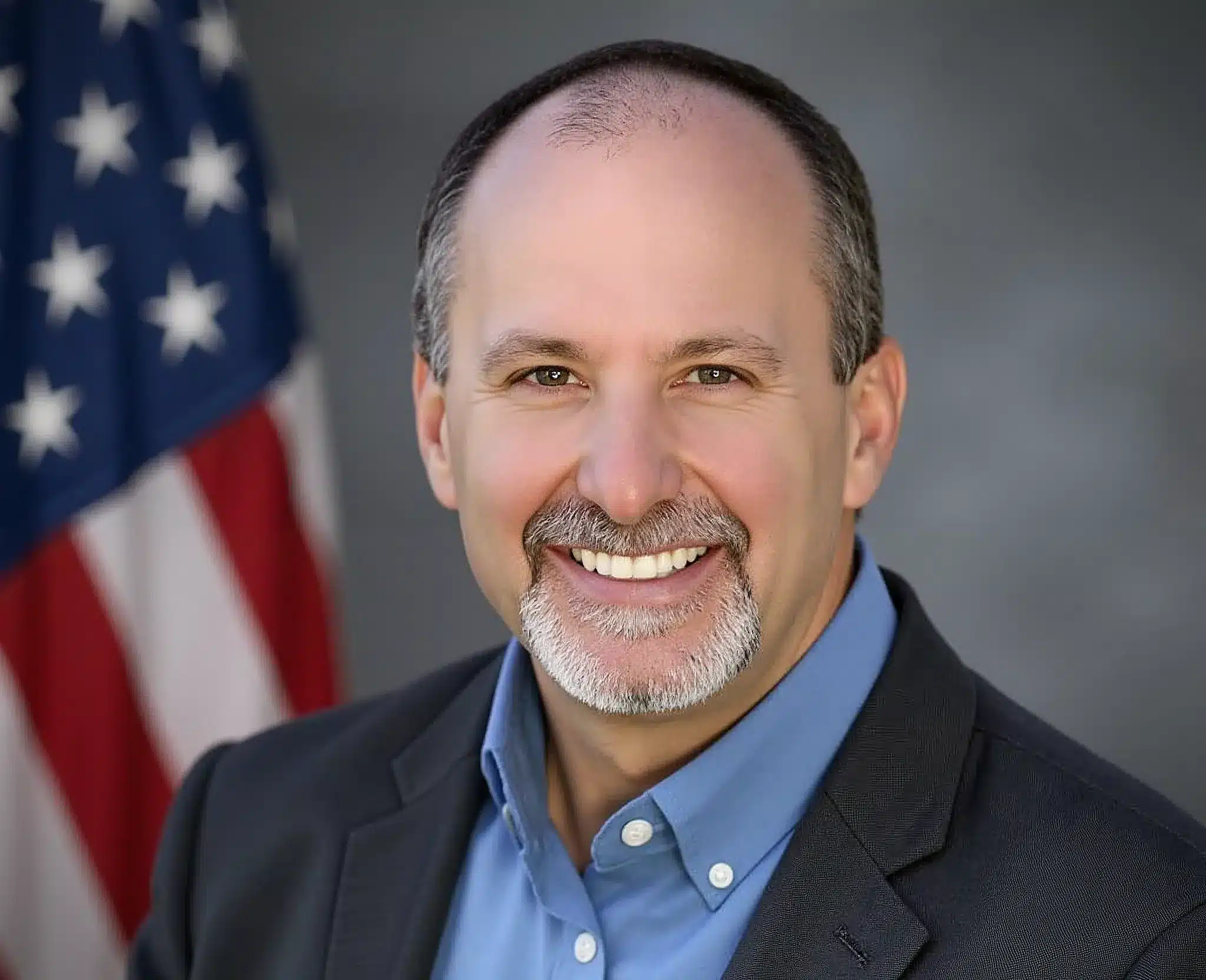
Our team brings a strong record of advocating for personal injury clients in California, including premises liability matters. We focus on personalized service to address the unique details of every case.
We prioritize clear communication and transparency, ensuring you understand each step of the legal process and feel confident in the decisions made.
Our dedication to thorough investigation and assertive representation helps maximize potential recoveries for injured clients while minimizing stress and uncertainty.
Our approach starts with a detailed case evaluation to understand the circumstances of your injury. We then develop a tailored strategy to investigate liability, gather evidence, and negotiate with insurance companies. If necessary, we are prepared to advocate aggressively in court to protect your rights.
We begin by collecting all available information surrounding the incident, including photographs, medical records, witness statements, and police reports. This foundation is essential for building a strong claim.
During the initial consultation, we listen carefully to your account, document key facts, and advise on immediate steps to protect your interests.
Where possible, we conduct a thorough inspection of the accident site to identify hazards and gather evidence that supports liability claims.
With evidence in hand, we engage with insurance companies and opposing parties to negotiate fair compensation. We aim to resolve claims efficiently while protecting your rights.
A detailed demand letter outlining your injuries, damages, and liability is drafted to support settlement negotiations.
If appropriate, we pursue mediation to reach an agreement without the need for formal litigation, saving time and expense.
If negotiations fail, we are fully prepared to take your case to court. We provide strong representation throughout the litigation process to advocate effectively for your interests.
We initiate formal legal action by filing a complaint and engage in discovery to obtain evidence from the opposing party.
Our team meticulously prepares for trial, presenting your case clearly and persuasively to achieve the best possible outcome.
Premises liability cases typically include accidents caused by hazardous conditions such as slips, trips, and falls; inadequate lighting; defective stairs; or lack of proper security. Injuries occurring on residential, commercial, or public property may qualify if negligence can be established. Each case depends on specific facts and the legal duties owed by the property owner. It is important to consult legal guidance to understand the applicability of premises liability in your situation. Additionally, premises liability covers a broad range of incidents where unsafe property conditions lead to injury, including exposure to dangerous animals or toxic substances. The key factor is whether the property owner failed to maintain a reasonably safe environment.
In California, the statute of limitations for filing a premises liability claim is generally two years from the date of injury. It is crucial to act promptly to preserve your legal rights and avoid missing important deadlines. Early consultation with legal counsel can help ensure timely filing and proper case preparation. There are exceptions and variations depending on the circumstances, such as claims against government entities, which may have shorter notice periods. Understanding these timelines protects your ability to seek compensation effectively. Timely action also allows for better evidence preservation and witness testimony, which are critical to building a strong case.
California follows a comparative fault system, which means that you can still recover damages even if you share some responsibility for the accident. However, your compensation will be reduced by your percentage of fault. For example, if you are found 30% responsible, your damages award will be lowered by that amount. It is important to accurately assess and present your role in the incident to minimize liability. Consulting with a legal professional can help you understand how comparative fault applies to your case. This system encourages fair apportionment of responsibility and ensures that injured parties receive compensation reflecting their degree of fault.
Compensation in premises liability claims can cover a variety of damages including medical expenses, lost wages, pain and suffering, and sometimes punitive damages if gross negligence is involved. The exact amount depends on factors such as injury severity, impact on quality of life, and financial losses incurred. Legal representation can help in accurately calculating and pursuing all appropriate damages. It is also possible to recover damages for emotional distress and future medical care costs if supported by evidence. Understanding the full scope of compensable damages helps ensure fair restitution for injury victims.
You generally need to show that the property owner knew or should have known about the hazardous condition and failed to take reasonable steps to fix it or warn visitors. This knowledge can be established through evidence such as repair records, witness statements, or previous complaints. Proving owner awareness helps demonstrate negligence. However, liability may also arise from conditions that existed long enough for the owner to discover them with reasonable care. Gathering sufficient evidence on the owner’s knowledge is a key part of building a successful claim.
Many premises liability attorneys work on a contingency fee basis, meaning you pay no upfront costs and attorneys receive payment only if you win your case. This arrangement makes legal representation accessible regardless of financial resources. It is important to discuss fee structures and any potential additional costs during your initial consultation. Clear understanding of fees helps avoid surprises and ensures focused representation. Contingency fees motivate attorneys to achieve the best possible results for their clients while minimizing financial risk.
Immediately after an injury on someone else’s property, seek medical attention to address your health and document injuries. Report the incident to the property owner or manager and request an accident report if available. Collect contact information from witnesses and take photographs of the hazardous condition and the scene. These steps help preserve evidence essential to your claim. Prompt action also supports your recovery and legal rights. Avoid discussing fault or making statements that could be misinterpreted until you have consulted legal counsel.
Yes, many premises liability claims are resolved through settlement without going to court. Settlement negotiations can be faster and less stressful, providing compensation without lengthy litigation. Your attorney can negotiate on your behalf to reach a fair agreement. However, if a satisfactory settlement cannot be reached, pursuing litigation remains an option. Settling allows for more control over the outcome and often preserves confidentiality. Evaluating the benefits and risks of settlement versus trial is an important part of case strategy.
The timeline for a premises liability claim varies depending on case complexity, cooperation of parties, and court schedules. Some claims settle within months, while others may take a year or more if litigation is necessary. Early preparation and prompt action can help expedite the process. Your attorney will keep you informed about expected timelines and progress. Understanding these factors helps manage expectations and plan accordingly. Patience and persistence are often required to secure fair compensation.
Claims involving government-owned property are subject to specific rules and often require filing a notice of claim within a shorter time frame, typically six months. These procedural requirements are strictly enforced and failure to comply can bar your claim. Consulting with a knowledgeable attorney promptly is essential to navigate these unique rules. Government claims also involve different liability standards that can affect case outcomes. Understanding and adhering to these legal requirements is critical to pursuing compensation for injuries on public property.
Experienced attorneys fighting for maximum compensation
"*" indicates required fields