Immediate Steps After an Injury
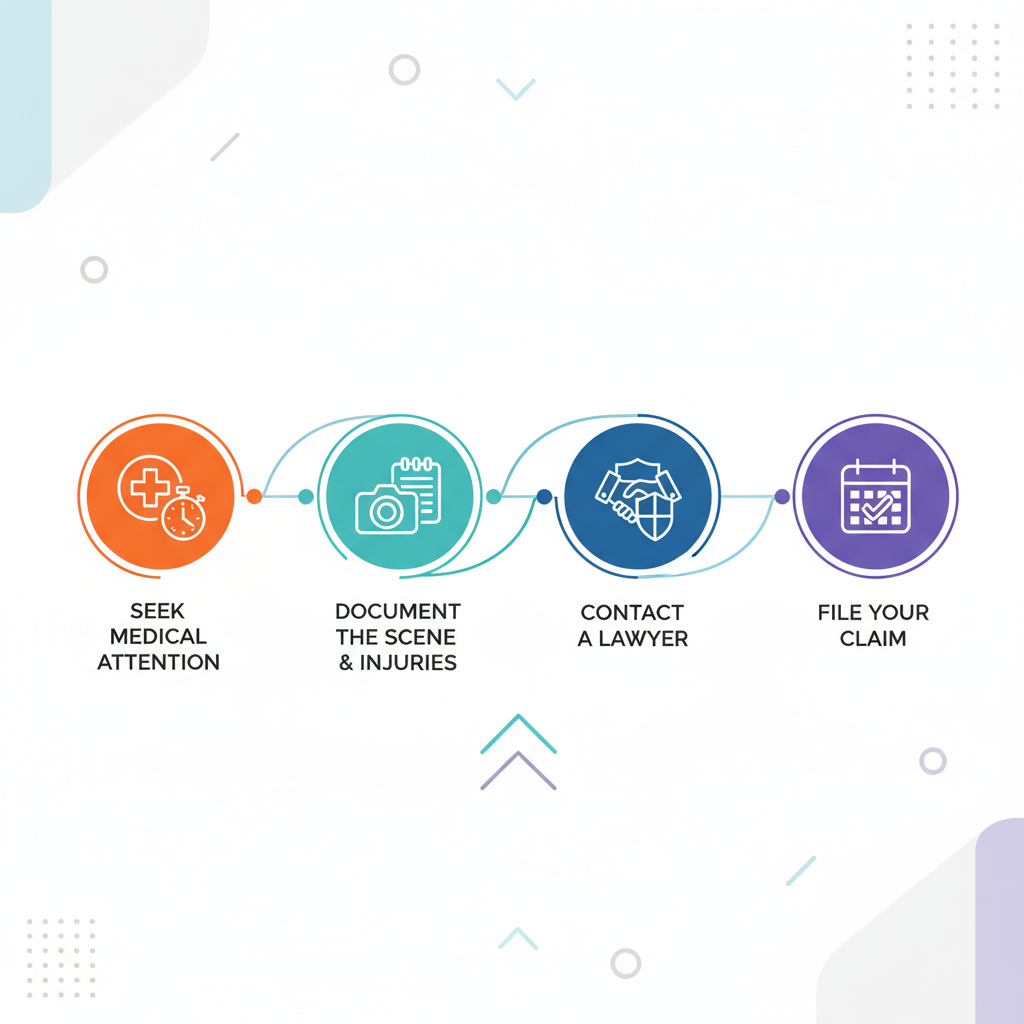
Prioritize safety and medical care. Call 911, move to a safe location, and accept on-scene care. Even if you feel “fine,” get a medical evaluation within 24–48 hours. Early diagnosis links injuries to the incident and creates the medical records your claim will rely on. Follow treatment plans; gaps or missed appointments can undermine your case.
Report the incident promptly. For traffic collisions in California, request a police report number at the scene. If no officer responds, you must report the crash to CHP or local police within 24 hours when injuries are involved (Vehicle Code 20008). You must also file DMV Form SR-1 within 10 days if anyone was injured or property damage exceeds $1,000.
Document everything. At the scene, collect:
- Photos/video of vehicles, hazards, lighting, weather, and visible injuries
- Names, contact info, and insurance for all parties
- Witness names and statements
- For premises incidents, notify the manager and request an incident report; photograph the hazard and preserve the shoes/clothing you wore
- For product injuries, stop using the item and keep the product, packaging, and receipts intact
Avoid discussing fault. Do not apologize or speculate about what happened. Limit conversations to exchanging information. Decline recorded statements to the other side’s insurer until you’ve spoken with counsel.
Preserve and organize evidence:
- All medical records, bills, prescriptions, mileage to appointments
- Pay stubs, W-2s, and employer notes verifying missed time and duties
- Repair estimates and photos for property damage
- Any dashcam or surveillance footage; ask nearby businesses to preserve video
- A daily journal of pain levels, sleep issues, activities you can’t do, and emotional effects
Notify your own insurer promptly as required by your policy. Understanding how personal injury claims work starts with these early steps; they shape the accident claim procedure California uses, the steps to file personal injury documentation, and the personal injury lawsuit timeline if litigation becomes necessary.
Contact an experienced California personal injury attorney as soon as possible. Early legal guidance helps protect evidence, manage insurer communications, identify all liable parties (including government entities with 6-month claim deadlines), and keep your california personal injury process on track.
Initial Legal Consultation
Your first meeting sets the strategy for the entire california personal injury process. At Weinberger Law Firm, this consultation clarifies what happens after personal injury, the likely timeline, and your role in building a strong claim.
We review the facts: how the incident occurred, who may be liable, the full scope of your injuries, your medical treatment to date, and insurance coverages. For example, we’ll approach a rear-end crash at a Sacramento stoplight differently than a grocery store slip-and-fall or a motorcycle lane-splitting collision, because liability and evidence needs vary.
Bring as much documentation as you can:
- Police or incident reports
- Photos/video of the scene, vehicles, and injuries
- Medical records and bills; discharge summaries; treatment plans
- Health insurance, auto insurance (including Med-Pay), and policy details
- Proof of lost income (pay stubs, employer letter, tax returns if self-employed)
- Witness names and contact information
- Any communications from insurers
We conduct a legal assessment focused on duty, breach, causation, and damages, and discuss California’s pure comparative negligence (your compensation can be reduced by your percentage of fault). We also flag deadlines: generally two years from the injury to file a lawsuit, and a six‑month administrative claim window if a government entity is involved. Exceptions may apply under the discovery rule.
Expect a candid conversation about potential damages—medical costs, future care, lost wages/earning capacity, and pain and suffering. We don’t use “quick calculators”; instead, we ground value in your records, prognosis, and how the injury impacts daily life. Property damage may proceed on a parallel track.
We explain fees and next steps. Most cases are handled on contingency, with no upfront attorney fees. You’ll review a written agreement, sign medical authorizations, and set communication preferences so you receive timely updates.
Immediate action items often include:
- Preserving evidence (vehicle downloads, store surveillance, product preservation)
- Coordinating medical care and documenting symptoms
- Notifying insurers and issuing letters of representation
- Preventing harmful statements—decline recorded calls until we’re present
- Addressing liens and subrogation early
Finally, we outline the personal injury lawsuit timeline: investigation and medical stabilization, a demand package and negotiations, and—if needed—filing suit before the deadline, followed by discovery, mediation, and, if unresolved, trial. This roadmap explains how personal injury claims work and the accident claim procedure in California, and we walk you through the steps to file personal injury paperwork at every stage.
Case Investigation and Evidence Collection
In the California personal injury process, the foundation of your claim is built during investigation and evidence collection. This phase starts immediately, often while you’re still receiving medical care, and it shapes both negotiations and any litigation that may follow.
First priorities include documenting injuries and the incident. Seek medical treatment right away and keep every record. Report the accident to the appropriate authority (police, property manager, or employer), and photograph the scene, vehicles, hazards, and visible injuries as soon as possible.

A thorough investigation typically assembles:
- Official reports: Police collision reports, incident reports, Cal/OSHA records if applicable.
- Scene evidence: Photos, measurements, skid marks, debris, lighting, weather, warning signs, and maintenance logs.
- Digital data: 911 audio, dashcam footage, surveillance video (often overwritten in 7–30 days), vehicle event data recorder (“black box”) downloads, and in some cases cell phone records to assess distraction.
- Witness statements: Names, contact information, recorded recollections taken early while memories are fresh.
- Medical proof: ER records, diagnostic imaging, treatment notes, specialist opinions, and documentation of prognosis and limitations.
- Damages documentation: Medical bills, pharmacy receipts, mileage to appointments, pay stubs, employer letters on missed work, and benefits impacts.
- Personal documentation: A pain and recovery journal and periodic photos of healing and scarring.
Prompt preservation is critical. Your attorney can send evidence preservation (spoliation) letters to at‑fault parties, businesses, and insurers to secure video, vehicle data, and maintenance records. Do not repair or dispose of vehicles, defective products, footwear, or broken items until they are inspected.
When needed, experts strengthen causation and damages: accident reconstructionists, biomechanical engineers, human factors specialists, treating physicians, life care planners, and economists.
This groundwork clarifies how personal injury claims work, informs the demand package to the insurer, and positions your case on the personal injury lawsuit timeline if settlement talks stall. As part of the accident claim procedure California requires, avoid social media posts about the incident, attend all medical appointments, and save every receipt. These disciplined steps to file personal injury claims ensure what happens after personal injury is guided by evidence—and maximizes your recovery potential.
Filing the Personal Injury Claim
Filing starts before court. In the california personal injury process, most cases begin with an insurance claim, not a lawsuit. You’ll open claims with every potentially responsible party’s insurer (for example, the at‑fault driver’s auto carrier or a store’s liability insurer in a slip‑and‑fall). If a government entity is involved, California’s Government Claims Act requires a written claim within six months of the incident—miss this and your rights may be limited.
Practical steps to file personal injury claims and position your case for resolution:
- Identify all liable parties and insurance policies. In a multi‑car crash, there may be several bodily injury policies and an underinsured motorist claim.
- Notify insurers promptly. Provide basic facts only. Decline recorded statements until you’ve spoken with counsel.
- Document your losses. Collect medical records and bills, wage documentation, repair estimates, photos, police reports, and witness contacts.
- Send a demand package. Summarize liability, medical treatment, future care needs, lost income, and pain and suffering, with supporting evidence and a settlement number.
Under California’s Fair Claims Settlement Practices Regulations, insurers must:
- Acknowledge your claim within 15 days.
- Decide to accept or deny within 40 days after receiving proof of claim, or send written updates every 30 days if more time is needed.
Example: After a rear‑end collision, you might submit the traffic collision report, ER records, physical therapy bills, employer verification of missed work, and photos of bumper damage, then demand settlement within policy limits.
If negotiations stall or the policy limits won’t cover your damages, the next step in the accident claim procedure California is filing a lawsuit. The general statute of limitations is two years from the injury (shorter deadlines apply to government claims and some medical cases). Filing means:
- Drafting a complaint that alleges negligence and lists your damages.
- Filing in the correct California county and paying the fee (or requesting a fee waiver).
- Serving the summons and complaint—defendants typically have 30 days to respond.
What happens after personal injury cases are filed follows a standard personal injury lawsuit timeline: discovery (exchange of evidence and depositions), potential medical examinations, settlement conferences or mediation, and, if needed, trial. This is how personal injury claims work from claim to court when settlement isn’t reached.
Negotiation with Insurance Adjusters
Once the claim is opened, the adjuster’s job is to limit the insurer’s payout. Your job is to present clear proof of liability and fully documented losses. Understanding how personal injury claims work at this stage is critical in the California personal injury process.
Start with a structured demand package:
- Liability: police report, photos/video, witness statements, incident reports for premises cases.
- Injuries and treatment: medical records, itemized bills, prognosis, and future care estimates from your providers.
- Economic losses: pay stubs, employer verification of missed time, mileage, out-of-pocket costs, and property damage.
- Non-economic harm: daily impact statements and corroboration from family or coworkers.
Expect common adjuster tactics:
- Quick, low initial offers before full treatment concludes.
- Broad medical authorizations seeking unrelated history.
- Requests for recorded statements that can be used to minimize your claim.
- Disputes over causation or “gaps in treatment.”
Smart responses:
- Decline recorded statements and broad authorizations; provide tailored records and a written statement.
- Wait to negotiate until injuries stabilize or a treating doctor can forecast future needs.
- Tie every dollar you request to evidence, including liens and future medical costs.
- Ask for policy limits information and consider a time-limited policy-limits demand consistent with California law.
Example: In a rear-end crash with a herniated disc, an adjuster offers to cover ER and two PT visits. A detailed demand with MRI findings, spine specialist notes, wage loss proof, and a life-care estimate reframes value, often prompting a substantial counter.
Insurers in the accident claim procedure California must follow fair-claims regulations and respond in good faith. If negotiations stall, filing suit preserves leverage and starts the personal injury lawsuit timeline, which can include discovery, depositions, and expert evaluations. Keep the statute of limitations in mind (shorter if a government entity is involved).
Clients often ask what happens after personal injury and the steps to file personal injury in California. In practice: notify, treat, document, demand, negotiate, and, if needed, litigate. Throughout, skilled counsel manages adjuster communications, coordinates medical liens, and prepares every file as if trial is next—pressure that often moves insurers to pay full and fair value.
Litigation and Court Proceedings
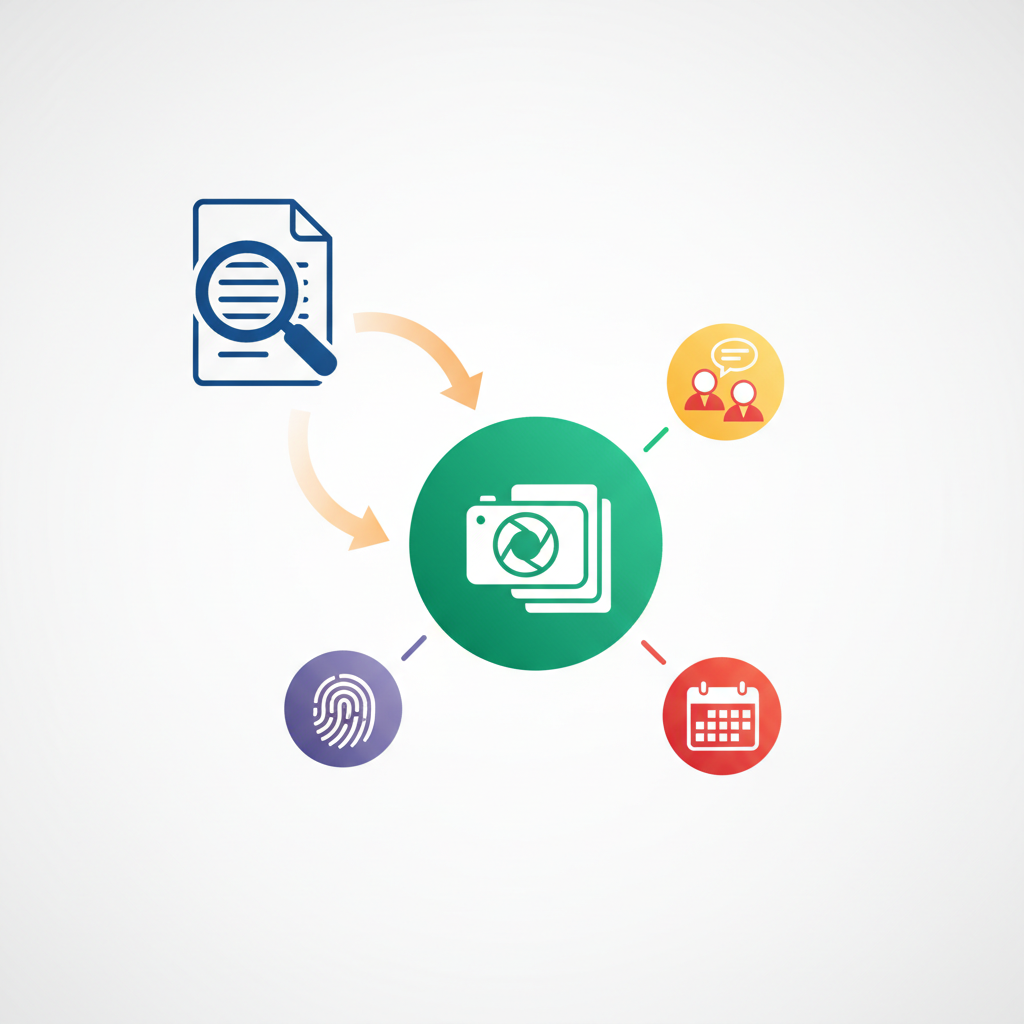
When settlement talks stall, the case moves into litigation—an important phase of the California personal injury process that structures evidence gathering, motion practice, and, if necessary, trial.
Here’s how personal injury claims work once a lawsuit is filed in California:
- Filing and service: Your attorney drafts the complaint (negligence, premises liability, product defect, etc.) and serves the defendant, who typically has 30 days to answer. Government entities require a prior claim within six months before suit.
- Case management: The court sets a Case Management Conference, deadlines, and encourages early alternative dispute resolution.
- Discovery: Both sides exchange information through written discovery, depositions, subpoenas for records (e.g., medical, employment, surveillance video), and defense medical exams. Example: In a disputed rear-end crash, deposition testimony and accident reconstruction analysis can establish speed, braking, and visibility.
- Motions: Defendants may challenge the pleadings or seek summary judgment. Your lawyer may move to compel evidence or to exclude improper defenses.
- Mediation and settlement conferences: Most cases resolve here. A mediator tests each side’s risk and evidence. If not settled, a Mandatory Settlement Conference occurs closer to trial.
- Expert disclosures and pretrial: Experts (orthopedists, economists, biomechanical engineers) are exchanged. Motions in limine shape what the jury can hear.
- Trial: Jury selection, opening statements, witness testimony, and exhibits. The plaintiff must prove the case by a preponderance of the evidence. California’s pure comparative negligence can reduce damages by your percentage of fault. Damages may include medical costs, lost wages, diminished earning capacity, and pain and suffering.
A typical personal injury lawsuit timeline ranges from 12 to 24 months, though complex product liability or multi-defendant matters can take longer. Throughout, negotiations continue; many claims settle after key depositions or expert exchanges.
What happens after personal injury litigation concludes? If you prevail or settle, liens (health insurance, Med-Pay) are resolved and the judgment or settlement is disbursed. If there are legal errors at trial, limited appeals may follow.
Weinberger Law Firm prepares every case as if it will be tried—tight discovery, strong expert work, and clear communication—so you’re positioned for the best outcome at every step of the accident claim procedure California recognizes.
Reaching a Settlement or Verdict
Most California injury cases resolve through settlement; a minority proceed to a jury verdict. Knowing how this stage works helps you make informed decisions in the california personal injury process.
Settlement negotiations typically intensify after medical treatment stabilizes and your attorney sends a demand package summarizing liability, injuries, bills, lost wages, and future care needs. Insurers often take 30–60 days to evaluate and respond. If offers are inadequate, your lawyer may file suit to keep the personal injury lawsuit timeline moving and apply pressure.
In litigation, courts commonly order mediation or a mandatory settlement conference. Strategic tools like a California Code of Civil Procedure 998 offer can shift costs and add interest if you beat your offer at trial. These steps show how personal injury claims work in practice—not just on paper.
If you settle:
- You sign a release of claims. The insurer issues payment, usually within a few weeks.
- Medical liens (health insurance, Medicare/Medi-Cal, hospital liens) must be resolved before funds are disbursed.
- Your net recovery is calculated after case costs, fees per your retainer, and lien resolution.
- Some cases use structured settlements for long-term needs.
Example: In a rear-end collision with $100,000 policy limits, strong medical documentation and clear liability often lead to a policy-limits settlement. Your attorney can also explore assets and umbrella coverage if damages exceed limits.
If you go to verdict:
- The jury decides fault and damages under the preponderance standard.
- California’s pure comparative negligence reduces awards by your percentage of fault.
- Recoverable damages include medical expenses, lost income/earning capacity, and pain and suffering. Punitive damages require proof of malice, oppression, or fraud.
- After judgment, insurers pay up to policy limits; excess judgments may involve bad-faith leverage. Post-trial motions or appeals can delay payment.
What happens after personal injury resolution? Your attorney finalizes liens, obtains the check, and distributes funds. In med-mal cases, note California’s updated MICRA caps on non-economic damages; other injury cases have no such cap.
Weinberger Law Firm prepares every case as if it will try, strengthening negotiation leverage and readiness for trial—crucial steps to file personal injury claims effectively within the accident claim procedure in California.
Receiving Compensation and Closure
After a settlement is reached or a verdict is won, the final phase of the california personal injury process focuses on getting funds to you and closing the matter properly. Here’s what happens next and how personal injury claims work at this stage.
- Release and payment: You’ll sign a settlement release. In California, insurers generally issue payment within about 30 days of receiving the signed release and required paperwork. Verdicts take longer because the court must enter judgment and any post-trial motions or appeals can delay payment; postjudgment interest may accrue.
- Check issuance and banking: Settlement checks are typically made payable to you and your attorney and deposited into the firm’s client trust account. Banks generally clear funds in 3–10 business days before any disbursement.
- Liens and medical bills: Health insurers, Medicare/Medi-Cal, VA, or medical providers may have reimbursement rights. Your lawyer negotiates and pays these liens from the recovery, often reducing balances to increase your net.
- Costs and fees: Case costs (filing fees, records, experts) are reimbursed from the recovery. Attorney fees are deducted per your signed fee agreement. You’ll receive a written disbursement statement itemizing every payment.
Example: On a $150,000 settlement, suppose liens are negotiated to $15,000 and case costs are $8,000. After fees per your agreement, the remainder is your net compensation for medical expenses, lost income, pain and suffering, and other damages.
- Taxes: Compensatory damages for physical injuries are generally not taxable under federal law. Punitive damages and interest are taxable. Consult a tax professional about your specific situation.
- Structured options and special situations: Some clients choose a structured settlement to receive guaranteed future payments—useful for long-term care planning. Minors’ settlements in California require court approval. If you receive needs-based benefits, a special needs trust may protect eligibility.
- Finality and closure: Once you sign a release, you cannot reopen the claim against that defendant except in rare circumstances. Keep copies of your settlement documents, continue recommended medical care, and update your insurer and employer as needed.
Understanding the personal injury lawsuit timeline, the accident claim procedure california, and what happens after personal injury helps you plan your next steps. If you’re still weighing the steps to file personal injury, know that this final stage is designed to deliver compensation and clarity so you can move forward.
Call to Action
Contact us today for a Free Case Consultation!