
Table of Contents
- Why Pedestrian Accidents Demand Immediate Legal Action
- The Hidden Costs Pedestrians Face After Being Hit
- How We Investigate Your Pedestrian Accident Case
- Preserving Evidence Before It Disappears
- Negotiating with Insurance Companies on Your Behalf
- Understanding California Pedestrian Rights and Liability Laws
- Building Your Strongest Compensation Claim
- The Statute of Limitations: Why Acting Now Matters
- What Fair Compensation Really Means for Your Recovery
- How We Support You Through the Entire Process
- Your Free Consultation and Next Steps
- Frequently Asked Questions (FAQ)
Why Pedestrian Accidents Demand Immediate Legal Action
If you were hit by a car, you have rights after an accident. Pedestrians face unique vulnerabilities on the road, and the injuries resulting from a collision with a vehicle are often severe. The moment after impact is critical, not just for your health but for protecting your legal claim.
Insurance companies and at-fault drivers move quickly to minimize their liability. Without proper legal guidance early on, you may miss opportunities to preserve crucial evidence, document injuries thoroughly, or understand the full scope of damages you deserve. Acting now protects your interests while memories are fresh and evidence is available.
We’ve handled countless pedestrian cases across Sacramento and beyond. In our experience, the difference between a strong claim and a weakened one often comes down to immediate action. Get medical care first, then contact us for a free consultation. Waiting risks your right to fair compensation.
The Hidden Costs Pedestrians Face After Being Hit
You probably understand the immediate costs: emergency room visits, orthopedic treatment, physical therapy. But pedestrian accident injuries create layered financial and personal burdens that extend far beyond the initial medical bills.
Many pedestrians lose weeks or months of income while recovering. If you were self-employed or hourly, that lost income hits harder. Medical expenses often continue long after you leave the hospital, including follow-up appointments, imaging, and ongoing rehabilitation. Some injuries cause chronic pain or reduced mobility that limits your earning capacity permanently.
There’s more. You may face transportation costs because you cannot drive. Household help, childcare coverage, and other services you’d normally handle yourself become sudden expenses. These indirect costs are often overlooked, but they’re real damages that should be part of your compensation claim.
We pursue full and fair compensation that accounts for medical bills, lost wages, and the personal strain of recovery. When we investigate your case, we document not just what happened, but what it cost you to survive and rebuild.
How We Investigate Your Pedestrian Accident Case
Investigation is the foundation of a strong claim. We will investigate all available evidence to understand exactly what happened and who bears responsibility.
Our process begins with a detailed interview about the accident from your perspective. We then obtain the police report and any citations issued. Traffic camera footage is invaluable—nearby businesses, traffic signals, and street-level cameras often capture the collision and driver behavior leading up to impact. We work methodically to locate and preserve this footage.
We also identify and interview witnesses. Bystanders who saw the impact can provide objective accounts that contradict the driver’s story. We gather medical records and consult with medical experts to establish the severity of your injuries and treatment needs.
Vehicle damage analysis tells a story too. The force and angle of impact reveal vehicle speed and trajectory, which strengthen liability arguments. We also examine the scene itself: road conditions, lighting, signage, and any hazards that may have contributed to the accident.
Your role is simple: share everything you remember, answer our questions honestly, and let us handle the investigative work. This thorough foundation makes insurance negotiations far more productive.
Preserving Evidence Before It Disappears
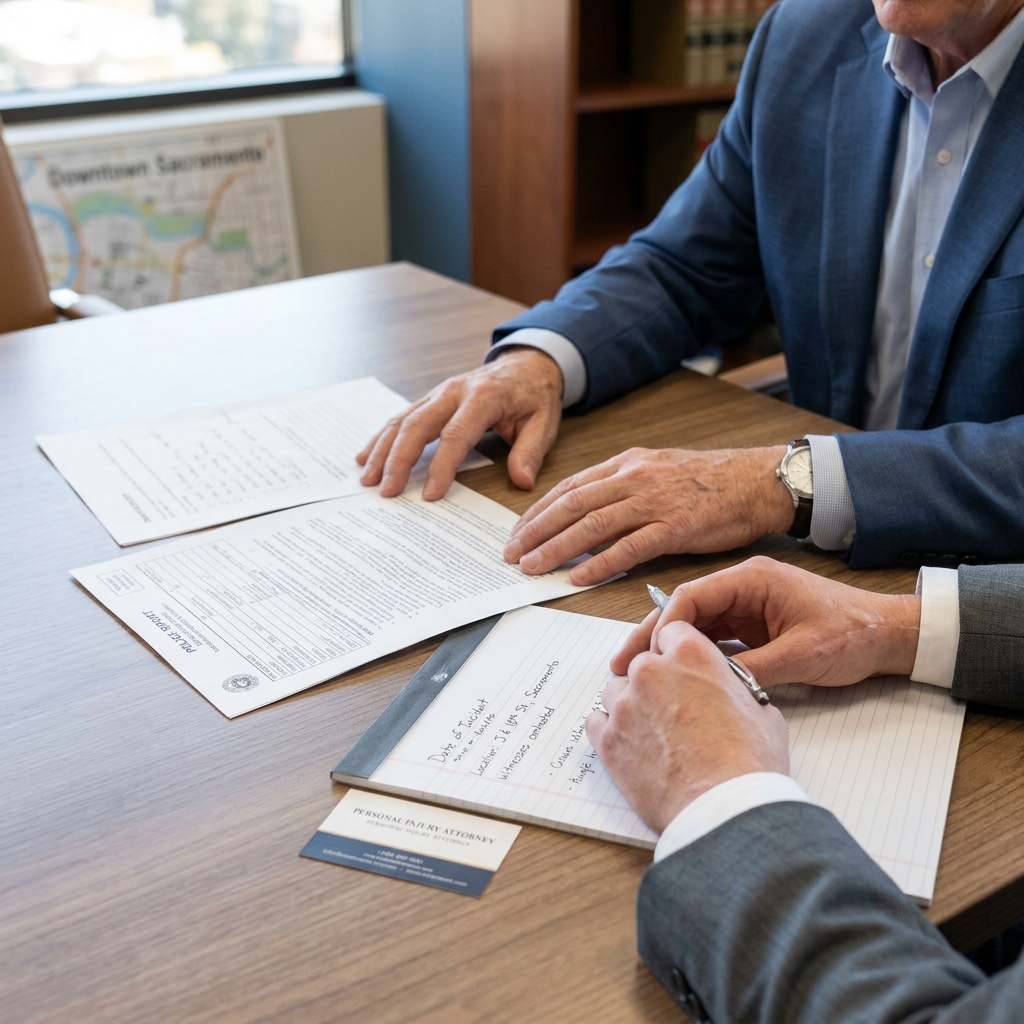
Time destroys evidence. Traffic camera footage is often overwritten after 30 days. Vehicles get repaired or scrapped. Witnesses move away or forget details. Preserve any evidence and get medical care—both are essential.
If you can safely do so immediately after the accident, take photos and video from multiple angles. Capture the vehicle’s license plate, position in the roadway, visible damage, and surrounding conditions. Note weather, lighting, and time of day. This scene documentation can be vital if security footage is later lost.
Seek medical attention immediately, even if you feel minor injuries. Medical records create an official timeline linking your injuries to the accident. Some injuries—internal bleeding, concussions, soft tissue damage—may not manifest fully for days. Early medical documentation protects both your health and your claim.
Request a copy of the police report. Get the names and contact information of any witnesses. Preserve your clothing and personal items from the accident if they show impact or damage. Keep all receipts related to the incident: ride-shares, pharmacy purchases, medical co-pays.
Contact us quickly so we can issue preservation letters to businesses and property owners who may hold camera footage. Legal holds ensure evidence isn’t destroyed while we investigate. This proactive step has saved many claims.
Negotiating with Insurance Companies on Your Behalf
Insurance companies have experienced adjusters trained to minimize payouts. They may contact you directly, offer quick settlements that undervalue your claim, or dispute fault to reduce their liability. You are not required to speak with them directly.
We handle all communication with insurance companies on your behalf. This protects you from inadvertent statements that could harm your claim. Insurance adjusters may seem friendly, but they work for the driver’s coverage, not your recovery.
Our negotiation strategy rests on documentation and confidence. We present medical evidence, lost wage calculations, and expert opinions that show the true value of your claim. We challenge liability disputes with traffic footage and witness statements. We demand payment for all documented damages, including future medical care and reduced earning capacity if applicable.
Most cases settle before trial through skilled negotiation. We know what similar claims are worth in Sacramento courts, and we use that knowledge to push for fair offers. If an insurer refuses reasonable compensation, we’re prepared to litigate and present your case to a jury.
You remain involved throughout. We’ll advise you on settlement offers and explain trade-offs, but we make recommendations based on your best interests, not ours. We have no fee unless we recover for you, so we’re motivated by your success.
Understanding California Pedestrian Rights and Liability Laws
California law strongly protects pedestrians. Drivers must yield to pedestrians in crosswalks and exercise reasonable care to avoid hitting them. When a driver fails this duty and injures you, they’re liable for your damages.
Liability depends on negligence, which has four elements: the driver owed you a duty of care, they breached that duty, their breach caused your injury, and you suffered damages. Most pedestrian accidents involve clear breaches: distracted driving, speeding, failing to yield, or driving under the influence.
California follows a “comparative negligence” rule. If you were partially at fault—say, you jaywalked—you can still recover damages, but compensation is reduced by your percentage of fault. If you were 20 percent at fault and your damages total $100,000, you’d recover $80,000. This is another reason thorough investigation matters: we work to minimize any argument that you were responsible.
Pedestrian rights extend to sidewalks, crosswalks, and roadways where you have legal permission to walk. Even if you were crossing against a signal, a driver must still attempt to avoid hitting you if they can. Our California personal injury guide covers these protections in detail.
Understanding your legal standing builds confidence. You have a claim because the law recognizes the driver’s obligation to protect you. We enforce that obligation.
Building Your Strongest Compensation Claim
A compensation claim includes all damages you’ve suffered as a result of the accident. We help you identify and quantify each category so nothing is overlooked.
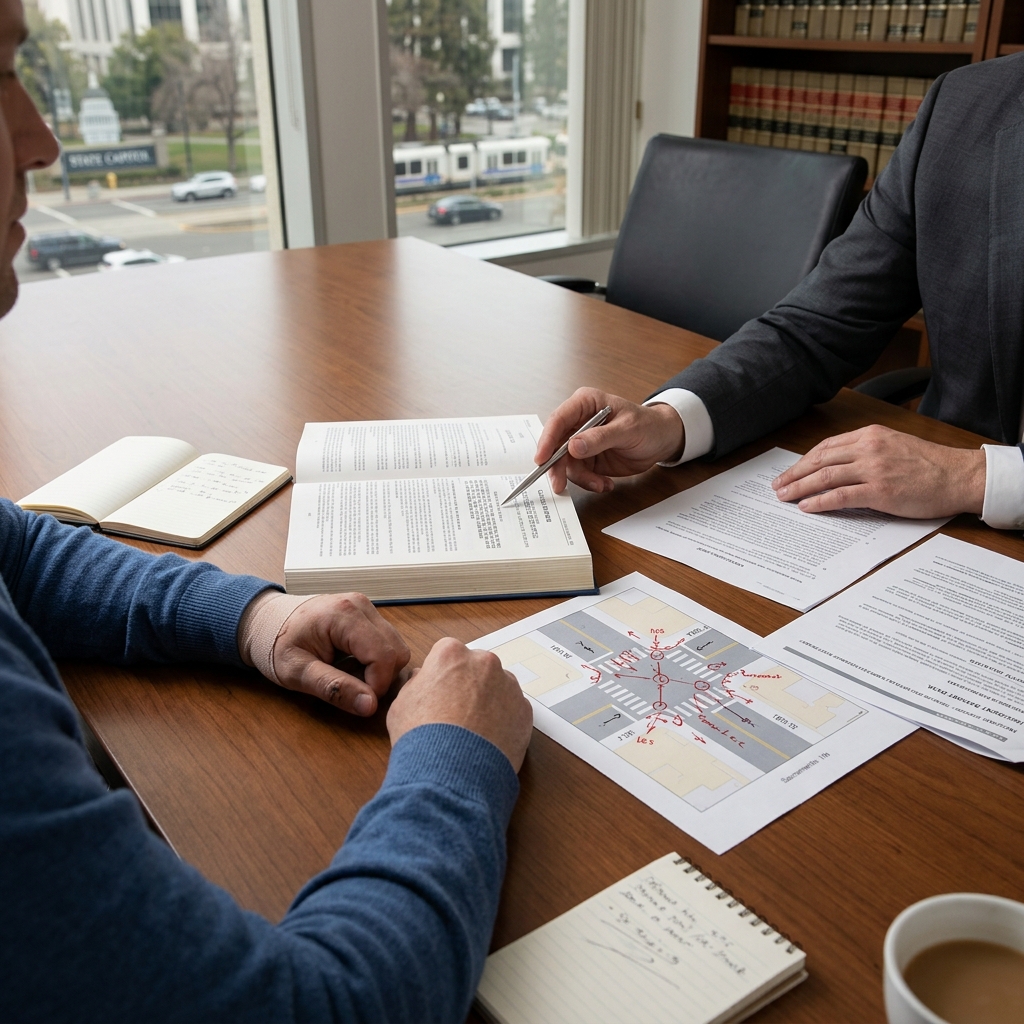
Economic damages are straightforward: medical bills, hospitalization costs, surgery, medications, physical therapy, and medical equipment. Include follow-up care and any future medical needs. Lost wages include both income you missed and reduced earning capacity if the injury limits future work. Transportation costs, home care, and childcare expenses count too.
Non-economic damages cover pain and suffering, emotional distress, loss of enjoyment of life, and scarring or disfigurement. These are harder to quantify, but they’re legally recognized and often substantial. A permanent limp that prevents you from playing sports with your children or hiking in nature has real value.
In rare cases of gross negligence—a driver hitting you while speeding recklessly, for example—punitive damages may apply. These are designed to punish the defendant and deter similar behavior, beyond compensating you for losses.
We build your claim by documenting, presenting the facts. We gather medical records, wage statements, expert reports, and testimony that support each damage category. We calculate totals carefully and defend them in negotiation and litigation.
Your job is to be honest about your losses and your recovery. Share medical appointments, time away from work, ongoing pain, and how the accident changed your daily life. These details form the foundation of fair compensation.
The Statute of Limitations: Why Acting Now Matters
Time is limited — act now. California’s statute of limitations — the filing deadline — gives you two years from the accident date to file a personal injury lawsuit. For claims against government agencies, the deadline is shorter: often just six months to file a government claim before any lawsuit.
This deadline is absolute. Miss it, and you lose the right to pursue a claim entirely. No exceptions for medical treatment, financial hardship, or new discoveries. If two years pass, California courts will not hear your case.
Many cases settle before the deadline, but negotiations can extend months. Starting the legal process early gives us negotiating leverage and ensures we have time to prepare for trial if settlement fails. Waiting until month 20 forces rushed decisions and weakens our position.
Beyond the legal deadline, memories fade and evidence disappears. Witnesses relocate. Medical records get archived and harder to obtain. Traffic camera footage is overwritten. Every month of delay reduces the strength of your claim.
Contact us within weeks of your accident, not months. A free consultation costs nothing and protects your timeline. We’ll advise you on next steps and ensure no deadlines are missed.
What Fair Compensation Really Means for Your Recovery
Fair compensation means you’re made whole to the extent the law allows. It means your medical needs are covered, your lost income is restored, and your pain and suffering are acknowledged in dollars.
For some, fair compensation enables full recovery and a return to pre-accident life. For others with permanent injuries, it provides financial security and resources to adapt to new circumstances. It’s not about getting rich; it’s about covering real costs and losses so you’re not bankrupt by an accident that wasn’t your fault.
Fair compensation also includes consideration of your age, occupation, and life expectancy. A 35-year-old with a permanent leg injury loses more earning potential than a 65-year-old nearing retirement. We account for these factors in calculating what’s truly fair.
Insurance companies will test your threshold. They’ll offer settlements far below fair value and hope you accept out of desperation or confusion. Our role is to push back firmly and demand numbers that reflect your actual damages and California case law.
We pursue full and fair compensation. That’s our standard, and we hold to it in every case.
How We Support You Through the Entire Process
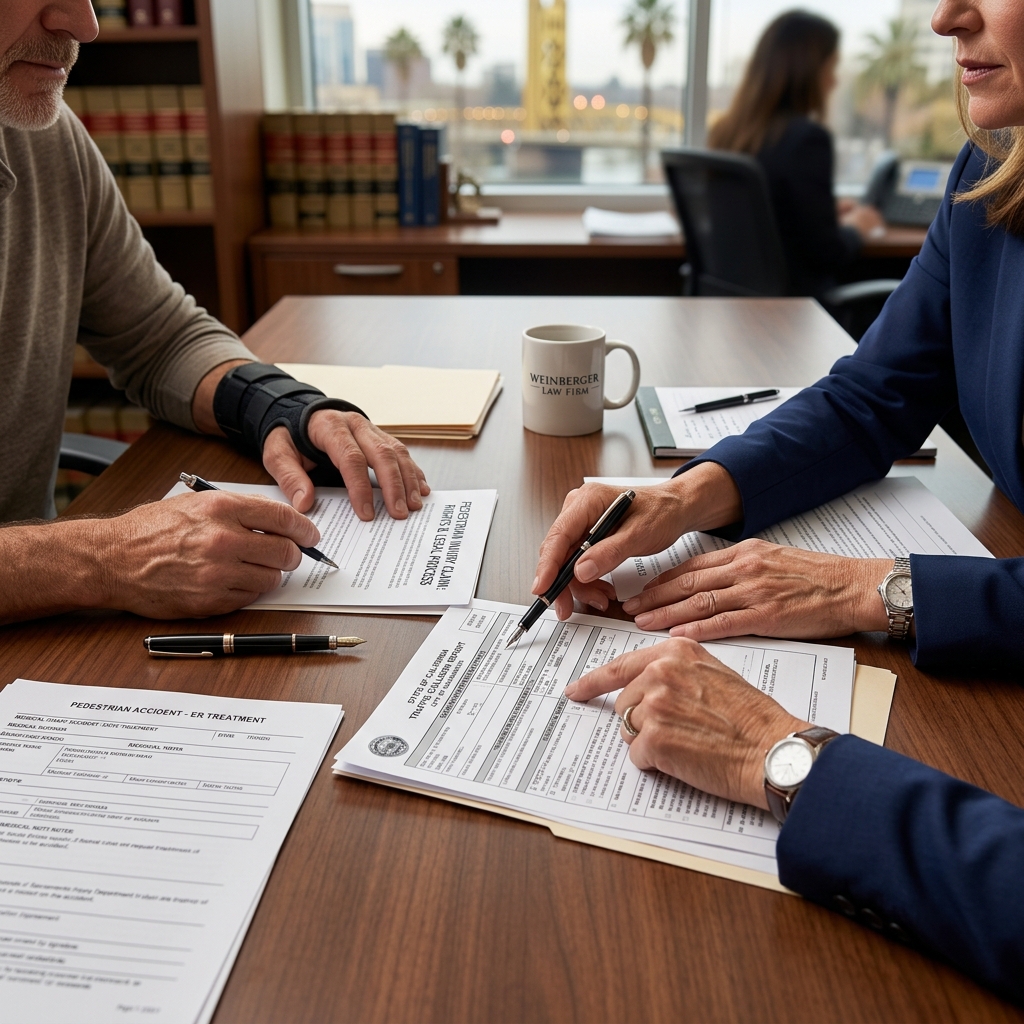
You’ve been through trauma. An accident is frightening and disorienting, and the legal process that follows can feel overwhelming. We prioritize clear communication and responsive client support every step.
When you contact us, we explain your rights honestly. We don’t overpromise outcomes, but we’re frank about what we see in your case and the work ahead. We answer your questions fully and check in regularly as your case progresses.
We handle the complex work. You don’t need to understand personal injury law or insurance tactics. You focus on recovery—medical appointments, rest, rebuilding normalcy. We investigate, negotiate, litigate, and manage deadlines. Our team stays organized and keeps you informed.
We provide periodic updates without requiring you to chase us. If settlement offers come in, we explain them in plain language and give you time to decide. If we’re heading toward trial, we prepare you for what to expect. You always know where your case stands.
Most importantly, we believe in your case. We’ve seen the injuries, reviewed the evidence, and assessed liability. We’re confident in our position, and we carry that confidence into every negotiation and courtroom appearance.
Your Free Consultation and Next Steps
The path forward is straightforward. Contact Weinberger Law Firm for a free, no-obligation consultation. We’ll listen to your story, answer your questions, and explain your options.
During the consultation, we’ll review the facts of your accident and the extent of your injuries. We’ll discuss what we’ll investigate and what the timeline looks like. We’ll be direct about the strengths and challenges in your case so you understand what to expect.
If you decide to work together, we’ll handle everything. No fee unless we recover for you means you have no financial risk. We’re paid only when we win your case or reach a settlement.
If you decide we’re not the right fit, you’ll have clear information to make informed decisions elsewhere. We want you to feel confident in whoever represents you.
The clock is already running on your statute of limitations. Call us today or visit our website to schedule your consultation. Preserve any evidence and get medical care if you haven’t already. You have rights after an accident. Let’s exercise them.
Contact us today for a Free Case Consultation!
Frequently Asked Questions (FAQ)
What should I do immediately after being hit by a car in Sacramento?
First, prioritize your safety and get medical attention right away, even if you feel fine—some injuries appear days later. Call the police to file an official report and gather contact information from witnesses and the driver. Preserve any evidence like photos of the accident scene, your injuries, and vehicle damage. Then contact us as soon as possible so we can guide you through the next steps and protect your rights before critical details fade.
How much will it cost to hire us for my pedestrian accident case?
We work on a contingency fee basis, which means you pay no fee unless we recover compensation for you. Our goal is to remove financial barriers so you can focus on healing while we handle the legal work. During your free consultation, we’ll discuss exactly how our fee structure works and answer any questions about costs.
What is the deadline for filing a pedestrian injury claim in California?
California’s statute of limitations gives you two years from the date of your accident to file a personal injury lawsuit. This deadline is serious—if you miss it, you lose your right to pursue compensation regardless of your case’s strength. We recommend contacting us immediately so we can preserve evidence, investigate thoroughly, and ensure we meet all filing deadlines on your behalf.