
Table of Contents
- Why Slip and Fall Accidents Deserve Legal Attention
- Understanding Your Rights After a Slip and Fall
- How Property Owners Create Dangerous Conditions
- The Hidden Costs Beyond Your Medical Bills
- Why Insurance Companies Undervalue Your Claims
- How We Investigate and Build Your Case
- Gathering Evidence Before It Disappears
- Negotiating with Insurance Companies on Your Behalf
- When Litigation Becomes Necessary for Fair Compensation
- Understanding California's Statute of Limitations
- Your No-Fee Guarantee and Free Consultation
- Why You Need a Sacramento Slip and Fall Attorney
- Frequently Asked Questions (FAQ)
Why Slip and Fall Accidents Deserve Legal Attention
Slip and fall accidents happen in seconds, but their consequences stretch far longer. If you were injured on someone else’s property, you have rights that extend beyond your immediate pain and medical bills. Property owners and managers have a legal duty to maintain safe conditions, and when they fail, they’re responsible for the harm they cause.
Many people assume a slip and fall is simply bad luck. It’s not. These accidents often result from negligence: wet floors left unattended, broken stairs without warning signs, or cluttered walkways that create obvious hazards. When negligence causes your injury, you deserve compensation.
We’ve helped Sacramento residents recover substantial settlements by treating these cases seriously from day one. Your accident isn’t minor if it’s disrupted your life. Medical care, lost income, and emotional stress add up quickly. You have rights after an accident, and pursuing them protects both your financial security and your recovery.
What to do now: Document the scene with photos if possible, gather witness names and contact information, and seek medical attention immediately. These early steps preserve crucial evidence that strengthens your claim.
Understanding Your Rights After a Slip and Fall
California law recognizes premises liability claims. This means property owners must keep their spaces reasonably safe and warn visitors about known hazards. If they breach that duty and injure you, they’re liable for your damages.
Your rights cover several categories of compensation. Medical bills and lost wages are the foundation, but California law also protects your right to recover for pain and suffering, future medical needs, and lost earning capacity. Understanding this scope helps you recognize whether an initial settlement offer is truly fair.
The strength of your claim depends on whether the property owner knew about the hazard (or should have known through reasonable inspection) and failed to fix it or warn you. A wet floor that appeared minutes before you fell is different from a broken tile that remained unrepaired for weeks. We will investigate all available evidence to establish the timeline and negligence.
Your location and circumstances matter too. Whether you were a customer, employee, or trespasser affects the duty of care owed to you. California recognizes higher protections for customers and lower ones for trespassers. We’ll explain exactly where you stand in your specific situation.
Action step: Write down everything you remember about the accident, including the date, time, weather, what you were wearing, and how the accident happened. Details fade quickly, so capture them now while they’re fresh.
How Property Owners Create Dangerous Conditions
Hazardous conditions on properties fall into predictable categories. Understanding common scenarios helps you recognize whether negligence was truly at play.
Slip and fall hazards include:
- Wet or slippery floors without warning signs or mats
- Spilled liquids that aren’t promptly cleaned or marked
- Waxed or polished floors that exceed safe slipperiness
- Inadequate drainage in entryways or outside areas
- Weather-related hazards (snow, ice) left unmanaged
Trip hazards involve:
- Torn or broken flooring and carpet
- Uneven thresholds or step height variations
- Debris, boxes, or merchandise blocking walkways
- Torn or missing stair treads
- Handrails that are broken, missing, or improperly installed
Falls from heights occur when:
- Ladders or step stools are left accessible without supervision
- Elevated platforms lack proper guardrails
- Shelving is unstable or overstocked
We investigate whether the property owner or manager had time to discover and remedy the hazard. A reasonable inspection schedule matters enormously. A grocery store should discover spilled milk within minutes, not hours. A landlord should inspect stairs regularly, not wait for an injury to act. When inspections reveal negligence, your claim strengthens significantly.
Next step: Identify whether witnesses saw the hazard before your fall. Did employees acknowledge the problem? Did other customers avoid the same spot? Witness accounts are powerful evidence.
The Hidden Costs Beyond Your Medical Bills

Most injured people focus on immediate medical expenses. That’s understandable, but it’s incomplete. Slip and fall injuries often create cascading financial and personal costs that deserve compensation.
Consider what happens after the accident. Emergency room visits are just the start. Follow-up appointments, physical therapy, imaging studies, and specialist consultations accumulate quickly. Some injuries require ongoing medication, home care support, or mobility aids. These expenses extend months or years beyond the accident.
Lost wages represent another substantial category. If you missed work during recovery, those days cost you directly. But if your injury reduces your earning capacity long-term, you’ve lost potential future income. A back injury might prevent you from returning to physical labor, forcing a career change at reduced pay. California law protects your right to recover for this economic harm.
Beyond the numbers, slip and fall injuries carry emotional weight. Pain, anxiety about returning to the same location, reduced independence, and frustration with delayed recovery all matter. California recognizes these non-economic damages as legitimate and compensable.
We pursue full and fair compensation by accounting for all these layers. Initial settlement offers from insurance companies often ignore future costs and intangible suffering. Our approach documents the complete picture so your compensation reflects reality, not the insurer’s bottom line.
Action item: Keep a journal of your recovery process, including pain levels, limitations, missed activities, and emotional impacts. This record supports your claim for pain and suffering damages.
Why Insurance Companies Undervalue Your Claims
Insurance companies exist to minimize payouts. That’s their business model. When they contact you after a slip and fall, they’re assessing how little they can offer and have you accept.
The most common undervaluation tactics include:
- Making early settlement offers before full medical recovery
- Suggesting your injury is minor when it’s actually significant
- Disputing whether the property owner was negligent
- Claiming you were partially at fault (“comparative negligence”)
- Ignoring future medical costs and long-term impacts
- Offering lump sums that seem large but don’t cover actual damages
Insurance adjusters use training and scripts designed to influence injured people. You’re in pain, stressed, and unfamiliar with legal rights. That puts you at a disadvantage in negotiations. They know most people will accept quick offers rather than fight.
When we step in, the dynamic shifts. Insurance companies know we document cases thoroughly, understand fair value, and will litigate if necessary. They negotiate differently when facing experienced counsel. We’ve seen settlement increases of 200% or more when the insurer realizes we’re serious about pursuing full compensation.
Time pressure is another tactic. Statements like “This offer expires Friday” create false urgency. Don’t let artificial deadlines push you into accepting less than you deserve. Time is limited — act now by consulting with us, but not by settling prematurely.
What to do: Never accept an initial settlement offer without consulting an attorney. Reject requests to provide detailed statements without legal guidance. Direct all insurer communication to our office.
How We Investigate and Build Your Case
Our investigation process is thorough and systematic. We don’t rely on what you remember or what the property owner claims. We uncover the facts that prove liability.
We begin by visiting the property ourselves. We photograph the exact location, note current conditions, and assess whether hazards were foreseeable and preventable. This firsthand knowledge is invaluable. We also review maintenance records, inspection logs, and any prior incident reports. Property owners often document their own negligence without realizing it.
Surveillance footage is frequently decisive. If the accident occurred on a business property, security cameras likely captured the event. We request this footage quickly, before standard retention periods expire. Video evidence showing a hazard, the accident itself, or lack of warning signs can be case-winning.
We identify and interview witnesses. People who saw what happened, knew about the hazard beforehand, or observed the property’s condition provide critical testimony. We also retain expert witnesses when necessary: engineers who assess maintenance failures, medical professionals who document injury severity, and economists who calculate lost earning capacity.
We will investigate all available evidence systematically. Nothing is overlooked. From traffic camera footage at nearby intersections to weather records showing conditions that day, we build a comprehensive factual record. This thorough approach translates into stronger negotiations and litigation readiness.
Action item: Share any photos, videos, or written notes you have from the accident scene. Also provide names of anyone who witnessed the fall or the hazardous condition beforehand.
Gathering Evidence Before It Disappears
Evidence has a shelf life. Some items vanish quickly if you don’t act. Our experience has taught us which evidence is most vulnerable and how to preserve it urgently.
Security camera footage degrades fast. Most businesses maintain recordings for 30 to 90 days before overwriting them. If you wait weeks to retain counsel, that footage may be gone. We send preservation letters immediately, demanding that the property owner and any security companies retain all relevant recordings.

Witness memories fade. People move, change jobs, and forget details. We interview witnesses within days or weeks of the accident, not months later. Their fresh recollections are far more credible and detailed than testimony given years later.
Physical evidence can be removed or altered. Defective flooring might be replaced, loose stairs tightened, or warning signs added once an owner realizes an accident occurred. We document current conditions thoroughly and request that hazards be preserved as they existed at the time of injury.
Medical records must be obtained before they’re archived or lost. We request complete medical files from all treating providers: emergency rooms, hospitals, clinics, and physical therapists. These records prove injury causation and support damage calculations.
Preserve any evidence and get medical care immediately. Document the scene with photos if you haven’t already. Gather contact information from witnesses. These steps protect your claim and ensure we have what we need to prove liability.
Next step: Contact our office within days of your accident so we can send preservation demands before evidence disappears.
Negotiating with Insurance Companies on Your Behalf
Insurance negotiations require specific expertise. Adjusters know how to pressure injured people, and they’re skilled at minimizing liability. We level the playing field through strategic, experienced negotiation.
Our approach is evidence-based. We don’t make arguments; we present facts: medical records proving injury severity, footage showing hazardous conditions, maintenance records demonstrating negligence, and economic evidence documenting financial losses. Adjusters respond to facts because facts are difficult to dispute.
We also know industry standards for valuing different injuries. We understand what similar cases have settled for in Sacramento and what juries typically award. This knowledge allows us to identify fair compensation ranges and recognize when an offer falls short.
Negotiation isn’t about being aggressive. It’s about being prepared and realistic. We explain the strengths and weaknesses of the insurer’s position, the risks they face if litigation proceeds, and the benefits of settling fairly now. Many adjusters are authorized to settle within reasonable ranges; they simply need incentive to do so.
We maintain professional relationships while remaining firm about your rights. The insurer knows we’re not bluffing about litigation if they refuse reasonable settlement. That credibility transforms negotiation dynamics. Offers improve substantially when the other side believes we’ll see the case through trial if necessary.
Action step: Share all written settlement communications with us. Don’t respond independently to insurance company contacts.
When Litigation Becomes Necessary for Fair Compensation
Most slip and fall cases settle through negotiation, but some require litigation. We’re prepared to pursue full and fair compensation in court when the insurer refuses reasonable settlement offers.
Litigation begins with a formal complaint filed in Sacramento Superior Court. This document outlines your injury, the defendant’s negligence, and your damages. The defendant must respond, and the case enters the discovery process where we exchange evidence and take depositions (recorded testimony).
Depositions allow us to question the property owner, manager, and insurer representatives under oath. These sessions often reveal key admissions that strengthen your position. We also depose expert witnesses and witnesses to the accident. Testimony obtained during discovery frequently shifts settlement dynamics dramatically.
Trial becomes necessary when the parties can’t agree on liability or damages. We prepare thoroughly, organizing evidence, coordinating witnesses, and developing compelling narratives. Juries respond to clear, credible presentations of the facts. Our litigation experience ensures you receive vigorous advocacy before a jury if settlement negotiations fail.
Litigation takes time and resources, but it’s sometimes the only path to full compensation. Some insurers gamble that injured people won’t pursue court cases. When they discover we will, settlement offers typically increase. Our litigation readiness makes settlement negotiations far more productive.
Know this: Litigation doesn’t mean endless delay. California courts move cases efficiently, and many trials occur within 12 to 18 months of filing.
Understanding California’s Statute of Limitations
California’s statute of limitations is the filing deadline for your claim. This legal deadline is firm, and missing it means losing your right to sue permanently. No exceptions. No second chances.
For personal injury claims in California, you typically have two years from the date of injury to file a lawsuit. This applies to slip and fall accidents and most premises liability cases. That might sound like ample time, but it passes quickly once you factor in investigation, negotiation, and insurance company delays.
We track these deadlines carefully for every client. Missing a statute of limitations deadline is malpractice, and we never allow it to happen. But the practical reality is this: the sooner you contact us, the more time we have to investigate, negotiate, and prepare for litigation if necessary. Early action strengthens your position.
Even if a settlement seems possible, we file suit before the deadline to preserve your rights. Settlement negotiations continue during litigation; filing doesn’t mean trial is certain. But allowing the deadline to pass means the insurer controls your fate completely.
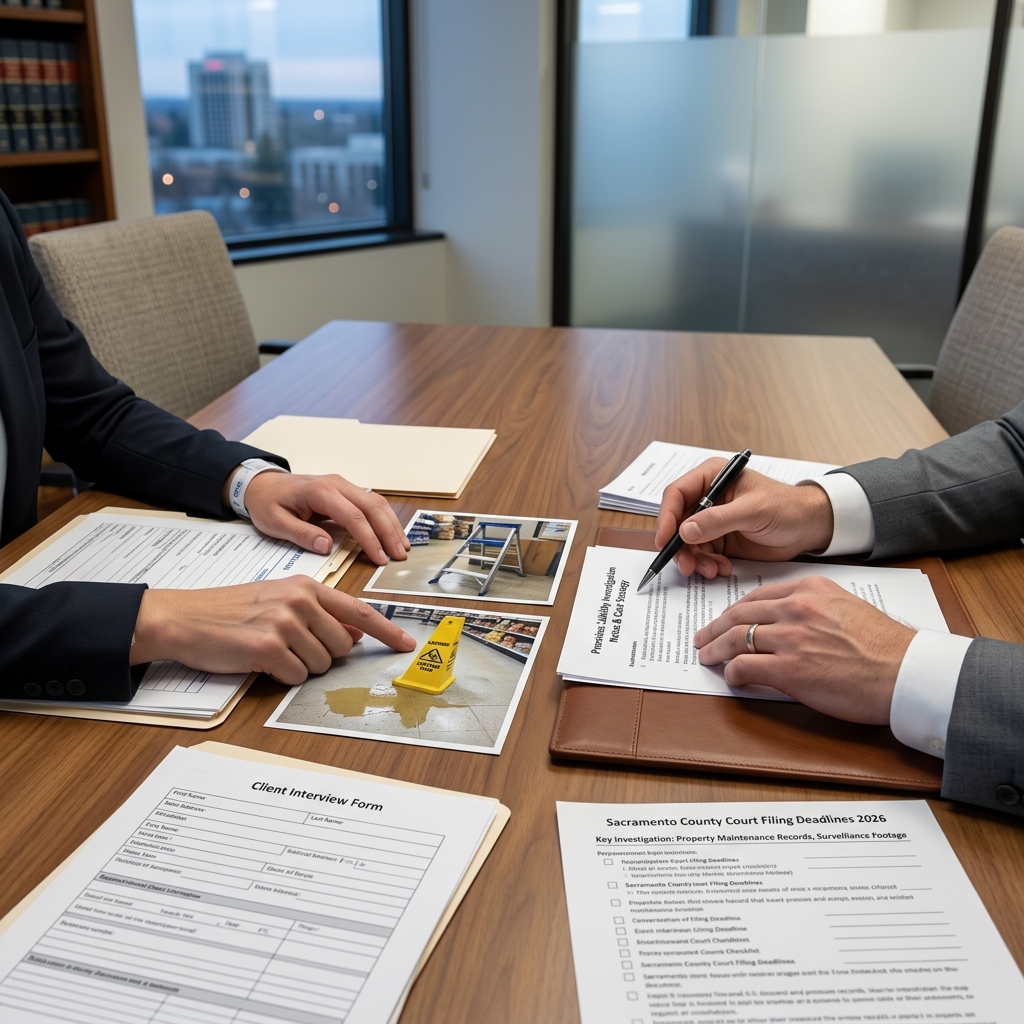
Time is limited — act now. Contact us for a free consultation before precious months slip away. The statute of limitations doesn’t pause for recovery or confusion about your rights.
Action item: Note the exact date of your accident. Calculate your two-year deadline. Don’t wait.
Your No-Fee Guarantee and Free Consultation
We represent clients on a contingency fee basis. That means we only collect a fee if we secure compensation for you. You pay nothing upfront. No fee unless we recover for you.
This structure removes financial risk from your decision to pursue a claim. You’re not choosing between legal representation and paying rent or medical bills. We’re invested in your success because our payment depends on it. We won’t take cases we don’t believe we can win.
Your free initial consultation costs nothing and obligates you to nothing. We review your accident, explain your rights, assess liability, and outline the path forward. This conversation gives you the information you need to make confident decisions about your claim.
Many people hesitate to contact an attorney because they assume it’s expensive. That misconception prevents them from understanding their rights and recovering compensation they deserve. One call to us clarifies everything and costs nothing.
During your consultation, we’ll ask detailed questions about your accident, injuries, and medical treatment. We’ll assess whether negligence occurred and whether we can prove it. We’ll explain what compensation might be realistic for your situation. You’ll leave understanding your options clearly.
Next step: Call us or submit your information online for a free consultation. Discuss your accident with someone who understands your rights and can guide you forward.
Why You Need a Sacramento Slip and Fall Attorney
Handling a slip and fall claim alone puts you at a severe disadvantage. Insurance companies have adjusters, legal teams, and sophisticated tactics. You have medical bills and stress. An attorney levels that playing field.
We bring expertise specific to Sacramento and California premises liability law. We know local property owners’ typical negligence patterns. We understand how local juries evaluate injuries and liability. We’ve negotiated with the same insurance adjusters repeatedly, so we know their strategies and leverage points.
We manage the entire process so you can focus on recovery. You don’t negotiate with adjusters, gather evidence, or decipher legal deadlines. You don’t worry about what’s being missed or whether offers are fair. We handle those burdens, freeing you to heal physically and emotionally.
Our comprehensive personal injury legal services cover every aspect of your claim. We investigate thoroughly, document meticulously, negotiate strategically, and litigate when necessary. We pursue full and fair compensation by treating your case as seriously as you do.
You have rights after an accident. Weinberger Law Firm is here to help you exercise those rights and secure the compensation you deserve. Your recovery depends partly on medical care and partly on financial stability. We secure the latter so you can focus on the former.
Contact us for a free consultation today. No fee unless we recover for you. Time is limited — act now.
For further reading: Premises liability guide.
Contact us today for a Free Case Consultation!
Frequently Asked Questions (FAQ)
What should I do immediately after a slip and fall accident?
First, preserve any evidence and get medical care right away, even if your injuries seem minor. We recommend documenting the scene with photos, collecting witness contact information, and reporting the incident to the property owner or manager. Time is limited when it comes to preserving evidence and filing your claim, so contact us for a free consultation as soon as possible.
How much compensation can we pursue for my slip and fall claim?
We pursue full and fair compensation that covers your medical bills, lost wages, and pain and suffering related to your injury. Many accident victims don’t realize the hidden costs beyond immediate medical expenses, which is why we conduct a thorough case evaluation to identify all damages you’re entitled to recover. Insurance companies often undervalue claims, but our strong negotiation skills help maximize what you receive.
How long do I have to file a slip and fall lawsuit in California?
California has a strict statute of limitations, which is the filing deadline for your personal injury claim. We’ll explain your specific timeline during our consultation, but waiting too long can cost you your right to pursue compensation entirely. Contact us now to ensure we protect your rights and meet all critical deadlines.