Understanding Personal Injury Law
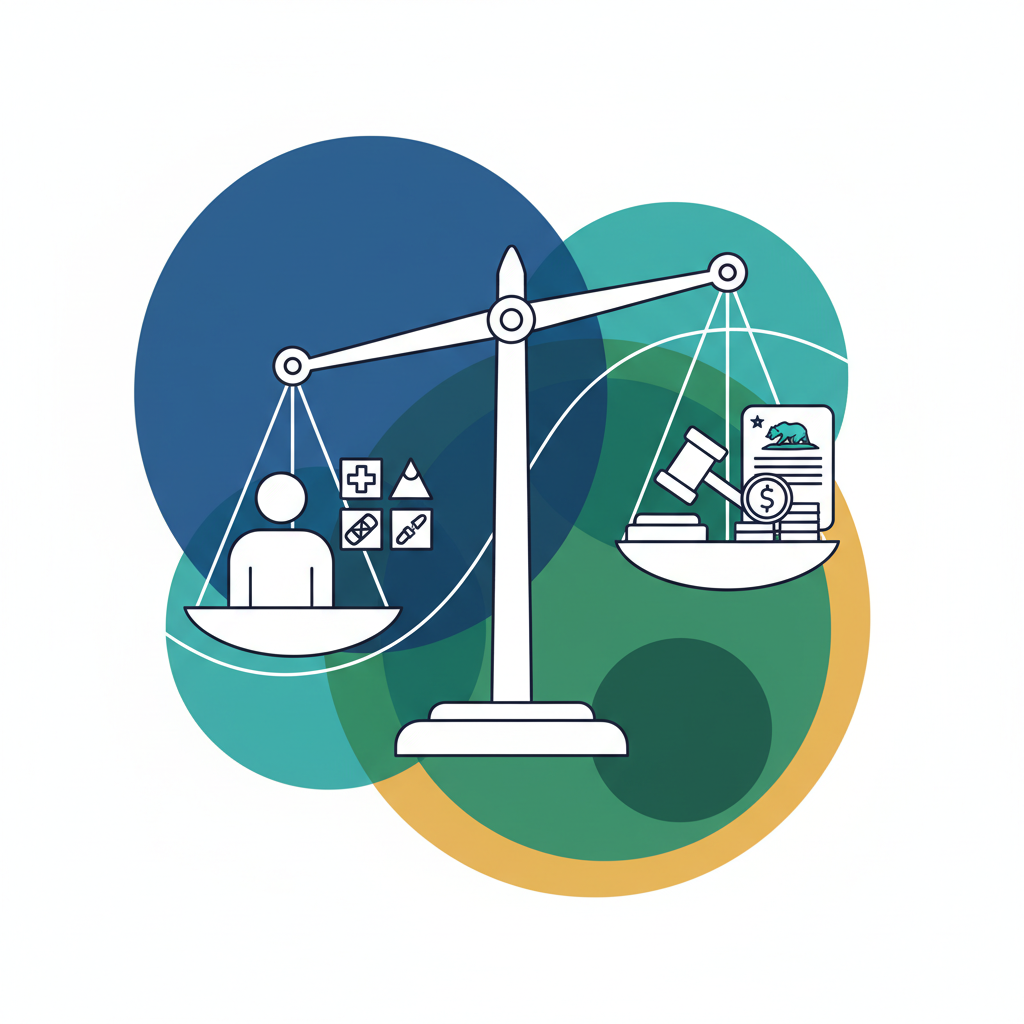
Personal injury law in California allows injured people to seek compensation when someone else’s negligence, recklessness, or a defective product causes harm. Most claims require proving duty, breach, causation, and damages. Some, such as certain product defect and dog-bite claims, rely on strict liability, meaning you do not have to prove negligence to recover.
Common personal injury cases include:
- Car accident injuries: Rear-end collisions, unsafe lane changes, and intersection crashes often lead to whiplash, fractures, spinal injuries, and traumatic brain injuries. Evidence may include police reports, dashcam footage, vehicle “black box” data, and medical records.
- Premises liability claims: Slip-and-falls on spilled liquid, trips on uneven sidewalks, or injuries from inadequate lighting or security. You must show the property owner knew or should have known about the dangerous condition and failed to fix or warn. Store inspection logs and surveillance video can be critical.
- Motorcycle crashes: Left-turn collisions and unsafe merging are common causes. Lane splitting is legal in California, but insurers may still blame riders. A motorcycle accident attorney addresses rider bias, visibility issues, and speed analyses to establish fault.
- Product defect lawsuits: Claims may involve a defective design (risk-benefit and consumer-expectations tests), a manufacturing flaw, or a failure to warn about risks. Preserving the product and related documentation is essential to prove defect and causation.
- Wrongful death cases: Surviving heirs can recover for loss of financial support, companionship, and funeral expenses. The estate may also bring a survival action for the decedent’s medical bills and other damages incurred before death.
Damages typically include medical expenses (past and future), lost income and earning capacity, property damage, and non-economic losses like pain, suffering, and loss of enjoyment of life. Punitive damages are rare and require proof of malice, oppression, or fraud. Non-economic damages are generally uncapped in California, except in medical malpractice where special statutory limits apply.
Key timelines matter. Most injury and wrongful death claims have a two-year statute of limitations. Claims against government entities require a government claim within six months. Medical malpractice and some other claims have shorter or unique deadlines.
California follows pure comparative negligence, so your compensation is reduced by your percentage of fault. Early legal guidance helps protect evidence, navigate insurance tactics, and position your case for strong settlement negotiations or trial if needed.
Common Car Accident Cases
Car crashes are among the most common personal injury cases in California, and they often turn on whether another driver or entity failed to use reasonable care. Even if you were partly at fault, California’s pure comparative negligence rule allows you to recover compensation reduced by your percentage of responsibility.
Frequent scenarios include:
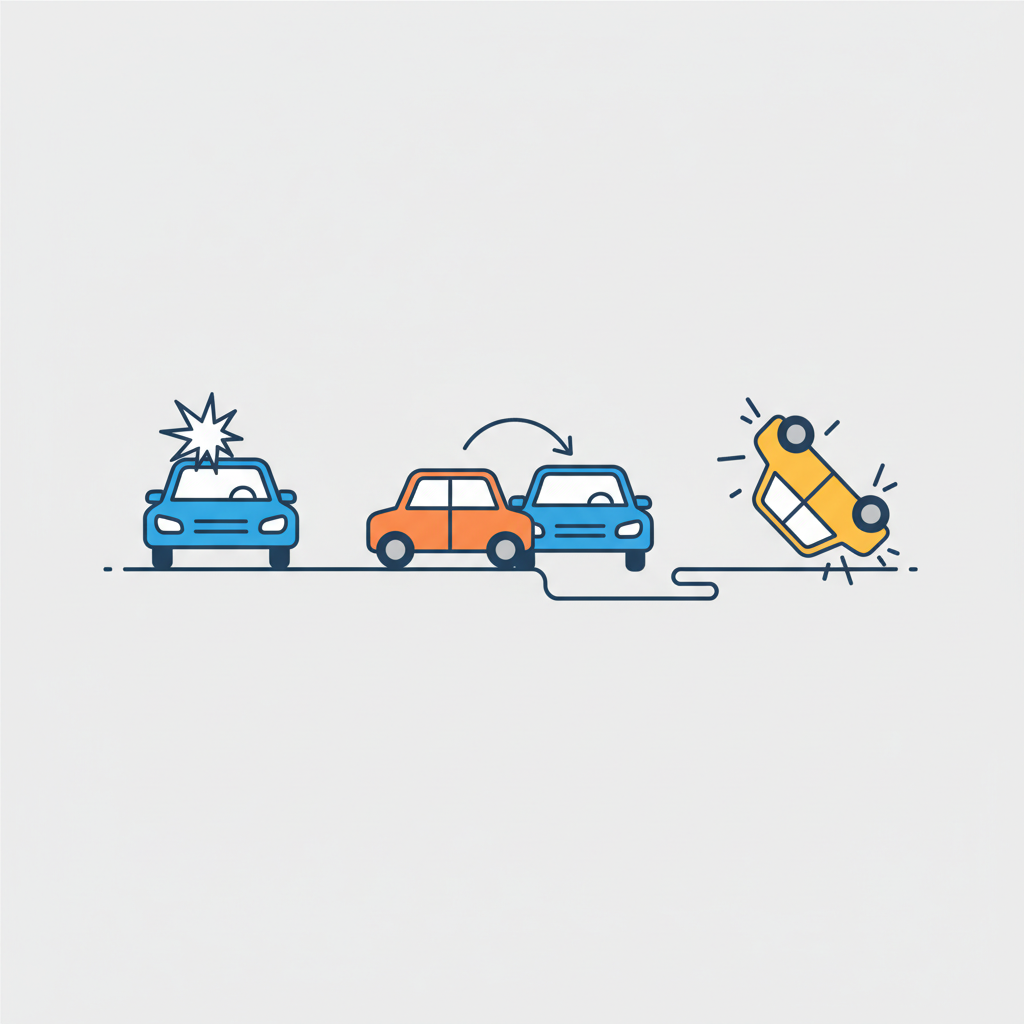
- Rear-end collisions on I‑5, I‑80, Highway 99, and city arterials caused by distracted driving
- Intersection and left-turn crashes involving failure to yield or red-light violations
- DUI incidents and hit-and-runs
- Multi-vehicle pileups in poor weather or low-visibility conditions
- Rideshare collisions with layered insurance policies (driver’s coverage, the platform’s policy)
- Uninsured/underinsured motorist events requiring UM/UIM claims
- Crashes tied to dangerous road conditions or malfunctioning signals that may trigger public-entity claims
Car accident injuries range from whiplash and herniated discs to traumatic brain injury, fractures, internal bleeding, and psychological harm. Insurers often challenge causation and the need for future care, so timely treatment and clear medical documentation are critical.
Useful evidence can include:
- CHP or police reports, bodycam footage, and 911 audio
- Event data recorder (EDR) downloads showing speed and braking
- Dashcam or nearby business/residential video
- Witness statements and scene photographs of debris, skid marks, and signal timing
- Cell phone records in suspected distraction cases
- Vehicle inspections when brake failure, airbag non-deployment, or tire defects suggest product issues
Available damages typically include medical expenses (past and future), lost income and diminished earning capacity, pain and suffering, property loss, and, in fatal crashes, wrongful death cases and related survival claims by the estate. If a defect contributed to the crash or worsened harm—such as a seatback failure or exploding airbag—parallel product defect lawsuits may be appropriate. Collisions in private parking lots with obscured sight lines or unaddressed potholes can also intersect with premises liability claims against the property owner. Similar liability principles apply in motorcycle crashes; an experienced motorcycle accident attorney will assess visibility, road design, and bias in police reports.
Deadlines matter. Most injury claims must be filed within two years of the crash, with shorter claim-presentment rules—often six months—when a government entity is involved. Because insurance carriers move quickly to minimize payouts, early legal guidance can help preserve evidence, calculate full losses, and position your case for strong negotiation or, if necessary, litigation.
Motorcycle Accident Injury Claims
Because riders lack the protective structure of a car, crashes often result in severe trauma—far worse than many car accident injuries. Motorcycle claims are among California’s common personal injury cases, and the path to compensation depends on understanding fault, evidence, and the types of damages available.
Frequent causes include:
- Left-turn collisions at intersections when a driver misjudges a rider’s speed
- Unsafe lane changes and blind-spot errors
- Speeding, distracted driving, or DUI
- Dooring in urban corridors
- Lane splitting misjudgments (legal in California, but still subject to negligence rules)
- Road hazards like potholes, loose gravel, or unsafe construction zones
- Defective parts (brakes, tires, throttles) that can lead to product defect lawsuits
California follows pure comparative negligence. Even if a rider shares some fault (for example, speeding or not wearing required protective gear), recovery is reduced by the rider’s percentage of responsibility rather than barred. Helmet use is mandatory; lack of a helmet can affect damages if it contributed to the head injury.
Proving liability demands fast, thorough evidence collection:
- Police collision report and 911 recordings
- Helmet-cam, dashcam, or nearby surveillance footage
- Skid marks, debris fields, vehicle damage, and ECM/black box data from involved cars
- Medical records linking mechanism of injury to diagnosed conditions
- Eyewitness statements and accident reconstruction
- Preservation of the motorcycle, helmet, and riding gear
Damages typically include:
- Economic: emergency care, surgeries, rehabilitation, future medical needs, lost wages, and diminished earning capacity, plus motorcycle repair or total loss
- Non-economic: pain and suffering, loss of enjoyment, disfigurement, and emotional distress
- In DUI or egregious cases, punitive damages may be available
- Fatal crashes may lead to wrongful death cases for eligible family members
Liability can extend beyond a negligent driver. Dangerous public roads may trigger claims against a governmental entity under the California Government Claims Act, which requires an administrative claim within six months. If a crash occurs on private property due to an unaddressed spill or defect, premises liability claims may apply. Defective components can place manufacturers and distributors in the chain of responsibility.
Insurance adjusters often undervalue road rash, traumatic brain injuries, and complex orthopedic harm. A motorcycle accident attorney can coordinate Med-Pay, pursue uninsured/underinsured motorist coverage, and counter biased assumptions about rider behavior.
After a crash, seek immediate medical care, photograph the scene, identify witnesses, and preserve your gear and bike without repairs. Avoid recorded statements until you’ve consulted counsel. Most injury claims must be filed within two years, with shorter deadlines for government-related claims. Weinberger Law Firm conducts detailed case evaluations, works with reconstruction experts, negotiates firmly with insurers, and is prepared for trial when necessary.
Premises Liability: Slip and Falls
Slip and falls are among the most common personal injury cases in California, arising when a property owner or occupier fails to keep the premises reasonably safe. These incidents frequently occur in grocery stores, restaurants, apartment complexes, parking lots, hotels, and public sidewalks.
To succeed with premises liability claims, you generally must show:
- A dangerous condition existed (for example, a spill, uneven floor, or broken step).
- The owner knew about it or should have known through reasonable inspections (actual or constructive notice).
- They failed to fix the hazard or warn visitors.
- The condition caused your injuries and damages.
In practice, “constructive notice” can be established by showing the hazard was present long enough that reasonable inspections would have discovered it. Evidence such as surveillance footage, cleaning logs, and employee testimony can be critical.
Common hazards in slip and fall cases include:
- Spilled liquids and freshly mopped floors without warning signs
- Torn carpeting, loose rugs, and uneven tiles
- Cracked sidewalks, potholes, and changes in elevation at thresholds
- Broken stairs, missing or loose handrails, and poor lighting
- Cords, clutter, or merchandise blocking walkways
- Rainwater accumulation at entrances and inadequately placed mats
- Building or safety code violations (e.g., nonuniform stair risers or handrail height)
What to do after a fall:
- Report the incident to the manager or owner and request an incident report.
- Photograph the hazard, your injuries, and the surrounding area as soon as possible.
- Gather names and contact information for witnesses.
- Preserve your footwear and clothing; do not wash or discard them.
- Seek prompt medical evaluation to document injuries.
- Avoid giving recorded statements to insurers before speaking with an attorney.
- Act quickly if the property is public or government-owned; California’s Government Claims Act typically requires a claim within 6 months.
Compensation may include medical expenses, lost wages, diminished earning capacity, and pain and suffering, as well as future care needs. California’s pure comparative negligence rule can reduce recovery if you were partially at fault (for example, distracted walking), but it does not bar a claim. In severe cases, falls may lead to wrongful death cases.
Insurers often argue that hazards were “open and obvious” or that a store’s inspection routine was reasonable. Weinberger Law Firm builds strong cases by securing video evidence, inspection records, and expert analysis in human factors and building codes, combining negotiation strength with litigation readiness. While many common personal injury cases involve car accident injuries, product defect lawsuits, or require a motorcycle accident attorney, our team is equally equipped to protect your rights in California slip and fall matters.
Product Liability and Defective Items
Defective consumer goods, auto parts, tools, medical devices, and even children’s products are a frequent source of harm in California and fall squarely within common personal injury cases. Under California law, injured consumers can pursue strict liability claims for three types of defects: manufacturing defects (a flaw in a particular unit), design defects (an entire product line is unreasonably dangerous), and failure to warn (insufficient instructions or warnings about non-obvious risks).
Multiple parties may be responsible. Liability can extend up the chain of distribution to the manufacturer, component maker, distributor, and retailer. You don’t need to prove negligence to recover under strict liability, but you must show the defect existed when the product left the defendant’s control and that it caused your injuries.
Real-world examples include:
- Auto component failures leading to car accident injuries, such as defective airbags, seatbacks, tires, or fuel systems.
- Motorcycle brake or throttle defects causing loss of control; a motorcycle accident attorney will often investigate product failures alongside crash dynamics.
- Lithium-ion battery fires in e-bikes, scooters, laptops, or tools.
- Contaminated foods or mislabeled allergens.
- Defective medical devices or implants and dangerous pharmaceuticals.
- Child car seat latch failures or unsafe toys.
Take these steps quickly to strengthen a claim:
- Preserve the product in its post-incident condition; do not repair, alter, or discard it.
- Keep packaging, instructions, receipts, and warranty materials.
- Photograph the product, scene, and injuries; record model/serial numbers and purchase details.
- Seek medical care and follow treatment plans; keep bills and records.
- Save recall notices and communications with sellers or insurers.
- Avoid posting about the incident online.
Defendants commonly argue product misuse, substantial alteration, or that adequate warnings were provided. California’s comparative fault can reduce recovery if a jury finds misuse contributed to the harm, but it does not bar recovery.
Available compensation can include medical costs, lost income, diminished earning capacity, pain and suffering, and property damage; product defect lawsuits may also support punitive damages when a company knowingly disregarded consumer safety. When defects cause fatalities, families may pursue wrongful death cases and survival actions.
Deadlines matter. Most injury claims must be filed within two years of the injury, with a discovery rule for harms realized later (common with drugs or implanted devices).
Weinberger Law Firm investigates defects with engineering experts, preserves evidence, engages insurers and manufacturers, and litigates when needed—distinct from premises liability claims, which involve unsafe property conditions rather than unsafe products.
Other Serious Injury Cases
Beyond the common personal injury cases most people know—such as car accident injuries, premises liability claims, and product defect lawsuits—there are other serious matters that demand fast action and focused legal strategy. These claims often involve complex liability questions, multiple defendants, and life-changing damages.
Examples include:
- Catastrophic injury claims: Traumatic brain injuries, spinal cord damage, severe burns, and amputations typically require long-term care, adaptive equipment, and home modifications. Proving future medical needs and lost earning capacity often involves medical, vocational, and life-care planning experts.
- Pedestrian, bicycle, and e-scooter collisions: Crosswalk impacts, dooring, and hit-and-runs may trigger uninsured/underinsured motorist coverage. California’s pure comparative negligence law means your recovery can be reduced but not barred if you’re found partially at fault.
- Commercial truck and delivery vehicle crashes: Liability can extend to drivers, employers, shippers, and maintenance contractors. Rapid preservation of electronic logging device data, dashcam footage, and vehicle telematics is critical.
- Rideshare (Uber/Lyft) incidents: Insurance coverage depends on the driver’s app status. When a ride is accepted or in progress, up to $1 million in liability coverage may apply; during periods when the app is on but no ride is accepted, lower limits are typical.
- Dog bites and animal attacks: California imposes strict liability on owners when victims are lawfully in a public place or on private property. Evidence such as incident reports, prior bite history, and medical records strengthens the claim.
- Construction site and industrial injuries: While workers’ compensation may cover employees, third-party claims can be brought against negligent subcontractors, property owners, or equipment manufacturers for broader damages.
- Roadway defects and government liability: Claims involving unsafe intersections, inadequate lighting or signage, or dangerous road design require a government claim within six months in most cases before a lawsuit can proceed.
- Wrongful death cases: Eligible family members may pursue damages for loss of financial support, companionship, and funeral expenses, while a related survival action can address the decedent’s pre-death losses.
In motorcycle cases resulting in catastrophic harm, consulting a motorcycle accident attorney early helps secure helmet evidence, crash reconstruction, and witness statements before they disappear. Across all severe injury claims, timely investigation, thorough documentation of medical treatment, and strategic negotiations with insurers can maximize compensation.
Weinberger Law Firm is prepared to move quickly to preserve evidence, identify every liable party, and build a litigation-ready case tailored to the full scope of your losses.
Damages Recoverable in Personal Injury
In common personal injury cases, California law allows you to seek both economic and non-economic damages, and in limited situations, punitive damages. The goal is to make you financially whole and account for the human impact of an injury.
Economic damages reimburse out-of-pocket losses:
- Medical care: ER visits, surgeries, hospitalization, prescriptions, physical therapy, assistive devices, and future treatment plans. For car accident injuries, this may include concussion management and spine injections; for premises liability claims, it can involve imaging, fracture care, and home modifications after a fall.
- Income losses: Lost wages, overtime, bonuses, and reduced earning capacity if you can’t return to your prior work. A motorcycle crash causing hand nerve damage, for example, can permanently limit certain trades.
- Property damage: Vehicle repair or total loss valuations, replacement of helmets and riding gear after a motorcycle collision, or damaged personal items from a store slip-and-fall.
- Out-of-pocket expenses: Transportation to appointments, childcare, and paid help for household tasks you can’t perform during recovery.
Non-economic damages address intangible harms:
- Pain and suffering, mental anguish, PTSD, and loss of enjoyment of life.
- Disfigurement and scarring (common with road rash or burns).
- Loss of consortium for a spouse or registered domestic partner.
California generally has no cap on non-economic damages in most personal injury claims; medical malpractice is a notable exception with statutory limits.
Punitive damages are rare but may be available when a defendant acts with malice, oppression, or fraud—an issue that can arise in product defect lawsuits if a manufacturer knowingly ignored a dangerous flaw.
For wrongful death cases, surviving family members may recover funeral and burial costs, the financial support the decedent would have provided, loss of household services, and the loss of love, companionship, and guidance. A related “survival” claim can pursue damages the decedent sustained before passing, such as medical bills and, in certain circumstances under recent statutory changes, pre-death pain and suffering.
Key factors that influence recovery:
- Comparative fault reduces damages by your percentage of responsibility.
- Insurance policy limits can constrain payouts, though uninsured/underinsured motorist coverage may help.
- Thorough documentation—from diagnostics to a life-care plan—supports future medical and wage-loss claims.
- Evidence of notice in premises cases and defect proof in product cases can increase leverage.
- Strategic use of settlement offers and litigation readiness can affect interest, costs, and negotiation outcomes.
A focused motorcycle accident attorney or injury lawyer will align evidence with these damage categories to maximize the value of your claim under California law.
Navigating Your Legal Rights
Knowing your rights is the first step to protecting your recovery across the most common personal injury cases in California. If another party’s negligence caused your harm, you may claim compensation for medical bills, lost income, pain and suffering, and other losses. California follows pure comparative negligence, so your award is reduced by your percentage of fault—meaning you can still recover even if you were partly responsible.

Act quickly. Most personal injury and product defect lawsuits must be filed within two years of the injury. Wrongful death cases generally share this two-year limit. Claims involving public entities (e.g., a city for a dangerous roadway or public sidewalk) require a government claim within six months, with shorter follow-up deadlines. The sooner you start, the easier it is to preserve evidence and protect your claim.
Here’s how rights and next steps look across key case types:
- Car accident injuries
– Call 911, get medical care, and photograph vehicles, debris, and road conditions.
– Exchange information and obtain the police report number; file a DMV SR-1 within 10 days if there’s injury or significant damage.
– Identify all insurance sources, including MedPay and uninsured/underinsured motorist coverage.
– Avoid recorded statements to insurers before legal counsel reviews your claim.
- Premises liability claims
– Property owners and occupiers must use reasonable care to keep premises safe and warn of hazards (e.g., wet floors, broken stairs, inadequate lighting or security).
– Report the incident immediately and request a written incident report.
– Preserve evidence: photos, witness contacts, and the footwear or items involved.
- Motorcycle cases
– Lane splitting is legal in California; evidence of safe riding can counter bias against riders.
– Document helmet and gear damage; download any camera footage.
– A motorcycle accident attorney can reconstruct visibility, speed, and right‑of‑way issues to combat disputed liability.
- Product defect lawsuits
– California recognizes strict liability for manufacturing defects, design defects, and failure to warn.
– Stop using the product; keep the item, packaging, manuals, and receipts intact for expert inspection.
- Wrongful death cases
– Eligible heirs may recover for loss of financial support, companionship, and funeral expenses.
– A separate survival claim can pursue damages the decedent could have claimed if they had lived.
Across all cases, consistent medical treatment, thorough documentation, and early legal guidance strengthen your position. An attorney can evaluate fault, calculate full damages, preserve critical evidence, negotiate firmly with insurers, and, when needed, file suit to protect your rights.
Finding the Right Legal Support
When you’re dealing with common personal injury cases in California, the right legal support can make the difference between an incomplete claim and full, documented compensation. A Sacramento-based firm that knows local courts, jury tendencies, and insurer playbooks can move quickly to preserve evidence and protect your claim from the start.
An effective attorney should provide:
- Thorough intake and case evaluation to identify liable parties and insurance coverage
- Early evidence preservation (photos, video, vehicle data, incident reports, witness statements)
- Direct communication with insurers to prevent recorded statements that could be used against you
- Medical record collection and coordination with treating providers to document diagnosis, prognosis, and future care costs
- Accurate valuation of damages, including lost income and future losses
- Litigation readiness with experts if settlement talks stall
Consider how this plays out across different case types:
- Car accident injuries: Prompt vehicle inspections and downloads of event data recorders (when available) help reconstruct speed and braking. Lawyers also assess UM/UIM coverage and medical payments benefits you might not know you have.
- Premises liability claims: Stores often overwrite surveillance footage within days. Your attorney can send preservation letters immediately, secure incident reports, and establish “notice” of a dangerous condition—critical for proving liability.
- Motorcycle cases: A skilled motorcycle accident attorney counters bias by using visibility analyses, skid measurements, and helmet/gear evidence. In California, lane splitting is legal; counsel can use this to rebut fault arguments when riding between lanes.
- Product defect lawsuits: Preserving the product is essential. Counsel engages engineering experts to test defect theories and tracks the chain of distribution to bring all responsible parties into the case.
- Wrongful death cases: California allows certain family members to recover for economic losses and loss of companionship. Most claims have a two-year statute of limitations, but claims against public entities typically require a government claim within six months.
Ask about fee structure (most personal injury lawyers work on a contingency fee) and who will handle your case day to day. Clear, consistent updates matter just as much as courtroom skill.
Weinberger Law Firm offers comprehensive support for these matters—strong negotiation with insurance carriers, meticulous evidence development, and trial-ready strategies—so you can focus on recovery while your claim is positioned for maximum compensation under California law.
Call to Action
Contact us today for a Free Case Consultation!