Introduction to Premises Liability and Property Owner Responsibilities
Premises liability refers to injuries caused by unsafe conditions on someone else’s property—such as a store, apartment complex, or parking lot. Under California premises liability law, property owners and occupiers must use reasonable care to keep visitors safe by inspecting for hazards, fixing them, or clearly warning about them. When this duty is ignored and someone is hurt, a Sacramento premises liability lawyer can evaluate how the dangerous condition arose and whether the owner should have known about it.
Owners are expected to anticipate foreseeable risks and address them in a timely way. That includes establishing regular inspection routines and following through with maintenance. For example, a grocery store that ignores a spill for 45 minutes, an apartment stairwell with a broken handrail, or a dimly lit parking lot with frequent criminal activity could form the basis for property owner negligence claims.
Common hazardous conditions include:
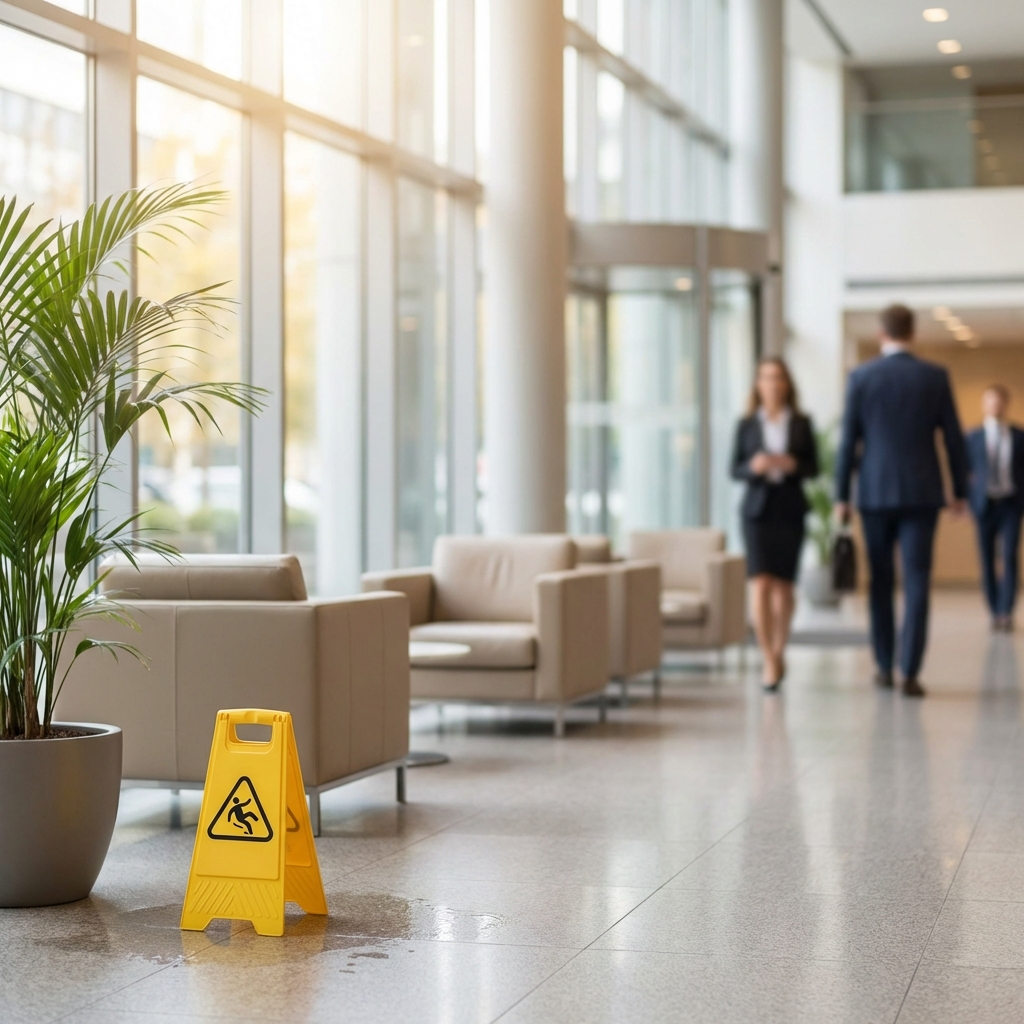
- Wet floors without warning signs, especially near entrances after rain
- Uneven sidewalks, potholes, or broken concrete in walkways and parking lots
- Broken stairs, loose railings, or missing stair treads
- Torn carpets, loose mats, or cords across aisles
- Falling merchandise from improperly stacked shelves
- Malfunctioning automatic doors or elevators
- Inadequate lighting or lack of security where incidents are foreseeable
To recover compensation for property accidents, you generally must prove duty, breach, causation, and damages. A key issue is whether the owner had actual or “constructive” notice—meaning the hazard existed long enough that reasonable inspections would have found it. Useful evidence includes surveillance footage, inspection logs, maintenance records, incident reports, witness statements, and expert analysis of building codes or industry standards. California’s pure comparative negligence may reduce recovery if you were partly at fault, but it does not bar claims.
Responsibilities can vary by setting. Landlords must keep common areas reasonably safe, businesses owe customers a high level of care, and homeowners must address known dangers. If a government entity is involved (e.g., a city sidewalk or public building), strict claim notice rules apply—often a six-month deadline—so acting quickly is critical. Most personal injury claims otherwise carry a two-year statute of limitations.
If you’re unsure where to start, a slip and fall injury attorney at Weinberger Law Firm can step in to preserve evidence, send spoliation letters before video is overwritten, and handle insurers while you focus on recovery. Their personal injury legal representation includes thorough case evaluation, identifying all liable parties, and building the proof needed to maximize your compensation for property accidents. As a Sacramento-based team, they understand local conditions and how insurers defend these cases, helping you move forward confidently.
Common Categories of Premises Liability Incidents in California
Premises liability covers a wide range of hazards that arise when property owners or managers fail to keep their spaces reasonably safe. Under California premises liability law, owners owe a duty of care to guests, customers, and in many cases even to independent contractors and tenants. Understanding common incident types helps you spot potential property owner negligence claims and gather the right evidence early.
- Slip, trip, and fall hazards: Spilled liquids in grocery aisles, recently mopped floors without warning signs, loose rugs, uneven sidewalks, and poor lighting frequently cause injuries. A slip and fall injury attorney will look for inspection logs, surveillance footage, and prior incident reports to show notice of the hazard.
- Inadequate maintenance and building defects: Broken stairs or handrails, potholes in parking lots, cracked flooring, malfunctioning elevators or escalators, and missing guardrails are classic maintenance failures. Code violations can be powerful proof of negligence.
- Negligent security: Assaults or robberies in parking garages, apartment complexes, or hotels can stem from inadequate lighting, broken locks, untrained staff, or a history of crime that wasn’t addressed. Liability often turns on foreseeability and whether reasonable security measures were ignored.
- Falling merchandise and unsafe displays: Retailers that stack heavy or unstable items on high shelves can cause serious head and shoulder injuries when goods fall. Policies on stocking and safety inspections are key evidence.
- Pools, playgrounds, and recreational areas: Unfenced pools, broken gates, missing safety equipment, defective drains, and poorly maintained playground surfaces create risks for children and guests. HOAs and owners must follow specific safety standards.
- Dog bites and animal attacks on property: While California imposes strict liability for dog bites, premises claims may also arise when owners or landlords fail to secure animals or warn about known dangers.
- Toxic exposure and environmental hazards: Mold, carbon monoxide, chemical leaks, and inadequate ventilation can cause respiratory injuries. Missing detectors and ignored complaints often show negligence.
Some incidents involve public property, which triggers shorter claim deadlines under the Government Claims Act—often just six months to file a notice. A Sacramento premises liability lawyer can quickly preserve evidence, identify all responsible parties, and pursue compensation for property accidents, including medical bills, lost income, and pain and suffering. Weinberger Law Firm offers thorough investigations and strong negotiations with insurers to maximize recovery. For timely guidance and strategic personal injury legal representation, contact the firm to discuss your options.
Establishing Negligence and the Duty of Care in Legal Claims
Establishing negligence begins with the duty of care. Under California Civil Code section 1714 and the Rowland factors, property owners, tenants, and managers must use reasonable care to keep premises safe—they are not insurers of safety, but they must inspect, repair, and warn about hazards they know or should know about. Reasonable care can include routine floor checks, fixing loose handrails, improving lighting, and posting temporary warnings when immediate repair isn’t possible.
To prove property owner negligence claims, your case typically must show:
- Duty: The defendant owed a duty of reasonable care under California premises liability law.
- Breach: They failed to act reasonably in inspecting, maintaining, repairing, or warning.
- Notice: The owner had actual or constructive notice of the dangerous condition (e.g., hazard existed long enough that it should have been discovered).
- Causation: The unsafe condition substantially caused your injuries.
- Damages: You suffered losses such as medical bills, lost income, or pain and suffering.
Notice is often pivotal. For example, if a spilled drink sits on a grocery aisle for 45 minutes without any sweep or inspection, a court may find constructive notice based on the lack of reasonable inspections (as discussed in cases like Ortega v. Kmart). A broken stair handrail reported by tenants weeks earlier can establish actual notice. “Open and obvious” conditions may reduce a property owner’s duty to warn but do not automatically bar recovery; California’s pure comparative negligence rules can simply reduce damages if a visitor was partly at fault.
Evidence makes or breaks these claims. Strong proof can include maintenance and sweep logs, surveillance footage, incident reports, witness statements, prior complaint records, weather data, and employee training protocols. Prompt action helps preserve video and documents; sending a preservation letter early can prevent spoliation. If a public entity is involved, strict Government Claims Act deadlines (often six months) apply before filing suit.
Liability can extend beyond the owner to the party in control of the area, such as a commercial tenant or property management company, especially in common areas like parking lots and stairwells. Contractors who create a hazard may also share responsibility, depending on control and foreseeability.
A Sacramento premises liability lawyer can assess duty, breach, and notice, build the evidentiary record, and pursue full compensation for property accidents, including medical expenses, lost wages, and non-economic losses. As a slip and fall injury attorney team, Weinberger Law Firm provides personal injury legal representation focused on thorough investigation, clear communication, and strong negotiation with insurers, and is ready to litigate when necessary to protect your rights.
Immediate Steps to Take After Sustaining an Injury on a Property
Your first priority is safety and medical care. Call 911 for serious injuries, or visit an urgent care or ER the same day—even if pain seems minor. Report the incident to the property owner or manager and ask for a written incident report; request a copy or take a photo of it before leaving. Early treatment and reporting strengthen the link between the hazard and your injuries under California premises liability law.
Document the scene as soon as you can, ideally before the condition is cleaned up or repaired. Use your phone to capture the area from multiple angles, the lighting, and any missing warning signs. Preserve your shoes and clothing in a bag without washing them; residue from a slick floor or torn fabric can be powerful evidence.
Gather and preserve evidence such as:
- Close-up and wide-angle photos or video of the hazard (e.g., a wet floor without signage, a loose rug, broken handrail, cracked sidewalk, or poor lighting).
- Location markers (store aisle or apartment number), the property address and business name, the date/time, and weather conditions if outdoors.
- Names and contact information for witnesses and employees on duty; note their observations while fresh.
- The incident report, the manager’s name, and any insurance details provided.
- Medical records from your first visit, prescriptions, and discharge instructions.
Ask whether surveillance cameras cover the area and request that footage be preserved. Many systems overwrite video in days, so time is critical. A Sacramento premises liability lawyer can send a spoliation letter to secure maintenance logs, cleaning schedules, and video before it disappears.
Avoid common pitfalls that can jeopardize your claim. Do not give a recorded statement to an insurance adjuster or sign broad medical releases before getting legal guidance. Limit social media posts about the incident. Follow your doctor’s treatment plan, keep all receipts, track missed work with pay stubs or employer letters, and maintain a brief journal of pain levels and daily limitations to support compensation for property accidents.
Be mindful of deadlines. Most California injury claims must be filed within two years, but claims involving public property often require a government claim within six months. Comparative fault may be alleged, so detailed evidence helps counter arguments that you were careless. Consulting a Sacramento premises liability lawyer early can protect your rights and improve your case trajectory.
Weinberger Law Firm in Sacramento provides personal injury legal representation for property owner negligence claims, from slip-and-fall hazards to unsafe walkways and inadequate lighting. As a slip and fall injury attorney team, they can investigate promptly, preserve critical evidence, negotiate with insurers, and position your case for fair recovery. Reach out to discuss your situation and next steps tailored to your circumstances.
Types of Financial Compensation Recoverable for Victims
When you’re hurt on unsafe property, California premises liability law allows recovery for both economic and non‑economic losses. A Sacramento premises liability lawyer can pinpoint every category you’re entitled to pursue and assemble the documentation needed. For example, a grocery store slip on an unmarked spill might lead to surgery, months of therapy, missed work, and lasting mobility limits—all compensable if properly proven.
Economic damages reimburse measurable financial losses, past and future. Common examples include:
- ER visits, hospitalization, surgery, imaging, prescription meds
- Rehabilitation and future care: PT/OT, pain management, assistive devices, home health
- Lost wages and benefits during recovery, and reduced earning capacity if you can’t return to prior duties
- Out‑of‑pocket costs: travel to treatment, childcare, home or vehicle modifications
- Property damage such as broken glasses, phones, or mobility aids
Non‑economic damages address the human impact that doesn’t show up on receipts. Juries and insurers evaluate severity, duration, and how the injury disrupts your daily life:
- Physical pain and suffering
- Emotional distress, anxiety, or sleep disturbance
- Loss of enjoyment of life and interference with hobbies or family roles
- Disfigurement or scarring, and loss of consortium for a spouse
Detailed symptom journals and statements from family, coworkers, and clinicians help value these losses.
Punitive damages are rare in property owner negligence claims and require clear and convincing evidence of malice, oppression, or fraud—far more than ordinary carelessness. A slip and fall injury attorney will assess whether egregious conduct, like concealing a known hazard after prior injuries, could support a punitive claim.
California follows pure comparative negligence, so your award is reduced by your percentage of fault; evidence collection (video, incident reports, maintenance logs) counters blame‑shifting. Deadlines matter: most injury claims have a two‑year statute of limitations, and claims against public entities generally require a government claim within six months. Health insurers, Medicare, or Medi‑Cal may assert liens on compensation for property accidents, so negotiating reductions can significantly increase your net recovery.

Weinberger Law Firm provides personal injury legal representation that focuses on documenting every damage category and maximizing recovery. Their team works with medical, vocational, and economic experts, prepares cases for trial, and negotiates with insurers to include future care and earnings. If you were injured on unsafe premises in Sacramento, they can advise you on next steps and protect your rights from day one.
How Experienced Legal Support Assists with Insurance Negotiations
Insurance carriers move quickly to limit payouts after a fall or other property hazard, often requesting recorded statements and pushing early, low offers. A Sacramento premises liability lawyer steps in to control communications, prevent missteps that can hurt your claim, and keep the focus on the property owner’s duty and breach. They can also help you access med-pay benefits without waiving broader rights to full compensation for property accidents.
Effective negotiation starts with building a liability record the insurer can’t ignore. Counsel secures incident reports, surveillance video, maintenance logs, “sweep” sheets, and witness statements, and sends spoliation letters to preserve evidence. They anticipate defenses under California premises liability law—like “open and obvious,” the trivial defect doctrine, or lack of notice—and counter them with safety codes, prior complaints, and expert analysis, while managing comparative fault arguments under California’s pure comparative negligence rule.
Key steps an experienced slip and fall injury attorney takes during negotiations include:
- Identifying all available coverage (homeowner’s, renters, or commercial general liability) and additional insureds such as property managers or contractors.
- Crafting a time-limited settlement demand compliant with California Code of Civil Procedure § 999 to trigger the insurer’s duty to settle within policy limits.
- Preparing a comprehensive demand package that ties medical findings to the hazard, projects future care and wage loss, and quantifies pain, suffering, and loss of function.
- Using verdict and settlement data from Sacramento and similar venues to anchor value and rebut insurer “low reserve” numbers.
- Handling lien and subrogation issues (health insurance, Medicare/Medi-Cal) to maximize net recovery and avoid post-settlement surprises.
- Signaling litigation readiness—retaining experts, drafting the complaint, and setting Rule 26 timelines—to create leverage if fair resolution stalls.
Consider a supermarket spill with no warning cones where video shows a 25-minute delay in cleanup. Your attorney links knee and back injuries to the fall, confronts the insurer’s “preexisting condition” argument with comparative imaging and treating physician declarations, and increases the offer by documenting future injections and time off work. When the carrier still hesitates, a § 999 demand and trial preparation often move negotiations to a fair outcome.
Weinberger Law Firm provides focused personal injury legal representation for property owner negligence claims across Sacramento. Their team manages evidence, negotiations, and deadlines—including shorter timelines for public entities—so you can concentrate on recovery while they pursue full and fair compensation.
Conclusion: Protecting Your Future Through Dedicated Legal Advocacy
Protecting your health, income, and long‑term stability after a property accident starts with understanding your rights under California premises liability law. Property owners and managers must use reasonable care to keep their spaces safe, address hazards, and warn about dangers they know or should know about. Whether the issue is a wet supermarket aisle, crumbling stairs, or poor lighting in a parking structure, timely action can preserve evidence and strengthen your claim.
Deadlines matter. Most injury claims must be filed within two years of the incident, while claims involving a public entity typically require a government claim within six months before any lawsuit can proceed. Key evidence can disappear quickly—surveillance footage is often overwritten within days, and spill logs or maintenance records can be discarded—so prompt documentation and legal intervention are critical.
An experienced Sacramento premises liability lawyer can evaluate whether a property owner had notice of the hazard, how long it existed, and whether reasonable steps would have prevented your injury. They can identify building or safety code violations, analyze floor slip resistance, and gather witness statements and prior incident reports to establish liability. Skilled counsel also protects you from insurer tactics, such as pressure to give recorded statements or sign sweeping medical releases that can be used to minimize your recovery.
Recoverable damages can include medical expenses, lost wages, diminished earning capacity, rehabilitation and future care, and pain and suffering—each requiring careful proof to maximize compensation for property accidents. Your attorney may work with medical experts, life‑care planners, and economists to quantify future needs and losses. Thorough preparation for litigation often drives fair settlements without trial.
If you were hurt on someone else’s property, consider these immediate steps:
- Get medical care and follow treatment plans; gaps in care can undercut your claim.
- Report the incident to the property owner or manager and request an incident report.
- Photograph the hazard, scene, footwear, and injuries; secure contact info for witnesses.
- Preserve physical evidence, including the shoes you wore, without cleaning or altering them.
- Avoid posting about the accident on social media or discussing fault.
- Keep a detailed log of expenses, missed work, and symptom changes.
- Consult a slip and fall injury attorney promptly to send preservation letters for video and records.
Weinberger Law Firm offers client‑focused personal injury legal representation for property owner negligence claims in Sacramento and throughout California. The firm combines meticulous investigation with strong negotiation against insurers to position your case for the best possible outcome under the law. To understand your options and next steps, contact Weinberger Law Firm to discuss your situation with a dedicated advocate.
Call to Action
Contact us today for a Free Case Consultation!