

If you have suffered an injury due to someone else’s negligence in Alta Sierra, California, it is important to understand your legal rights and options. Personal injury law covers a wide range of accident types including vehicle collisions, defective products, and premises liability. Our firm is dedicated to helping residents of Alta Sierra navigate the complexities of these cases to secure fair compensation for injuries sustained.
Navigating the aftermath of a personal injury can be overwhelming. From medical treatments to insurance claims, there are many challenges to face. Understanding how personal injury law applies to your specific situation can empower you to make informed decisions. Whether you were involved in a car accident or suffered harm due to a hazardous condition, knowing the legal processes and your rights is essential for protecting your interests.
Personal injury legal services play a vital role in ensuring those harmed receive compensation that covers medical expenses, lost wages, and pain and suffering. Engaging with a knowledgeable attorney can help you understand the full scope of your claim and the potential value. Proper legal guidance can also assist in negotiating with insurance companies to avoid settlements that undervalue your case, ensuring your recovery process is supported financially.
The Weinberger Law Firm has been serving the Alta Sierra community with dedication and personalized attention. With extensive experience in personal injury matters, our team is committed to advocating for clients affected by accidents and injuries. We understand the local legal landscape and strive to provide clear communication and effective representation throughout your legal journey.
Personal injury law encompasses cases where an individual is injured due to another party’s negligence or intentional wrongdoing. Common cases include vehicle accidents, defective products, and slip and fall incidents. The goal of this legal area is to provide compensation to victims for their losses, which may include medical bills, rehabilitation costs, lost income, and emotional distress.
Each personal injury claim involves evaluating the facts, determining liability, and calculating damages. The legal process can include negotiations, settlement discussions, and if necessary, court proceedings. Understanding your rights and the steps involved in filing a claim can help you prepare and pursue the best possible outcome for your case.
Personal injury law is a legal framework designed to protect individuals who have been physically or psychologically harmed due to another’s negligence or intentional acts. It allows injured parties to seek compensation for damages incurred, such as medical expenses, lost wages, and pain and suffering. This area of law covers a broad range of incidents, including motor vehicle crashes, product defects, and premises liability claims.
Successful personal injury claims require establishing several key elements including duty of care, breach of that duty, causation linking the breach to the injury, and quantifiable damages. The process typically begins with an investigation, followed by negotiations with insurance companies. If an agreement cannot be reached, the case may proceed to litigation where evidence and arguments are presented in court.
Understanding terminology related to personal injury law can help clarify the legal process and your rights. Below are definitions of common terms you may encounter during your case.
Negligence refers to a failure to exercise reasonable care that results in harm to another person. It is the foundational concept in most personal injury cases, requiring proof that the responsible party acted carelessly or failed to act appropriately.
Damages are the monetary compensation sought or awarded in a personal injury case to cover losses such as medical costs, lost income, and pain and suffering resulting from the injury.
Liability refers to the legal responsibility one party has for the harm caused to another. Establishing liability is essential to obtaining compensation in personal injury claims.
A settlement is an agreement reached between the injured party and the liable party or insurer to resolve the claim without proceeding to trial. Settlements often provide faster resolution and reduce legal costs.
When facing a personal injury case, individuals may consider various legal approaches, from limited consultations to comprehensive representation. Each option presents different levels of involvement and potential outcomes. It is important to weigh factors such as case complexity, desired results, and the need for negotiation or litigation support to choose the best path forward.
For cases where fault is obvious and damages are straightforward, limited legal assistance such as advice or document review might suffice. This can help streamline the process and reduce costs while ensuring your rights are protected.
If injuries are minor and require minimal medical care, a simpler approach may be adequate since the claim is less complex. However, it is still important to understand your legal options and potential compensation.
When injuries are severe or liability is contested, comprehensive legal services provide thorough case investigation, negotiation, and trial preparation. This level of support can help maximize compensation and manage complicated legal issues.
Cases with multiple responsible parties or difficult insurance negotiations benefit from comprehensive representation to ensure all aspects are addressed and your interests are vigorously protected throughout the process.
A comprehensive approach to personal injury claims ensures that every detail of your case is thoroughly examined and addressed. This method focuses on achieving the best possible outcome by carefully evaluating damages, gathering evidence, and preparing for all potential scenarios.
By engaging fully in your claim process, you gain access to skilled negotiation tactics and trial readiness. This approach can provide peace of mind knowing your claim is managed professionally from start to finish, helping you focus on recovery.
Comprehensive legal representation helps identify all possible damages and ensures they are properly valued in your claim. This maximizes your potential compensation by addressing the full impact of your injuries and losses.
With a comprehensive approach, you receive continuous support and advocacy throughout your case. Skilled management of deadlines, paperwork, and communication with insurers helps reduce stress and improve your claim’s effectiveness.

Keep thorough records of your injuries, treatment, and any related expenses. Detailed documentation supports your claim and helps your attorney build a strong case on your behalf.
Take time to learn about personal injury laws and what you can expect during the claim process. Being informed helps you make better decisions and collaborate effectively with your attorney.
Seeking legal assistance after a personal injury can provide clarity and direction during a difficult time. Legal professionals help you understand your rights, evaluate your case’s merits, and navigate complex insurance systems to pursue fair compensation.
In addition to financial recovery, legal support can ensure that your case is handled efficiently and respectfully. This allows you to focus on healing, knowing your legal matters are in capable hands.
Many personal injury cases arise from accidents such as vehicle collisions, slip and fall incidents, or injuries caused by defective products. When injuries are significant or fault is disputed, legal assistance can be essential to protect your rights and interests.
Accidents involving cars, trucks, motorcycles, and bicycles can result in serious injuries. Legal help ensures that liability is properly established and compensation covers all damages incurred.
Injuries occurring due to unsafe property conditions, such as slips or falls, require evaluation of property owner responsibility. Legal guidance can assist in proving negligence and pursuing claims.
When injuries stem from malfunctioning or unsafe products, legal action can help hold manufacturers accountable and obtain compensation for harm caused.
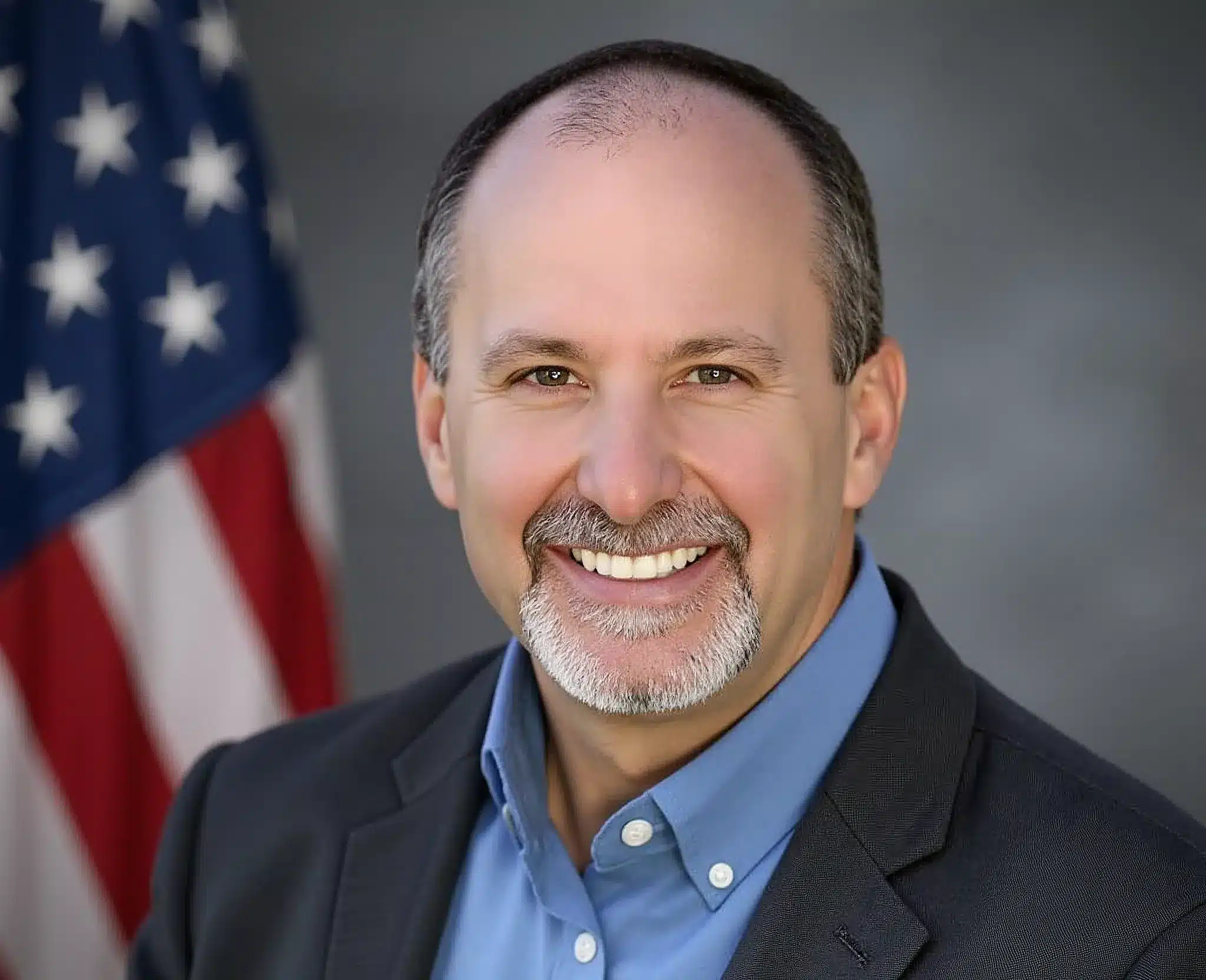
Our firm has a long-standing history of dedication to clients in Alta Sierra, providing personalized attention and clear guidance. We prioritize communication and responsiveness throughout your case.
We understand the challenges faced after an injury and work diligently to secure fair compensation that supports your recovery and financial needs.
With experience in a wide range of personal injury cases, we are prepared to handle complex issues and advocate effectively on your behalf.
We guide clients through every step of the personal injury legal process, from initial consultation to case resolution. Our goal is to provide clear explanations, manage deadlines, and advocate strongly for your interests.
The first step involves a thorough review of your case details and an investigation into the circumstances surrounding your injury to determine the best course of action.
Collecting medical records, accident reports, witness statements, and other relevant documentation to build a strong foundation for your claim.
Assessing who may be responsible for your injuries based on the facts and applicable laws.
Engaging with insurance companies and opposing parties to seek a fair settlement that adequately compensates your losses.
Preparing a detailed demand package outlining your injuries, damages, and requested compensation.
Communicating with insurers to negotiate terms that reflect the full value of your claim.
If a settlement cannot be reached, we are prepared to take your case to court to pursue the compensation you deserve.
Initiating formal legal proceedings to assert your claim before the court.
Developing a comprehensive trial strategy and representing you effectively throughout the courtroom process.
In California, the statute of limitations for personal injury claims is generally two years from the date of the injury. This means you must file your lawsuit within this timeframe to preserve your rights. Missing this deadline can result in losing the ability to seek compensation. It is advisable to consult with a legal professional as soon as possible to ensure your claim is timely and properly filed.
You may recover economic damages such as medical expenses, lost wages, and property damage, as well as non-economic damages including pain and suffering and emotional distress. In some cases, punitive damages may also be awarded to punish particularly negligent behavior. The specific damages available depend on the facts of your case and the extent of your injuries.
Not all personal injury claims require going to court. Many cases are resolved through negotiations and settlements with insurance companies. However, if a fair settlement cannot be reached, filing a lawsuit and proceeding to trial may be necessary. Your attorney will help you determine the best course of action based on the strength of your claim and opposing parties’ responses.
Many personal injury lawyers work on a contingency fee basis, meaning you pay no upfront fees and the lawyer receives a percentage of any settlement or award. This arrangement helps make legal representation accessible regardless of your financial situation. It is important to discuss fee structures during your initial consultation to understand any potential costs.
Seek medical attention as soon as possible, even if injuries seem minor, to ensure your health and document your condition. Report the accident to the appropriate authorities and gather evidence such as photos and witness information. Contact a personal injury attorney to discuss your legal options and protect your rights moving forward.
California follows a comparative negligence system, which means you can recover damages even if you were partially responsible for the accident. However, your compensation may be reduced by your percentage of fault. It is important to have legal guidance to accurately assess fault and negotiate fair compensation.
The duration of a personal injury case varies depending on factors such as case complexity, negotiation progress, and court schedules. Some cases settle within months, while others may take a year or more if litigation is necessary. Your attorney will keep you informed about the timeline and progress of your case.
Insurance companies often offer settlements early in the process, which may be less than what you deserve. It is important to carefully evaluate any offer with legal counsel before accepting to ensure it adequately compensates your losses. Your attorney can negotiate on your behalf to seek a fair agreement.
While it is possible to handle a claim independently, personal injury law can be complex and insurance companies may not always act in your best interest. Having legal representation helps protect your rights and improve the likelihood of receiving full compensation. Consulting with a lawyer can provide valuable insight even if you choose to manage the claim yourself.
Bring any relevant documents such as medical records, accident reports, insurance information, photographs, and correspondence related to your injury. Providing detailed information helps your attorney evaluate your case accurately and advise you on the best steps forward. Being prepared can make your consultation more productive and informative.
Experienced attorneys fighting for maximum compensation
[gravityform id=”2″ title=”false” description=”false” ajax=”true”]