

If you or a loved one has been involved in a train accident in Soledad, California, understanding your legal rights is essential. Train accidents can result in serious injuries and complex legal challenges. The Weinberger Law Firm is dedicated to helping accident victims navigate these challenges and seek the compensation they deserve through personalized and attentive legal support.
Train accidents often involve multiple parties and intricate regulations, making it important to have knowledgeable guidance throughout your case. Our team is committed to providing clear information and strong representation to ensure that your voice is heard and your interests are protected during every step of the legal process.
Navigating the aftermath of a train accident without legal support can be overwhelming. Legal assistance helps you understand the complexities of liability, insurance claims, and compensation options. By relying on a dedicated attorney, you gain access to resources and strategies that can improve the outcome of your case and provide peace of mind during a difficult time.
The Weinberger Law Firm, based in Sacramento, serves clients throughout California, including Soledad. Our team focuses on personal injury cases such as train accidents, providing compassionate and thorough legal support. We prioritize clear communication and dedicated representation to help clients pursue fair compensation for their injuries and losses.
Train accident cases involve unique legal complexities due to federal and state regulations governing railroads, as well as the involvement of multiple parties like train companies, employees, and government agencies. Understanding these factors is vital for building a strong case and pursuing appropriate compensation for injuries and damages sustained.
Legal services in this area include investigating the accident, gathering evidence, identifying liable parties, and negotiating with insurance companies. Having knowledgeable legal guidance can help you navigate these challenges effectively and ensure your rights are fully protected throughout the process.
Train accident legal services focus on representing individuals injured in collisions involving trains, whether as passengers, pedestrians, motorists, or bystanders. These services include case evaluation, evidence collection, liability assessment, and advocacy in settlement discussions or court proceedings to secure compensation for medical expenses, lost wages, and pain and suffering.
Important steps in train accident cases include determining fault, which can involve complex investigations into train operation, signal systems, and safety protocols. Legal professionals work to obtain accident reports, witness statements, and expert analyses to build a compelling case. They also assist in filing claims and negotiating with insurance providers to achieve fair settlements.
Familiarizing yourself with common legal terms can help you better understand your case. Below are definitions of important concepts related to train accident claims.
Liability refers to the legal responsibility for an accident or injury. In train accident cases, liability may rest with the train operator, rail company, or other involved parties depending on the circumstances.
Damages represent the monetary compensation sought by an injured party for losses such as medical bills, lost income, pain, and suffering resulting from a train accident.
Negligence is the failure to exercise reasonable care, which can lead to accidents. Proving negligence is often central to establishing liability in train accident claims.
A settlement is an agreement reached between parties to resolve a legal claim without going to trial. Settlements often involve compensation paid to the injured party in exchange for releasing further claims.
When pursuing a train accident claim, individuals can choose between handling the case themselves or engaging legal counsel. While self-representation may seem cost-effective, the complexities of railroad laws and insurance negotiations often require professional guidance to maximize compensation and avoid legal pitfalls.
If injuries are minor and liability is undisputed, some individuals may opt for a limited legal approach, handling claims directly with insurance companies. However, caution is advised as insurance offers may not fully cover all damages.
In cases where the facts are straightforward and compensation demands are modest, a limited approach may be feasible. Still, understanding legal rights and potential risks remains important to ensure fair resolution.
Train accidents often involve complex liability issues and serious injuries requiring detailed investigation and skilled negotiation to secure appropriate compensation. Comprehensive legal services provide the necessary support to handle these challenges effectively.
When multiple parties are involved, including rail companies and insurers, comprehensive legal representation helps coordinate claims, protect your interests, and pursue maximum recovery through settlements or litigation if needed.
Engaging comprehensive legal services ensures a thorough investigation of your case, access to expert resources, and strategic advocacy tailored to your unique circumstances. This approach helps identify all potential avenues for compensation and safeguards your rights throughout the process.
Clients benefit from experienced negotiation, reduced stress, and increased likelihood of favorable outcomes. Comprehensive representation also facilitates clear communication and timely updates to keep you informed every step of the way.
A thorough investigation uncovers critical evidence that can strengthen your case, including accident reports, witness testimonies, and technical analyses. This depth of preparation is essential in establishing liability and determining fair compensation.
Effective negotiation with insurance companies and responsible parties helps secure settlements that truly reflect the extent of your injuries and losses. Skilled advocacy also prepares your case for trial if a fair agreement cannot be reached.

Keep detailed records of your injuries, medical treatments, and any expenses related to the accident. Photographs of the accident scene and contact information of witnesses can also be invaluable when building your case.
Contacting a qualified attorney soon after your accident ensures timely investigation and preserves important evidence. Early legal advice can also help you understand your rights and options from the start.
Train accidents often cause significant physical, emotional, and financial hardship. Legal assistance provides support in navigating complex claims processes and helps ensure you receive fair compensation for medical bills, lost wages, and other damages.
With multiple parties potentially involved, establishing liability can be difficult. Professional legal representation helps gather evidence, negotiate with insurers, and advocate for your rights to protect your interests effectively.
Legal support is often needed following train accidents that result in serious injuries, disputed fault, or complex insurance claims. Cases involving pedestrians, motorists at railroad crossings, or passengers can present unique challenges that benefit from professional guidance.
Many train accidents occur at railroad crossings where vehicles or pedestrians collide with trains. These cases often involve questions of signal functionality, driver behavior, and railroad safety measures.
Passengers injured aboard trains due to derailments, collisions, or negligence require legal assistance to pursue claims against rail operators or manufacturers responsible for unsafe conditions.
Railroad employees injured on the job may face complex workers’ compensation and personal injury claims, necessitating experienced legal help to secure the appropriate benefits and compensation.
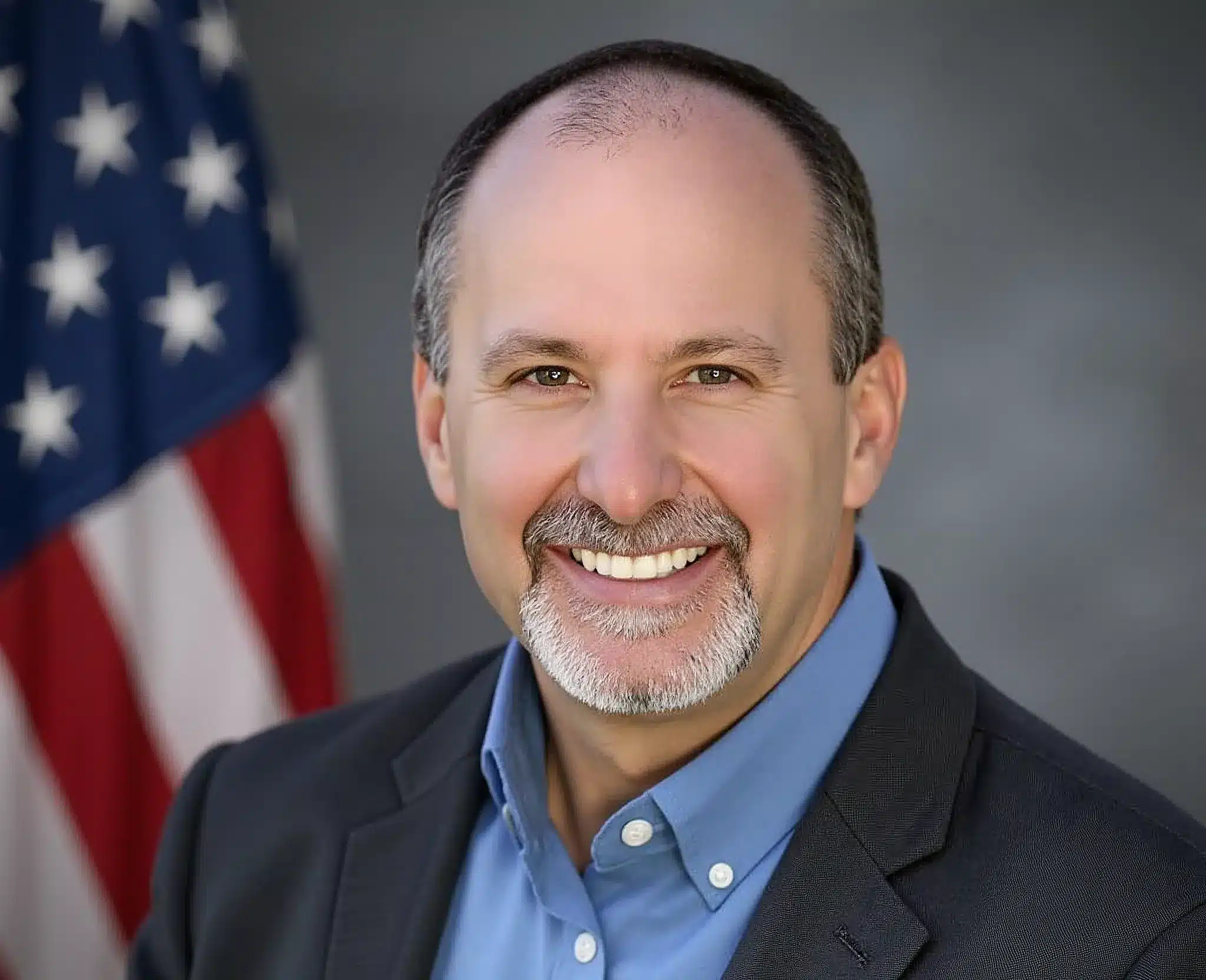
Our firm is committed to personalized attention and thorough case preparation tailored to the unique details of each train accident. We prioritize client communication and transparency throughout the legal process.
We work diligently to investigate every aspect of your case, collaborating with experts and gathering evidence to build strong claims that seek full and fair compensation for your losses.
With extensive experience handling personal injury cases across California, including Soledad, our team is prepared to advocate aggressively on your behalf, whether negotiating settlements or pursuing litigation.
From your initial consultation to case resolution, we provide comprehensive support that includes case evaluation, evidence gathering, negotiating with insurance companies, and preparing for trial if necessary. Our goal is to guide you through each phase with clarity and dedication.
We begin by reviewing your case details, medical records, and accident reports to understand the circumstances and identify responsible parties. This evaluation forms the foundation for building your claim.
During the consultation, we listen carefully to your account, collect relevant documents, and discuss your goals and concerns to tailor our approach to your needs.
We gather accident reports, witness statements, and other available evidence to begin constructing a clear picture of the events leading to your injury.
Our team conducts in-depth investigations, consults with experts when necessary, and prepares a compelling case to present during negotiations with insurance companies and liable parties.
We analyze technical details and safety records related to the train accident, working with specialists to clarify liability and quantify damages.
We advocate for fair settlement offers that fully reflect your injuries and losses, aiming to resolve your case efficiently while protecting your interests.
If a satisfactory settlement is not possible, we prepare your case for trial, handling all legal proceedings to pursue maximum compensation through the court system.
We organize all case materials, file necessary court documents, and develop strong arguments to present in trial.
Our attorneys advocate vigorously in court, presenting your case clearly and persuasively to achieve a favorable outcome.
After a train accident, your safety and health are the top priorities. Seek medical attention right away, even if injuries seem minor, as some symptoms may appear later. It’s also important to report the accident to local authorities and, if possible, document the scene with photos or notes. Contacting a qualified attorney promptly can help protect your legal rights. Legal counsel can guide you through the claims process, ensure evidence is preserved, and help you understand your options for compensation.
In California, the statute of limitations for personal injury claims, including train accidents, is generally two years from the date of the accident. This means you must file a lawsuit within this period to preserve your right to seek compensation. However, specific circumstances or parties involved may affect deadlines, so it’s important to consult with an attorney early to understand how these timelines apply to your case and to avoid missing critical filing dates.
Liability in train accidents can fall on various parties, including the train operator, the railroad company, contractors, or maintenance personnel, depending on the circumstances. Determining fault requires thorough investigation of the accident’s cause, including equipment condition, operator conduct, and safety protocols. An attorney can help identify responsible parties by reviewing evidence and expert reports, ensuring that all liable entities are held accountable for the damages suffered.
Victims of train accidents may be entitled to compensation for medical expenses, lost wages, rehabilitation costs, pain and suffering, and in some cases, punitive damages. The exact types and amounts of compensation depend on the severity of injuries and the details of the case. A legal professional can assess your situation to determine all possible damages and pursue claims that fully reflect the impact of the accident on your life and well-being.
Many personal injury attorneys, including those at The Weinberger Law Firm, offer free initial consultations to discuss your case and legal options. This allows you to understand how an attorney can assist without any financial commitment upfront. Typically, personal injury cases are handled on a contingency fee basis, meaning the attorney’s fees are paid only if you recover compensation, making legal services accessible to those injured in train accidents.
The timeline for resolving a train accident case varies depending on the complexity of the incident, the extent of injuries, and the cooperation of involved parties. Some cases settle within months, while others may take longer if litigation is necessary. Your attorney will provide guidance on expected timelines and keep you informed throughout the process, working diligently to resolve your claim as efficiently as possible while protecting your interests.
California follows a comparative negligence rule, which means you can still recover compensation even if you are partially at fault for the accident. However, your damages may be reduced by your percentage of fault. An attorney can help evaluate the circumstances and advocate for the maximum compensation allowable under the law, taking into account any shared responsibility in the accident.
Critical evidence includes accident reports, medical records, witness statements, photographs of the scene, and any available video footage. Technical information about the train’s operation and maintenance records may also be relevant. Gathering and preserving this evidence early is essential to building a strong case. Legal professionals assist in collecting and analyzing evidence to support your claim effectively.
Many train accident cases are resolved through settlement negotiations without going to trial. However, if a fair agreement cannot be reached, your case may proceed to court. An attorney will prepare you for the possibility of trial and advocate on your behalf, aiming for the best possible outcome whether through negotiation or litigation.
You can reach The Weinberger Law Firm by calling 916-602-3533 or visiting our website to schedule a free consultation. We serve clients throughout California, including Soledad, and are ready to discuss your train accident case confidentially. Our team is committed to providing attentive and personalized legal support to help you pursue the compensation you deserve following a train accident.
Experienced attorneys fighting for maximum compensation
[gravityform id=”2″ title=”false” description=”false” ajax=”true”]