

If you or a loved one has been involved in a jet ski accident in Kerman, California, understanding your legal options is essential. Jet ski accidents can result in serious injuries due to the high speeds and water conditions involved. Our team is dedicated to helping you navigate the complexities of personal injury law related to jet ski incidents, ensuring your rights are protected and you receive the compensation you deserve.
Navigating the aftermath of a jet ski accident can be overwhelming, especially when dealing with medical bills, lost wages, and emotional distress. Knowing the legal avenues available to you can make a significant difference in your recovery process. This guide outlines the key aspects of jet ski accident claims and how legal support in Kerman can assist you during this challenging time.
Seeking legal assistance after a jet ski accident can help ensure that your rights are upheld and that you receive fair compensation for your injuries and damages. A knowledgeable attorney can investigate the circumstances of your accident, gather crucial evidence, and negotiate with insurance companies on your behalf. This support helps alleviate the stress associated with legal proceedings while maximizing your chances for a favorable outcome.
At Weinberger Law Firm, we are committed to providing dedicated legal support to individuals affected by jet ski accidents in Kerman and the surrounding areas. Our approach focuses on personalized attention, thorough case evaluation, and aggressive representation to secure the best possible results for our clients. We understand the challenges involved and strive to guide each client through every step of the legal process with care and professionalism.
Legal claims arising from jet ski accidents often involve complex factors such as liability, negligence, and insurance coverage. Understanding these elements is key to pursuing a successful case. Factors like operator error, equipment malfunction, or unsafe water conditions can all contribute to an accident. Knowing how these aspects affect your claim can help you take informed steps toward resolving your case.
Additionally, jet ski accidents may involve multiple parties, including other riders, property owners, or manufacturers. Determining who is responsible requires careful investigation and legal knowledge. An attorney can assist in identifying liable parties and ensuring that all relevant claims are addressed to safeguard your interests.
A jet ski accident claim typically involves seeking compensation for injuries or damages resulting from a collision, operator error, or hazardous conditions while operating a personal watercraft. These claims can cover medical expenses, property damage, lost income, and pain and suffering. Understanding the nature of your claim helps in preparing the necessary documentation and evidence to support your case.
Handling a jet ski accident case involves gathering detailed information such as accident reports, medical records, witness statements, and photographic evidence. Establishing liability often requires analyzing watercraft operation laws and safety regulations in California. Once the facts are compiled, negotiations with insurance companies begin, aiming to reach a fair settlement. If necessary, the case may proceed to litigation to protect your rights fully.
Understanding specific legal terminology can help you better navigate your case. Below are common terms associated with jet ski accident claims, along with their definitions to clarify the processes involved.
Negligence refers to the failure to exercise reasonable care, resulting in harm to another person. In jet ski accidents, this could involve reckless operation or ignoring safety guidelines that lead to an accident.
Liability is the legal responsibility for damages or injuries caused. Establishing liability in jet ski accidents involves determining which party’s actions or negligence led to the incident.
Personal injury refers to physical or psychological harm suffered by an individual due to another party’s actions. Jet ski accident claims often seek compensation for such injuries.
A settlement is an agreement reached between parties to resolve a claim without going to trial. It usually involves compensation paid to the injured party in exchange for releasing liability claims.
After a jet ski accident, you may consider various legal paths including negotiated settlements or formal litigation. Each option has benefits and considerations depending on the specifics of your case, such as the extent of injuries and willingness of parties to cooperate. Understanding these options can help you make informed decisions about pursuing your claim.
If the injuries sustained in a jet ski accident are minor and medical expenses are limited, pursuing a straightforward settlement through insurance claims might be sufficient. This approach can save time and reduce legal costs while addressing immediate financial needs.
In cases where liability is clear and uncontested, a limited legal approach focusing on negotiation and settlement can efficiently resolve the matter. This often results in quicker compensation without the need for extended legal proceedings.
When multiple parties are involved or liability is disputed in a jet ski accident, a comprehensive legal approach is necessary. This includes thorough investigation, gathering evidence, and potentially pursuing litigation to ensure your rights are fully protected.
Serious injuries that result in long-term medical care or loss of income require a detailed legal strategy to secure adequate compensation. A comprehensive approach addresses all damages and future needs associated with the accident.
A comprehensive legal strategy ensures that all aspects of your jet ski accident claim are thoroughly addressed. This approach maximizes the potential for fair compensation by considering current and future damages, including medical costs, rehabilitation, and emotional distress.
With detailed case preparation and aggressive pursuit of your rights, a comprehensive approach can also enhance your bargaining position during settlement negotiations or trial, providing greater peace of mind throughout the legal process.
A comprehensive approach allows for an in-depth evaluation of all evidence and factors contributing to the accident. This thoroughness helps identify all liable parties and damages, ensuring that no aspect of your claim is overlooked.
By thoroughly preparing your case, you gain stronger leverage in negotiating with insurance companies and opposing parties. This can lead to more favorable settlement offers and better protection of your interests.

After a jet ski accident, take photos and videos of the accident scene, including any damages and injuries. This documentation can be invaluable in establishing facts and supporting your claim during legal proceedings.
Contacting a legal professional soon after your accident can help preserve evidence, protect your rights, and provide guidance on how to proceed with your claim effectively.
Legal support after a jet ski accident helps ensure you receive the compensation necessary to cover medical expenses, lost wages, and other damages. Navigating insurance claims and legal procedures can be complex, and professional guidance can make this process more manageable.
Moreover, legal assistance can provide peace of mind during a difficult time, allowing you to focus on recovery while your claim is handled efficiently and thoroughly by experienced professionals.
Jet ski accidents often occur under various circumstances such as collisions with other watercraft, operator error, mechanical failures, or hazardous water conditions. Each situation involves unique legal considerations that may necessitate professional legal assistance to address liability and seek compensation.
Collisions between jet skis and other boats or watercraft are frequent causes of injury. Determining fault and recovering damages in these cases often requires legal intervention to navigate complex liability issues.
Negligent operation such as speeding, reckless maneuvers, or failing to follow safety regulations can lead to accidents. Legal action may be necessary to hold the responsible party accountable.
Accidents caused by faulty or poorly maintained jet ski equipment may involve product liability claims. Addressing these cases often requires specialized legal knowledge to pursue claims against manufacturers or service providers.
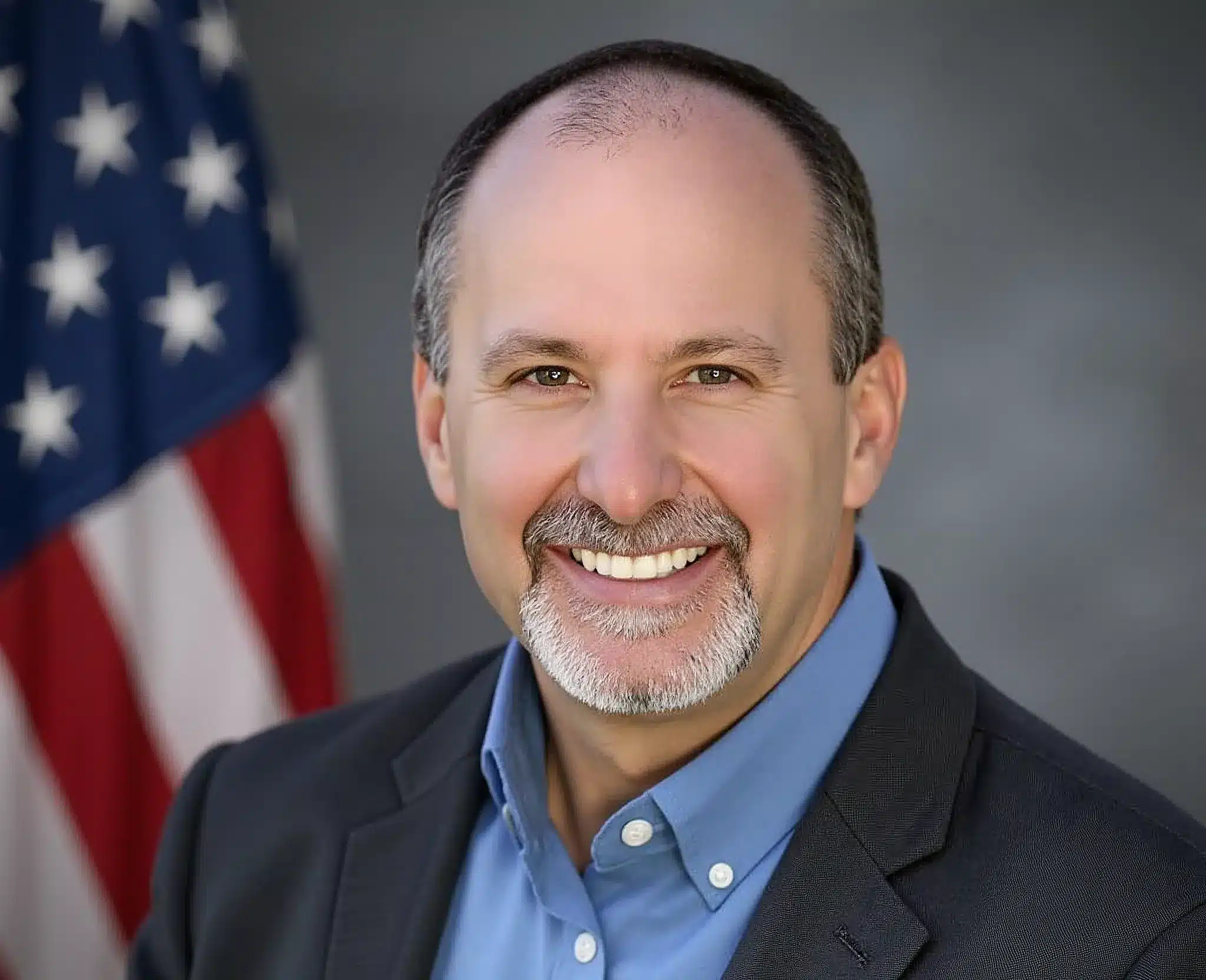
Our firm focuses on personal injury cases related to jet ski accidents, offering attentive and thorough legal representation tailored to your unique circumstances.
We work closely with clients to understand their needs, gather relevant evidence, and build strong cases that advocate for their rights and interests effectively.
By selecting our firm, you gain a committed partner dedicated to pursuing the best possible outcome for your jet ski accident claim in Kerman.
Our approach involves a detailed review of your case, collection of evidence, negotiation with insurance companies, and, if necessary, litigation to protect your rights. We keep you informed at every stage and work diligently to achieve favorable results.
We begin by thoroughly assessing the details of your jet ski accident, including medical records, reports, and witness statements to establish a clear understanding of your case.
Collecting all relevant documentation such as police reports, photographs, and medical records is crucial to building a strong foundation for your claim.
Determining who is legally responsible for the accident helps focus the claim and guides the negotiation or litigation process.
We engage with insurance companies and opposing parties to negotiate settlements that fairly compensate for your injuries and damages.
Preparing a detailed demand letter outlining your injuries, damages, and compensation expectations sets the stage for negotiations.
Our approach aims to maximize settlement offers while protecting your rights through strategic negotiation tactics.
If fair settlements cannot be reached, we are prepared to take your case to court to seek justice through litigation.
We handle all aspects of filing and managing the lawsuit, representing your interests throughout the trial process.
Comprehensive trial preparation ensures we present a compelling case on your behalf, aiming for the best possible verdict.
Immediately following a jet ski accident, prioritize your safety and seek medical attention even if injuries seem minor. Document the accident scene with photos and gather information from witnesses if possible. Reporting the accident to local authorities is also important. Taking these steps helps protect your health and supports any future legal claims you may pursue. Early legal consultation can further guide you through the process and ensure your rights are protected.
In California, the statute of limitations for personal injury claims, including jet ski accidents, is generally two years from the date of the accident. It is important to act promptly to preserve evidence and meet all legal deadlines. Failing to file within this time frame can result in losing your right to seek compensation. Consulting with a legal professional early can help ensure your claim is filed correctly and on time.
Compensation from a jet ski accident claim may cover medical expenses, lost wages, property damage, and pain and suffering caused by the accident. In cases of severe injuries, claims may also include compensation for long-term care and rehabilitation. The exact damages you can recover depend on the specifics of your case and the extent of your losses. Proper legal guidance is essential to identify and pursue all applicable damages.
California follows a comparative fault system, which means you can recover damages even if you were partially at fault. However, your compensation may be reduced by your percentage of fault. For example, if you are found to be 30% responsible, your damages award will be reduced by that amount. It is important to have legal support to accurately assess fault and protect your rights under this system.
While you are not required to hire a lawyer, having legal representation can greatly benefit your claim. A lawyer can help navigate complex legal procedures, negotiate with insurance companies, and ensure you receive fair compensation. Without legal support, you may risk accepting inadequate settlements or missing important deadlines. Legal guidance provides peace of mind and improves the likelihood of a successful outcome.
If the other party involved in the jet ski accident lacks insurance, recovering damages may be more challenging but not impossible. You may be able to pursue claims through your own insurance policy if it includes uninsured motorist coverage. Additionally, legal action can be taken to recover damages directly from the at-fault individual’s assets. Consulting with a legal professional can help explore all available options.
The duration of a jet ski accident claim varies based on the case’s complexity, severity of injuries, and cooperation of involved parties. Some claims settle within a few months, while others may take longer, especially if litigation is necessary. Patience and thorough preparation are important throughout the process. Legal guidance can help manage expectations and work toward timely resolution.
Yes, emotional distress resulting from a jet ski accident can be included as part of your damages claim. Compensation can be sought for psychological impact such as anxiety, depression, or trauma related to the incident. Documenting these effects with medical or psychological evaluations strengthens your claim. Legal assistance helps ensure these damages are properly addressed.
If a defective jet ski contributed to your accident, you may have a product liability claim against the manufacturer or seller. These cases involve proving the defect and its role in causing your injuries. Product liability claims can be complex and require detailed investigation. Legal support is valuable in pursuing compensation in such situations.
To start your jet ski accident claim with Weinberger Law Firm, contact our office to schedule a free consultation. During this meeting, we will review your case details, answer your questions, and outline the next steps. Our team is committed to providing personalized attention and guiding you through every phase of your claim to achieve the best possible results.
Experienced attorneys fighting for maximum compensation
[gravityform id=”2″ title=”false” description=”false” ajax=”true”]