
Table of Contents
- 1. Prioritize Your Safety and Medical Care Immediately
- 2. Document the Scene and Gather Evidence Right Away
- 3. Report the Accident to Law Enforcement
- 4. Obtain the Drunk Driver’s Insurance Information
- 5. Preserve All Medical Records and Treatment Documentation
- 6. Understand California’s Statute of Limitations for Filing
- 7. Work with an Experienced Drunk Driving Injury Attorney
- Frequently Asked Questions (FAQ)
1. Prioritize Your Safety and Medical Care Immediately
A drunk driving accident changes everything in moments. You may be facing serious injuries, medical expenses mounting by the day, lost wages, and uncertainty about what happens next. If another person’s impaired driving caused your injury, you have rights after an accident. The actions you take in the hours and days following the crash can significantly affect your ability to secure fair compensation.
We understand this is overwhelming. At Weinberger Law Firm, we’ve guided hundreds of accident victims through drunk driving injury claims in Sacramento and across California. We’ll walk you through the essential steps to protect your health, preserve critical evidence, and build a strong case. Time is limited — act now to safeguard your claim and your recovery.
Your physical safety and health are the only priorities in the immediate aftermath of a drunk driving accident. Move to a safe location if you can do so without risk, and assess whether you or others need emergency care.
Call 911 if anyone has visible injuries, difficulty breathing, loss of consciousness, or suspected internal injuries. Even if pain feels mild, seek medical evaluation right away. Drunk driving accidents often cause injuries that worsen over hours or days—whiplash, soft tissue damage, concussions, and internal bleeding may not be immediately obvious. A medical professional will document your condition and create an official record, which becomes crucial evidence for your claim.
Get a thorough medical evaluation and follow all treatment recommendations. This accomplishes two things: it protects your health, and it establishes a clear medical timeline linked to the accident. Insurance companies and courts rely on contemporaneous medical records to assess injury severity and damages. Delays between the accident and treatment can weaken your claim by suggesting injuries were not serious.
Your action: Seek medical care within 24 hours of the accident, even for what feels like minor discomfort. Request copies of all medical reports, imaging results, and provider notes.
2. Document the Scene and Gather Evidence Right Away
Evidence collected at the accident scene is irreplaceable. Once the scene is cleared, traffic patterns resume, and witnesses leave, that evidence may be lost forever. If you’re physically able and safe, gather information while details are fresh and the scene remains largely unchanged.
Take photos and video of the accident scene from multiple angles. Capture the vehicles’ positions, damage to all vehicles involved, road conditions, weather, traffic signals, street signs, and any skid marks. Photograph the drunk driver’s appearance and demeanor if safely possible—intoxication signs like bloodshot eyes or slurred speech may be documented visually. These details often matter when establishing impairment.
Collect witness names, phone numbers, and email addresses from anyone who saw the accident occur. Witnesses can corroborate what happened and describe the drunk driver’s behavior before impact. Ask witnesses if they noticed signs of impairment—swerving, speeding, erratic driving, or the driver’s condition after the crash.
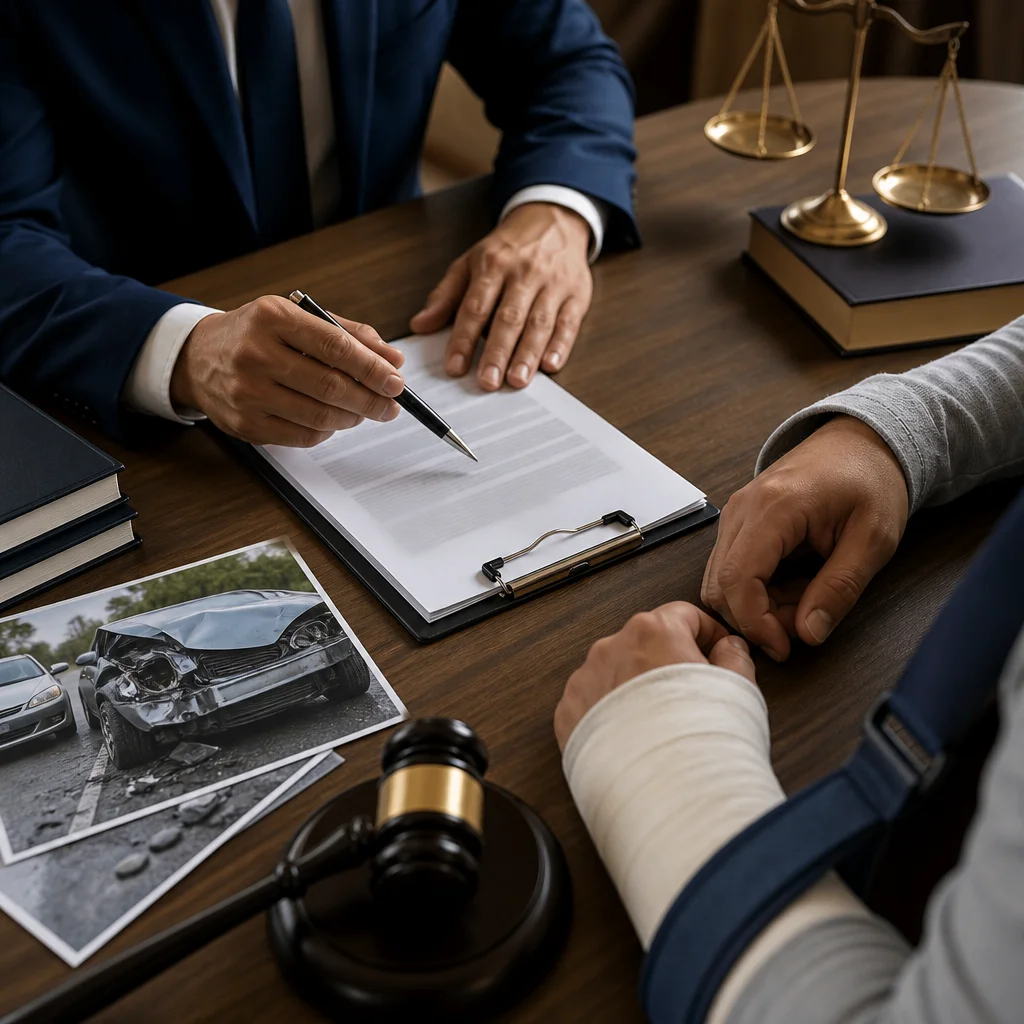
Look for nearby traffic cameras, doorbell cameras, or business surveillance systems that may have captured the collision. Note the locations of cameras and businesses. We will investigate all available evidence, including requesting footage from local businesses, traffic authorities, and nearby properties. Traffic camera footage can be decisive in establishing fault and showing the drunk driver’s negligence.
Your action: Document everything with photos and notes. Write down witness information and specific observations. Preserve your own clothing and vehicle parts if they were damaged.
3. Report the Accident to Law Enforcement
A police report is the official record of the accident and often includes the officer’s assessment of fault, observations about driver impairment, and any field sobriety tests or breathalyzer results. This report becomes foundational evidence in your claim.
Call 911 or the local police non-emergency line to report the accident. Provide a clear, factual account of what happened. Stick to what you observed—the other vehicle’s movements, the impact, and any signs of impairment you noticed. Let the officer investigate; do not argue or speculate about the other driver’s condition.
Request the police report number and ask when it will be available. California law allows you to obtain the full report within days or weeks. The report will include the officer’s observations, any citations issued to the drunk driver, breath or blood test results if performed at the scene, and witness statements.
Cooperate fully with law enforcement but remember you do not have to discuss details of your injuries or admit fault. Keep responses factual and brief. The police report protects your interests by creating an independent, official record before memories fade or facts are disputed.
Your action: Report the accident to police immediately. Obtain the case report number. Follow up to obtain a copy of the full police report within one to two weeks.
4. Obtain the Drunk Driver’s Insurance Information
The at-fault driver’s insurance is typically your first source of recovery. You’ll need their policy information to file a claim and begin the compensation process.
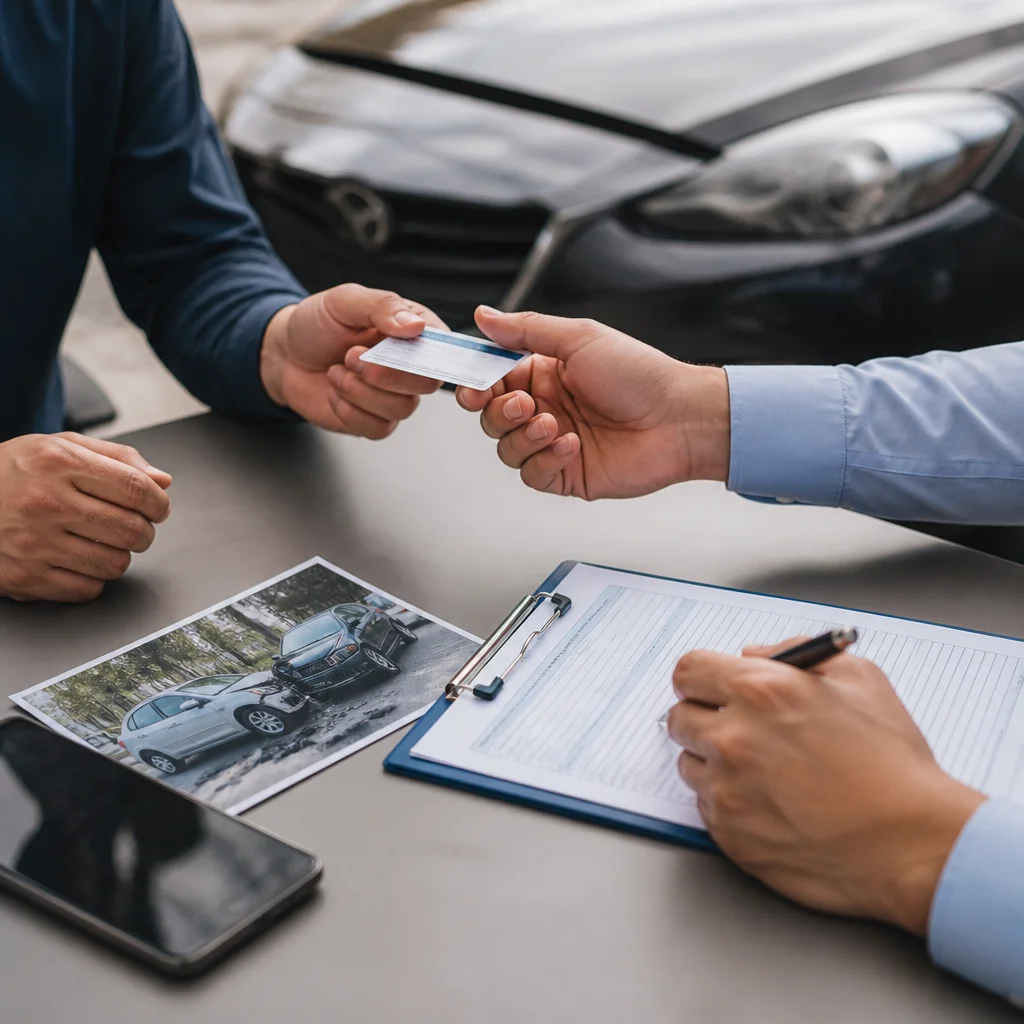
Exchange information with the other driver if it’s safe to do so. Ask for their full name, phone number, address, driver’s license number, vehicle information, and insurance details. Write down their insurance company name, policy number, and agent contact information. Many states require drivers to provide this at the scene; California drivers are legally required to exchange this information.
Do not sign anything at the scene except a police report. Do not make statements accepting fault or apologizing, as these can be used against you. Keep interactions brief and civil. If the other driver is hostile, intoxicated, or unsafe, wait for police to document information.
Contact the at-fault driver’s insurance company to notify them of the accident and your injuries. Provide factual details but do not accept a quick settlement offer or give a detailed statement without legal guidance. Insurance companies are skilled at minimizing payouts. We pursue full and fair compensation, not whatever the first settlement offer provides.
Your action: Collect the drunk driver’s full insurance and personal information. Call their insurer to report the claim. Do not accept any settlement until you understand your full damages.
5. Preserve All Medical Records and Treatment Documentation
Every medical interaction following the accident becomes evidence of your injuries and recovery. Medical bills and lost wages form the foundation of your damages, but comprehensive documentation of treatment is equally important.
Request copies of all medical records from every healthcare provider you see—emergency room, urgent care, primary care physician, specialists, physical therapists, and mental health professionals. Include hospital discharge summaries, imaging reports, lab results, treatment plans, and provider notes. Organize these chronologically and store them securely.
Document your out-of-pocket expenses related to the accident and injury. Keep receipts for prescription medications, over-the-counter pain relievers, medical equipment, transportation to appointments, and any adaptive aids you needed due to your injuries. Track time lost from work, including email confirmation from your employer of dates missed and wages lost.
Maintain a personal injury journal describing your pain levels, emotional state, limitations on daily activities, impacts on work performance, and how injuries affect your relationships and quality of life. This narrative record of your suffering supports claims for non-economic damages like pain and suffering. Insurance adjusters and juries value this first-person documentation.
Your action: Gather all medical records from the day of the accident forward. Organize by date and provider. Keep expense receipts and work loss documentation. Update a daily recovery journal.
6. Understand California’s Statute of Limitations for Filing
California law imposes strict deadlines for filing personal injury claims. Missing this deadline means losing your right to sue, regardless of how strong your case is.
For most drunk driving injury claims in California, you have two years from the date of the accident to file a lawsuit in court. This is called the statute of limitations—the filing deadline. If you’re pursuing a claim against a government entity (such as a city or county vehicle), the deadline may be shorter, often just six months from the injury date. Understanding which deadline applies to your case is critical.
The statute of limitations clock starts the day of the accident and runs whether or not you’ve settled with insurance or pursued a claim. Many accident victims mistakenly believe they have more time after reaching a settlement with an insurance company—this is false. The legal deadline doesn’t extend based on settlement negotiations. We recommend contacting an experienced attorney well before the deadline approaches to ensure your rights are protected.
Our statute of limitations guide explains California’s filing deadlines in detail, including exceptions and how they apply to your specific situation.
Your action: Note the date of your accident and mark two years forward on a calendar. Contact an attorney within one year to begin building your case while evidence is fresh.
7. Work with an Experienced Drunk Driving Injury Attorney
You can handle small claims on your own, but drunk driving accident claims typically involve serious injuries, substantial damages, and complex liability and insurance issues. Insurance companies have teams of adjusters and attorneys working to minimize what they pay you. Without experienced legal representation, you’re at a significant disadvantage.
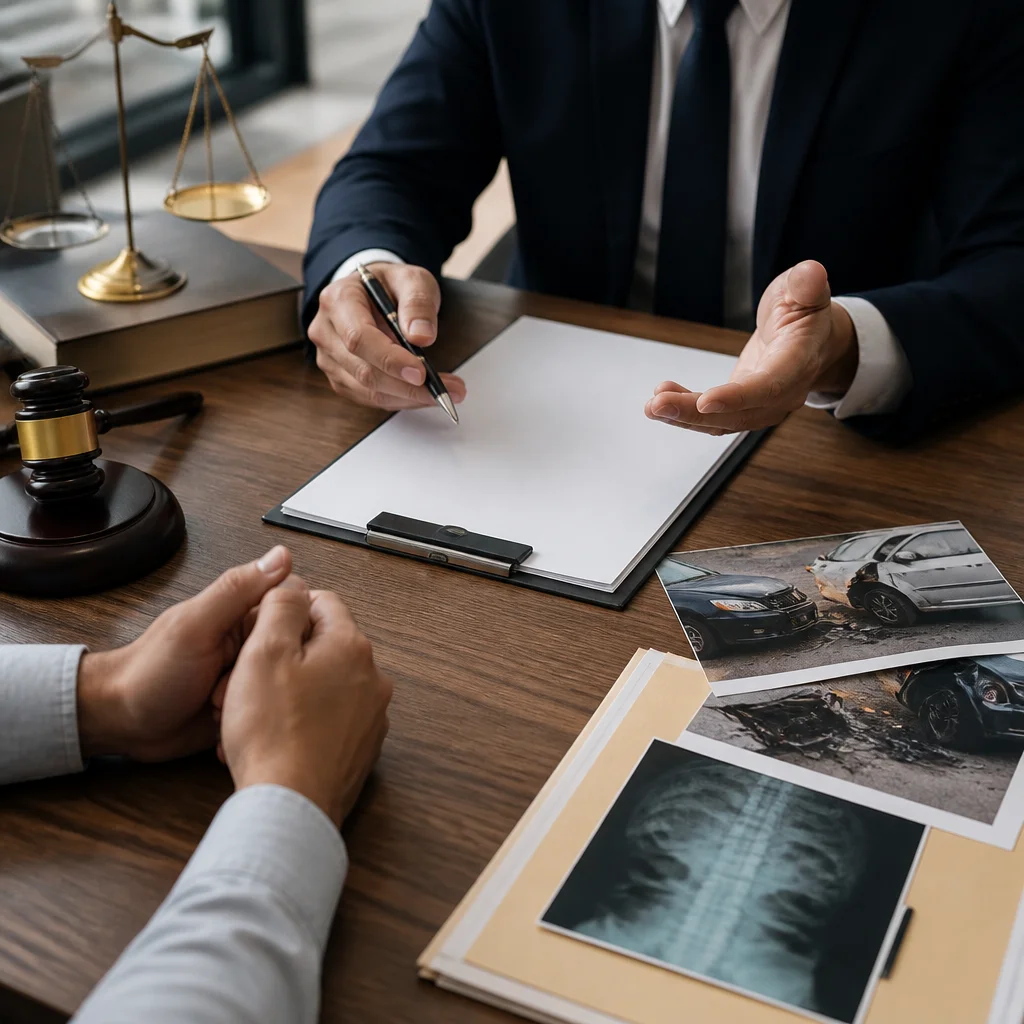
An experienced drunk driving injury attorney investigates the crash thoroughly, gathers police reports, obtains traffic camera footage, interviews witnesses, and reconstructs the accident to establish the other driver’s negligence. We negotiate aggressively with insurance companies, presenting evidence of their insured’s liability and the full extent of your damages. When insurance companies refuse fair settlements, we’re prepared to litigate your case in court.
Beyond investigation and negotiation, we handle the administrative burden—filing paperwork, meeting deadlines, managing correspondence with insurers and courts—so you can focus on recovery. We also advise you on California personal injury law, explain your options, and ensure you understand each stage of your claim. This guidance is invaluable when you’re injured, stressed, and unfamiliar with legal procedures.
Our firm works on a contingency fee basis: no fee unless we recover for you. This means you don’t pay upfront legal costs, and we’re motivated to secure the maximum compensation possible. We offer free consultations to discuss your case, answer questions, and explain how we can help.
A drunk driving accident lawyer with proven experience handling impaired driving cases understands the specific evidence prosecutors and juries value. We know how to work with expert witnesses, challenge insurance defense tactics, and present your case compellingly. The difference between representing yourself and working with us often amounts to tens of thousands of dollars in additional compensation.
Your action: Contact Weinberger Law Firm for a free consultation. Bring any documents you’ve gathered—police reports, medical records, insurance information, photos—and we’ll evaluate your case and explain the path forward.
You have rights after an accident caused by another person’s drunk driving. Taking these seven steps—prioritizing medical care, gathering evidence, reporting to police, obtaining insurance information, preserving medical documentation, understanding filing deadlines, and engaging an experienced attorney—positions you to pursue full and fair compensation. Time is limited — act now. Contact us today to discuss your case and take the next step toward recovery and justice.
Contact us today for a Free Case Consultation!
Frequently Asked Questions (FAQ)
What should I do immediately after a drunk driving accident in California?
Your safety comes first. We recommend getting medical care right away, even if injuries aren’t obvious, since some injuries appear later. Then document everything at the scene: photos of vehicle damage, road conditions, and the other driver’s appearance and behavior. Report the accident to police and obtain the drunk driver’s insurance information before leaving the scene.
How long do I have to file a lawsuit after being hit by a drunk driver?
California’s statute of limitations gives you two years from the accident date to file a personal injury lawsuit. This deadline is strict, so time is limited and acting quickly protects your rights. We strongly encourage you to contact us as soon as possible so we can begin investigating your case and preserving critical evidence before it disappears.
Will I have to pay upfront fees to work with your firm?
No. We work on a contingency basis, meaning we collect no fee unless we recover compensation for you. This approach aligns our success with yours, so we’re fully invested in maximizing what you receive for medical bills, lost wages, and other damages from the at-fault drunk driver.