
Table of Contents
- 1. Document the Scene and Preserve All Evidence Immediately
- 2. Seek Comprehensive Medical Treatment and Keep Detailed Records
- 3. Report the Accident to Insurance Companies Properly
- 4. Understand California Liability Laws for Truck Accidents
- 5. Calculate All Damages Including Medical Bills and Lost Wages
- 6. Avoid Common Mistakes That Reduce Settlement Value
- 7. Partner With an Experienced Truck Accident Attorney for Maximum Recovery
- Frequently Asked Questions (FAQ)
1. Document the Scene and Preserve All Evidence Immediately
If you were injured in a truck accident, you’re facing more than just physical recovery. Medical bills mount quickly, lost wages compound your stress, and insurance companies often push back hard on claims. You have rights after an accident, and there are concrete steps you can take right now to strengthen your position and maximize the compensation you deserve.
Truck accidents differ significantly from typical car crashes. Commercial trucks weigh 80,000 pounds or more, causing catastrophic injuries. Multiple parties may share liability: the truck driver, the trucking company, the vehicle manufacturer, or a maintenance contractor. California law gives you powerful tools to pursue full and fair compensation, but only if you act strategically and preserve critical evidence from the start.
We’ve helped countless injured clients navigate this process. The difference between a modest settlement and the maximum recovery often comes down to early decisions and meticulous documentation. Here’s what you need to know.
The first hours after a truck accident are critical. Your memory fades, physical evidence disappears, and witnesses scatter. If you’re able to do so safely, capture the accident scene before emergency personnel leave or traffic clears.
Take photographs of vehicle damage, road conditions, traffic signals, and sight lines from the truck driver’s perspective. This visual record becomes powerful evidence later. Get contact information from every witness, including passersby, other drivers, and bystanders. Their statements often matter more than what either party claims happened.
Traffic camera footage from nearby businesses or intersections can be decisive. Request it immediately, as many systems overwrite footage every 30 to 90 days. Preserve any dash cam video from your vehicle or nearby cars. Save your own medical records, including emergency room visit summaries, as these establish injury timing and severity.
Write down everything you remember about the crash while it’s fresh: the truck’s speed, lane position, weather conditions, time of day, and the driver’s behavior. Don’t wait weeks or months to document your recollection.
What to do next: Check your phone for any photos or videos you took. Contact the police non-emergency line to obtain the accident report number. Call nearby businesses along the accident route and ask if they have surveillance cameras. Time is limited, so request this information within days, not weeks.
2. Seek Comprehensive Medical Treatment and Keep Detailed Records
Delaying medical care is one of the costliest mistakes injured people make. Insurance companies use treatment gaps as ammunition, suggesting your injuries weren’t serious. Even if you feel okay initially, internal injuries, soft tissue damage, and psychological trauma can emerge days or weeks later.
Seek immediate emergency care if you have any signs of injury: pain, numbness, difficulty moving, head symptoms, or chest discomfort. Follow all medical advice, including physical therapy, specialist referrals, and recommended imaging. Keep every medical bill, receipt, and explanation of benefits statement.
Your medical records tell the story of your injury and recovery. They document the treatments you received, your doctors’ assessments of your condition, and your prognosis. Insurance adjusters and juries rely heavily on this documentation to understand the full scope of your damages. Consistent, timely treatment demonstrates that your injuries are genuine and ongoing.

Document your pain levels, limitations, and how the injury affects daily life. Note days you missed work, activities you couldn’t perform, and emotional challenges like anxiety or sleep disruption. This narrative becomes part of your compensation claim.
What to do next: Schedule medical appointments this week, even if symptoms seem mild. Ask your healthcare provider to document all findings in writing. Create a folder (physical or digital) containing every medical bill and record. Request complete copies of your medical file from each provider for your records.
3. Report the Accident to Insurance Companies Properly
You must report the accident to your own insurance carrier and likely to the at-fault party’s insurer. However, how you handle these communications directly affects your claim’s value.
Contact your insurance company promptly, but keep your statement brief and factual. Provide only the essential details: time, location, vehicles involved, and that you’re obtaining medical treatment. Do not speculate about fault, describe your injuries in detail, or admit any responsibility beyond the basic facts.
The at-fault party’s insurance adjuster will contact you. Do not speak with them without guidance. Adjusters are skilled at getting you to minimize injuries, accept quick settlements, or say things that undermine your claim. Even well-intentioned comments can be misinterpreted and used against you later.
Many accident victims sign medical authorization forms or release documents thinking it’s routine. These forms can give the other side access to your entire medical history, including records unrelated to the accident. They may also lock you into a settlement before you understand your full damages.
Never accept an initial settlement offer. Insurance companies count on injured people accepting fast payouts that don’t cover actual losses. We help our clients maximize insurance settlements by negotiating professionally on their behalf, ensuring every damage category is addressed.
What to do next: Notify your insurance company today. Write down the date, time, and adjuster’s name for your records. Do not give recorded statements or sign anything without reviewing it first. If the other insurer contacts you, take their information and say, “I’ll have my attorney contact you.”
4. Understand California Liability Laws for Truck Accidents
California follows a “pure comparative negligence” rule. This means you can recover compensation even if you’re partially at fault, as long as the other party bears some responsibility. Your recovery is reduced by your percentage of fault, but you’re not barred from claiming damages entirely.
Truck accidents often involve shared liability. The truck driver may have been negligent (speeding, fatigued, distracted driving), but the trucking company may also be liable for inadequate training, poor vehicle maintenance, or pressure to meet impossible schedules. The vehicle manufacturer could be responsible if a mechanical failure contributed to the crash.
Federal motor carrier regulations impose strict safety requirements on commercial trucks. Violations of these rules can establish negligence directly. Truck drivers must maintain detailed logbooks recording hours of service, and violations suggest fatigue was a factor. Maintenance records reveal whether the truck had known defects. Cell phone records and dash cam footage can prove distracted driving.
Evidence matters in California truck accident claims. The party that documents injuries thoroughly, preserves physical evidence, and investigates all contributing factors builds the strongest case. This is where professional legal guidance becomes invaluable.
What to do next: Request the truck driver’s employment record from the trucking company. Ask your healthcare provider whether your injuries are consistent with truck accident trauma (high-impact forces). Keep a timeline showing the driver’s route, stop times, and hours, if available.
5. Calculate All Damages Including Medical Bills and Lost Wages
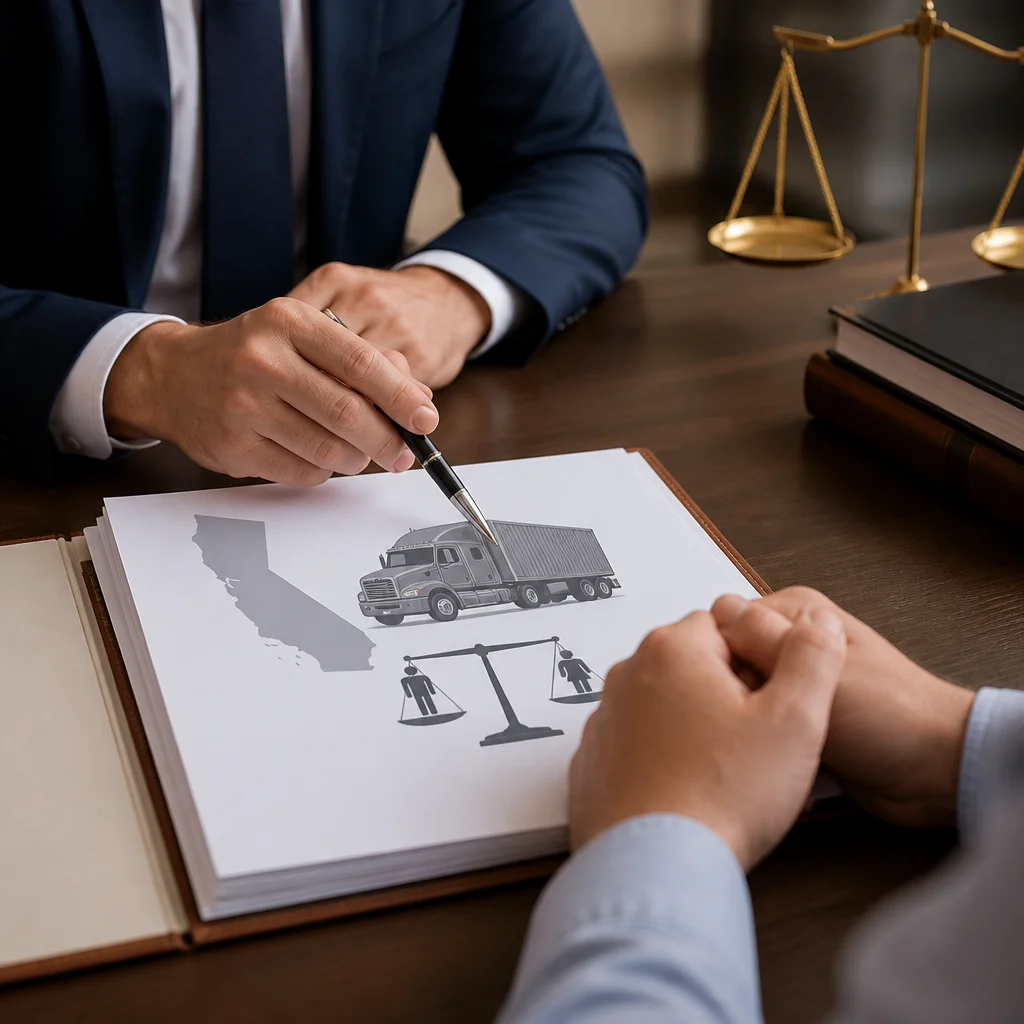
Many injured people focus only on immediate medical expenses and miss significant recovery opportunities. California law allows compensation for medical bills and lost wages, but also for pain and suffering, permanent disability, reduced earning capacity, and future care needs.
Medical bills include emergency room costs, hospital stays, surgeries, medications, imaging, therapy, and any ongoing or anticipated treatment. Calculate both current bills and projected future costs. If you’ll need ongoing physical therapy or medication management for years, that’s part of your damages.
Lost wages cover income you missed during recovery and medical appointments. If you’re self-employed or receive commission-based pay, document your average earnings and prove how the injury reduced your income. Some clients must change careers due to injury, and reduced future earning capacity is a legitimate damage claim.
Pain and suffering awards vary based on injury severity and California case law. A serious truck accident injury might justify substantial pain and suffering damages. Permanent scarring, chronic pain, or lasting psychological effects increase these awards. Juries consider quality of life impact: can you play with your children, exercise, work in your field, or sleep comfortably?
Property damage to your vehicle is separate from personal injury damages. Loss of use (transportation costs while your car is repaired) and diminished value (if the vehicle never fully recovers its pre-accident condition) are additional claims.
We investigate all available evidence to build a complete damages picture. This comprehensive approach typically results in higher settlements than clients would secure alone.
What to do next: List all medical expenses in a spreadsheet with dates and amounts. Calculate lost wages by multiplying your daily rate by the days you missed work. Document permanent injuries with medical notes and photographs. Estimate future treatment costs with input from your healthcare providers.
6. Avoid Common Mistakes That Reduce Settlement Value
One critical error is discussing your accident on social media. Insurance adjusters monitor social platforms specifically for statements that contradict injury claims. A photo of you standing at an event, even if you’re in pain, can be weaponized as proof your injuries are minor. Avoid all public discussion of your case until settlement is final.
Accepting the first insurance settlement offer is another costly mistake. Initial offers are typically 30 to 50 percent below what thorough negotiation can secure. You have no second chance once you sign a release; the insurance company owns the claim and owes you nothing further.
Failing to seek treatment or skipping medical appointments weakens your claim substantially. Gaps in care create opportunities for adjusters to argue your injuries resolved or weren’t serious. If finances are tight, discuss payment plans with providers rather than avoiding treatment.
Giving detailed recorded statements to the other party’s insurance company is dangerous. Adjusters use these statements to identify weaknesses in your account, trip you up on details, or claim you admitted fault. Polite refusal is always appropriate.
Overlooking secondary claims is common. If a defective truck part caused the accident, you may have a product liability claim against the manufacturer. If the trucking company violated federal safety regulations, that’s evidence of negligence. These avenues require professional investigation.
What to do next: Deactivate or restrict social media privacy settings immediately. Keep all medical appointments and notify providers if you need to reschedule. Do not post about your recovery, treatment, or settlement discussions online. Decline any recorded statements until your attorney advises otherwise.

7. Partner With an Experienced Truck Accident Attorney for Maximum Recovery
Truck accident cases are complex. Insurance companies have experienced teams working to minimize payouts. You deserve equally skilled advocacy working for your interests. An attorney experienced in truck accident legal services investigates thoroughly, negotiates effectively, and litigates confidently when necessary.
We understand California personal injury law and how juries evaluate truck accident cases. We interview witnesses, obtain expert analysis on causation and injury severity, and build compelling narratives that connect evidence to damages. Our negotiation track record with insurance companies reflects our ability to secure full value.
Many injured people worry about legal costs. We work on a contingency fee basis: no fee unless we recover for you. This means you pay nothing upfront, and we’re motivated by your success. We invest resources in your case because we share the financial risk.
The statute of limitations for personal injury claims in California is generally two years from the injury date. This filing deadline approaches faster than most people realize, especially while recovering and managing medical care. Waiting too long forfeits your right to sue entirely.
We offer a free consultation to review your case, explain your rights, and discuss next steps. During this conversation, we’ll evaluate liability, estimate damages, assess insurance coverage, and recommend a strategy. This guidance alone often clarifies your options and empowers better decisions.
What to do next: Contact Weinberger Law Firm today for a free, no-obligation consultation. Bring any accident documentation, medical records, insurance correspondence, and photos you’ve collected. We’ll answer your questions about California truck accident law, explain the compensation process, and tell you exactly what to expect moving forward.
You’ve already taken the most important step by seeking information about your rights. Truck accident compensation in California is achievable when you act decisively, preserve evidence, document thoroughly, and partner with legal professionals committed to your recovery. We’re ready to help you secure the full compensation you deserve.
Contact us today for a Free Case Consultation!
Frequently Asked Questions (FAQ)
How do we help maximize your truck accident settlement in California?
We investigate all available evidence, negotiate aggressively with insurance companies, and ensure we calculate every damage category including medical bills, lost wages, and pain and suffering. Our team guides you through California’s liability laws to build the strongest possible claim and pursue full and fair compensation for your injuries.
What should we know about the statute of limitations for filing a truck accident claim in California?
Time is limited when it comes to filing your claim. In California, you typically have two years from the date of your accident to file a personal injury lawsuit, so we recommend contacting us immediately to preserve your rights and begin our investigation before critical evidence becomes unavailable.
Why is it important to work with us rather than handling your truck accident claim alone?
We navigate the complexities of commercial truck accident cases while you focus on recovery. We handle all communication with insurance companies, prevent costly mistakes that reduce settlement value, and manage the litigation process if needed, all while you pay no fee unless we recover compensation for you.