
Table of Contents
- Why Drunk Driver Accidents Demand Immediate Legal Action
- The Hidden Costs Beyond Medical Bills
- How Negligence Laws Protect You After a DUI Collision
- Our Thorough Investigation Process for Drunk Driving Cases
- Building Your Evidence: Police Reports, BAC Testing, and More
- Negotiating with Insurance Companies on Your Behalf
- Understanding Damages and Compensation You Can Pursue
- The Statute of Limitations for DUI Accident Claims
- Why You Should Never Handle This Alone
- Your Free Consultation: How We Help You Next
- No Fee Unless We Recover for You
- Frequently Asked Questions (FAQ)
Why Drunk Driver Accidents Demand Immediate Legal Action
If you were injured by a drunk driver, you have rights after an accident. The negligence that caused your injury also created a legal responsibility for the other party to compensate you for your losses. We understand this is an overwhelming time, and our role is to guide you through the claims process so you can focus on healing.
Drunk driving accidents are not ordinary collisions. When someone operates a vehicle while impaired, they’ve made a deliberate choice that endangered your life. This aggravated negligence often strengthens your claim and can support higher compensation.
Time is limited — act now. California law imposes strict deadlines for filing personal injury claims, and evidence can disappear if not preserved promptly. Witness memories fade, traffic camera footage gets deleted, and police reports can become harder to obtain. Every day that passes makes our investigation more difficult.
Beyond the legal deadline, there’s another urgency: preserving any evidence and getting medical care immediately protects both your health and your case. Medical records create a documented link between the accident and your injuries, which insurers and courts require to evaluate damages fairly.
The Hidden Costs Beyond Medical Bills
Most accident victims focus on immediate medical expenses, but drunk driving injuries often carry far broader financial consequences. While your emergency room bills and surgery costs are real, they rarely capture the full picture.
Consider these often-overlooked expenses:
- Lost wages during recovery and ongoing treatment
- Reduced earning capacity if injuries prevent you from returning to your previous job
- Physical therapy, mental health counseling, and long-term care
- Transportation costs for medical appointments and rehabilitation
- Home modifications if mobility is affected
- Vehicle repair or replacement
- Childcare or household help during your recovery
Many accident victims also experience chronic pain, anxiety, or depression that requires ongoing treatment. These hidden costs accumulate over months and years, adding thousands of dollars to your genuine financial burden. We will investigate all available evidence of your losses, including future medical needs and reduced income potential.
How Negligence Laws Protect You After a DUI Collision
California negligence law establishes a clear framework for holding drunk drivers accountable. To succeed in a personal injury claim, we must prove four elements: the driver owed you a duty of care, they breached that duty through impaired driving, their breach caused your injuries, and you suffered damages.
A drunk driver’s BAC (blood alcohol concentration) level and failed sobriety tests provide powerful evidence of that breach. Unlike typical accidents where fault can be disputed, drunk driving cases often benefit from objective, measurable proof. Police reports typically document breathalyzer results, field sobriety test performance, and arresting officer observations.
Beyond criminal charges, civil law allows you to recover compensation regardless of the criminal outcome. Even if the drunk driver’s criminal case is dismissed or they receive a light sentence, you retain your independent right to pursue full and fair compensation through a civil claim.
Our Thorough Investigation Process for Drunk Driving Cases
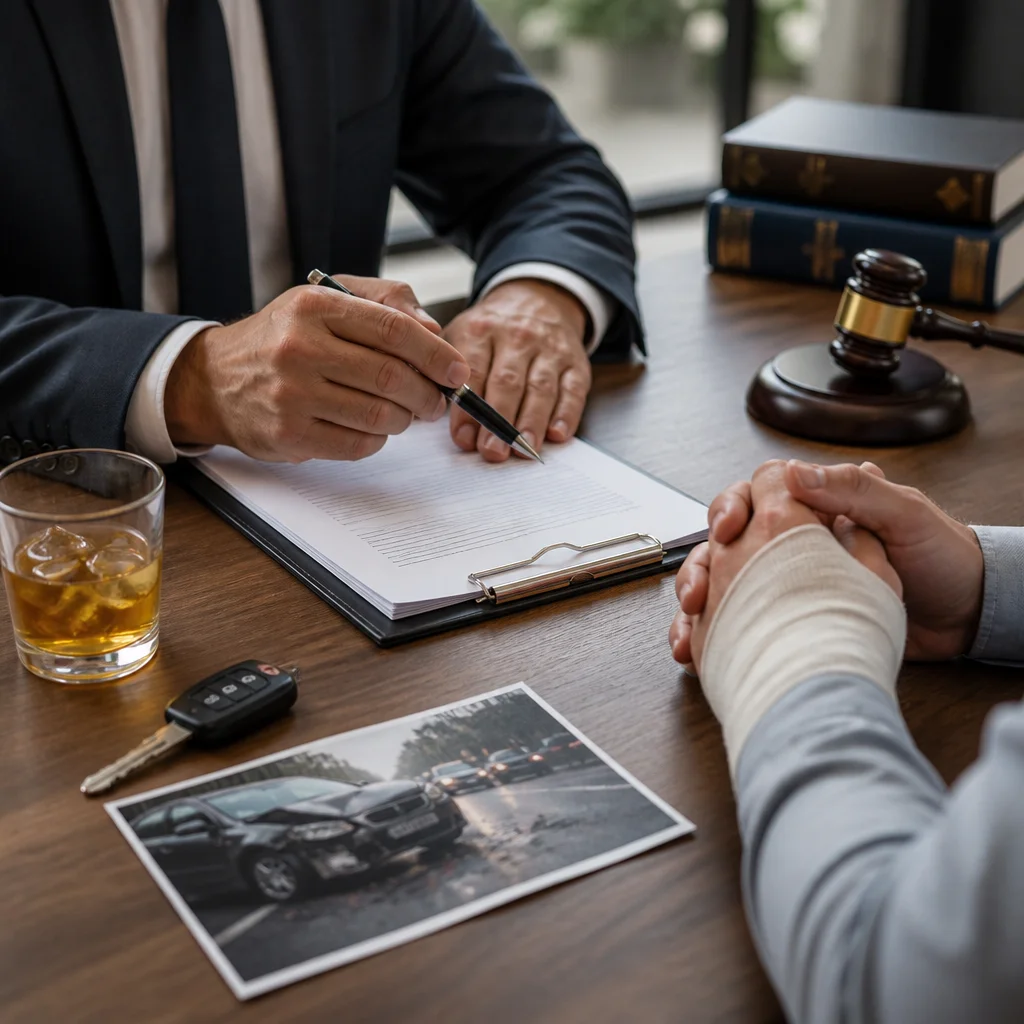
We launch a comprehensive investigation immediately after you engage us. Our process goes far beyond accepting the police report at face value, though that report is an essential starting point.
We pursue multiple investigation streams:
- Obtain complete police reports, dispatch records, and officer notes
- Identify and interview witnesses who saw the collision or the driver’s behavior before impact
- Secure traffic camera footage from nearby businesses, intersections, and traffic signals
- Obtain medical records and coordinate with your healthcare providers to document injury severity
- Hire accident reconstruction specialists when necessary to establish impact force and collision dynamics
- Request phone records and toxicology reports that may show impairment contributing factors
- Review vehicle maintenance records to rule out mechanical failure as a contributing cause
This thorough approach ensures we understand every angle of your case before negotiating or proceeding to litigation.
Building Your Evidence: Police Reports, BAC Testing, and More
Police reports form the foundation of drunk driving cases, but they’re only the beginning. We examine these reports critically, looking for completeness and any gaps that might help your case.
BAC testing results are particularly powerful evidence. Breathalyzer tests, blood tests, and urine tests document intoxication at or near the time of the collision. California law presumes impairment at a BAC of 0.08% or higher, but even lower levels can demonstrate negligence. We verify that testing followed proper protocols and that results were reliably documented.
Beyond the police investigation, we document, preserve, and present the facts through our own evidence gathering:
- Dashboard camera or traffic surveillance footage showing the collision sequence
- Photographs of vehicle damage, road conditions, and accident scene
- Medical imaging reports, surgical records, and treatment notes
- Wage loss documentation from your employer
- Expert testimony from medical professionals, accident reconstructionists, or toxicologists
Each piece of evidence strengthens your claim and demonstrates to insurance companies and courts that we’re prepared to prove our case thoroughly.
Negotiating with Insurance Companies on Your Behalf
Insurance companies employ skilled adjusters and attorneys trained to minimize payouts. They may contact you directly, offer quick settlement amounts, or pressure you to accept their initial offer. We recommend you never communicate directly with the insurance company once you’ve hired us.
Our role is to shield you from these tactics while we negotiate aggressively on your behalf. We present our evidence, explain our damages calculations, and respond to their counteroffers with confidence and data.
Most drunk driving cases settle before trial. Insurance companies know these cases are difficult to defend, especially with clear impairment evidence. A strong negotiation position based on thorough evidence typically results in faster, more favorable settlements. We pursue full and fair compensation at every stage, whether through negotiation or litigation.
Understanding Damages and Compensation You Can Pursue
California law recognizes two categories of damages in personal injury cases: economic and non-economic damages.
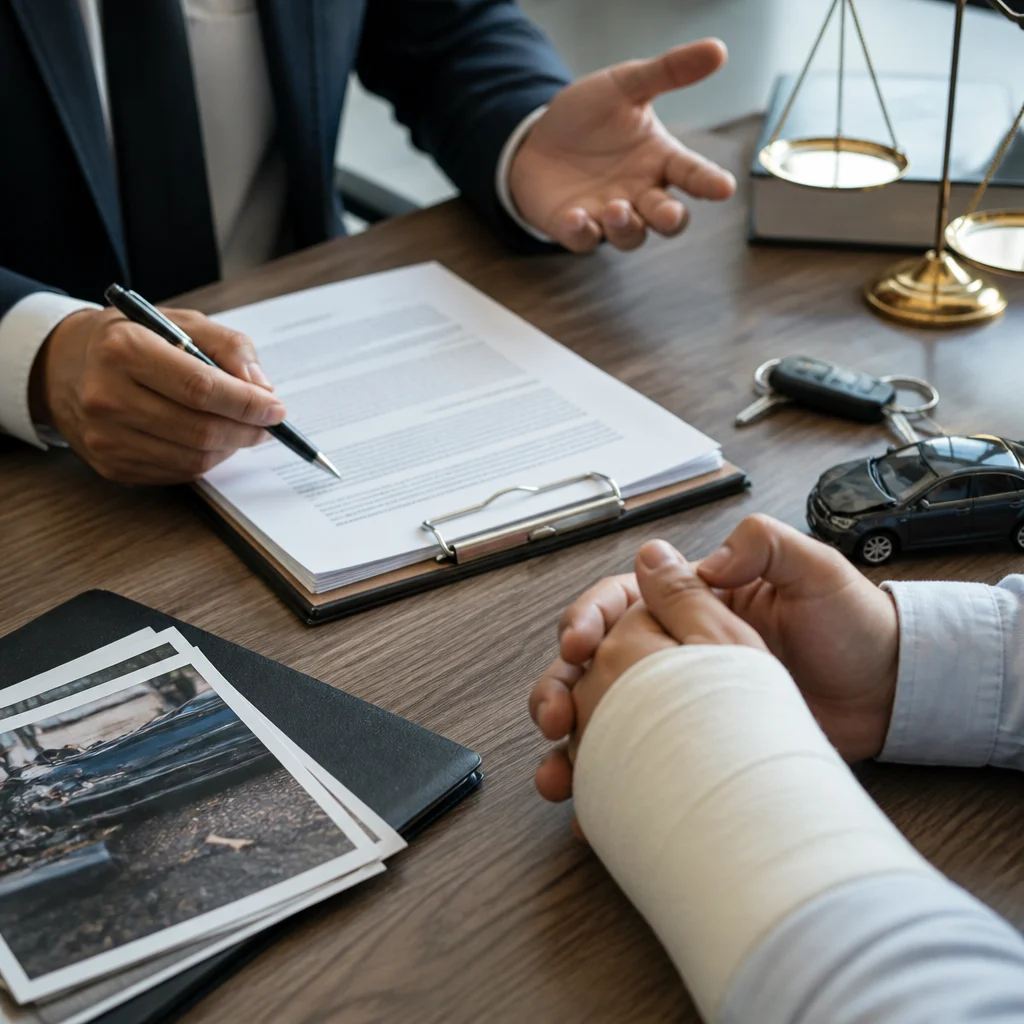
Economic damages have clear monetary values:
- Medical bills and ongoing treatment costs
- Lost wages and reduced earning capacity
- Property damage to your vehicle
- Transportation and rehabilitation expenses
Non-economic damages address intangible harm:
- Physical pain and suffering
- Emotional distress and anxiety
- Loss of enjoyment of life
- Disfigurement or permanent scarring
- Loss of companionship or consortium
Calculating fair compensation requires analyzing comparable cases, medical prognosis reports, and expert opinions about future care needs. We use industry-standard methods to value your claim, ensuring we don’t underestimate the true impact of your injuries.
In some drunk driving cases, punitive damages may be available if we can prove the driver acted with gross negligence or willful misconduct. These damages punish egregious behavior and deter similar conduct in the future.
The Statute of Limitations for DUI Accident Claims
The statute of limitations is the deadline to file a claim. For personal injury cases in California, you generally have two years from the date of injury to file a lawsuit. This may seem like adequate time, but investigation, negotiation, and legal preparation require months.
Missing this deadline results in losing your right to recover compensation permanently. Insurance companies rely on people missing deadlines, so they may drag out negotiations hoping you’ll run out of time.
We track these critical dates for every case and keep you informed of approaching deadlines. We recommend you contact us within weeks of your injury, not weeks before the deadline expires.
Why You Should Never Handle This Alone
Negotiating with insurance companies without legal representation is like entering a courtroom without understanding the rules. Adjusters know most people will accept low offers out of financial desperation or legal inexperience.
Insurance companies also use settlement agreements that waive your right to future claims. If your injuries worsen later, you may have no recourse if you’ve already accepted and signed their offer. These documents contain language designed to limit your legal rights, and most people don’t recognize the implications.
Additionally, you need someone to investigate facts you cannot access alone. Traffic camera footage, witness contact information, BAC testing details, and police reports require specific requests and sometimes legal authority to obtain. We handle these technical details so you’re not left guessing about critical evidence.
Beyond evidence, medical knowledge matters. Understanding how your injuries will progress, what future treatment costs are reasonable, and how impairment affects long-term quality of life requires professional insight. We coordinate with medical experts to ensure your damages calculation reflects reality, not just current bills.
Your Free Consultation: How We Help You Next
We offer a free, confidential consultation where we listen to your story, answer your questions, and explain your legal options without any obligation.
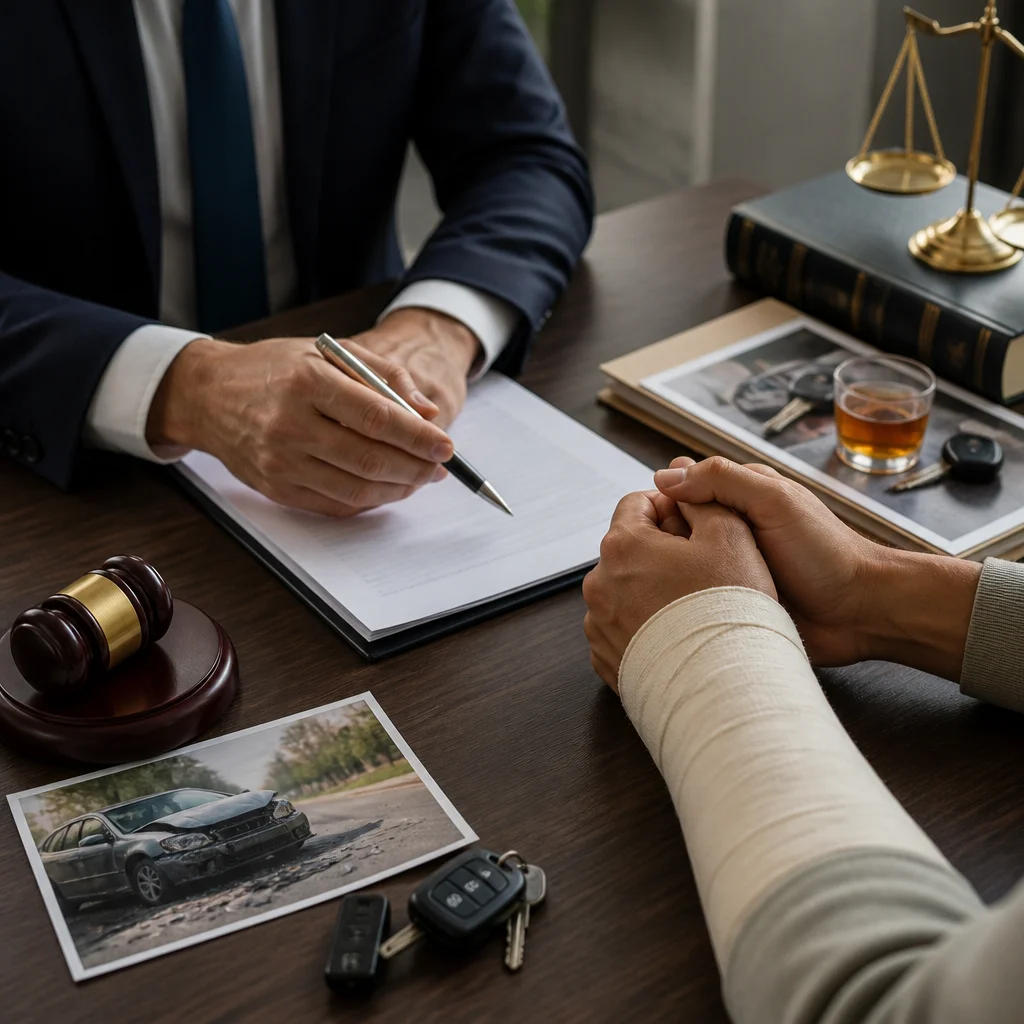
During this consultation, we’ll review what happened, discuss the injuries you’ve sustained, and answer your questions about the claims process. We’ll explain California personal injury law in plain language and give you honest guidance about your case’s strengths and next steps.
This meeting costs you nothing and creates no obligation. Many clients find it helpful simply to understand their rights and hear from an experienced attorney who’s handled dozens of similar cases.
Contact us today to schedule your free consultation. Call our Sacramento office or visit our website to get started.
No Fee Unless We Recover for You
We represent clients on a contingency fee basis, meaning you pay no attorney fees unless we successfully recover compensation for you. When we win, our fee comes from the settlement or judgment amount, not from your pocket.
This arrangement aligns our interests with yours. We succeed only when you recover money, so we’re motivated to maximize your compensation. You never pay upfront costs, monthly retainers, or hourly bills regardless of outcome.
This approach removes financial barriers to getting quality legal representation when you need it most. If you’ve been injured by a drunk driver, you shouldn’t have to choose between medical care and legal advocacy because of cost.
Take the first step today. You have rights after an accident, and we’re ready to help you pursue full and fair compensation. Contact Weinberger Law Firm for your free consultation and let us handle the legal work while you focus on recovery.