
Table of Contents
- The Immediate Aftermath: What You Must Do Right Now
- Statute of Limitations: Your Critical Filing Deadline
- Initial Case Evaluation and Evidence Preservation
- Insurance Claim Filing and Documentation Phase
- Investigation and Settlement Negotiations Begin
- When Settlement Talks Stall: Preparing for Litigation
- Discovery Phase and Demand Package Development
- Trial Preparation and Court Proceedings
- Reaching Settlement or Judgment
- Post-Resolution: Receiving Your Compensation
- Why Time Matters in Your Motorcycle Accident Case
- Contact Us for Your Free Consultation Today
The Immediate Aftermath: What You Must Do Right Now
If you were injured in a motorcycle accident, you have rights after an accident. The path from injury to compensation involves multiple stages, each with its own deadlines and requirements. Understanding the timeline helps you stay focused during a stressful period and ensures nothing falls through the cracks. We want to walk you through each phase so you know exactly what to expect.
Your first hours matter more than you might think. Call emergency services immediately if you or anyone else is injured. Police will document the scene and create an official report, which becomes critical evidence later. Once you’re in a safe location and receiving medical attention, take photos of vehicle damage, road conditions, and visible injuries if you’re able.
Get the names, phone numbers, and insurance information from the other driver. Write down the contact details of any witnesses who saw the accident happen. Even if injuries feel minor, seek medical evaluation right away. Many serious motorcycle accident injuries develop or worsen over days or weeks, and a medical record creates a documented connection between the accident and your condition.
Preserve any evidence and get medical care immediately. Don’t post about the accident on social media, and avoid detailed conversations about what happened except with medical professionals, police, and your attorney. Insurance companies monitor social media and use casual statements against you later. Your next action: request a copy of the police report and begin organizing all documents in one folder.
Statute of Limitations: Your Critical Filing Deadline
California gives you two years from the date of injury to file a lawsuit for a motorcycle accident. This is the statute of limitations, the filing deadline by which legal action must begin. Two years sounds long, but investigation, negotiation, and preparation consume time quickly. Missing this deadline means losing your right to pursue compensation entirely, regardless of the strength of your case.
We strongly recommend acting within the first few months. Early action allows us to investigate all available evidence while memories are fresh and witnesses are easier to locate. Traffic camera footage, for example, may be erased after 30 days if not requested promptly. The sooner you contact us, the sooner we preserve critical evidence and begin building your case.
Time is limited, so act now. Don’t wait until the deadline approaches to seek legal counsel. Contact us for a free consultation as soon as you’re medically stable enough to discuss your case.
Initial Case Evaluation and Evidence Preservation
When you contact us, we conduct a thorough case evaluation at no cost to you. We review the police report, your medical records, and the circumstances of the accident to assess claim value and liability strength. This evaluation determines whether we can pursue your case and what compensation range is realistic based on your injuries and losses.
Evidence preservation happens in parallel. We issue formal preservation letters to relevant parties, instructing them to retain all documents, communications, photos, video, and physical evidence related to the accident. We investigate all available evidence, including police reports, medical records, witness statements, and any traffic or security camera footage. The other driver’s insurance company may already have some information, but we conduct our own independent investigation to ensure nothing is overlooked.
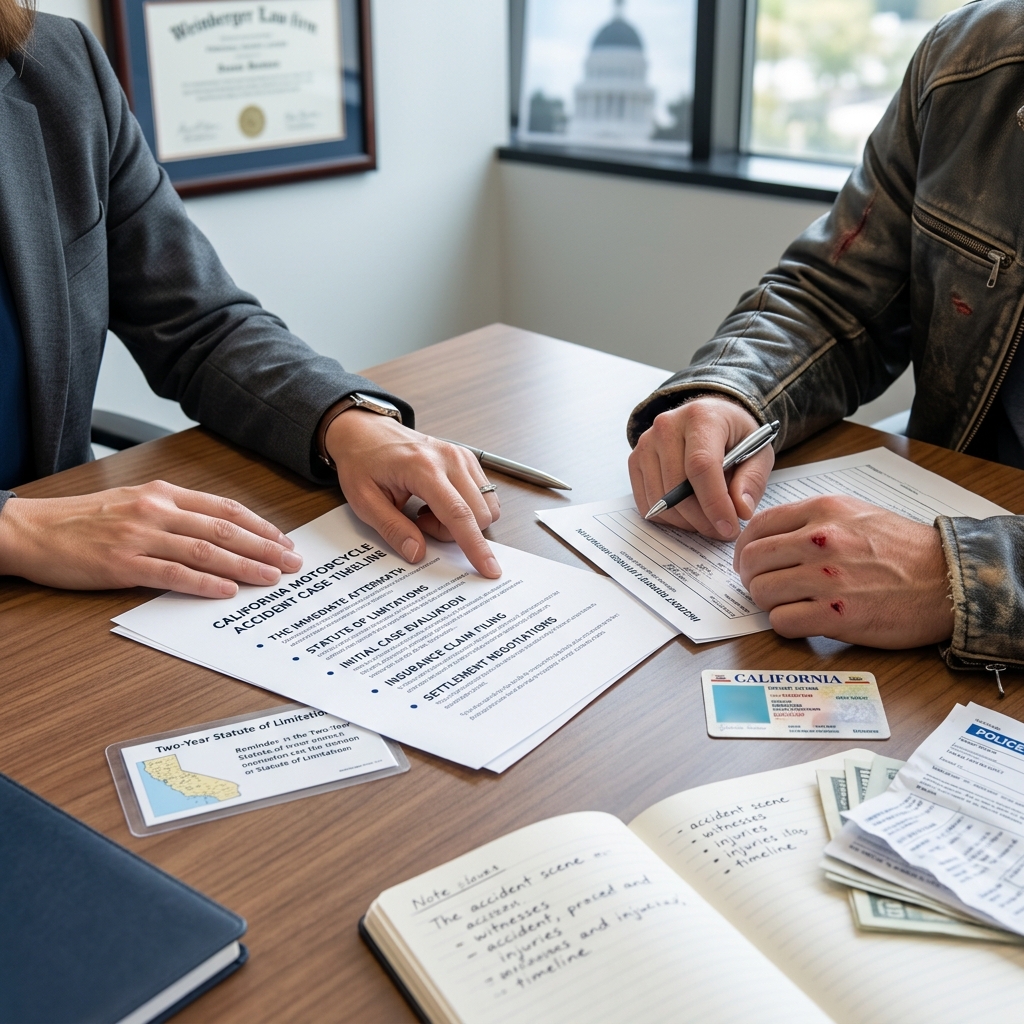
Medical documentation becomes your foundation. We coordinate with your treating physicians to obtain comprehensive medical records and expert opinions about your injuries. These records demonstrate the connection between the accident and your condition, which directly affects compensation. Your action: compile all medical appointments, bills, and records in one organized file and share them with us immediately.
Insurance Claim Filing and Documentation Phase
Filing a claim with the at-fault driver’s insurance company is typically the first formal step. We handle this communication on your behalf, submitting a detailed claim that outlines liability, injuries, and damages. This claim includes medical bills, lost wages, and other quantifiable losses you’ve experienced so far.
During this phase, the insurance company will contact you and your employer to verify information. They may request recorded statements. We advise you not to speak with them directly without our guidance. Insurance adjusters are trained to minimize payouts, and casual statements can undermine your position. We manage all communication with the insurance company, protecting your interests while documenting everything.
Documentation is thorough and ongoing. Collect and organize medical bills, pay stubs showing lost income, invoices for any property damage, and records of travel to medical appointments. Keep a daily journal noting pain levels, activity limitations, and how injuries affect your work and personal life. This evidence transforms abstract suffering into concrete, compensable damages.
Investigation and Settlement Negotiations Begin
Once the claim is filed, the investigation deepens. We secure medical expert opinions, accident reconstruction reports if necessary, and witness statements. For motorcycle accidents, expert analysis often focuses on factors like road hazards, visibility, and how the accident mechanics prove liability. We pursue full and fair compensation by building an airtight case supported by evidence.
Settlement negotiations typically begin within 30 to 90 days of filing the claim. The insurance company presents an initial offer, which is almost always lower than what your case is worth. We review that offer against the documented damages, comparable settlements, and our assessment of trial risk. Most cases settle during this phase because settlement avoids the time and expense of litigation.
We negotiate strategically, armed with evidence and a clear understanding of what your case is truly worth. We don’t accept lowball offers just to close quickly. If the insurance company’s position remains unreasonable, we prepare to pursue litigation. Your role: stay patient, continue medical treatment, and let us handle negotiations while you focus on recovery.
When Settlement Talks Stall: Preparing for Litigation
If settlement negotiations don’t yield a fair offer, litigation becomes necessary. Filing a lawsuit in California Superior Court signals your serious intent and often motivates the insurance company to reconsider their position. Litigation is more time-consuming and costly than settlement, but sometimes it’s the only path to fair compensation.
Once a lawsuit is filed, the other party becomes a “defendant” and is required to respond within 30 days. Court deadlines, discovery obligations, and procedural rules take effect immediately. Our litigation team handles all filings, court appearances, and procedural compliance, ensuring nothing is missed. For detailed guidance on the litigation process, see our California motorcycle litigation guide.

The decision to litigate should be made strategically. We evaluate the defendant’s assets, the strength of your evidence, and the likelihood of a favorable judgment before recommending this path. If we proceed, we commit fully to thorough preparation and aggressive advocacy.
Discovery Phase and Demand Package Development
Discovery is the formal process where both sides exchange evidence and information. We send detailed written questions to the defendant, request all relevant documents, and take depositions where witnesses and the defendant answer questions under oath. We also develop a comprehensive demand package that outlines every aspect of your case: liability evidence, medical records, financial losses, and pain and suffering damages.
The discovery phase typically lasts 6 to 12 months. It reveals the defendant’s version of events and any weaknesses in their defense. Traffic camera footage, text messages, maintenance records, and witness depositions often clarify liability. We use discovery to either strengthen settlement negotiations or prepare for trial.
Our demand package becomes a powerful negotiation tool. It presents your case in the most favorable light while grounding every claim in evidence. Insurance companies take formal demands seriously, and many cases settle shortly after a well-crafted demand is delivered. The goal is clear presentation of fact and fair valuation of damages.
Trial Preparation and Court Proceedings
If settlement is not reached, trial preparation intensifies. We work with expert witnesses, organize exhibits, develop witness testimony, and prepare you for what testifying will entail. Trial strategy focuses on presenting your case clearly and persuasively to a judge or jury. We anticipate the defendant’s arguments and prepare counterpoints supported by evidence.
Trial typically occurs 18 to 24 months after the initial injury, though timelines vary. The court controls the schedule, and cases may be delayed by other pending matters. Once trial begins, we present evidence, examine witnesses, and argue your case before the court. This phase is demanding but essential when fair settlement isn’t possible.
We prepare you thoroughly so you’re confident and clear when you testify. Your credibility and honest account of injuries and impact matter significantly to a jury or judge.
Reaching Settlement or Judgment
Settlement can happen at any point, even during trial. Many cases resolve in the final hours before a verdict as both sides calculate risk and prefer certainty over trial outcome. When settlement is reached, we negotiate the final terms, including whether payment is structured or lump sum, and any confidentiality provisions.
If the case goes to verdict, the judge or jury decides liability and the amount of compensation. A judgment in your favor is documented by court order and becomes legally binding. Even after judgment, the defendant may appeal, which extends the timeline further. However, most judgments are not appealed, and we move to enforcement and payment collection.
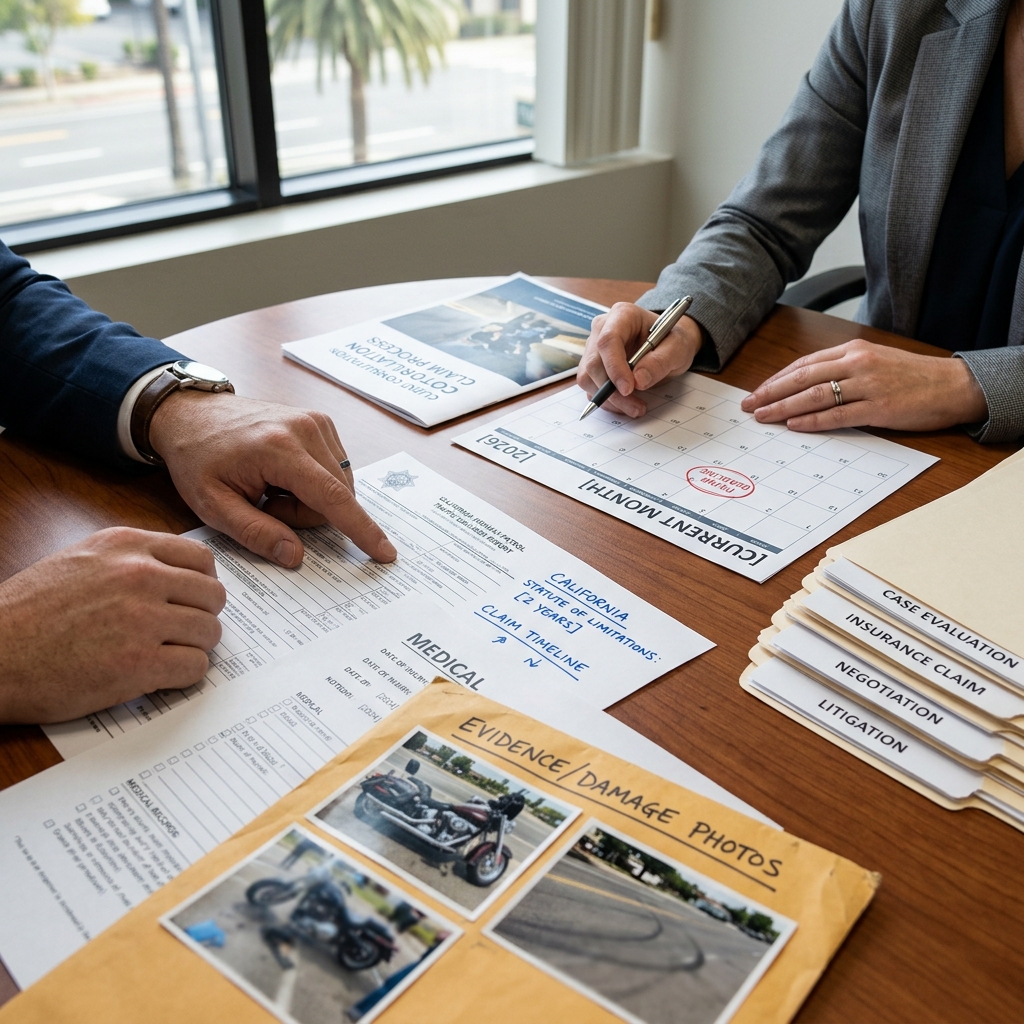
Both settlement and judgment result in compensation, but the path and timing differ. Either way, your persistence and our thorough advocacy bring the case to a favorable conclusion.
Post-Resolution: Receiving Your Compensation
Once settlement is finalized or judgment is entered, we manage the payment process. Settlement payments typically arrive within 30 to 60 days of signed agreements. Judgment payments may take longer if the defendant appeals or if we need to pursue collection efforts.
Before you receive funds, we cover our attorney fees and any case expenses from the recovery. We work on a contingency fee basis, which means no fee unless we recover for you. Once fees and expenses are deducted, the remaining balance is yours. We provide a clear accounting of all deductions so you understand exactly what you receive.
We also ensure all medical liens and subrogation claims are resolved. Some medical providers or health insurance companies may demand payment from your settlement if they covered your treatment. We negotiate these claims to minimize reductions to your recovery. Your final compensation is yours to use for continuing medical care, replacing lost income, and rebuilding your life.
Why Time Matters in Your Motorcycle Accident Case
Every phase of your case is time-sensitive. Evidence degrades, witnesses’ memories fade, and statute of limitations deadlines approach. Early action by our team maximizes what can be preserved and investigated. The sooner we engage, the stronger your position throughout negotiation and litigation.
Delays also affect your recovery. Outstanding medical bills accumulate interest, and lost wages continue mounting. Prompt legal action doesn’t speed healing, but it does secure compensation sooner, reducing financial strain while you recover physically and emotionally.
From incident to resolution, expect 12 to 36 months depending on settlement timing or trial necessity. Most cases resolve within 12 to 18 months if liability is clear. Complex cases requiring extensive investigation or litigation may extend longer. Regardless of timeline, staying organized, communicating with us, and remaining patient ensures the best possible outcome.
Contact Us for Your Free Consultation Today
You have rights after an accident, and we’re here to help you pursue them. At Weinberger Law Firm, we’ve guided countless injury victims through every phase of this process. We understand the medical, financial, and emotional toll of motorcycle accidents, and we’re committed to securing fair compensation so you can focus on recovery.
Contact us today for a free consultation. We’ll evaluate your case, answer your questions, and explain exactly what comes next. There’s no obligation, and you’ll pay nothing unless we recover compensation for you. Time is limited, so reach out now.