

Losing a loved one due to someone else’s negligence is a devastating experience. At The Weinberger Law Firm, we understand the emotional and financial challenges that come with wrongful death cases. Our team is committed to providing compassionate legal support to families in Deer Park, California, helping them navigate the complexities of the legal system while seeking justice and fair compensation.
Wrongful death claims are designed to hold parties accountable when their actions or negligence result in the untimely death of another person. In Deer Park, our attorneys work closely with families to build strong cases, ensuring that victims’ rights are protected throughout the process. We strive to deliver personalized service tailored to each client’s unique situation, offering guidance and support every step of the way.
Filing a wrongful death claim is essential for families seeking justice and financial recovery after losing a loved one due to negligent or intentional acts. Such claims help cover medical expenses, funeral costs, lost income, and emotional distress. Beyond financial compensation, pursuing legal action can provide a sense of closure and accountability, ensuring that responsible parties are held liable and that similar incidents are prevented in the future.
The Weinberger Law Firm is a trusted personal injury law firm based in Sacramento, serving Deer Park and the surrounding communities. With years of experience handling wrongful death and other personal injury cases, our team is dedicated to standing by families during difficult times. We focus on providing attentive, client-centered service, guiding you through the legal process to help achieve the best possible outcome.
Wrongful death claims arise when a person dies due to the negligence, recklessness, or intentional actions of another party. California law allows certain family members to seek compensation for their losses resulting from the death. These claims can be complex, involving thorough investigation and legal expertise to establish fault, damages, and liability. Understanding how wrongful death claims work is the first step toward pursuing justice.
In Deer Park, these cases often involve accidents such as vehicle collisions, defective products, or unsafe premises. The legal process includes gathering evidence, consulting with experts, and negotiating with insurance companies or defendants. Because wrongful death cases impact families emotionally and financially, having knowledgeable legal support can significantly influence the case’s success and provide much-needed peace of mind.
Wrongful death refers to a death caused by the negligent or intentional act of another individual or entity. Legally, it allows the deceased person’s survivors to seek damages for their loss. This includes compensation for financial losses, pain and suffering, and loss of companionship. The law recognizes that these losses can be profound and aims to provide relief to families through the civil justice system.
To succeed in a wrongful death claim, several critical elements must be established, including duty of care, breach of that duty, causation, and damages. The process typically involves filing a lawsuit, discovery, negotiation, and potentially trial. Each case is unique and requires careful attention to detail, evidence collection, and legal strategy to ensure that the rights of the family are fully protected throughout.
Understanding the terminology used in wrongful death legal proceedings can help families feel more informed and confident. Below are definitions of common terms frequently encountered during these cases, which clarify the legal concepts and processes involved.
Duty of care refers to the legal obligation one party has to avoid causing harm to another. In wrongful death cases, this means that individuals or organizations must act reasonably to prevent injury or death to others.
Damages are the monetary compensation sought by plaintiffs for losses suffered due to wrongful death. This can include medical bills, funeral expenses, lost income, and emotional suffering.
Causation establishes the direct link between the defendant’s actions or negligence and the death of the victim. Proving causation is essential to hold the responsible party liable.
Beneficiaries are the family members or dependents who are legally entitled to file a wrongful death claim and receive compensation.
Families facing wrongful death circumstances may consider different legal strategies, including settlement negotiations or full litigation. Each approach has benefits and considerations, depending on the case complexity, evidence, and parties involved. Understanding these options helps families make informed decisions aligned with their goals and needs.
A limited approach might be appropriate when the responsible party admits fault early, and the case facts are straightforward. In such scenarios, negotiating a settlement can provide quicker resolution and compensation without lengthy court proceedings.
If the damages claimed are not contested significantly, a focused legal strategy centered on negotiation can efficiently secure fair compensation for the family.
When fault is contested or the case involves multiple parties, a comprehensive legal approach including thorough investigation and litigation is needed to protect the family’s interests.
Cases with extensive damages or complicated emotional factors often require detailed legal work to ensure all aspects of the loss are addressed properly.
A comprehensive legal approach provides families with thorough case analysis, aggressive advocacy, and personalized support. It helps uncover all relevant evidence and maximizes the potential for fair compensation.
This method also ensures that legal deadlines are met, negotiations are skillfully handled, and that families receive clear communication throughout the process, reducing stress during difficult times.
By thoroughly investigating all aspects of the case, a complete legal strategy aims to secure the highest possible compensation for damages, helping families cover all related expenses and losses.
Families benefit from having attentive and responsive legal professionals who guide them through each step, ensuring that their rights are protected and concerns addressed promptly.

Keep detailed records of all expenses related to your loved one’s death, including medical bills, funeral costs, and any financial support lost. Proper documentation strengthens your claim and helps ensure fair compensation.
Refrain from sharing case details on social media or with parties outside your legal team. This helps protect your privacy and prevents information that could be used against your claim.
Navigating a wrongful death case can be overwhelming, especially during a time of grief. An experienced attorney provides critical guidance, ensuring your rights are upheld and that you receive the compensation you deserve. They handle complex legal procedures, communicate with insurance companies, and advocate on your behalf.
Additionally, legal representation can help reduce stress by managing the case details, so you can focus on healing. Having a dedicated advocate increases the likelihood of a successful outcome and helps bring closure to your family.
Wrongful death claims often arise from accidents and incidents such as car crashes, motorcycle collisions, defective products, medical malpractice, or unsafe premises. These situations involve negligent or reckless behavior that causes fatal injuries. Recognizing when legal action is appropriate is vital to protecting your family’s interests.
Collisions involving cars, trucks, motorcycles, or buses can result in fatal injuries due to driver negligence, distracted driving, or unsafe road conditions. Families affected by such accidents may pursue wrongful death claims to seek justice.
Products that are improperly designed or manufactured can cause fatal injuries. If a loved one dies due to a defective product, families have the right to hold manufacturers or sellers accountable through legal action.
Unsafe property conditions, such as poorly maintained walkways or inadequate safety measures, can lead to fatal accidents. Property owners may be liable for wrongful death if negligence is proven.
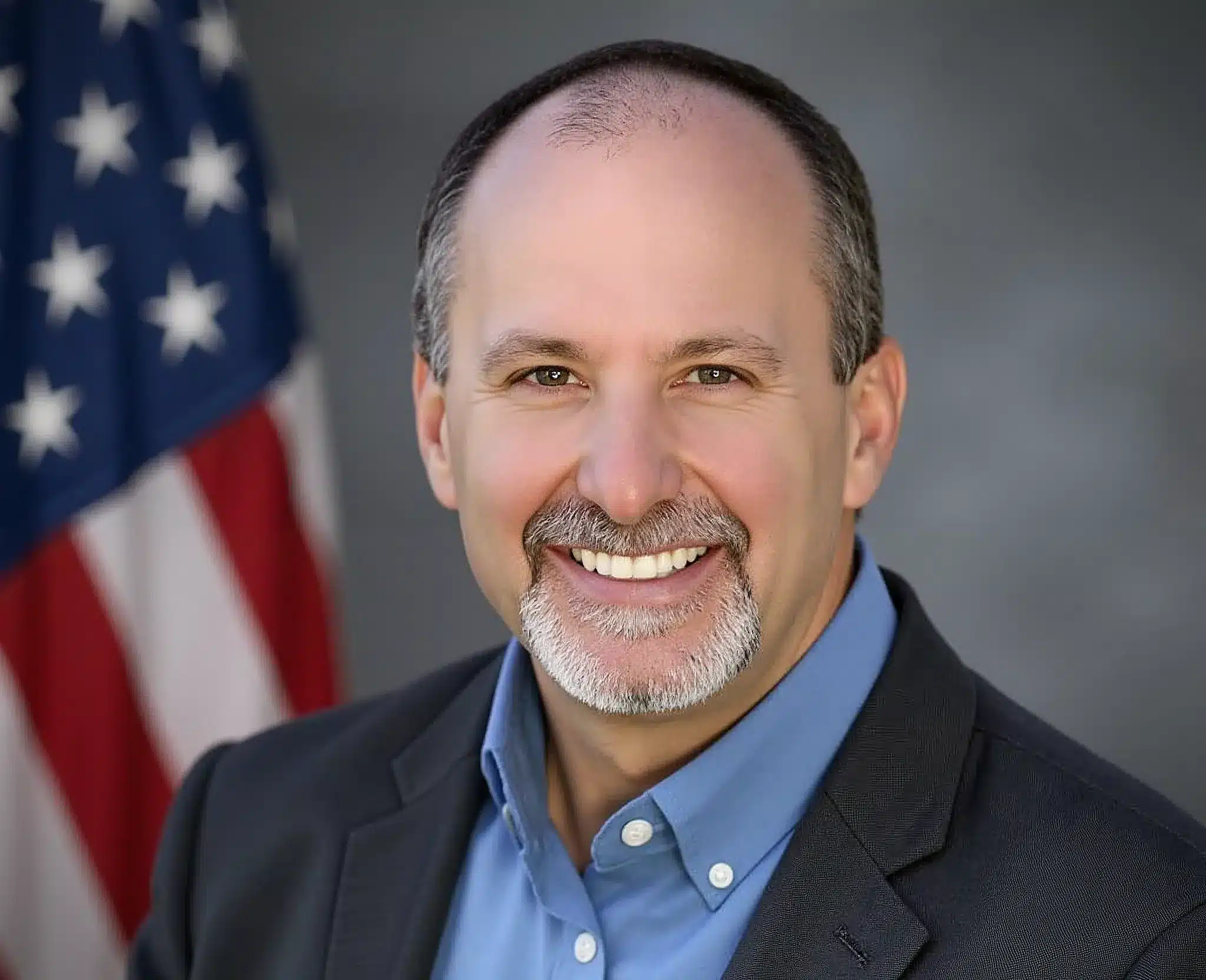
Our firm has a long-standing commitment to personal injury law, including wrongful death cases. We understand the sensitive nature of these claims and approach each case with care and attention to detail.
We provide personalized service tailored to your unique circumstances. Our team works diligently to build strong cases and pursue the maximum compensation available under California law.
With a focus on communication and client support, we ensure you are informed and comfortable throughout the legal process, helping to alleviate some of the burdens during this challenging time.
At The Weinberger Law Firm, we follow a clear and thorough legal process designed to protect your interests and pursue justice efficiently. Our approach includes initial consultation, case investigation, filing claims, negotiation, and if necessary, trial representation.
We begin by meeting with you to understand the circumstances of your loved one’s death. This step allows us to evaluate the viability of your claim and explain the legal options available.
During the consultation, we collect details about the incident, medical records, and any relevant documentation that will help build your case.
We provide clear guidance on the legal process ahead, answering your questions and setting expectations for how the case will proceed.
Our team conducts a thorough investigation, gathering witness statements, accident reports, and expert opinions to establish liability and damages.
We work with medical professionals, accident reconstructionists, and other specialists to analyze the facts and strengthen your claim.
All collected evidence is organized and reviewed carefully to prepare for negotiations or court proceedings.
We engage with insurance companies and opposing parties to negotiate a fair settlement that addresses your losses and needs.
Our negotiators advocate firmly on your behalf to reach an agreement that reflects the full value of your claim.
If a settlement cannot be reached, we are prepared to take your case to court to pursue justice through litigation.
A wrongful death claim is a legal action filed by the survivors of a person who died due to the negligence or wrongful act of another party. It seeks compensation for the losses suffered as a result of the death. These losses can include funeral expenses, loss of income, and emotional distress. California law outlines who can bring a wrongful death claim, typically close family members. The claim aims to hold responsible parties accountable and provide financial relief to the surviving family.
In California, certain family members are eligible to file a wrongful death lawsuit. This usually includes the deceased person’s spouse, children, and sometimes parents or other dependents. The law prioritizes those most directly affected by the loss. It is important to file the claim within the statute of limitations, which is typically two years from the date of death. Consulting with an attorney early ensures your rights are protected and deadlines are met.
Damages in wrongful death cases may cover a variety of losses related to the death. Common damages include medical and funeral expenses, loss of financial support, loss of companionship, and emotional suffering. Each case is unique, and the total compensation depends on factors like the deceased person’s age, income, and the circumstances of the death. An attorney can help determine the types and amounts of damages applicable to your case.
The duration of a wrongful death case varies depending on its complexity, the willingness of parties to settle, and court schedules. Some cases resolve through negotiation within a few months, while others may take a year or longer if litigation is necessary. Your legal team will keep you informed of progress and work to resolve the case as efficiently as possible while protecting your interests throughout the process.
If you believe you have a wrongful death claim, it is important to seek legal advice promptly. An attorney can evaluate your case, explain your rights, and guide you through the process. Gather any relevant documents and information about the incident and consult with a law firm experienced in wrongful death cases to ensure your claim is handled properly and within legal time limits.
While it is possible to pursue a wrongful death claim without legal representation, it is generally not advisable. Wrongful death cases involve complex legal and procedural requirements that can be difficult to navigate alone. Having a knowledgeable attorney helps ensure that your claim is properly prepared, deadlines are met, and that you receive fair compensation. Legal support can reduce stress and improve the likelihood of a successful outcome.
Evidence for a wrongful death case typically includes medical records, accident reports, witness statements, and any documentation showing the defendant’s negligence. Expert testimony may also be used to establish causation and damages. Collecting and preserving evidence early is critical. Your attorney will assist in gathering all necessary information to build a strong case on your behalf.
Many wrongful death attorneys work on a contingency fee basis, meaning they only get paid if you receive compensation. This arrangement helps families access legal representation without upfront costs. Discuss fee structures during your initial consultation to understand any potential expenses and how they will be handled throughout your case.
If the responsible party denies fault, your attorney will collect evidence and build a case to prove negligence through investigation and expert analysis. Many wrongful death cases proceed to negotiation or trial when disputes over fault arise. Legal representation is especially important in contested cases to protect your rights and effectively advocate for compensation.
Yes, wrongful death claims can include damages for the emotional distress and loss of companionship experienced by the surviving family members. These damages recognize the profound emotional impact of losing a loved one. An attorney can help document and present these damages as part of your claim to ensure comprehensive compensation for your losses.
Experienced attorneys fighting for maximum compensation
[gravityform id=”2″ title=”false” description=”false” ajax=”true”]