
Table of Contents
- Why Evidence Matters in Rideshare Accident Cases
- The DIY Approach: Risks of Handling Evidence Alone
- Our Comprehensive Evidence Investigation Process
- Securing Passenger Records and Driver Information
- Documenting Medical Evidence and Damages
- Preserving Digital and Physical Evidence
- How We Strengthen Your Claim Against Insurance Companies
- Timeline and Statute of Limitations Protection
- Common Evidence Mistakes That Hurt Claims
- Why Professional Evidence Collection Wins
- Your Next Steps to Maximum Compensation
- Frequently Asked Questions (FAQ)
Why Evidence Matters in Rideshare Accident Cases
If you were injured in a rideshare accident, you’re facing medical bills, lost wages, and the stress of recovery. At the same time, insurance companies are building their case to minimize what they owe you. The difference between a strong claim and a weak one often comes down to evidence: what you document, how you preserve it, and who helps you gather it. We’ve seen firsthand how thorough evidence collection transforms outcomes for our clients.
Evidence is the foundation of every successful rideshare accident claim. Insurance adjusters don’t pay based on your word alone; they respond to concrete documentation that proves negligence, injury, and damages. In rideshare cases, the evidence chain is particularly important because multiple parties may be involved: the driver, the rideshare company, other vehicles, and third-party witnesses.
Strong evidence answers the questions an insurance company will ask: Was the driver at fault? How severe were your injuries? What are your actual damages? Traffic camera footage, police reports, medical records, witness statements, and GPS data from the rideshare app all paint a credible picture. Without this documentation, even legitimate claims lose negotiating power.
The statute of limitations in California gives you a limited window to file a claim, typically two years from the date of injury. During that time, evidence can disappear: cameras are replaced, witnesses move away, and memories fade. Securing evidence early protects your right to fair compensation later.
The DIY Approach: Risks of Handling Evidence Alone
Many accident victims try to gather evidence on their own, thinking they’ll save time or money. This approach creates significant risks that often backfire.
When you collect evidence without legal guidance, you may inadvertently compromise its usefulness. For example, if you contact the rideshare company directly asking for driver records, you might trigger internal investigations that limit what information is later available. If you speak to insurance adjusters without understanding your rights, statements you make can be used against you. You might also miss critical evidence entirely: you won’t know to request the vehicle’s onboard diagnostics, to subpoena rideshare app data showing the driver’s route and speed, or to preserve social media posts the driver made around the time of the accident.
Physical evidence degrades quickly. The accident scene changes within hours. Vehicles are repaired. Surveillance footage is overwritten. If you wait to investigate, crucial details vanish. Additionally, you lack the authority to compel evidence from companies that don’t want to cooperate. Rideshare companies protect their data; they won’t voluntarily hand over driver performance history or accident data without a formal legal request.
Handling evidence alone also means you shoulder the emotional burden of investigation while healing from injury. You’re already managing pain, medical appointments, and insurance calls. The DIY approach stretches you thin at exactly the moment you need to focus on recovery.
Our Comprehensive Evidence Investigation Process
We handle evidence gathering from day one, using a systematic approach that captures everything and loses nothing.
Our investigation begins with securing the accident scene documentation. We obtain the police report, which includes officer observations, statements, and sometimes crash reconstruction details. We request traffic camera footage from nearby businesses, traffic lights, and public surveillance systems within hours of your case, before footage is routinely deleted. We photograph the accident scene ourselves if needed, documenting road conditions, sight lines, and any hazards that contributed to the collision.
Next, we preserve digital evidence tied to the rideshare platform. We request preservation letters to Uber or Lyft, asking them to retain all data related to your ride: GPS tracking, driver location history, ride records, passenger ratings, driver safety reports, and any prior complaints. This legal notice prevents companies from discarding information that might otherwise be deleted as part of routine data management.
We also coordinate medical documentation immediately. We ensure your medical providers understand the connection to the accident and record your injuries thoroughly. Medical records serve as evidence of damages, and gaps in treatment or incomplete records weaken your position.

Finally, we identify and interview witnesses. Eyewitness accounts are powerful evidence. We locate them systematically, get signed statements, and secure contact information so they remain available if your case moves toward trial.
Securing Passenger Records and Driver Information
Rideshare accident claims require specific documentation that you may not realize exists or how to obtain.
Passenger records from the rideshare app contain timestamps, pickup and dropoff locations, and the estimated route. These records establish that you were a passenger at the time of injury. We request these records formally from the rideshare company, ensuring they’re preserved in their original, unaltered form.
Driver information is equally critical. We obtain the driver’s license number, vehicle registration, insurance details, and safety record. We request information about prior accidents, passenger complaints, and safety violations. Rideshare companies maintain extensive data on driver performance; a pattern of traffic violations or complaints strengthens the case that negligence caused your accident.
We also investigate vehicle maintenance records if relevant. Was the vehicle properly maintained? Were brakes inspected? Tire condition? In some cases, vehicle defects contribute to accidents, and we want that evidence documented.
Insurance policy details are essential. We identify all applicable insurance policies: the driver’s personal auto policy, the rideshare company’s commercial policy, and any umbrella coverage. Multiple policies mean multiple potential sources of recovery, and we pursue all of them.
Documenting Medical Evidence and Damages
Your medical records are evidence of both injury and damages. We work with your healthcare providers to ensure your records thoroughly document the accident’s impact on your health.
We collect all medical bills, emergency room reports, diagnostic imaging (X-rays, MRIs, CT scans), surgery records if applicable, and rehabilitation notes. We also obtain records from physical therapy, mental health treatment, and any specialists you’ve seen. Each record strengthens the evidence that your injuries are real, serious, and directly caused by the accident.
Beyond medical expenses, we document lost wages. We request pay stubs, tax returns, and employer statements showing income lost due to recovery time. If you’re self-employed, we gather business records showing lost income during your recovery period. We also calculate future lost earning capacity if your injuries prevent you from returning to your previous work.
We document non-economic damages, which are equally important but less obvious. Pain and suffering, emotional distress, loss of enjoyment of life, and scarring or disfigurement are all damages. We work with you to document how your injuries have changed your daily life: activities you can no longer do, mobility limitations, sleep disruption, and psychological impact. This documentation supports a claim for full and fair compensation.
Preserving Digital and Physical Evidence
Digital evidence includes more than just rideshare app data. It includes text messages, emails, social media posts, and photos taken at the scene or afterward.
We advise clients to preserve everything: photos you took of vehicle damage, the accident scene, your injuries at the hospital, your recovery process. Screenshots of social media comments by the driver or witnesses. Dashcam footage if your vehicle had one. Any communication with the rideshare company, insurance adjusters, or witnesses.
Physical evidence requires careful handling. If you have a damaged phone, vehicle parts, or clothing from the accident, preserve it. Don’t dispose of items or repair damage until we’ve documented it. Photographs and video preserve physical evidence permanently even after the item is no longer available.
We use digital forensics when necessary. If the rideshare vehicle had an event data recorder (EDR), sometimes called a “black box,” we can extract data about braking, acceleration, and impact force. This data is objective and powerful. We secure these devices before they’re destroyed or overwritten.
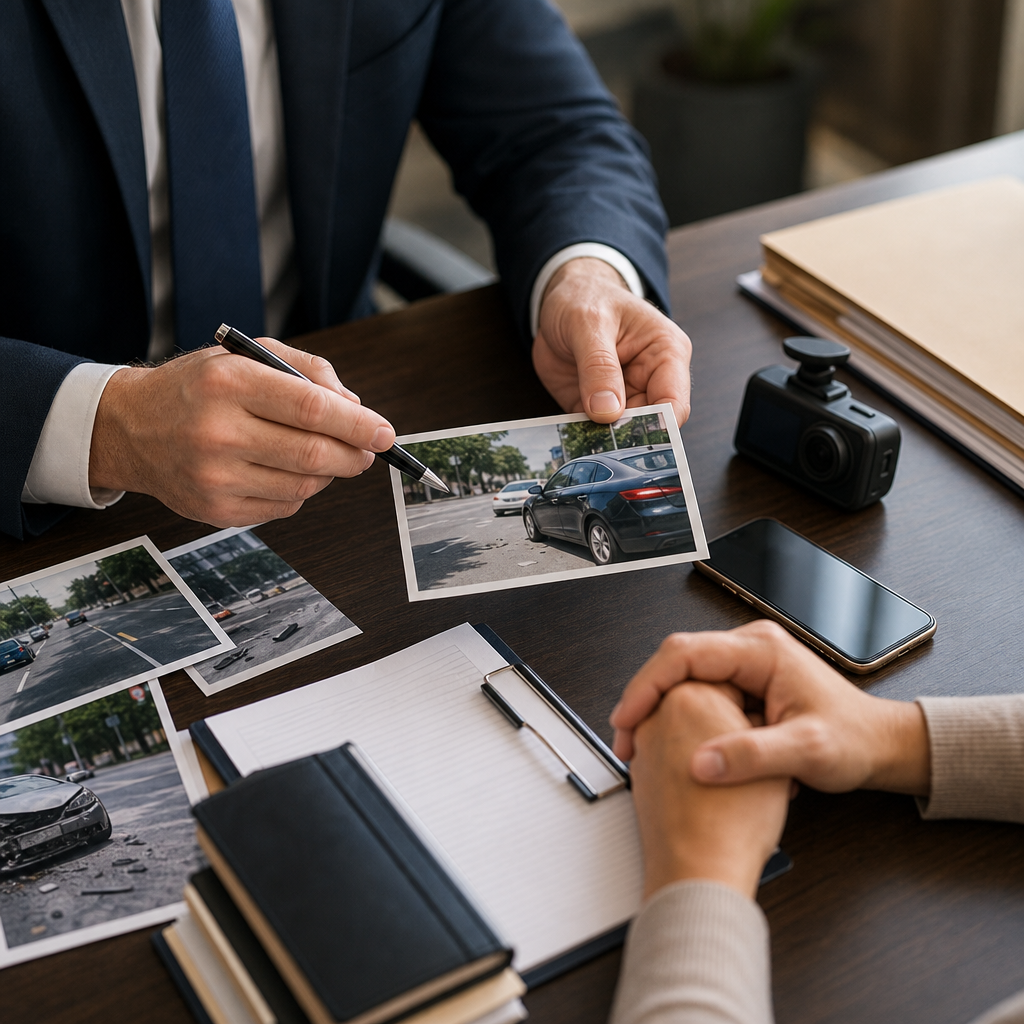
How We Strengthen Your Claim Against Insurance Companies
Insurance companies evaluate claims based on clear evidence of liability and damages. Our evidence collection directly counters their initial position of minimizing payouts.
We build a narrative supported by evidence at every step. When we present medical records showing hospitalization, imaging showing fractures, and a doctor’s statement that the injuries are serious, the insurance company cannot argue the injuries are minor. When we present traffic camera footage showing the rideshare driver running a red light, the company cannot deny liability. When we show medical bills totaling $50,000 and lost wages of $12,000, the company must account for those damages in settlement discussions.
We also use evidence to anticipate and counter insurance company arguments. If the company claims you were partially at fault, we have witness statements and physical evidence showing you were not. If they claim your injuries are pre-existing, we have medical records from before the accident showing you were healthy.
Our evidence-based approach shifts negotiations in your favor. Insurance companies know we have documentation. They understand that a judge or jury would see the same evidence we’re presenting. This reality motivates them to settle fairly rather than risk trial.
Timeline and Statute of Limitations Protection
Time is limited — act now. California’s statute of limitations requires you to file a lawsuit within two years of your injury. Missing this deadline means losing your right to compensation entirely.
Beyond the filing deadline, evidence degrades constantly. We prioritize early investigation to capture time-sensitive information. Traffic camera footage is typically retained for 30 to 90 days. Witness memories fade quickly. Rideshare companies may not cooperate with late evidence requests.
Our early engagement protects your timeline. We immediately send preservation letters, secure records, and begin investigation. This protects your claim even before formal litigation. We track all deadlines, ensuring no procedural requirement is missed. For comprehensive guidance on California personal injury timelines, we provide detailed resources to our clients.
Common Evidence Mistakes That Hurt Claims
We’ve reviewed many claims damaged by preventable errors. Understanding these mistakes helps you avoid them.
One critical mistake is accepting the first police report without review. Police reports can contain inaccuracies. We review them carefully and request corrections if necessary. We also obtain the complete report, not just a summary.
Another mistake is speaking directly with insurance adjusters without legal representation. Insurance companies train adjusters to extract statements that minimize liability. A casual comment like “I didn’t see the other car” can be twisted. We handle all communication with insurers.
Many clients fail to seek medical treatment immediately or discontinue treatment prematurely. Insurance companies use gaps in medical care as evidence that injuries weren’t serious. We advise clients to follow medical recommendations fully and document treatment consistently.
Some victims sign releases or settlement agreements hastily, before understanding the full extent of their injuries. Once you sign a release, you’ve surrendered future claims. We never advise rushing into settlement.
Finally, people sometimes dispose of damaged clothing, vehicle parts, or other physical evidence. Don’t throw anything away. Preserve and photograph it.
Why Professional Evidence Collection Wins
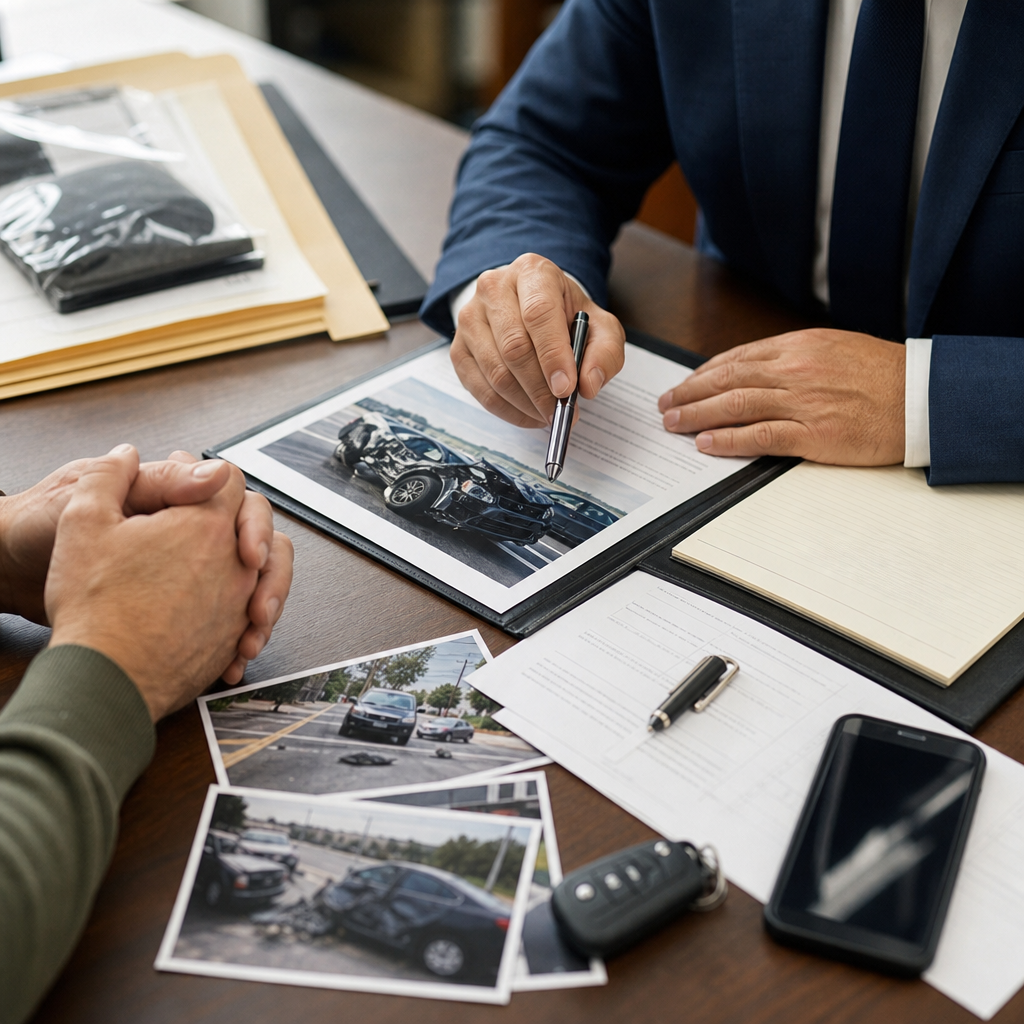
The difference between handling your claim alone and working with us comes down to expertise, resources, and results.
We have relationships with investigators, medical experts, and accident reconstruction specialists. We know which evidence is persuasive and how to obtain it. We have legal authority to compel cooperation from companies that wouldn’t respond to your direct requests. We understand how insurance companies evaluate claims and what evidence changes their calculus.
We manage the investigation while you focus on healing. We handle deadlines, preservation, and follow-up. We don’t let evidence slip away because we’re busy or overwhelmed.
Most importantly, we pursue full and fair compensation. Claims handled without professional guidance settle for less, sometimes significantly less. Our evidence-based approach maximizes what you recover.
For comprehensive legal support for rideshare accident cases, we’re here to guide you through every step.
Your Next Steps to Maximum Compensation
You have rights after an accident. Protecting those rights starts immediately.
Contact us for a free consultation. We’ll review what happened, discuss what evidence exists, and explain your options. We work on contingency: no fee unless we recover for you. That means you have nothing to lose by talking to us and everything to gain.
When you call, have available: the date and time of the accident, the rideshare company you were using, any police report number, contact information for witnesses if you have it, and your medical provider names. We’ll take it from there.
Don’t delay. Evidence preservation can’t wait, and the statute of limitations is always ticking. We’re ready to investigate, document, and build the case that wins you the compensation you deserve.
Contact us today for a Free Case Consultation!
Frequently Asked Questions (FAQ)
What evidence do we need to build a strong rideshare accident claim?
We investigate and compile multiple types of evidence to strengthen your case, including the rideshare platform’s records (driver information, vehicle details, trip data), photographs from the accident scene, medical documentation of your injuries, witness statements, police reports, and phone records showing the driver’s location and activity. We also preserve digital evidence like app communications and GPS data that demonstrate liability. The more comprehensive our evidence collection, the stronger our position when negotiating with insurance companies.
Why shouldn’t I try to gather evidence on my own after a rideshare accident?
Handling evidence collection yourself risks contaminating or losing critical information that could support your claim, and you may not know which evidence is legally relevant or how to properly preserve it. Insurance companies exploit gaps in documentation to minimize payouts, and mistakes in early evidence gathering can undermine your case later. We handle the investigation professionally, ensuring all evidence meets legal standards and is presented compellingly to maximize your compensation.
How much time do I have to file a rideshare accident claim in California?
California’s statute of limitations gives you two years from the date of your accident to file a personal injury lawsuit, but we strongly recommend acting sooner to preserve evidence while it’s fresh and witnesses are accessible. Time is limited, so we encourage you to contact us immediately for a free consultation so we can protect your rights and begin our investigation right away.