Table of Contents
- Understanding Your Injury Case Obstacles
- Challenge 1: Proving Liability and Negligence
- Challenge 2: Dealing With Insurance Company Tactics
- Challenge 3: Managing Medical Evidence and Documentation
- Challenge 4: Meeting California Statute of Limitations Deadlines
- Challenge 5: Calculating Fair Compensation for All Damages
- How We Navigate These Challenges for You
- Our Comprehensive Investigation and Evidence Preservation
- Why Choosing the Right Legal Partner Matters
- Your Path to Maximum Compensation Starts Here
- Frequently Asked Questions (FAQ)
Understanding Your Injury Case Obstacles
If you’ve been injured due to someone else’s negligence, you have rights after an accident. But pursuing a personal injury lawsuit in California is rarely straightforward. Insurance companies fight hard to minimize payouts, evidence can be disputed, deadlines are strict, and calculating what your case is truly worth requires expertise. We understand this is stressful on top of your physical recovery and financial strain.
This guide walks you through the real obstacles you’ll face in a California injury claim and shows you exactly how we help clients overcome them to secure the full and fair compensation they deserve.
Personal injury litigation involves multiple moving parts, and gaps in any one of them can weaken your entire claim. You might have a clear case of negligence, but without solid evidence or proper documentation, proving it becomes an uphill battle. Insurance adjusters exploit these vulnerabilities by questioning liability, disputing medical costs, or offering settlements far below what your case is worth.
The average accident victim doesn’t know California’s legal rules, doesn’t understand what evidence matters most, and doesn’t know how long they have to file. This knowledge gap often costs them thousands in lost compensation. We work directly with injured people daily and know exactly where claims typically break down.
Your first move: preserve any evidence and get medical care immediately. Document injuries, preserve evidence, and seek medical care. Photos of the accident scene, witness contact information, and early medical records become your foundation.
Challenge 1: Proving Liability and Negligence
Liability sounds simple: the other party was careless, you got hurt, so they owe you. In reality, proving negligence in court requires showing four specific elements. You must demonstrate that the other party had a duty of care toward you, breached that duty through their actions or inaction, caused your injury directly, and that you suffered real damages.
Each element has to stick. A defendant’s lawyer will attack whichever link seems weakest. Maybe they argue you were partially at fault, or that someone else caused the injury, or that their client’s actions didn’t actually breach any duty. Without solid evidence, these arguments gain traction.
We will investigate all available evidence to build an ironclad liability case. That means reviewing police reports, collecting traffic camera footage, interviewing witnesses while their memories are fresh, and examining the scene ourselves if needed. We gather expert testimony when it strengthens your case, whether from accident reconstruction specialists or medical experts. We document, preserve, and present the facts so clearly that liability becomes undeniable.
What you can do now: write down everything you remember about the incident while it’s fresh, gather contact information from anyone who witnessed it, and get copies of any police or incident reports filed.
Challenge 2: Dealing With Insurance Company Tactics
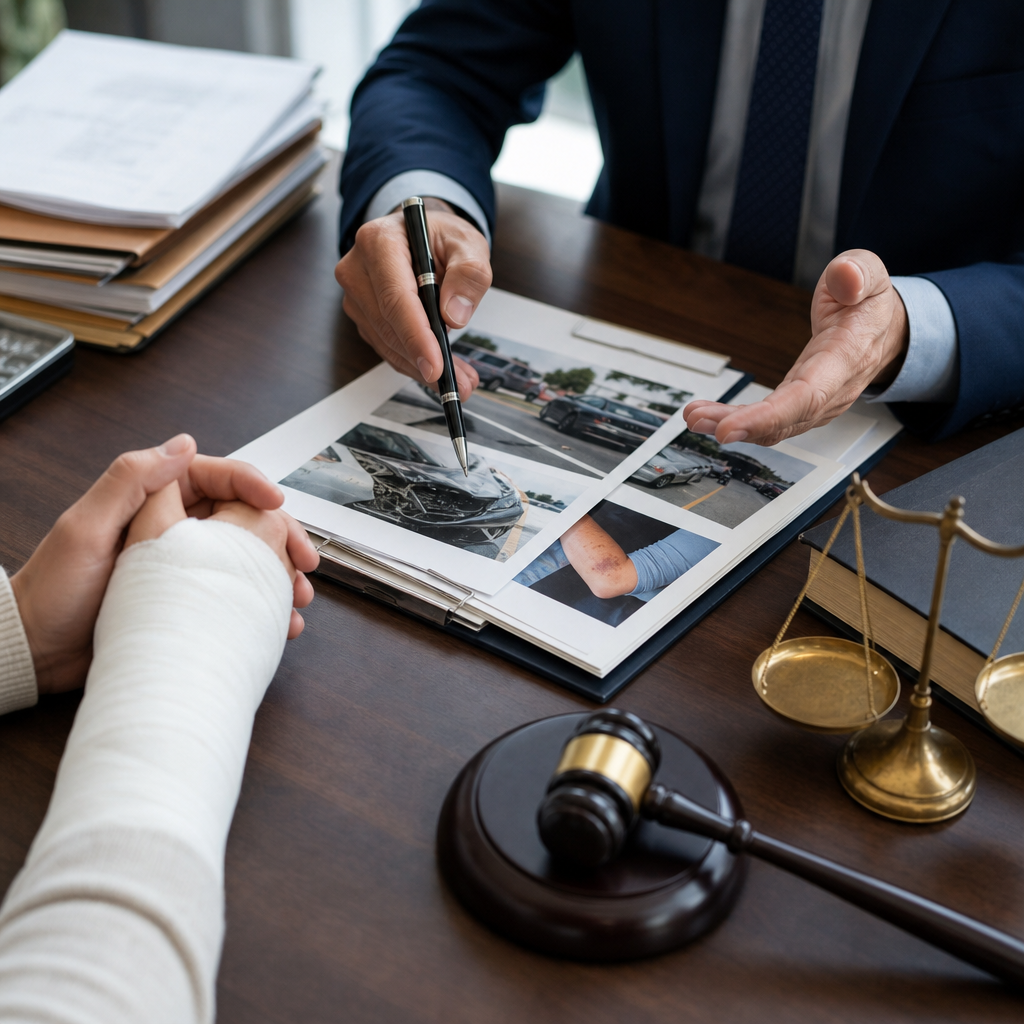
Insurance companies employ adjusters and lawyers whose job is to protect profits by minimizing payouts. They use several predictable tactics. They may contact you directly and ask you to give a recorded statement before you understand your rights. They request authorization to pull your medical records from years back, hunting for pre-existing conditions to blame for your injuries. They offer quick, low settlements to close cases fast, knowing many injured people need money immediately.
We handle all communication with insurance companies on your behalf, so you’re never at a disadvantage in conversations designed to undermine your claim. We know their playbook and counter it with strategic negotiation backed by solid evidence. Our strong negotiation with insurance companies means we push back when their offers fall short and are ready to litigate if settlement talks stall.
If the insurer refuses to negotiate fairly, we file suit and take the case to court. Adjusters know this and often shift their position when they see we’re serious. We pursue full and fair compensation, not just quick cash.
Take action today: do not speak with the insurance company without legal counsel, do not sign authorizations they send, and refer all their calls to us.
Challenge 3: Managing Medical Evidence and Documentation
Your medical records are the backbone of your injury case. They prove you were hurt, document the severity, show ongoing treatment, and establish causation. But collecting, organizing, and presenting medical evidence correctly requires attention to detail.
Many claimants struggle here. They fail to follow their doctor’s treatment plan, have gaps in their medical visits, or don’t see specialists who could strengthen their claim. Insurance adjusters seize on these gaps, arguing the injury wasn’t that serious if you didn’t pursue aggressive treatment. They also scrutinize bills, challenging costs they view as unnecessary or inflated.
We ensure your medical evidence tells a complete, compelling story. We coordinate with your healthcare providers to obtain all relevant records, review them carefully for inconsistencies or missing documentation, and identify where additional evaluations strengthen your case. We work with medical experts to explain complex diagnoses and treatment needs in plain language for judge or jury. We also ensure medical bills and lost wages are accurately calculated and supported by documentation.
Next step: keep copies of every medical bill, receipt, and prescription. Track all appointments and treatments in writing. If your doctor recommends specialist care, get it done promptly.
Challenge 4: Meeting California Statute of Limitations Deadlines
The statute of limitations (the filing deadline for your claim) is a hard stop. In California, most personal injury cases must be filed within two years from the date of injury. Miss that deadline, and your case is gone forever, no matter how strong it is.
This creates real pressure. You’re recovering from injury, managing medical appointments, dealing with financial stress, and now you’re racing the clock. Some claimants assume they have more time than they do. Others delay because they’re still healing or because settlement negotiations seem to be progressing. Then time runs out.
We track all deadlines carefully and ensure time is limited — act now. We file your claim well before the deadline, communicate the timeline clearly, and prevent costly delays. We also understand that some claims involve multiple parties or special circumstances that might affect the deadline, and we navigate those correctly.
Mark your calendar and contact us immediately after your injury. We can often file a protective claim quickly if needed while settlement talks continue.

Challenge 5: Calculating Fair Compensation for All Damages
Many injury victims focus only on medical bills when calculating what their case is worth. That’s a significant underestimate. California law allows you to recover multiple categories of damages, and insurance companies count on you not understanding them all.
Economic damages include medical bills and lost wages, yes, but also future medical care, cost of home health services, and property damage. Non-economic damages cover pain and suffering, emotional distress, loss of enjoyment of life, and permanent scarring or disfigurement. In cases of gross negligence, punitive damages may be available to punish the wrongdoer’s behavior.
Calculating these damages properly requires expertise. We analyze your specific injuries, your prognosis, your income history, and the impact on your quality of life. We use medical expert opinions to project future care costs. We consult with economists when lost earning capacity matters. We present damages in a way that resonates with judges or juries, not as abstract numbers but as the real cost of your injury.
Request a detailed breakdown of all damages we identify in your case. Understanding what you’re entitled to puts you in a stronger negotiating position.
How We Navigate These Challenges for You
We specialize in personal injury law and have represented countless Californians hurt in car accidents, motorcycle crashes, premises liability incidents, and product liability cases. This experience means we’ve seen every obstacle and know how to overcome it. We don’t stumble through your case learning as we go; we apply proven strategies from day one.
Our client-focused legal navigation and support means you’re never left wondering what happens next. We explain complex legal concepts in plain language, keep you updated on case progress, and answer questions promptly. You’re dealing with enough without adding confusion about your own lawsuit.
Our Comprehensive Investigation and Evidence Preservation
The investigation phase determines case strength. We move fast because evidence deteriorates, witnesses move, and memories fade. We photograph accident scenes, obtain security footage from nearby businesses, subpoena phone records and data that support your timeline, and interview witnesses comprehensively.
We preserve any evidence you have and gather what others possess. We work with accident reconstruction experts to establish how the incident occurred. We secure medical expert opinions that connect the defendant’s actions directly to your injuries. This thorough case evaluation and litigation readiness means when we enter settlement talks, the other side knows we’re serious and prepared to prove our case in court.