
Table of Contents
- Why Truck Collisions Demand Specialized Legal Expertise
- The Client-Focused Approach Difference
- Comprehensive Evidence Investigation and Documentation
- Negotiation Strength With Insurance Companies
- Litigation Readiness and Trial Preparation
- Understanding California Truck Accident Laws
- How We Maximize Your Compensation
- Medical Expenses and Lost Wages Recovery
- Timeline and Statute of Limitations Guidance
- Why Weinberger Law Firm Is Your Best Choice
- Getting Started With Your Free Consultation
- Frequently Asked Questions (FAQ)
Why Truck Collisions Demand Specialized Legal Expertise
If you were injured in a truck collision, you know how overwhelming this moment feels. Medical bills pile up, lost wages mount, and you’re left wondering how to navigate a system that often feels stacked against you. Truck accidents are not like typical car crashes. The damages run deeper, the liability questions are more complex, and the parties involved—trucking companies, their insurers, and their legal teams—have substantial resources to defend themselves. You need a truck collision attorney who understands these stakes and knows how to fight for your rights.
We’re here to help you understand what separates effective legal representation from the rest. Not every attorney is equipped to handle truck accident cases with the skill and thoroughness they demand. By recognizing the key qualities that matter most, you’ll be better positioned to choose a legal partner who will truly advocate for your recovery and fair compensation.
Truck accidents are fundamentally different from other motor vehicle collisions, and that difference demands expertise. A commercial vehicle weighing 80,000 pounds striking your car creates injuries of a magnitude that passenger vehicle crashes often don’t. The physics alone—impact force, momentum, and energy transfer—result in more severe trauma to victims.
Beyond the injury scale, truck accident cases involve multiple layers of liability. Was the driver fatigued from driving beyond legal hours? Did the trucking company fail to maintain the vehicle? Were logistical pressures pushing the driver to speed or skip safety protocols? Was the cargo improperly loaded, affecting braking or stability? A general personal injury attorney may not know to investigate these factors or recognize their legal significance.
We understand that trucking companies carry insurance policies specifically designed to defend against injury claims. Their adjusters and defense counsel are specialized. They know the federal transportation regulations, the industry standards, and the tactics that work in these cases. To level the playing field, you need a truck accident lawyer who possesses the same depth of knowledge—someone who has handled these cases before and knows what evidence matters most.
Your action step: Ask any potential attorney about their specific experience with truck collision cases, not just motor vehicle accidents in general.
The Client-Focused Approach Difference
After an accident, you don’t need a lawyer who treats your case as just another file. You need someone who listens to your story, understands your pain, and communicates clearly at every stage.
A client-focused approach means we keep you informed without unnecessary legal jargon. We explain your options in plain language. We return your calls and emails promptly, because we know you’re stressed and need reassurance. We treat you as a partner in your own case, not as a bystander waiting for updates.
This approach also means we invest time in understanding your full situation. How have your injuries affected your daily life? What medical treatments do you still need? Are you able to work, or are lost wages continuing to mount? These details aren’t just human context—they’re essential to calculating your true compensation claim.
We also respect your time and emotional energy. If negotiations are progressing well with the insurance company, we’ll manage those discussions so you can focus on healing. If litigation becomes necessary, we’ll prepare you thoroughly so you feel confident and supported in court.
Your action step: During an initial consultation, notice whether the attorney asks detailed questions about your life, not just the accident details.
Comprehensive Evidence Investigation and Documentation
The difference between a strong settlement and an inadequate one often comes down to evidence. What we can document, preserve, and present determines how persuasive your case becomes.
A capable truck collision attorney investigates with intention. We don’t rely solely on the police report. We obtain traffic camera footage from nearby intersections and businesses. We photograph the accident scene, vehicle damage, road conditions, and visibility factors. We interview witnesses while their memories are fresh. We request the truck’s electronic logging device records, which show the driver’s hours and speed data. We pull maintenance records for the commercial vehicle. We review dispatch records and communication logs.
Medical documentation is equally critical. We ensure your doctors record the full extent of your injuries, the treatments you receive, and your prognosis. We coordinate with your medical providers to build a comprehensive picture of your damages that insurance companies cannot dismiss.
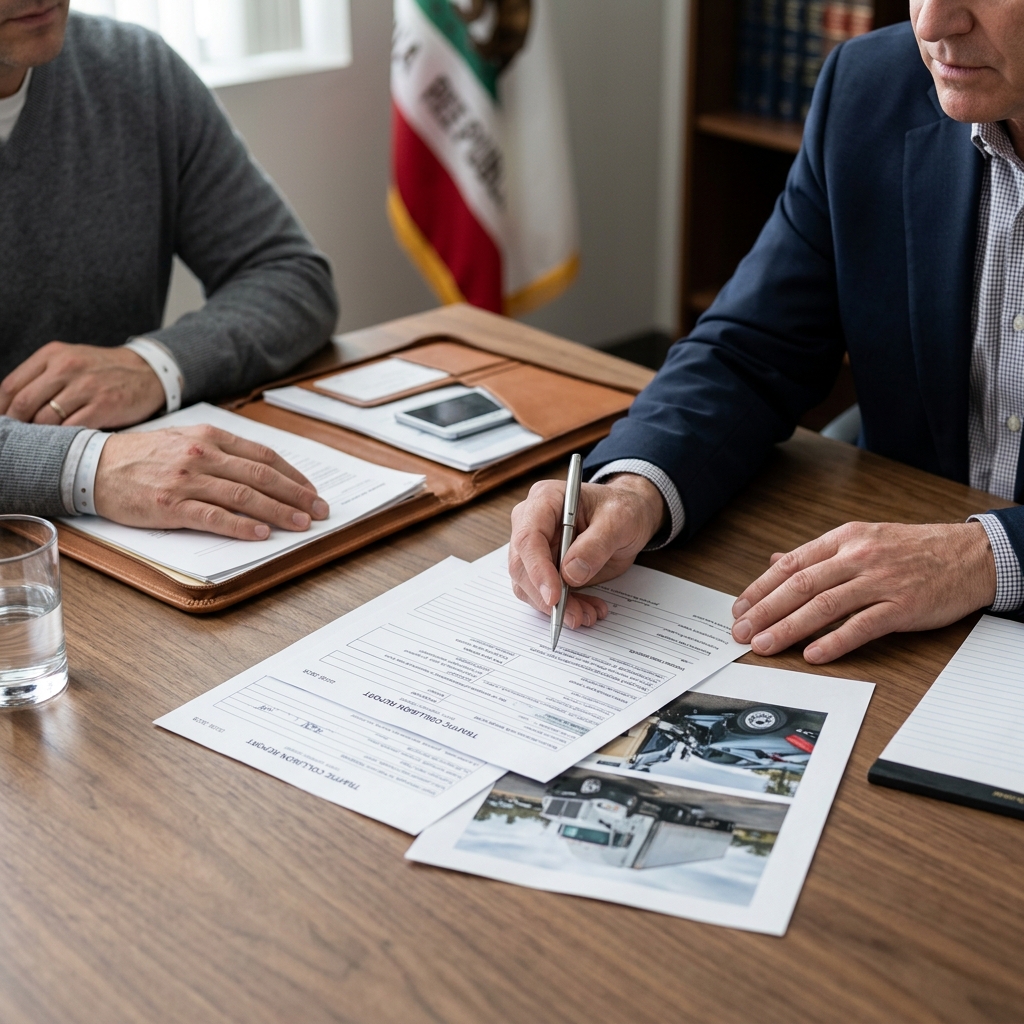
This investigative work happens quickly and methodically. Time erodes evidence. Memories fade. Footage gets deleted. Witnesses become harder to locate. The first weeks after your accident are precious for evidence preservation.
Your action step: Preserve any evidence you have—photos, text messages about the accident, medical receipts—and provide them to your attorney as soon as possible.
Negotiation Strength With Insurance Companies
Insurance companies have one job: minimize what they pay. They employ experienced adjusters trained in negotiation tactics. They know that many injured people feel desperate, willing to accept less just to end the process. They count on victims not fully understanding the value of their claims.
We pursue full and fair compensation because we understand claim valuation thoroughly. We know how insurance companies calculate damages. We know which settlements are reasonable and which are lowball offers designed to close quickly. We negotiate from a position of strength because we’ve prepared a documented, compelling case.
Our negotiation strategy begins before we ever discuss settlement. The insurance company needs to understand that we’re ready to litigate if necessary. We file suit when it serves your interests. We don’t bluff. That credibility changes the entire negotiation dynamic. An adjuster who knows you have an experienced attorney willing to take the case to trial treats negotiations very differently than one dealing with an unrepresented victim.
We also handle the back-and-forth systematically. We make demands grounded in evidence. We respond to counteroffers with reasoned explanations. We know when to hold firm and when flexibility actually strengthens our position. Most importantly, we never settle without your explicit approval—you always have the final say.
Your action step: Never accept an insurance settlement offer without having an attorney review it and confirm it reflects the true value of your claim.
Litigation Readiness and Trial Preparation
Not every case settles. Some insurance companies refuse fair offers, betting that you’ll accept less rather than endure a trial. That’s where litigation readiness becomes your greatest asset.
An attorney who is prepared to litigate maintains a different posture throughout the case. Depositions are conducted more rigorously. Discovery is pursued more aggressively. Evidence is organized more meticulously. This preparation—the willingness to invest the resources necessary for trial—actually motivates insurance companies to settle more favorably.
When trial does become necessary, you need an attorney who can present your case compellingly to a jury. That requires understanding how to simplify complex facts, how to use evidence persuasively, how to cross-examine opposing witnesses effectively, and how to connect your injuries and losses to the jury’s sense of justice. We prepare you thoroughly so you testify confidently. We organize exhibits logically. We coordinate expert witnesses to explain technical aspects clearly.
Complex accident litigation requires strategic thinking that extends far beyond initial case evaluation. You need someone who views every step—from investigation through trial—as part of a unified strategy designed to maximize your recovery.
Your action step: Ask your potential attorney about their trial experience and success rate in cases that proceeded to verdict.
Understanding California Truck Accident Laws
California law provides specific protections and pathways for injury victims, but these protections only help you if your attorney understands them deeply.
Vehicle Code violations, federal transportation regulations, and common law negligence all create avenues for holding trucking companies accountable. For example, California Vehicle Code Section 21704 limits how long a commercial driver can operate without rest. Violations of this regulation can establish negligence. Federal regulations under Title 49 set requirements for vehicle maintenance, driver qualifications, and cargo securement. Violations of these regulations are also evidence of negligence.
California also follows the doctrine of vicarious liability, meaning trucking companies can be held responsible for their drivers’ negligence even if the company itself didn’t act negligently. Additionally, California recognizes negligent hiring, retention, and supervision claims. If a trucking company knew or should have known that a driver was unfit, that’s actionable negligence.
We guide you through these legal pathways with clarity. We ensure you understand your rights, the applicable law, and how these statutes and doctrines strengthen your claim. Knowledge empowers you to make informed decisions about your case.
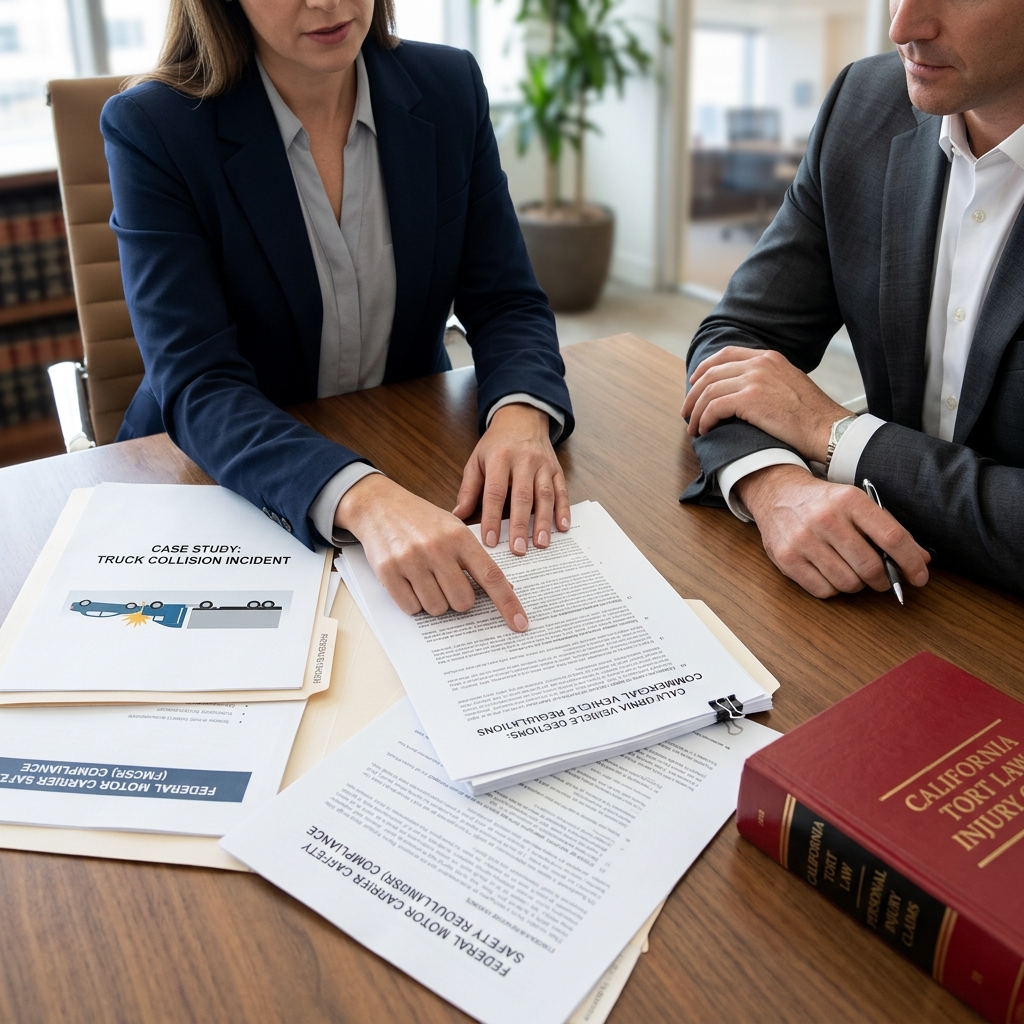
Your action step: Understand that you have rights after an accident—California law provides meaningful protections that a skilled attorney can leverage on your behalf.
How We Maximize Your Compensation
Maximizing compensation means thinking broadly about what you’ve lost. Most injured people immediately recognize medical bills and lost income. But full compensation includes non-economic damages too.
Pain and suffering is real and measurable in California courts. If you experience chronic pain, mobility limitations, or ongoing medical treatment, these impacts on your quality of life have monetary value. Emotional distress, anxiety, and psychological trauma are compensable. Loss of enjoyment of life matters—if you can’t play sports, spend time with family, or engage in activities you once loved, a jury understands the loss.
Permanent scarring or disfigurement, diminished earning capacity if your injuries affect future work, and costs of future medical care all factor into comprehensive compensation. We calculate damages by working closely with medical experts, vocational rehabilitation specialists, and economists who help quantify long-term impacts.
We also pursue claims against all responsible parties. If the truck driver was negligent, the trucking company shares liability. If a maintenance failure contributed to the accident, the company maintaining the vehicle is responsible. If the cargo shipper improperly loaded the truck, they bear liability. Identifying every responsible party multiplies your potential recovery because each party carries insurance.
Your action step: Document every medical appointment, treatment, and expense, as well as any work you missed or income lost, to establish the full scope of your damages.
Medical Expenses and Lost Wages Recovery
Medical bills and lost wages are tangible, documented losses that form the foundation of your claim. We ensure these are fully recovered.
Medical expenses include emergency room care, hospitalization, surgery, physical therapy, prescription medications, imaging studies, and ongoing treatment. Many injured people don’t realize that California law allows recovery not just for past medical expenses, but for reasonably necessary future medical care as well. If your injuries require ongoing physical therapy, regular doctor visits, or future surgery, these are part of your claim.
Lost wages are equally straightforward. If you missed work due to your injuries, you’re entitled to recover the wages you would have earned. We gather pay stubs, employment records, and communication from your employer documenting the time you missed. If you’re self-employed, we work with an accountant to establish your lost income.
What many victims don’t understand is that these economic damages are often just the beginning. Once we establish the full extent of medical treatment and lost income, we build the case for pain and suffering and other non-economic damages on top of that foundation.
Your action step: Preserve any medical bills, pay stubs, and communications from your employer about missed work—these documents directly establish your economic losses.
Timeline and Statute of Limitations Guidance
Time is limited — act now. In California, the statute of limitations — the filing deadline to pursue your claim — gives you generally two years from the date of injury to file a lawsuit. That sounds like plenty of time, but it’s not.
The statute of limitations matters because it creates urgency around evidence preservation and case preparation. The longer you wait, the harder it becomes to gather fresh evidence, locate witnesses, and obtain records. Insurance companies know this. They sometimes use delay as a strategy, hoping the statute will eventually bar your claim.
We advise you on your specific timeline as soon as we evaluate your case. If settlement negotiations are proceeding, we monitor the progress and ensure we file suit well before the deadline if settlement becomes unlikely. If your case is more complex and requires extensive investigation, we begin that work immediately.
There are situations where the statute of limitations can be extended, but these circumstances are narrow and fact-specific. The safer approach is to take action quickly. Consulting with an attorney sooner rather than later protects your rights and ensures nothing falls through the cracks.
Your action step: Contact us for a free consultation well before the statute of limitations expires — ideally within the first few months after your accident.

Why Weinberger Law Firm Is Your Best Choice
We understand truck collisions because we’ve dedicated our practice to helping accident victims in Sacramento and throughout California. Our experience investigating these cases, negotiating with insurers, and litigating when necessary has built a reputation that insurance companies respect.
When you choose us, you get an attorney who listens to your story and views your case as more than just a claim number. We invest in thorough investigation because we believe the facts, when properly presented, tell a compelling story about what happened and who should be held accountable. We negotiate strategically and settle only when the offer truly reflects your damages. We’re prepared to litigate aggressively if the insurance company refuses fair compensation.
We also offer a fee arrangement that removes financial barriers to seeking justice. No fee unless we recover for you. You don’t pay unless we win your case or secure a settlement. This arrangement aligns our interests with yours completely—your recovery is our priority because it’s how we’re compensated.
Our commitment to clear communication means you’re never left wondering about your case status. We explain legal concepts plainly. We keep you informed of developments. We answer your questions directly. Most importantly, we respect the difficulty of your situation and treat you with the compassion and professionalism you deserve.
Your action step: Choose a truck collision attorney who demonstrates expertise, dedication to client service, and a proven track record of maximizing compensation.
Getting Started With Your Free Consultation
The next step is straightforward. Contact us for a free consultation to discuss your truck collision case. During this initial meeting, we’ll listen to what happened. We’ll ask detailed questions about your injuries, medical treatment, lost wages, and current challenges. We’ll explain how we approach cases like yours and answer any questions you have about our process.
There’s no obligation and no cost for this consultation. We want to understand your situation fully before you decide whether to move forward with representation. This conversation gives you a chance to assess whether we’re the right fit for your case.
Preserve any evidence and get medical care if you haven’t already. Bring documentation—medical records, pay stubs, photos, insurance information—to your consultation so we can evaluate your claim comprehensively. The more information you provide, the better advice we can offer.
You have rights after an accident. We will investigate all available evidence and pursue full and fair compensation on your behalf. Contact Weinberger Law Firm today to schedule your free consultation. Your recovery and your future matter to us.
Contact us today for a Free Case Consultation!
Frequently Asked Questions (FAQ)
Why do truck collisions require different legal handling than regular car accidents?
We handle truck collisions differently because they involve commercial regulations, multiple liable parties, and significantly greater damages. Our investigation goes deeper into federal trucking standards, driver logs, maintenance records, and company policies that standard car accident cases don’t require. These cases are more complex, which is why we bring specialized expertise to protect your rights and maximize your recovery.
What happens if we can’t settle my truck accident case with the insurance company?
We prepare every case for trial from day one, so we’re ready to litigate if negotiations stall. Our litigation readiness means we’ve gathered thorough evidence, documented all damages, and built a strong case strategy before we ever step into court. You have rights after an accident, and we’ll pursue full and fair compensation through either settlement or trial, whichever serves you best.
How much time do I have to file a truck accident claim in California?
California’s statute of limitations gives you two years from your accident date to file a personal injury lawsuit, though we strongly recommend acting much sooner. Time is limited, so we urge you to contact us immediately to preserve evidence, gather witness statements, and protect your legal options. The sooner we start your case, the stronger your position becomes.