
Table of Contents
- 1. Immediate Case Evaluation and Response
- 2. Direct Attorney Access and Communication
- 3. Rapid Evidence Preservation and Investigation
- 4. Coordinated Medical Documentation Support
- 5. Proactive Insurance Company Negotiation
- 6. Regular Client Updates and Transparency
- 7. Strategic Litigation Readiness Planning
- Frequently Asked Questions (FAQ)
1. Immediate Case Evaluation and Response
When you contact us, we don’t place you in a queue or schedule a call weeks out. We perform an initial case evaluation promptly, typically within 24 to 48 hours. During this first conversation, we listen to your account, ask clarifying questions about the accident and your injuries, and assess the strength and scope of your claim.
Our goal in that first interaction is to give you honest, clear feedback: What happened? Do you have a viable claim? What does the legal process look like? What should you do right now? We walk through your immediate priorities, such as preserving evidence, obtaining medical records, and protecting your legal timeline under California’s statute of limitations (the filing deadline for your claim).
This rapid evaluation accomplishes two things. First, you get peace of mind knowing a qualified attorney has reviewed your situation and explained your options. Second, we capture critical details while your memory is fresh and evidence is still accessible. Many injured people delay seeking legal help, only to discover that key evidence has been lost or witnesses are harder to locate.
Actionable takeaway: Contact us for a free consultation as soon as practical after your accident. The sooner we evaluate your case, the sooner we can begin protecting your rights and securing evidence.
2. Direct Attorney Access and Communication
A common frustration in legal practice is the wall between clients and lawyers. You call your attorney’s office and reach a paralegal or assistant; your questions wait days for a response; you feel like a case number rather than a person with urgent concerns. We reject that model entirely.
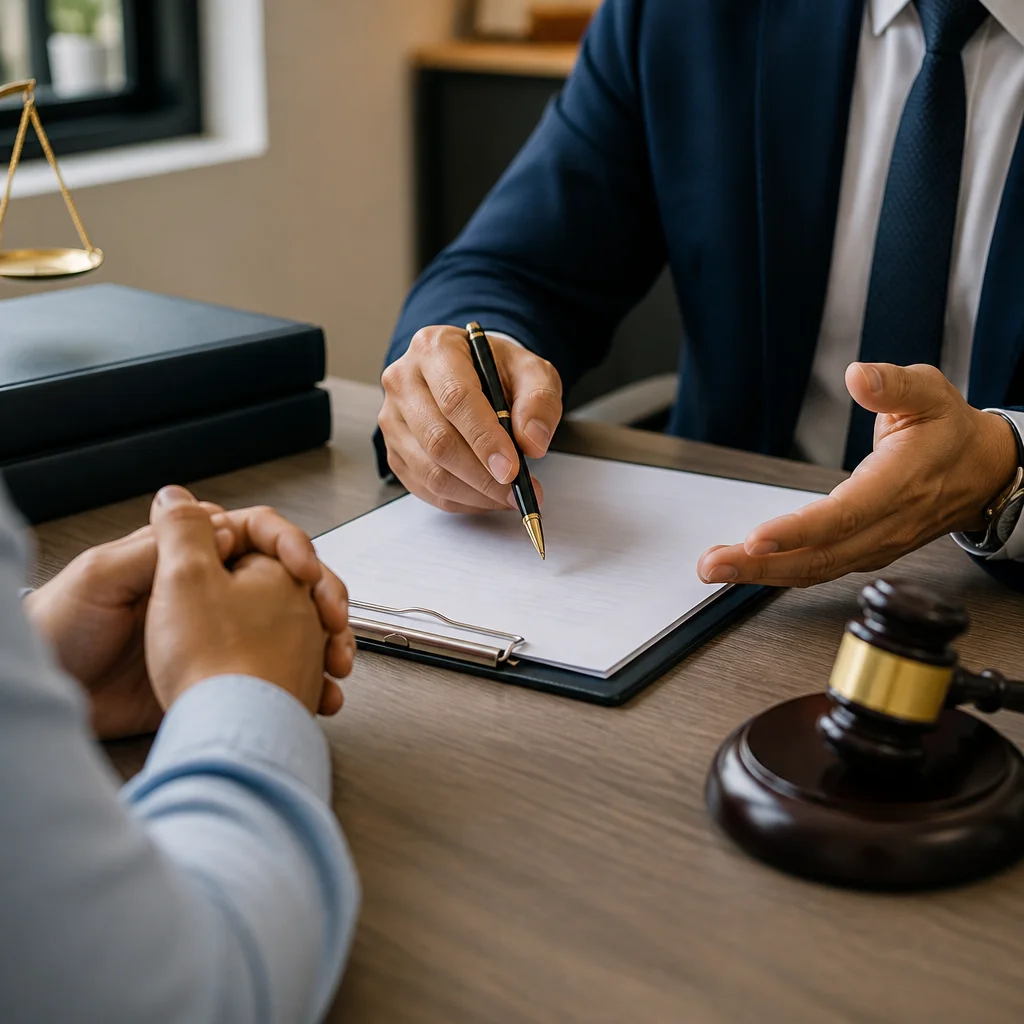
At Weinberger Law Firm, you have a direct relationship with your attorney. You know who is handling your case, and you can reach that attorney with questions or updates. We maintain responsive communication channels so you’re never left wondering where things stand or whether your lawyer is taking your claim seriously. If you need a status update before a medical appointment, or if an insurance company makes a new settlement offer, you can contact us and get a prompt response.
This approach reduces anxiety and keeps you informed every step of the way. You’re also more likely to remember and report important details, such as a witness name or a photo you took, when you know you can reach your attorney directly. Clear communication and responsive client support isn’t just courteous; it’s a cornerstone of effective legal representation.
Actionable takeaway: When you hire us, ask for your attorney’s direct contact information and preferred communication method (phone, email, or secure message portal). Use it whenever you need clarity or want to share new information.
3. Rapid Evidence Preservation and Investigation
Evidence loses value fast. Traffic camera footage is recorded over after 30 days. Witnesses move away or forget details. Accident scenes are cleared and reconstructed. If we don’t act quickly, critical proof disappears forever.
We investigate all available evidence from the start. This means we immediately identify and contact witnesses, obtain traffic camera and dash-cam footage, preserve accident scene photographs, and pull police reports. We review medical records as they arrive and work with medical providers to ensure accurate documentation of your injuries and treatment. For vehicle accidents, we may engage accident reconstruction experts early if liability is contested.
When an at-fault party or their insurance company knows we’re building a thorough, evidence-backed file, they take settlement discussions more seriously. A strong factual foundation also positions us for litigation if negotiation stalls. You’re protected either way: if the insurer wants to settle fairly, we’re ready to negotiate. If they resist, we’re prepared to litigate.
Actionable takeaway: Preserve any evidence and get medical care immediately. Write down what you remember about the accident, save photos and videos, and give us the names of anyone who witnessed what happened.
4. Coordinated Medical Documentation Support
Your medical records are the foundation of your damages claim. They prove the nature and extent of your injuries, the treatment you received, and the resulting costs. Insurance companies and defense attorneys scrutinize medical files for inconsistencies, gaps, or signs that injuries were exaggerated.
We coordinate with your healthcare providers to ensure medical records are complete, well-documented, and clearly show causation (the link between the accident and your injuries). If your doctors use vague language or miss key details, we work with them to clarify the record. We also review bills to catch overcharges and ensure insurers aren’t inflating their own cost estimates.
Additionally, we help you understand which medical providers bill directly and which require reimbursement from your settlement. We track liens (claims made by healthcare providers or workers’ compensation insurers) so you know exactly how much of your recovery will go toward medical costs. This transparency helps us structure a settlement that actually puts money in your pocket after bills are paid.
Actionable takeaway: Keep copies of every medical bill, receipt, and explanation of benefits. Attend all recommended medical appointments and be candid with your doctors about pain, limitations, and how the injury affects your daily life.

5. Proactive Insurance Company Negotiation
Insurance adjusters are skilled negotiators trained to minimize payouts. An injured person handling their own claim often accepts the first offer, which is typically 30 to 50 percent below fair value. The adjuster uses delay tactics, downplays injuries, or disputes medical necessity to wear you down.
We take the opposite approach: we are proactive and informed. We prepare a detailed demand letter that lays out the facts, medical evidence, and law supporting your claim. We cite comparable verdicts and settlements, highlight the insurer’s own liability exposure, and propose a realistic settlement range. Our team then negotiates directly with the insurance company, using both the strength of our evidence and our willingness to litigate if necessary.
For more on proven negotiation strategies, see our detailed guide to insurance negotiations after injury. We pursue full and fair compensation, which means we don’t settle until we’re confident the offer reflects your actual damages: medical bills, lost wages, pain and suffering, and future care needs.
Actionable takeaway: Do not accept an insurance offer without legal review. Call us with any settlement proposal, and we’ll advise you on whether it’s fair and what leverage we might have to improve it.
6. Regular Client Updates and Transparency
After the initial case evaluation, your case enters an investigation and negotiation phase that can span weeks or months. During this time, you need to know what’s happening. Are we waiting for medical records? Have we sent the demand? Is the insurance company responding?
We provide regular updates, typically every two to four weeks, or more often if developments warrant. We explain what we’ve done since the last update, what we’re working on next, and any decisions or milestones approaching. If we’re waiting for something such as a medical report or an insurer response, we tell you the expected timeline. If negotiations are moving, we keep you informed of offers and our recommendations.
This consistent communication does two things: it keeps you in the loop so you’re not anxious or in the dark, and it reinforces that your case is active and advancing. Transparency builds trust and ensures you understand the reasoning behind our strategy and next steps. For additional insights on how we communicate with clients, review our client communication guide.
Actionable takeaway: Ask your attorney at the start of representation how often you’ll receive updates and how you prefer to receive them. If you ever feel uninformed, raise it immediately.
7. Strategic Litigation Readiness Planning

Not every claim settles. If an insurance company refuses to offer fair value, we move toward litigation. Many injury victims worry that litigation means years of court battles and uncertainty. In reality, most cases that are genuinely litigation-ready settle before trial because the defendant’s lawyers know we’re prepared to win.
From the beginning, we build your case as if it will go to trial. We develop strong evidence, document injuries thoroughly, and identify expert witnesses such as medical doctors, accident reconstructionists, and economists who can support our claims. We prepare witness statements and organize all materials in a format that a jury would understand and find persuasive. This thoroughness signals to the insurance company that we’re serious and not bluffing.
If settlement talks break down, we file a lawsuit and begin the discovery process of exchanging documents and taking depositions. Throughout, we remain open to settlement, but we’re equally ready to present your case to a judge or jury. Litigation readiness isn’t about wanting to go to court; it’s about being so prepared that the other side knows they’re better off negotiating fairly.
Actionable takeaway: Understand that we pursue settlement aggressively but prepare for litigation from day one. This dual-track approach maximizes your leverage and protects your interests regardless of how the case resolves.
Contact us today for a Free Case Consultation!
Frequently Asked Questions (FAQ)
How quickly will we respond to my case after I contact Weinberger Law Firm?
We understand that time is critical after an accident, which is why we prioritize immediate case evaluation and response. When you reach out to us, we begin investigating all available evidence right away and connect you directly with an attorney to discuss your situation. Our goal is to ensure you have the legal support you need without delay, especially since the statute of limitations sets a filing deadline for your claim.
What makes your communication approach different from other personal injury firms?
We believe our clients deserve direct access to their attorney and regular updates about their case progress. Rather than filtering conversations through staff, we keep you informed transparently at every stage and respond promptly to your questions and concerns. You’ll know exactly where your case stands and what we’re doing to pursue full and fair compensation on your behalf.
Why is evidence preservation so important, and how do we handle it?
Evidence can disappear quickly after an accident, which is why we act fast to document, preserve, and present the facts that support your claim. We coordinate medical documentation, gather witness statements, and secure physical evidence before it’s lost. This thorough approach strengthens your position when we negotiate with insurance companies and ensures we’re ready for litigation if needed.