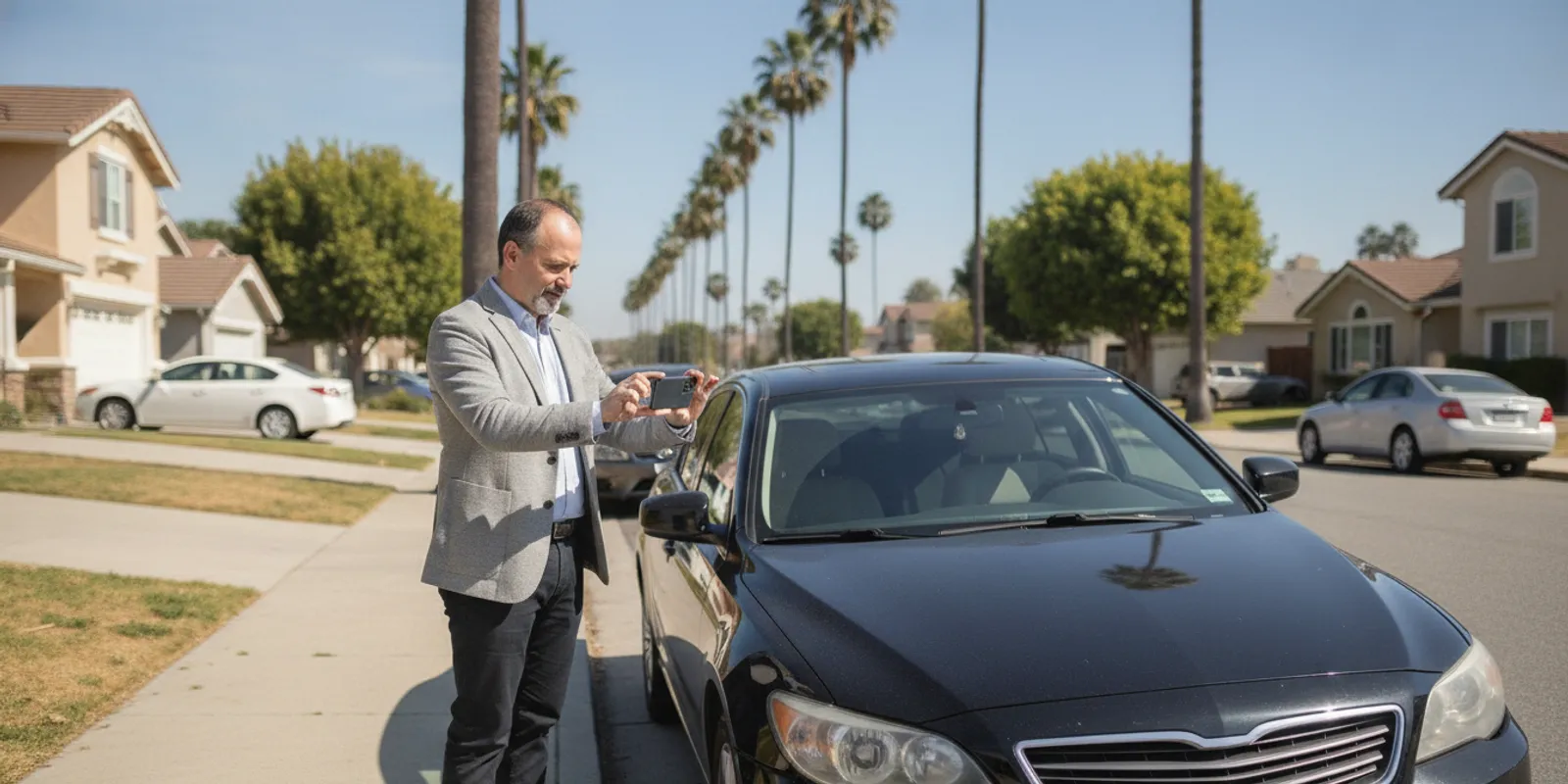
If you are searching for a hit and run accident lawyer in California, you may be trying to make decisions while still dealing with the shock, vehicle damage, or an injury. Start with safety and medical care, then preserve what you can about the driver, vehicle, location, and timing. This practical timeline explains what to do in the first moments, the days that follow, and before you make decisions about an insurance claim.
Call Weinberger Law Firm at 916-357-6767.
What should you do immediately after a hit-and-run?
First, move out of traffic if you can do so safely. Call emergency services if anyone is hurt or there is an immediate danger. Do not follow or confront the other driver. Your safety matters more than gathering evidence, and leaving a dangerous location to reach safety is reasonable.
Once safe, note the time and exact location. If you can do so without putting yourself or anyone else at risk, write down what you remember about the other vehicle: color, make, model, approximate size, license plate characters, and the direction it traveled. Even an incomplete plate or a distinctive feature may help investigators distinguish one vehicle from another. Record your own vehicle’s position and visible damage before it is moved, if possible.
- Call law enforcement and report that the other driver left. Ask how to obtain the report or incident number.
- Get medical attention for injuries, including symptoms that become noticeable later. Tell the provider when and how the crash happened.
- Photograph the scene, vehicle damage, debris, skid marks, traffic controls, and any visible injuries, if safe.
- Ask witnesses for names and contact information. A witness may have seen the vehicle or recorded part of the event.
- Write a short account of what you remember while the details are fresh. Separate what you saw from what you assume.
California Highway Patrol provides official road-safety and collision information through its website. For an active emergency, call emergency services rather than relying on online information.
What should you do during the first day?
As soon as you are able, create a secure place for evidence. Save original photographs and videos, and back them up. Do not edit the originals; if you need to crop or mark a copy for your own notes, keep the unaltered file too. Make a simple log with the date, time, location, and a short description of each contact about the collision.
Ask nearby homes or businesses whether cameras may have captured the street, parking area, or a vehicle leaving the scene. Video systems may overwrite recordings, so make the request promptly. Do not enter private property or pressure anyone. Note the property owner’s contact details and pass them to law enforcement or your representative.
Keep the clothes and personal items you had with you if they were damaged. Preserve any broken vehicle parts that are already in your possession, but do not collect debris from an active roadway. Keep tow, rental, and repair paperwork. If the vehicle may be important to an investigation or insurance inspection, ask before authorizing repairs that would remove or discard relevant evidence.
What should you do over the next few days?
Contact your own auto insurer and report the collision as required by your policy. You can ask what coverages may apply and what documents the insurer needs. A hit-and-run may involve several possible paths, but availability depends on your policy, the facts, and the type of loss. Do not assume that a particular coverage applies until the insurer has reviewed it.
When you speak with an insurer, be accurate and keep your answers to what you know. It is fine to say that you do not remember a detail or need to check a document. Avoid guessing about speed, distance, or the other driver’s identity. Keep copies of letters, emails, claim forms, and estimates, and write down the date and name of each person you speak with.
Continue medical care as recommended by your provider and keep related records. This may include visit summaries, prescriptions, referrals, bills, and time missed from work. A record is useful not because every symptom must be documented in a special format, but because it helps you and your providers track what happened and what care followed. Do not delay necessary treatment while waiting for an insurance decision.
How can you organize a hit-and-run claim?
A clear file makes it easier to explain the event without relying on memory alone. Use a folder, paper binder, or secure digital location. Keep originals where possible and organize copies by topic. This basic checklist can help you see what you have and what may still need to be requested.
| Record or evidence | What it can help clarify | Practical next step |
|---|---|---|
| Police report or incident number | When and where the collision was reported, and any investigation details available | Ask the responding agency how to request a copy or check its status |
| Photos, video, and witness details | Vehicle appearance, damage, road layout, and what others observed | Save original files; make prompt, polite requests to preserve nearby footage |
| Medical records and bills | Care received and the timing of reported symptoms | Keep provider names, visit dates, bills, and follow-up instructions together |
| Insurance and vehicle records | Policy information, claim communications, damage estimates, towing, and repairs | Save the policy, claim number, letters, receipts, and repair documents |
| Work and daily-impact notes | Time missed and changes to ordinary activities | Record dates and specific effects; keep wage or schedule documents if available |
These records do not prove every issue by themselves. They are starting points for explaining what happened, what is known, and what questions remain. Make a note when information is unavailable rather than trying to fill gaps with an estimate.
How can you turn scattered records into a useful evidence packet?
Once you have gathered the first documents, arrange them so another person can follow the sequence without having to guess. Start with a one-page timeline: the collision date and approximate time, when emergency services or police were contacted, when you sought care, when the insurer was notified, and any major follow-up. Mark approximate times as estimates and identify their source, such as a phone log or your own recollection.
Next, group the supporting records under clear labels. One section can hold photographs and vehicle information; another can contain the police incident details and witness contacts; separate sections can hold medical documents, insurance letters, and repair or towing records. Use simple file names such as “scene-east-side-2026-10-14” rather than vague labels like “photo 1.” Keep private identifying information secure, and share only through a channel you have confirmed is intended for that purpose.
It is also useful to include an open-questions list. For example: “Does the insurer need an inspection before repairs?” “Has the nearby market retained camera footage?” “What is the process for requesting the report?” When a question is answered, add the answer, the date, and who provided it. This helps distinguish confirmed information from tasks still in progress. If a document is missing, note that it has been requested and when; do not delay organizing the rest of the file. A packet does not need special software or legal formatting. Its purpose is to help you communicate accurately and identify what remains unknown.
How should you manage follow-up while a claim is open?
Use one running timeline for calls, letters, appointments, and important changes. A basic entry can include the date, who contacted you, the topic, what was requested, and what you agreed to do next. Keep the tone factual. For example, note that an adjuster asked for photographs by a certain date; do not write that the adjuster accepted fault unless that was clearly stated.
When you receive a document, save it with a descriptive file name and record when it arrived. If you send information, keep a copy of exactly what you sent and how you sent it. If you speak by phone, jot down the person’s name and any reference number. When an answer is unclear, ask for an explanation or written confirmation rather than relying on an uncertain recollection.
Claims can involve different requests from the police, an insurer, a medical provider, or a repair shop. Keep those requests separate so that you know who needs which item. A simple checklist can identify whether a request is complete, pending, or not applicable. If you cannot meet a requested date, contact the requester promptly and ask what to do; do not ignore the request or assume that a missed date has no effect.
Your notes are for accuracy and organization, not a substitute for official forms, medical records, or advice about your particular situation. Avoid sharing sensitive documents through an unverified link or public post. If you are unsure how a request could affect your claim, ask questions before responding.
What insurance questions may come up?
Your own policy may include uninsured motorist coverage, collision coverage, medical payments coverage, or other provisions. A hit-and-run may be treated differently under different coverages, and policy language and claim facts matter. Ask the insurer which coverage it is evaluating, what documentation it requests, and whether it needs an inspection before repairs proceed. Keep a record of the answers.
Do not assume that finding the driver is the only route to asking about recovery. Conversely, do not assume that insurance will pay simply because the other vehicle left. Questions may include whether the event meets the policy definition, whether notice or other conditions apply, what evidence is needed, and how injury and vehicle-damage claims are handled. A lawyer can review the circumstances and explain possible next steps, but no outcome can be promised in advance.
If an insurer asks you to sign a release, give a recorded statement, or accept a payment, read the request carefully and ask what it covers. A release can affect rights, and the effect depends on its wording and circumstances. You can ask for time to review documents and seek advice before deciding. Do not sign a document you do not understand.
What changes if the driver is identified later?
Give new information to the investigating agency and your insurer. Preserve the source of the information, such as a witness message, business video, or a plate number, and avoid posting accusations online. Identification alone may not resolve questions about who was driving, what happened, or what coverage is available. Those points may require further investigation.
Evidence can become harder to obtain with time. If a witness has relevant information, write down how to reach them and what they say they observed. Do not coach a witness or ask them to change their account. If the driver is located, let law enforcement and the insurers handle formal communications rather than trying to confront the person yourself.
How do the steps differ by type of collision?
The same core actions apply whether the crash happened on a local street, highway, or in a parking area: get safe, seek care, report the event, preserve evidence, and notify the appropriate insurer. The useful details, however, can differ.
- Street or intersection collision: Note traffic lights, signs, lane markings, nearby businesses, and possible camera locations.
- Parking lot collision: Record the row or entrance, nearby vehicles, and the business or property manager who may control cameras.
- Highway collision: Prioritize safety and follow directions from emergency responders. Avoid standing near moving traffic to photograph evidence.
- Collision involving a bicycle or pedestrian: Save damaged clothing or equipment, note the crossing or travel path, and identify witnesses who saw the approach or impact.
Readers looking for nearby accident information can also review the firm’s pages about personal injury concerns in Antelope and car accidents in Auburn. The place where a crash occurred may affect which witnesses, businesses, or public records are relevant; a location page is not a substitute for case-specific review.
What should you consider before choosing a lawyer?
You may want help when you are unsure how to deal with an insurer, how to preserve evidence, or how to evaluate a request for a statement or release. A useful first conversation should make space for your questions and explain what information may be needed. You can ask who will handle communications, how updates are provided, what the fee agreement says, and whether the lawyer has experience with injury claims involving unidentified or fleeing drivers.
Weinberger Law Firm represents people injured in California accidents, including car accidents, and offers a free consultation. The firm describes its fee arrangement as contingency-based: clients pay nothing upfront and pay a fee only if the firm recovers compensation, according to the fee agreement. Ask for an explanation of the agreement, including how case costs are treated, before deciding whether to proceed.
For people in the Sacramento-area, the firm’s information about personal injury representation in Calwa is another local resource. A consultation can help you discuss the circumstances and understand potential options. Sending a message or speaking with a firm does not itself create an attorney-client relationship; that relationship depends on a separate agreement.
Call Weinberger Law Firm at 916-357-6767 for a free consultation.
Frequently Asked Questions
Should I report a hit-and-run if I do not have the license plate?
Yes, report what you know even if you do not have a plate number. The time, location, vehicle description, direction of travel, witnesses, and any nearby cameras may still be useful. Tell the responding agency clearly which details you are unsure about.
Can I make an insurance claim if the driver is never found?
Possibly, depending on the available coverage, the policy terms, and the facts. Contact your insurer, ask which coverages it will evaluate, and follow its instructions for documenting the event. A lawyer can review policy and claim questions with you.
Should I repair my vehicle before the insurer inspects it?
Ask the insurer whether it needs to inspect or photograph the damage first. If repairs are needed for safety, explain that and document the damage beforehand if it is safe. Keep estimates, invoices, and any replaced parts you can reasonably preserve.
What if I notice pain after leaving the scene?
Seek medical care and explain that the symptoms followed a collision, including when they began. Keep records of the care and follow the provider’s instructions. Do not ignore new or worsening symptoms because they were not apparent immediately.
Does calling a lawyer mean I have hired one?
No. A call or consultation is an opportunity to discuss the situation and ask questions. Representation begins only if you and the lawyer enter into an appropriate agreement.
What is a practical next step?
Focus on what you can control: protect your safety, get medical care, report the collision, save evidence, and keep a written record of insurer communications. If you are uncertain about a policy request or the next step in a California injury claim, consider discussing the facts with a lawyer before making a decision.