
Table of Contents
- Why Premises Liability Cases Demand Specialized Legal Expertise
- Understanding Your Rights After a Property-Related Injury
- How Property Owners’ Negligence Creates Your Claim
- What Makes Our Approach to Premises Liability Different
- Building a Strong Case: Evidence and Investigation
- Negotiating Fair Compensation With Insurance Companies
- Timeline and Statute of Limitations: Why Speed Matters
- Our Track Record Securing Maximum Compensation
- How We Guide You Through the Legal Process
- Next Steps: Your Free Consultation and Recovery Plan
- Frequently Asked Questions (FAQ)
Why Premises Liability Cases Demand Specialized Legal Expertise
If you were injured on someone else’s property, you’re likely facing medical bills, lost wages, and uncertainty about what comes next. We understand this is a stressful time. The good news is that property owners have a legal duty to maintain safe conditions, and when they fail, you may have a strong claim for compensation. At Weinberger Law Firm, we help injured individuals in Sacramento navigate premises liability claims and secure the full compensation they deserve.
Premises liability cases are more complex than they appear at first glance. A slip on a wet floor or a trip on a broken staircase seems straightforward, but proving negligence requires careful investigation, expert knowledge of California law, and the ability to counter aggressive insurance company tactics.
Property owners and their insurers will often argue that you were careless or that the hazard was obvious. They’ll claim the dangerous condition didn’t exist long enough for them to discover and fix it. They may dispute whether they had actual knowledge of the problem. These defenses require a knowledgeable attorney to refute with solid evidence.
We bring specialized expertise to every premises liability case. We understand how property maintenance records work, how to obtain security camera footage, how to establish timelines of negligence, and how California law defines property owner liability. Our experience across slip-and-fall, inadequate security, and product liability claims means we know which angles insurers will pursue and how to counter them effectively.
What to do next: If you’ve been injured on someone else’s property, document everything you remember about the incident, take photos of the hazard if it’s still there, and get medical care immediately. Preserve any evidence and contact us for a free consultation.
Understanding Your Rights After a Property-Related Injury
You have rights after an accident on someone else’s property. California law requires property owners and tenants to exercise reasonable care to maintain safe premises and warn guests of known hazards. When they breach that duty and injure you, they’re liable for your damages.
Your damages include medical expenses (past and future), lost wages, pain and suffering, and emotional distress. If the injury is severe, you may recover compensation for reduced earning capacity or permanent disability. In rare cases of gross negligence, you might be eligible for punitive damages designed to punish the property owner’s reckless conduct.
The key legal concept is that property owners owe you a duty of care. They must inspect their property regularly, fix hazards promptly, and warn visitors of dangers they cannot immediately remove. This duty applies whether you’re a customer in a store, a guest in an apartment building, or a visitor to a restaurant. Different rules apply to trespassers, which is why establishing your legal status at the time of injury matters.
We help you understand exactly what rights apply to your situation. [California premises liability rights] are specific and nuanced, and we translate them into plain language so you know what compensation you’re entitled to pursue.
What to do next: Gather any written records from the property owner or manager acknowledging the hazard. Write down the names and contact information of anyone who witnessed your injury.
How Property Owners’ Negligence Creates Your Claim
Negligence in premises liability cases has four elements: duty, breach, causation, and damages. A property owner has a duty to maintain safe premises. They breach that duty by failing to repair a known hazard, failing to inspect for hidden hazards, or failing to warn of dangers they’re aware of. Your injury must be caused by that breach, and you must suffer actual damages.
Consider a practical example: A store manager notices a leaking pipe in the stockroom but postpones repairs for a week. A customer slips on the water and breaks her ankle. The manager knew about the hazard, failed to fix it or warn customers, and caused the customer’s injury. That’s clear negligence.
Another scenario: A landlord never inspects the exterior stairs, which have deteriorated wood planks. A tenant’s guest steps through a rotten board and falls. The landlord had a duty to inspect, breached it through negligence, and caused the injury.

We investigate all available evidence to establish each element of negligence. We obtain maintenance records, interview witnesses, review property inspection logs, and consult with experts if needed. The stronger our factual foundation, the stronger your position during settlement negotiations or trial.
What to do next: Ask the property owner or manager for a written incident report and any documentation about repairs or maintenance around the time of your injury.
What Makes Our Approach to Premises Liability Different
Our approach centers on you, not the paperwork. We know you’re dealing with pain, recovery, and financial stress. We handle the legal investigation, negotiation, and court work so you can focus on healing.
We pursue full and fair compensation, not quick settlements that undervalue your claim. This means we take time upfront to investigate thoroughly, gather expert testimony when necessary, and build an ironclad case. We’re prepared to litigate if insurers won’t offer fair value, and property owners know we’re serious about taking cases to trial.
We also communicate clearly. You’ll understand what we’re doing, why we’re doing it, and what to expect next. No legal jargon without explanation. No surprises. Responsive support when you have questions.
Our fee structure removes financial risk from your shoulders: No fee unless we recover for you. You don’t pay upfront. You don’t pay if we don’t win. Our success depends entirely on securing compensation for you, which aligns our interests perfectly with yours.
What to do next: Call us today for a free consultation. We’ll review your injury, explain your options, and give you honest guidance about your case’s strength.
Building a Strong Case: Evidence and Investigation
Evidence wins premises liability cases. We systematically gather and preserve evidence that proves negligence and quantifies your damages.
Physical evidence includes photographs of the hazard, the surrounding area, and your injuries. Security camera footage is often decisive, showing exactly what happened and whether warning signs were visible. We obtain this footage immediately because businesses often delete it after 30 days.
Documentary evidence includes maintenance records, inspection logs, prior injury reports, complaints from other visitors, and repair orders. If the property owner postponed repairs or ignored maintenance requests, we use those documents to show they knew about the danger and did nothing.
Expert testimony strengthens our case. Safety experts can testify about industry standards for property maintenance. Medical experts establish the causation between the hazard and your injuries and project future medical needs. Vocational experts calculate lost earning capacity if your injury affects your ability to work.
Witness statements carry weight. We interview anyone who saw the incident, the hazard, or the property owner’s response. Written statements from disinterested witnesses are particularly persuasive to insurers and juries.
We document, preserve, and present the facts in a compelling narrative that shows clear negligence and measurable harm.
What to do next: Photograph your injuries over time as they heal. Save medical bills, receipts for prescriptions, and documentation of missed work days.
Negotiating Fair Compensation With Insurance Companies
Insurance adjusters are trained negotiators who minimize payouts. They’ll request surveillance of you, challenge your medical treatment, and downplay your pain and suffering. We negotiate on your behalf, speaking their language while protecting your interests.
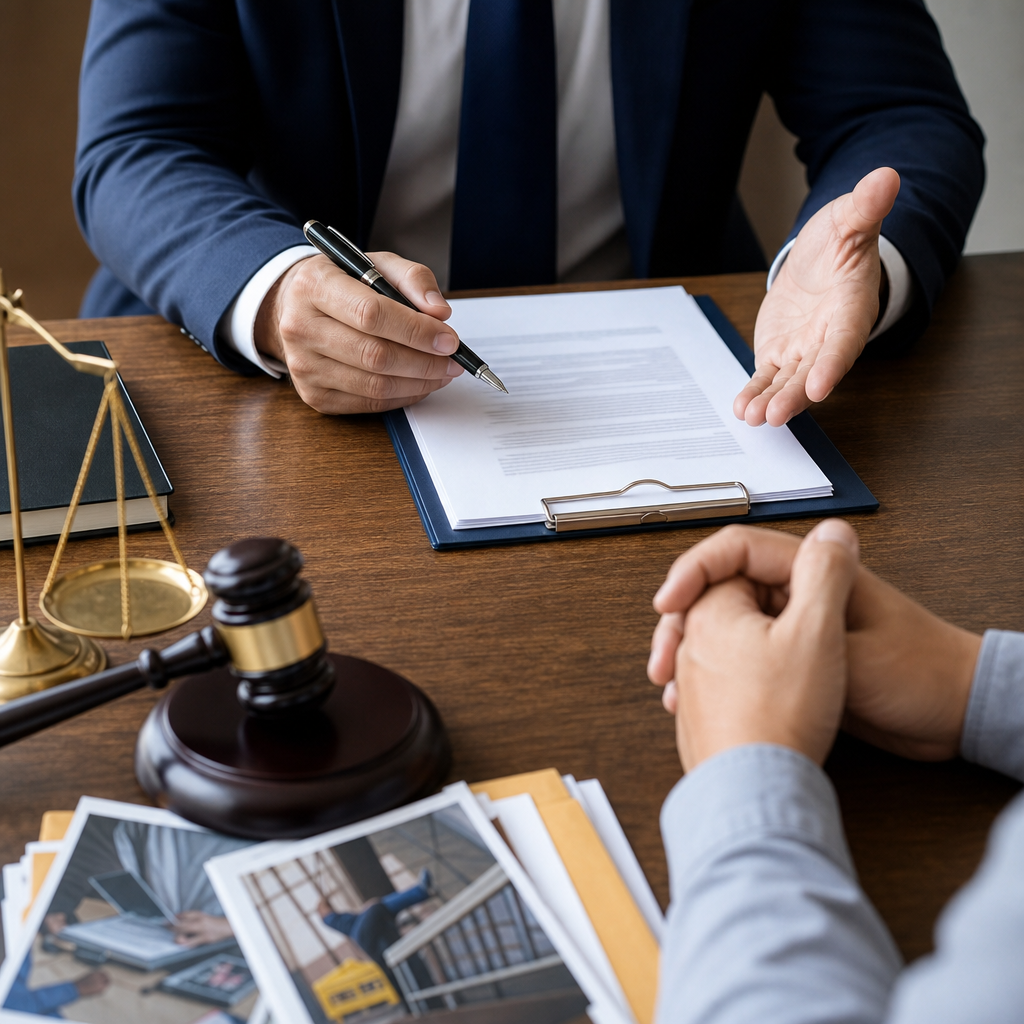
We start by preparing a detailed demand letter that presents all evidence of negligence, itemizes your damages with supporting documentation, and clearly states the compensation we’re seeking. This letter sets the tone and shows we’re serious.
When insurers respond with lowball offers, we counter with data. We cite comparable cases, point to weaknesses in their defenses, and remind them of the expense and uncertainty of trial. We never accept the first offer, and we rarely accept the second.
Our track record in negotiation matters. Insurers know that Weinberger Law Firm will litigate if necessary, which gives us leverage at the settlement table. Many of our cases resolve favorably without trial because insurers know the risk of facing us in court.
What to do next: Do not accept an insurance settlement without talking to us first. Initial offers are typically 30-50% below fair value.
Timeline and Statute of Limitations: Why Speed Matters
Time is limited — act now. California law imposes a statute of limitations, the filing deadline, of two years from the date of your injury to file a premises liability lawsuit. This deadline is absolute. If you miss it, you lose your right to sue, regardless of how strong your claim is.
We recommend acting within weeks of your injury, not months or years later. Early action allows us to preserve evidence while it’s fresh, interview witnesses while they remember details, and obtain security footage before it’s deleted.
Medical treatment also shouldn’t be delayed. Your medical records establish causation between the hazard and your injuries. Gaps in treatment weaken your claim because insurers argue your injuries weren’t serious if you waited weeks between appointments.
We’ll handle the technical deadlines and procedural requirements. Court filings, discovery deadlines, and settlement conference schedules will be managed by us, not left to your memory. One missed deadline could jeopardize your entire case.
What to do next: Contact us immediately if your injury occurred within the last two years. If it’s been longer, call anyway; some exceptions to the statute of limitations may apply.
Our Track Record Securing Maximum Compensation
Our results speak for themselves. We’ve recovered millions for injured clients across Sacramento and the surrounding region. We’ve settled slip-and-fall cases for six figures when insurers initially offered thousands. We’ve litigated premises liability cases to jury verdicts that exceeded our demand letters.
We measure success by the compensation we secure for clients, not by the number of cases we handle. We’re selective about the cases we take, which allows us to invest deeply in the ones we do. This commitment produces outcomes that reflect the true value of your injuries and losses.
Our clients also appreciate the personal attention. You’re not a case number. You have a dedicated attorney and support staff who know your situation intimately and fight for your full recovery.
What to do next: Ask us about cases similar to yours during your free consultation. We’ll explain the factors that drive settlement value and give you realistic expectations.
How We Guide You Through the Legal Process
The legal process has several stages, and we guide you through each one. Initially, we investigate, gather evidence, and evaluate your claim. We’ll advise you on the strength of your case and the realistic range of compensation.
Next, we prepare and send a demand letter to the property owner’s insurance company. We also advise you on medical treatment and what to expect from the adjuster’s investigation.
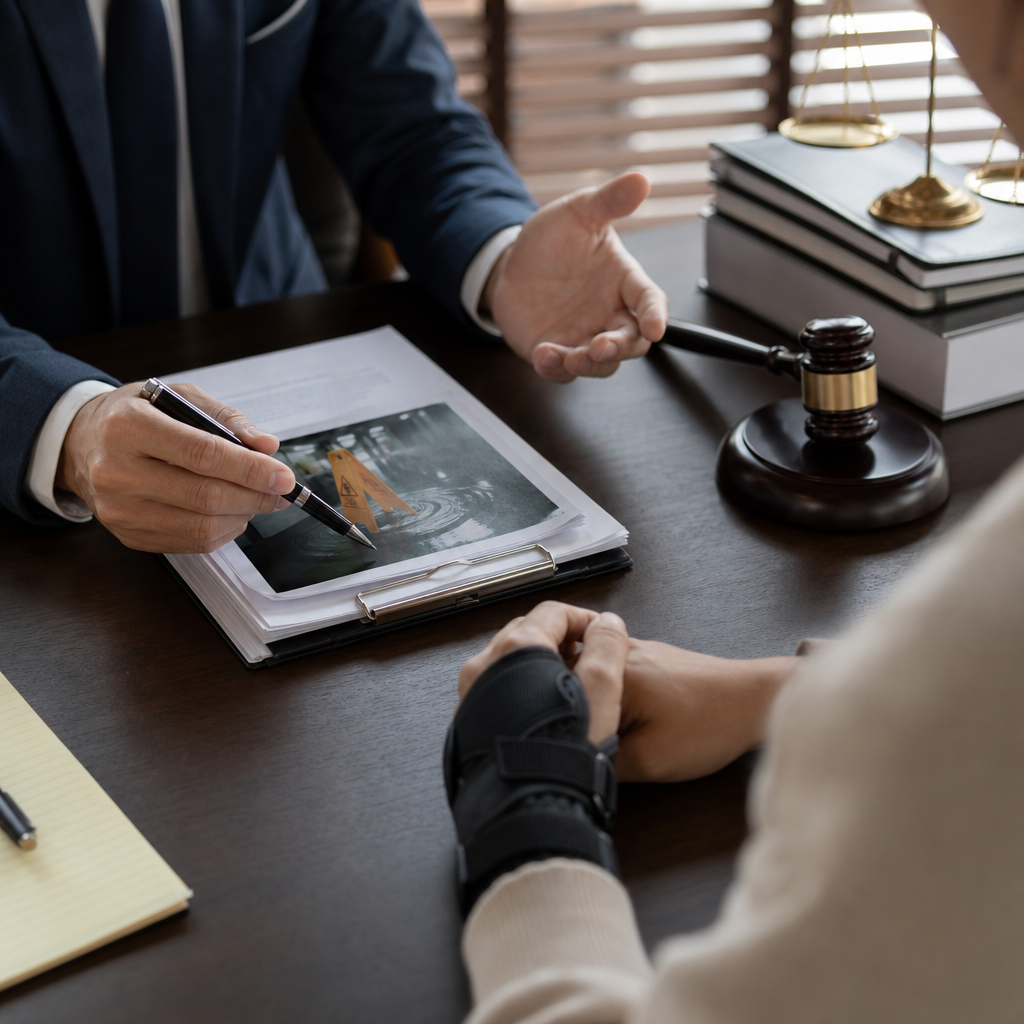
If the insurer makes a reasonable settlement offer, we evaluate it against your best alternatives (including litigation) and advise you on whether to accept. If their offer is too low, we prepare for litigation by conducting formal discovery, retaining expert witnesses, and developing trial strategy.
Throughout this process, we communicate regularly. You’ll know what’s happening, why we’re taking certain actions, and what comes next. We answer your questions promptly and treat your concerns seriously.
What to do next: Prepare a timeline of your injury and recovery. Write down names of witnesses, the property owner’s business or address, and any photos you took immediately after the incident.
Next Steps: Your Free Consultation and Recovery Plan
You’re ready to take the next step. Contact Weinberger Law Firm today for a free consultation with an experienced premises liability attorney. We’ll review the facts of your injury, explain your legal rights, and outline a path forward.
During the consultation, bring any documentation you have: photos, medical records, incident reports, correspondence with the property owner, or insurance communications. This information helps us evaluate your case quickly and give you honest advice.
We’ll explain our fee structure clearly: No fee unless we recover for you. You’ll know exactly how we work and what to expect moving forward.
Remember, time is limited — act now. Preserve any evidence and get medical care if you haven’t already. The sooner we begin investigating, the stronger your case will be.
We’re here to help you understand your rights and secure rightful compensation. Call us today.