
Table of Contents
- The Uber Accident You Did Not See Coming
- Why Your Rights Matter After a Rideshare Collision
- Understanding Liability in Uber and Lyft Accidents
- How Uber’s Insurance Coverage Protects You
- Why You Need More Than Just a Police Report
- Documenting Your Evidence Before Time Runs Out
- Medical Bills, Lost Wages, and Damages We Pursue
- The Statute of Limitations on Your Claim
- Why Insurance Companies Undervalue Rideshare Claims
- How We Investigate and Build Your Case
- From Negotiation to Full Compensation
- Contact Us for Your Free Consultation Today
- Frequently Asked Questions (FAQ)
The Uber Accident You Did Not See Coming
One moment you’re riding to work or heading home after an appointment. The next, another vehicle strikes the Uber, and your world shifts in seconds. If you’ve been injured in a rideshare accident, you’re likely facing medical bills, pain, and questions about what happens next. The shock and confusion are normal, but clarity is possible.
You have rights after an accident. California law protects passengers, drivers, and bystanders injured due to negligence. Uber accidents involve multiple layers of insurance, liability questions, and timing deadlines that most people don’t know about. That’s why we’re here: to help you understand what you’re entitled to and how to secure it.
The first step is recognizing that this wasn’t your fault, yet the burden of recovery often lands on you. We’ve helped hundreds of injured passengers navigate this path successfully.
Why Your Rights Matter After a Rideshare Collision
Your rights exist to compensate you fairly for losses caused by someone else’s negligence. When you’re injured in an Uber accident, you deserve recovery for medical care, lost income, pain, and suffering. These aren’t luxuries; they’re your legal entitlements under California law.
Rideshare accidents are unique because multiple parties may share liability: the Uber driver, another motorist, or even Uber itself in certain circumstances. Understanding your rights protects you from settling for less than you deserve. Insurance companies count on injured people not knowing their full value. We pursue full and fair compensation by ensuring every damage category is identified and claimed.
Waiting passively costs you. Medical evidence fades, witness memories blur, and evidence disappears. Taking action now preserves your strongest position.
Understanding Liability in Uber and Lyft Accidents
Liability determines who pays for your injuries. In a rideshare accident, the responsible party is typically whoever caused the collision through negligent driving. That might be the Uber driver, another vehicle’s driver, or both.
Here’s the key distinction: if the Uber driver caused the accident, Uber’s insurance coverage steps in. If another driver struck the Uber, that driver’s insurance may be primary, with Uber coverage as backup. If road conditions, a vehicle defect, or a third party’s action caused the collision, liability shifts accordingly.
We investigate all available evidence to determine exactly who bears responsibility. This includes police reports, traffic camera footage, witness statements, and vehicle inspection reports. Proper liability identification prevents you from pursuing the wrong party and ensures you access the right insurance coverage.
How Uber’s Insurance Coverage Protects You

Uber maintains commercial auto insurance that covers passenger injuries in certain situations. The coverage depends on the driver’s app status at the time of the accident.
When the Uber driver is actively carrying a passenger or waiting for one to arrive, Uber’s commercial policy typically applies. This provides much higher coverage limits than a personal auto policy. In California, commercial auto policies often carry liability limits of $1 million or more for passenger injuries. Personal auto policies cap out around $100,000 to $300,000, which is frequently insufficient for serious injuries.
Understanding this coverage matters because it affects what compensation is available. We review Uber’s insurance documents and policy limits to ensure claims are filed correctly and pursued at the right coverage level. If Uber’s coverage is insufficient for your damages, we identify and pursue other available sources.
Why You Need More Than Just a Police Report
A police report documents the accident but doesn’t prove liability or injury. It records officer observations, driver statements, and basic facts. However, police don’t investigate who was negligent, calculate damages, or identify all evidence.
We go far beyond the police report. We obtain traffic camera footage, cellphone records showing driver distraction, medical imaging confirming injury severity, and expert reconstruction analysis if needed. We also gather witness statements that police may not have collected thoroughly and preserve electronic data from both vehicles.
This comprehensive investigation creates a factual foundation that supports your claim’s full value. Insurance adjusters respect documented evidence far more than a police report alone.
Documenting Your Evidence Before Time Runs Out
Evidence preservation is critical. After an Uber accident, begin collecting information immediately.
Document, preserve, and present the facts by taking these steps:
- Photograph vehicle damage, accident scene conditions, and visible injuries before leaving the scene.
- Exchange information with the Uber driver and other parties: names, phone numbers, insurance details, and license plate numbers.
- Request the police report number and obtain a copy within 10 days.
- Photograph medical records, prescription labels, and medical appointment cards.
- Keep a journal recording pain levels, missed work days, and daily limitations caused by your injuries.
- Preserve text messages, emails, and photos on your phone (don’t delete them).
- Obtain witness contact information if anyone saw the accident.
Time is limited. Traffic cameras overwrite footage after 30 days in many cases. Witness memories fade quickly. Physical evidence at the scene disappears. Acting fast ensures nothing critical vanishes.
Medical Bills, Lost Wages, and Damages We Pursue
Your claim’s value covers all losses caused by the accident. This includes economic and non-economic damages.
Economic damages are concrete, measurable losses:
- Medical bills and lost wages are the most obvious, but also include future medical care, rehabilitation, and ongoing treatment.
- Transportation costs to medical appointments and therapy.
- Prescription medications and medical devices.
- Home care assistance if your injuries prevent you from performing daily tasks.
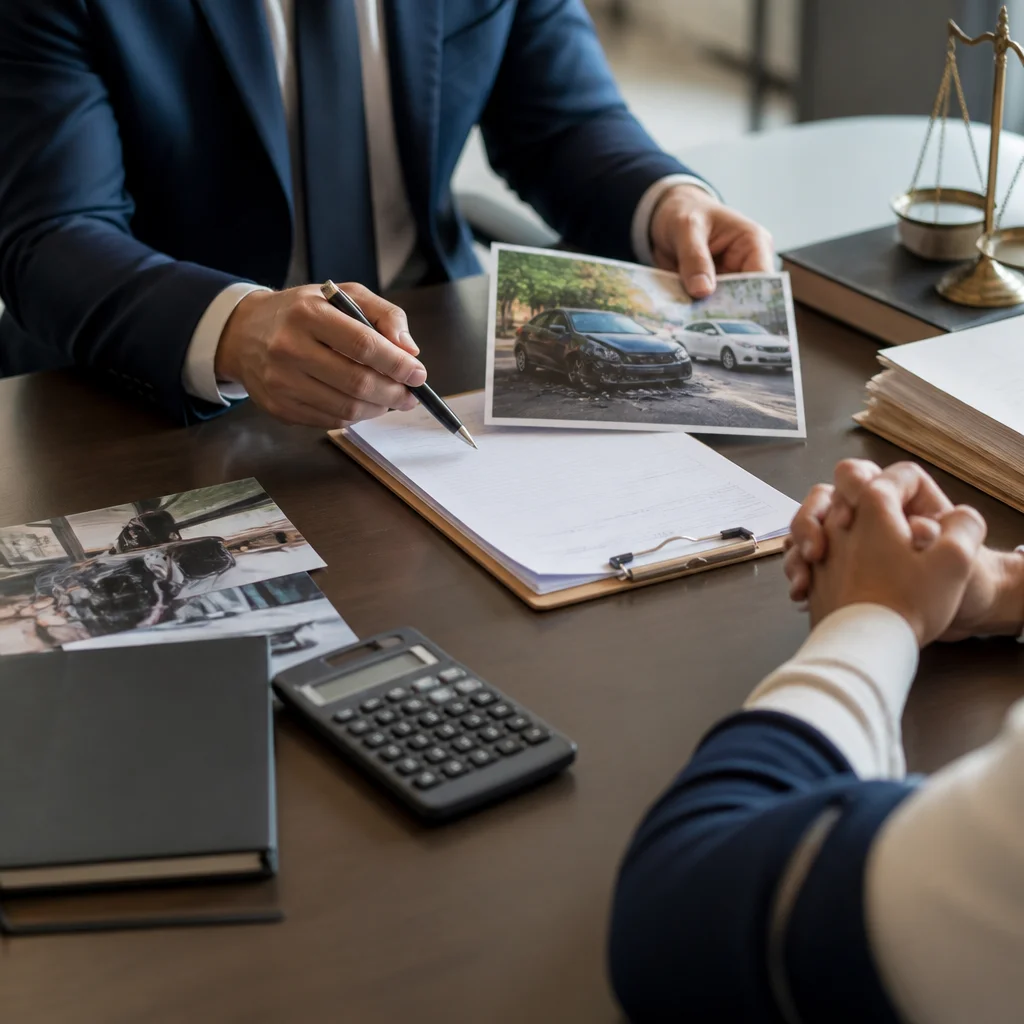
Non-economic damages compensate for intangible harm:
- Pain and suffering reflecting injury severity and recovery duration.
- Emotional distress and anxiety from the accident.
- Loss of enjoyment in activities you previously enjoyed.
- Permanent scarring or disfigurement.
We ensure every category is identified and valued appropriately. Insurance companies often undervalue pain and suffering or omit future medical costs entirely. Our investigation and negotiation push back against these gaps.
The Statute of Limitations on Your Claim
The statute of limitations is the deadline to file a claim. In California, you generally have two years from the accident date to file a personal injury lawsuit. Miss this deadline, and your claim vanishes permanently, regardless of its strength.
This two-year window might sound long, but it compresses quickly. Investigations take time, settlement negotiations require months, and insurance companies count on injured people procrastinating. Waiting past the deadline is irreversible.
We mark these critical dates and ensure filings occur well before expiration. Acting within the first month after your accident gives us maximum time to investigate, negotiate, and pursue litigation if necessary.
Why Insurance Companies Undervalue Rideshare Claims
Insurance adjusters employ tactics that reduce what they pay. They minimize injury severity, exaggerate pre-existing conditions, or delay processing claims hoping you’ll accept less out of frustration.
Rideshare claims receive particular scrutiny because commercial coverage involves higher stakes. Adjusters question whether you were truly a passenger, dispute liability, or argue the accident wasn’t severe enough to cause your reported injuries. They may offer quick settlement checks that sound reasonable but fall far short of your actual damages.
We counter these tactics through evidence, persistence, and experience. Our negotiation with insurance companies is backed by documentation and willingness to litigate. Adjusters know we prepare cases for trial, which motivates faster, fairer settlements.
How We Investigate and Build Your Case
Our investigation process is thorough and systematic. We begin by reviewing the police report, medical records, and your account of events. Next, we obtain vehicle damage estimates, traffic camera footage, and cell phone records showing driver distraction.
We also consult with experts when necessary. Accident reconstruction specialists analyze vehicle damage and trajectories to determine fault. Medical experts review your injuries and establish causation between the accident and your condition. Vocational experts calculate lost earning capacity if injuries affect your future work.
We interview all witnesses we can locate and preserve their statements. We serve subpoenas on Uber for driver records, app data, and communication logs. Every angle is covered. This foundation creates a compelling, fact-based case that pressure insurance companies into fair settlements.
From Negotiation to Full Compensation
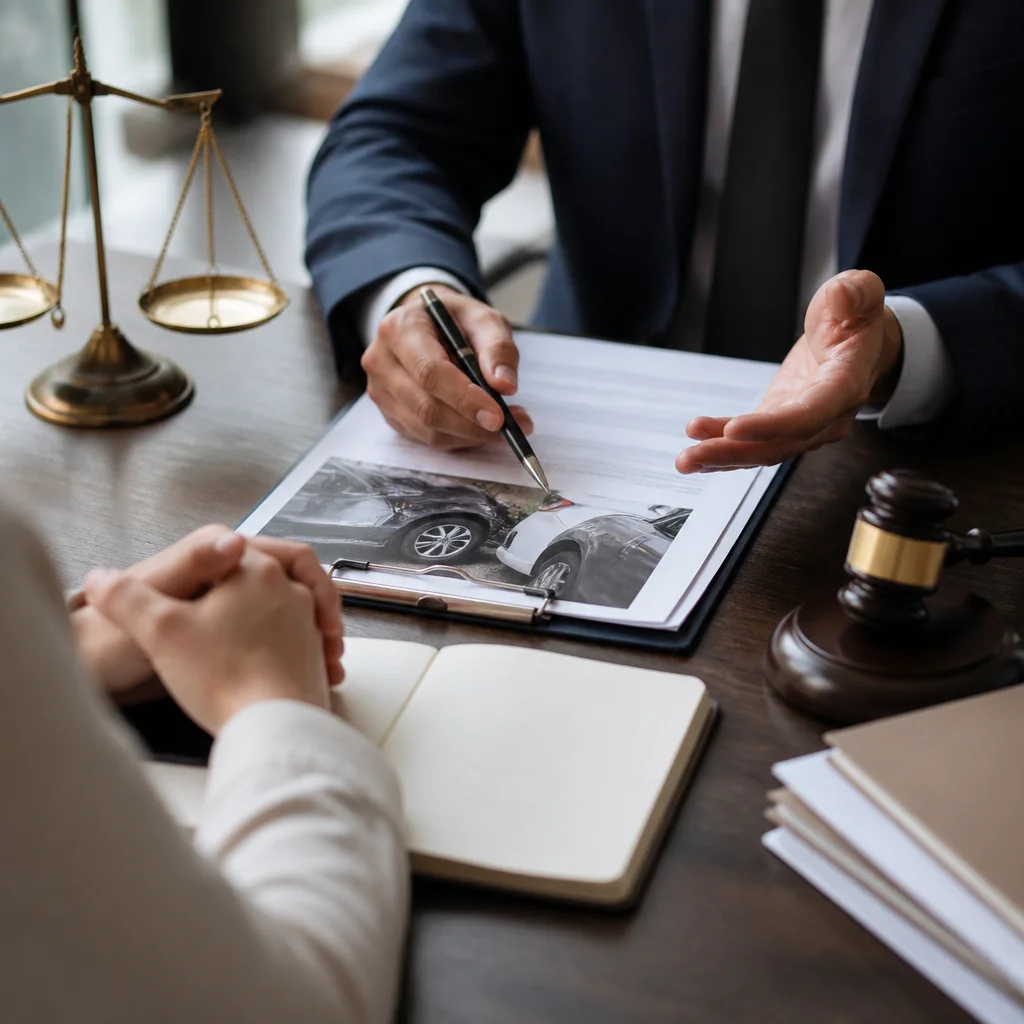
Negotiation begins once our investigation is complete. We present a demand letter detailing liability, injury severity, damages, and the compensation we’re seeking. This isn’t a casual opening bid; it’s a thorough legal argument backed by evidence.
Insurance companies often reject initial demands. We respond with additional evidence, expert reports, or litigation threats. Most cases settle during negotiation when both sides recognize the strength of our position. We pursue full and fair compensation by standing firm on legitimate claims and refusing lowball offers.
If negotiation stalls, we litigate. We file a lawsuit, navigate discovery, and prepare for trial. Many cases settle just before trial when insurers recognize the expense and unpredictability of going to court. Others proceed to judgment, where a jury determines what you’re owed.
Throughout this process, we communicate clearly with you. You’ll understand each decision, each step, and each deadline. We keep you informed and ask your input on major choices.
Contact Us for Your Free Consultation Today
If you’ve been injured in an Uber accident in California, don’t navigate this alone. Weinberger Law Firm is ready to help. We offer free consultations to evaluate your case with no obligation. No fee unless we recover for you. We work on contingency, meaning you pay nothing unless we win.
During your consultation, we’ll review what happened, answer your questions, and explain your rights clearly. We’ll tell you honestly whether we believe your case is strong and what compensation might be realistic. Time is limited, so reach out today. Contact us for a free consultation and let us help you secure the compensation you deserve.