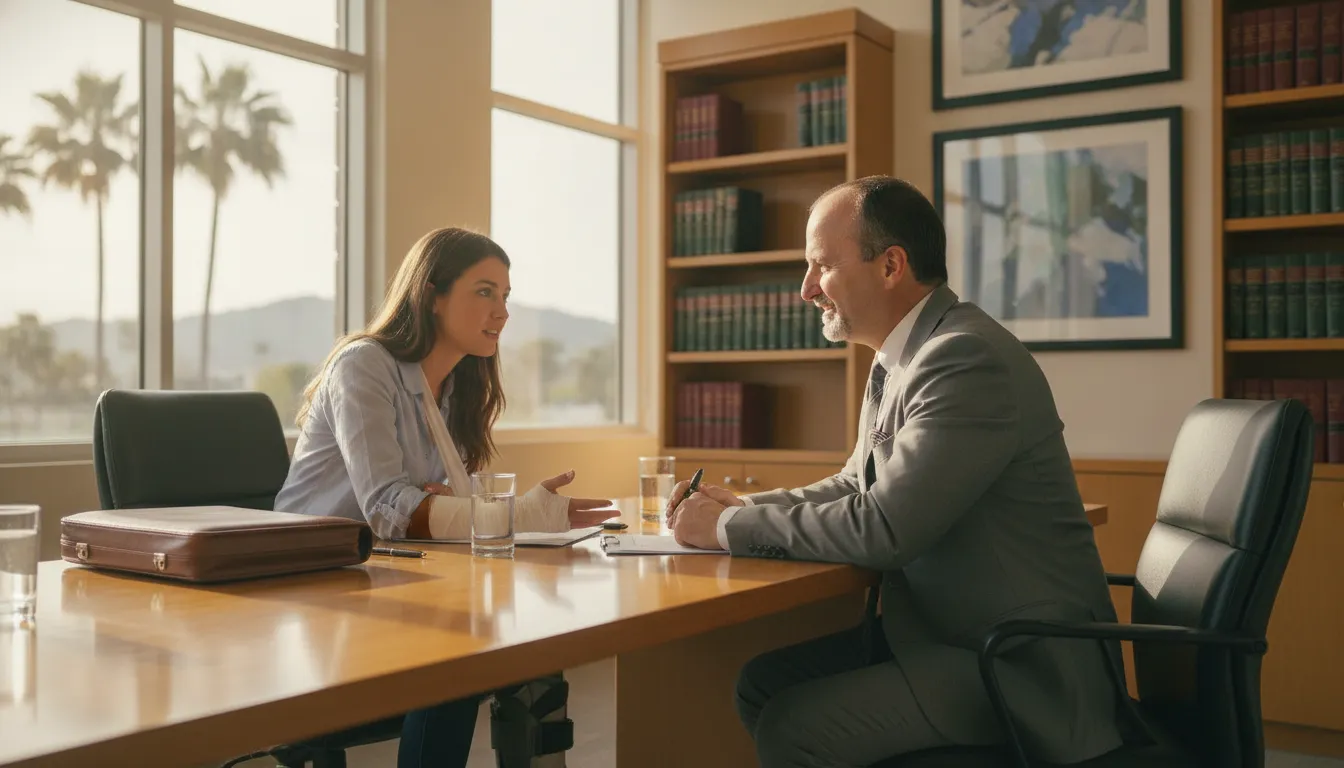
After an injury, the hardest part is often not the accident itself. It is knowing what to do next while medical bills arrive, work is interrupted, and an insurance company asks for a statement. A clear plan can protect important evidence and help you avoid decisions that limit your recovery.
The california personal injury claims process generally moves from immediate medical care and evidence collection to an insurance claim, damages evaluation, settlement negotiations, and, when necessary, a lawsuit. The right steps depend on how the injury happened, who may be responsible, and how the injury affects your life.
Whether you were hurt in Roseville, Sacramento, Folsom, or elsewhere in California, understanding the legal framework gives you a stronger starting point. The process begins with identifying the facts, potential claims, and people or businesses who may be legally responsible.
Get a Free Consultation: Call 916-357-6767
Understanding the California Personal Injury Claims Process
The California personal injury claims process is the legal path for seeking compensation after another party causes an injury. It may begin with an insurance claim and continue through investigation, negotiation, or a civil lawsuit. The process applies to many incidents, including vehicle collisions, unsafe property conditions, defective products, and other acts that cause harm.
What creates a personal injury claim?
A personal injury case requires a legal basis called a cause of action. A cause of action is the legal reason that permits someone to sue. In many California injury cases, that reason is negligence. Negligence generally means someone acted without reasonable care and caused harm. Other cases may involve intentional conduct, such as battery. The facts must support the legal theory before a claim can move forward. California Courts explains causes of action in personal injury cases.
Negligence claims commonly focus on four connected questions. Did the other party owe a duty of reasonable care? Did that party breach the duty? Did the breach cause the injury? Did the injury create legally recognized losses? The answers depend on the circumstances. Evidence may include medical records, photographs, witness accounts, incident reports, and other documents.
Who can file and who may be responsible?
The injured person usually brings the claim. If an injury causes death, eligible surviving family members may have different legal rights. A parent or legal representative may also act for a child or another person who cannot manage the claim independently. The correct approach depends on the injured person’s circumstances and the type of case.
Identifying the correct defendant is an important early step. The responsible party may be the person who directly caused the injury. It may also be a vehicle or property owner, or an employer when an employee was working. In some workplace incidents, the injured worker may have a workers’ compensation claim and a separate claim against another responsible person or business. California Courts identifies common defendants in personal injury cases.
If someone else’s actions caused the injury, potential damages may include medical bills, lost wages, emotional harm, and other losses. Physical, emotional, and psychological injuries may all matter when evaluating the claim. Keeping records of treatment, missed work, and continuing symptoms helps connect the injury to its financial and personal effects.
Where is a California injury lawsuit filed?
The proper court location is called venue. You generally file a personal injury case in the county where the injury occurred. Venue may also be proper in the county where the defendant lives or conducts business. For example, an injury in Sacramento County may support filing there, while the defendant’s residence or business location may provide another valid venue. California Courts provides general venue guidance for personal injury lawsuits.
Venue rules can become more complicated when an incident involves multiple defendants, different counties, or a government agency. Choosing the wrong court can create delay or procedural problems. An attorney can review the location of the injury, the parties involved, and the available filing options before a lawsuit begins.
Immediately After the Accident: What to Do First
The first hours after an accident can feel confusing. Focus on safety, medical attention, accurate records, and timely communication.
- Get medical care. Call 911 for an emergency, or seek urgent care as soon as possible. Follow the provider’s instructions and keep every discharge paper, prescription, bill, and appointment record. Some injuries become noticeable later, so do not dismiss pain because it seems minor. California courts recognize that injury losses may include medical bills, lost wages, emotional harm, and other losses. Learn more about personal injury damages.
- Report the accident. Call law enforcement when required or appropriate, especially after a collision involving injuries, significant property damage, or a suspected impaired driver. Request the report number and provide factual information. For a workplace, premises, boating, bicycle, rideshare, or other incident, notify the responsible business, property owner, employer, or appropriate agency.
- Document the scene safely. Take photographs or video of vehicles, visible injuries, road conditions, property damage, warning signs, and surrounding conditions. Record the date, time, location, weather, and what you remember. Obtain names and contact information for witnesses. Do not place yourself in traffic or another dangerous area to collect evidence.
- Preserve evidence. Keep damaged clothing, equipment, helmets, vehicle parts, receipts, medical records, and correspondence. Do not repair, discard, or alter important items before they are documented. Save photographs and digital messages in more than one location. Avoid posting details or opinions about the accident on social media.
- Notify your insurer carefully. Report the incident within the policy’s required timeframe. Give accurate basic facts, but avoid guessing about fault or describing an injury as minor before your condition is evaluated. Do not sign a release or accept a settlement before understanding the full effect of the agreement.
- Discuss your options with an attorney. A lawyer can help protect evidence, communicate with insurers, and assess possible motor vehicle accident claims. Bring the accident report, photographs, medical records, bills, wage information, insurance correspondence, and witness details. Early advice can help you avoid statements or agreements that limit your options.
These steps can support a stronger record while you focus on recovery. If symptoms worsen, seek medical attention promptly and tell the provider about the accident.
Building Your Case: Documentation and Investigation
A strong claim begins with a clear record of what happened, who was responsible, and how the injury changed your life. Your attorney gathers evidence before important details disappear.
Collecting Medical Evidence
Medical records connect the accident to your diagnosis, treatment, recovery, and future needs. Your attorney may request records, billing statements, imaging results, and physician opinions.
These materials can show when symptoms began and whether treatment followed a reasonable plan. They can also document surgery, rehabilitation, medication, restrictions, and ongoing pain.
Keep appointment records, prescriptions, invoices, and mileage notes for medical visits. Do not ignore follow-up care because gaps may create questions about your recovery.
Medical bills can also involve insurance liens, health plans, and provider balances. Learn more about medical bill recovery solutions that may affect the amount you ultimately receive.
Preserving Accident Evidence
Accident reports can provide an early account of the event. Depending on the claim, your attorney may obtain a police report, incident report, inspection record, or other official documentation.
Photos and video can preserve conditions that later change. Useful images may show vehicle damage, roadway defects, property conditions, visible injuries, and nearby signs.
Save original files when possible and record when and where each image was taken. Social media posts, surveillance footage, vehicle data, and electronic communications may also require prompt preservation requests.
Witnesses can provide independent accounts of what they saw, heard, or did immediately afterward. Your attorney may identify witnesses, obtain contact information, and take recorded statements when appropriate.
Documenting Financial Losses
Lost-wage documentation can show how the injury affected your income. Gather pay stubs, tax records, employer statements, schedules, and records of missed work.
If you are self-employed, business records may help explain canceled work and reduced earnings. Future losses may require testimony from medical or financial professionals.
Identifying Every Responsible Defendant
Finding the correct defendant is a central part of the investigation. California courts explain that a claim may involve the person who caused the injury, a vehicle or property owner, or an employer when the person was working.
See the California Courts guidance on personal injury lawsuits for this general framework. The responsible party may not be the only party with legal responsibility.
For example, a commercial vehicle collision may involve a driver, employer, owner, or maintenance company. A dangerous property condition may require investigating the owner, operator, manager, or contractor.
Your attorney evaluates the available evidence, insurance coverage, business relationships, and applicable legal theories. That investigation helps shape the demand, identify missing proof, and protect your rights throughout the California personal injury claims process.
Economic and Non-Economic Damages in a California Claim
Compensation in a personal injury case should reflect the full effect of the injury, not only the first hospital bill. California courts identify losses such as medical bills, lost wages, ongoing treatment, emotional harm, and future problems from the injury. California Courts explains these categories as part of the losses an injured person may seek after someone else’s actions cause harm.
Economic damages usually have a measurable financial value. They may include emergency care, surgery, rehabilitation, prescription costs, lost income, and reduced future earning capacity. Future treatment can also matter when doctors expect continuing care. Keep invoices, pay records, insurance statements, and medical recommendations that help show these losses.
Non-economic damages address harm that does not come with a simple receipt. Pain, emotional distress, anxiety, loss of enjoyment, and lasting limitations may affect your daily life. Personal notes, treatment records, testimony from people close to you, and medical opinions can help show that impact. The evidence should connect the harm to the injury and explain how it changed your routine.
| Damage type | Examples | How it is shown |
|---|---|---|
| Economic | Medical bills, lost wages, ongoing treatment, and future care | Invoices, wage records, employment records, medical bills, and provider opinions |
| Non-economic | Pain and suffering, emotional harm, anxiety, and lasting limitations | Medical records, testimony, personal accounts, and evidence of daily-life changes |
Insurance carriers may focus on amounts they can quickly verify. Their first proposal may not account for future care or the less visible consequences of an injury. Review insurance settlement offers carefully before accepting one. A release may limit your ability to seek more compensation later.
Punitive damages are separate from compensation for ordinary losses. They may be considered in unusual cases involving especially wrongful conduct, but they are not automatic. The available damages depend on the facts, the evidence, and the legal claims involved. An attorney can evaluate whether your losses are fully documented and whether additional damages may be possible.
Statute of Limitations: Don’t Miss Your Filing Deadline
Deadlines can determine whether an otherwise valid injury claim moves forward. California law generally gives you two years from the injury date to file most personal injury lawsuits. The California Courts Self-Help Guide states, “Personal injury: 2 years from the injury.” Review the California Courts deadline guidance for the general rule and related exceptions.
That deadline does not mean you should wait two years before speaking with a lawyer. Evidence can disappear, memories can fade, and insurance companies may seek statements before you understand the full impact of your injuries. Early legal advice helps preserve evidence and identify the correct parties and claims.
The standard two-year deadline
For most California personal injury claims, the filing period begins on the date the injury occurred. The deadline can apply even when treatment continues or the final cost of care remains uncertain. A lawsuit filed after the applicable deadline may face a statute of limitations defense.
Calculating the correct date requires care. The accident date may be clear in a collision case. Other injuries may involve several events, delayed symptoms, or uncertainty about who caused the harm. Records, medical evaluations, reports, and witness information can help establish the relevant timeline.
Government claims have shorter deadlines
Claims involving a government agency require special attention. The California Courts Self-Help Guide warns that the deadline for suing a government agency is shorter than the standard personal injury period. California Courts explains government agency claim deadlines, but the specific requirements can depend on the circumstances.
Examples may include injuries involving public property, public vehicles, or conduct by a government employee. A government claim may need to be presented before a lawsuit can proceed. Missing that earlier step can create a separate barrier to recovery.
When the discovery rule may apply
Some injuries or property-related problems are not discovered immediately. Under California’s discovery rule, the period may begin when the problem was discovered or reasonably should have been discovered, whichever comes first. The California Courts guidance describes this discovery rule.
This rule is not an automatic extension. Whether it applies can depend on what you knew, what warning signs existed, and when a reasonable person should have recognized the injury or its cause. Insurance disputes and delayed diagnoses can make the analysis especially fact-specific.
Do not assume you have plenty of time because your injury developed gradually. Contact a California personal injury attorney as early as possible. Weinberger Law Firm offers a free consultation, and clients pay no attorney fee upfront under the contingency fee model. Call 916-357-6767 to discuss your deadline and next steps.
Settlement Negotiation vs. Filing a Lawsuit
After your attorney sends a demand, the insurance company usually has two choices. It can negotiate toward a settlement, or defend the claim in court.
A demand letter explains why the insurer is responsible and what compensation the evidence supports. It typically summarizes the incident, injuries, treatment, lost income, and other damages. Medical records, bills, photographs, witness information, and employment records can strengthen the demand.
The demand should also state a specific settlement amount or a clear basis for calculating one. Your attorney may set a response deadline and identify the documents supporting the claim. This gives the insurer an opportunity to evaluate the case before litigation begins.
How settlement negotiations work
Insurers rarely accept an initial demand without questions or a counteroffer. They may dispute fault, minimize an injury, challenge treatment, or argue that another condition caused your symptoms.
Your attorney responds with evidence and legal analysis. The negotiation may involve several written offers, telephone discussions, and mediation. Each response should account for current losses, future medical needs, and the risk of receiving less through litigation.
Settlement can resolve a claim without a trial. It may reduce legal costs, shorten the timeline, and give you more control over the result. However, accepting an offer generally ends the claim. You should understand the release terms before signing anything.
For a closer look at the value an experienced advocate can provide, review hiring a Sacramento personal injury attorney.
When filing a lawsuit becomes necessary
Filing suit may become necessary when the insurer refuses to offer fair compensation or denies responsibility. It can also be appropriate when the filing deadline requires immediate action.
A lawsuit formally brings the dispute before a court. The complaint identifies the parties, explains the legal claims, and states the damages sought. The defendant then receives notice and an opportunity to respond.
Litigation does not always mean the case will reach trial. After filing, both sides may exchange documents, answer written questions, and interview witnesses under oath. This discovery process can reveal strengths and weaknesses that support further negotiations.
Many cases settle before trial, including after a lawsuit has started. Filing can demonstrate that you are prepared to enforce your rights, but it also adds deadlines, expenses, and uncertainty.
The role of your attorney
An attorney can investigate the facts, communicate with insurers, value the claim, and protect important deadlines. They can also explain whether a proposed settlement accounts for your medical care and other losses.
The right path depends on liability, injury severity, available insurance, evidence, and your goals. A careful review helps you make an informed decision rather than accepting pressure from an insurer.
What Happens If Your Case Goes to Court
Most personal injury claims resolve through negotiation or mediation. Some require a lawsuit when the insurer denies responsibility or refuses fair compensation.
Filing a lawsuit does not mean your case must reach a trial. It creates a formal process that protects your claim and gives both sides a structured path toward resolution.
Pleadings Establish the Legal Dispute
The process usually begins when your attorney files a complaint. This document identifies the parties, explains the basic facts, and states the legal grounds for seeking damages.
A personal injury case rests on a cause of action. That phrase means the legal reason you may sue, such as negligence or intentional harm. Negligence generally means someone acted carelessly and caused your injury. Battery involves intentional harm. The specific facts determine which legal theories apply.
Your case should be filed in the proper county. California courts explain that venue usually belongs in the county where the injury happened or where the defendant lives or does business. See the California Courts personal injury guidance for the general venue rule.
After filing, the defendant receives the complaint and has an opportunity to respond. The response may deny the allegations, raise defenses, or challenge part of the case. Your attorney reviews that response and identifies the issues that require proof.
Discovery Tests the Evidence
Discovery is the evidence-gathering phase. Each side exchanges information, requests documents, and investigates the other side’s position.
You may answer written questions called interrogatories. You may also provide medical records, employment information, photographs, and other relevant documents. Attorneys can request records from third parties, interview witnesses, and take sworn depositions.
Discovery can clarify how the injury happened, who was responsible, and how the injury affected your life. It can also reveal weaknesses that change the value or strategy of a claim. Honest, complete answers matter because your testimony becomes part of the case record.
Settlement Talks and Mediation Can Continue
Settlement discussions may continue throughout the lawsuit. The parties can negotiate directly through their attorneys or participate in mediation with a neutral mediator.
Mediation gives both sides a private setting to evaluate risk and explore compromise. The mediator does not decide the case. Instead, the mediator helps the parties communicate and assess whether an agreement is possible.
A settlement can resolve the dispute before trial. Your attorney should explain the proposed terms, release language, liens, and expected recovery before you decide whether to accept.
Trial Provides a Final Decision
If settlement remains impossible, the case proceeds toward trial. Each side presents evidence, questions witnesses, and argues how the law applies to the facts.
The judge or jury then decides the disputed issues. A verdict may award damages, reject the claim, or assign responsibility among multiple parties. Trial preparation can take substantial time, so your attorney should discuss testimony, exhibits, risks, and possible outcomes well in advance.
Going to court can feel intimidating. A clear litigation plan helps you understand each stage and make informed decisions while your claim moves forward.
Ready to Start Your Claim? Call 916-357-6767 for a Free Consultation
Frequently Asked Questions
How long does a personal injury claim take in California?
Timing varies with injury severity, medical treatment, liability disputes, and whether the case settles or proceeds to court. A straightforward claim may resolve after treatment and negotiations. More complex cases can take substantially longer, especially when future damages or disputed fault require investigation.
What is the average settlement for personal injury in California?
There is no reliable average that predicts an individual result. Compensation depends on medical expenses, lost wages, ongoing treatment, emotional harm, future problems, liability, insurance coverage, and the strength of the evidence. A settlement should reflect the claim’s documented losses rather than a general dollar figure.
Do I need a lawyer for a personal injury claim in California?
You are not required to hire a lawyer, but legal guidance can help when fault, injuries, insurance coverage, or damages are disputed. An attorney can investigate the incident, communicate with insurers, assess settlement offers, and protect filing deadlines while you focus on treatment.
What is the statute of limitations for personal injury in California?
For most California personal injury cases, the deadline is two years from the date of injury. If the injury was not discovered immediately, a discovery rule may affect when the period begins. Claims involving a government agency can have a shorter deadline, so prompt legal review matters. California Courts explains these limitation rules.
Ready to Discuss Your California Injury Claim?
The claims process can involve medical records, insurance negotiations, and deadlines that are difficult to manage while you recover. A free consultation can help you understand your options and determine a practical next step. Weinberger Law Firm represents injured people throughout California, with no upfront attorney fees under its contingency fee model. Call 916-357-6767 to schedule a free consultation with a California personal injury attorney.