
Table of Contents
- Why You Need to Evaluate Your Case Before Taking Action
- The Core Elements We Examine in Every Personal Injury Claim
- How We Investigate Liability and Negligence Evidence
- Calculating Damages: Medical Bills, Lost Wages, and Beyond
- The Statute of Limitations: Why Time Matters for Your Case
- How Insurance Company Tactics Affect Your Case Strength
- What We Look for During a Thorough Case Evaluation
- Red Flags That Strengthen or Weaken Your Position
- Documentation and Evidence: Building Your Strongest Case
- Why Professional Legal Assessment Beats DIY Case Review
- Your Free Consultation: How We Determine Next Steps
- Contact Weinberger Law Firm for Honest Case Guidance
- Frequently Asked Questions (FAQ)
Why You Need to Evaluate Your Case Before Taking Action
If you were injured due to another person’s negligence, you have rights after an accident. Understanding whether your case has merit is your first step toward securing fair compensation. At Weinberger Law Firm, we help accident victims in Sacramento and across California evaluate their claims honestly and thoroughly, so you know exactly where you stand.
Before you contact an insurance company or sign anything, you need clarity on your case’s strength. A weak evaluation upfront can lead to accepting an unfair settlement, missing critical deadlines, or losing evidence that would have strengthened your position. Time is limited — act now to preserve evidence and understand your legal options.
Evaluating your case isn’t just about deciding whether to pursue it. It’s about gathering facts that will influence every decision ahead: whether to negotiate, escalate, or litigate. We will investigate all available evidence to give you an honest assessment of your claim’s value and likelihood of success. This foundation lets you make decisions with confidence rather than fear or guesswork.
What to do next: Document the accident scene, any injuries, and medical care immediately. Photographs, witness contact information, and police reports become harder to obtain the longer you wait.
The Core Elements We Examine in Every Personal Injury Claim
Every personal injury case rests on four foundational elements. We evaluate each one to determine whether your claim is legally sound:
- Duty of care: The defendant owed you a legal obligation to act safely or responsibly (e.g., a driver owes all road users a duty to follow traffic laws).
- Breach of duty: The defendant failed to meet that standard through negligent or reckless behavior.
- Causation: The defendant’s breach directly caused your injury; there’s a clear link between their actions and your harm.
- Damages: You suffered measurable losses—medical expenses, lost income, pain and suffering, or other quantifiable harm.
If any element is missing or weak, your case becomes harder to win. For example, in a car accident, proving the other driver violated traffic laws establishes breach; proving their vehicle struck yours establishes causation; your hospital records establish damages. We analyze each piece to determine whether the evidence supports your claim.
Action item: Gather any documentation that shows how the accident happened. Police reports, medical records, and photos of the accident scene directly support causation and damages.
How We Investigate Liability and Negligence Evidence
Investigating liability means gathering evidence that shows someone else caused your injury through negligence or intentional misconduct. We pursue multiple evidence sources because strong cases have corroborating proof.
Our investigation focuses on:
- Eyewitness statements: Accounts from people who saw the accident unfold. Written statements taken shortly after the incident are especially valuable.
- Physical evidence: Skid marks, vehicle damage, property damage, or debris patterns at the scene. These details often speak louder than memory alone.
- Video footage: Traffic cameras, business security systems, or dashcam recordings can be decisive and difficult to dispute.
- Expert analysis: Accident reconstruction specialists, engineers, or medical experts who can explain how the injury occurred and connect it to the defendant’s conduct.
- Maintenance and safety records: For premises liability or product cases, records showing whether the property owner or manufacturer knew of a hazard and ignored it.
The more independent sources we can point to, the harder it becomes for the other party to deny liability. We will investigate all available evidence systematically so no critical detail is missed.
Next step: Write down everything you remember about the accident while details are fresh. Ask witnesses to do the same. Preserve any photos or videos you took.
Calculating Damages: Medical Bills, Lost Wages, and Beyond
Damages are the financial and non-financial losses you’ve suffered. California law recognizes both economic damages (concrete financial losses) and non-economic damages (pain, suffering, quality of life).

Economic damages we calculate include:
- Medical bills and ongoing treatment costs
- Lost wages and lost earning capacity
- Cost of rehabilitation or home care
- Property damage to your vehicle or belongings
Non-economic damages include:
- Pain and suffering
- Emotional distress and anxiety
- Loss of enjoyment of life
- Scarring, disfigurement, or permanent disability
Insurance companies often underestimate non-economic damages because they’re subjective. We pursue full and fair compensation by presenting medical evidence, expert testimony, and documentation that shows how your injury has genuinely impacted your daily life. A case worth $15,000 in medical bills might be worth $75,000 or more when pain and lost quality of life are properly valued.
Action item: Keep detailed records of all medical appointments, prescriptions, therapy sessions, and any time you miss work. These documents directly support your damage calculation.
The Statute of Limitations: Why Time Matters for Your Case
California imposes strict deadlines for filing personal injury lawsuits. For most accident cases, you have two years from the date of injury to file a claim in court. Missing this deadline means losing your right to sue, period.
This deadline applies differently depending on your case type. Premises liability claims, product liability claims, and auto accident claims all follow the two-year rule, though some exceptions exist (e.g., cases involving minors or claims against government entities). We ensure every deadline is tracked and honored, and we begin gathering evidence and negotiating early so time pressure doesn’t force you into a bad settlement.
Even if you’re early in the process, delay weakens your case. Witnesses move or forget details. Evidence degrades or disappears. Medical records become harder to obtain. Contact us sooner rather than later so we can preserve critical proof and maximize your position.
Action item: If an accident occurred more than a few months ago, contact our office immediately. We’ll confirm your deadline and start work right away.
How Insurance Company Tactics Affect Your Case Strength
Insurance companies profit by paying out less than they should. They use predictable tactics to weaken strong cases and discourage claims:
- Denying liability: Claiming their client wasn’t at fault, even when evidence suggests otherwise.
- Minimizing injuries: Questioning medical diagnoses or claiming injuries are pre-existing, not from your accident.
- Delaying responses: Slow-walking the claims process to pressure you into accepting a low offer.
- Requesting surveillance: Hiring investigators to film you in hopes of catching you looking healthier than reported.
- Requesting excessive medical records: Asking for decades of health history to find unrelated conditions and blame them instead.
We negotiate with insurance companies constantly and understand their playbook. Strong negotiation backed by solid evidence changes their calculus. When they know we’ve thoroughly investigated, have credible witnesses, and are prepared to litigate, they settle fairly rather than risk a jury verdict. We don’t accept lowball offers; we build cases strong enough that settlement becomes the insurer’s best option.
What to do: Don’t communicate directly with the other party’s insurance company or accept any settlement offer without legal advice. Every conversation can be used against you.
What We Look for During a Thorough Case Evaluation
Our evaluation process is systematic and honest. We assess both strengths and weaknesses so you understand your true position, not a rosier version designed to pressure you into hiring us.
During evaluation, we examine:
- Liability clarity: How obvious is it that the other party was at fault? Do multiple evidence sources point to negligence, or is fault disputed?
- Evidence quality: Do we have video, credible witnesses, and expert opinions? Or are we relying on your word against theirs?
- Injury severity: Are medical records detailed and consistent? Will a jury find the injury diagnosis believable and significant?
- Damages calculation: Can we document actual losses with receipts, pay stubs, and medical bills? How defensible is our non-economic damage estimate?
- Defendant solvency: Does the defendant or their insurance have resources to pay a judgment? A strong case against an uninsured defendant may be uncollectible.
- Comparative fault: Under California law, you can recover even if partially at fault, but any percentage of your fault reduces your award. Are you at risk of comparative fault findings?
An honest evaluation means telling you if your case is weak or faces headwinds. It also means identifying the strongest angles and evidence so we focus our efforts where they matter most.
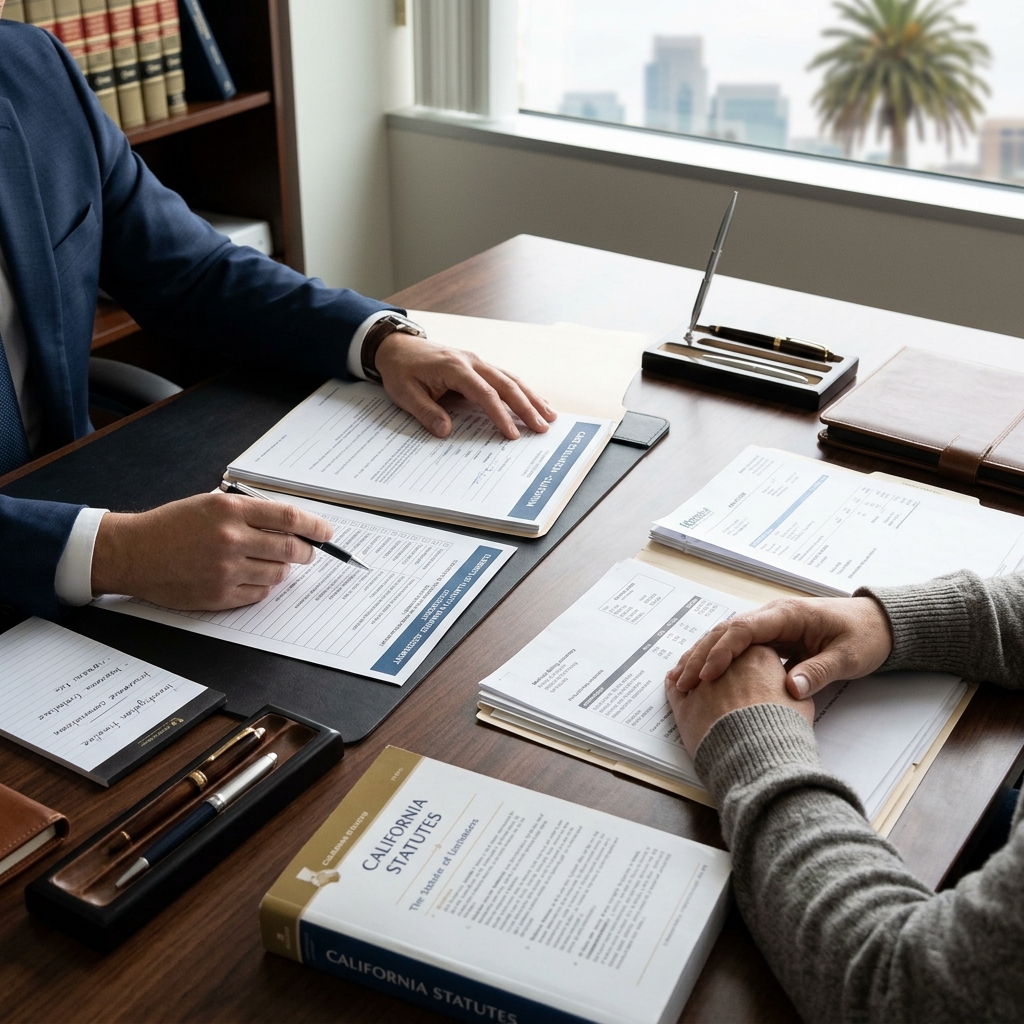
Next step: Bring all documents related to your accident and injury to your consultation. The more detail we have, the more accurate our assessment.
Red Flags That Strengthen or Weaken Your Position
Certain facts make cases stronger; others create risk. Knowing which is which helps you understand our advice.
Factors that strengthen your case:
- Clear police report finding the other party at fault
- Multiple independent eyewitness accounts agreeing on what happened
- Video or photo evidence of the accident or liability
- Serious, documented medical injuries with consistent treatment
- Lost wages backed by pay stubs or employer statements
- Defendant’s criminal conduct (drunk driving, texting and driving) that proves negligence
Red flags that may weaken your case:
- Conflicting accounts of how the accident occurred
- Delay in seeking medical treatment after the accident
- Significant gaps in medical documentation
- Pre-existing conditions similar to your injury
- Social media posts showing you doing activities inconsistent with claimed injuries
- Comparative fault on your part (e.g., you were partially distracted while driving)
None of these red flags automatically defeat your case, but they require strategy. We address weaknesses head-on by gathering evidence that counters them and preparing explanations jurors will understand.
Action item: Avoid social media posts about your injury or activities. Don’t discuss settlement negotiations or the case online. Anything you post can be used against you.
Documentation and Evidence: Building Your Strongest Case
The stronger your documentation, the stronger your negotiating position. Insurance companies take cases with paper trails seriously because they know a jury will too.
Essential documents to preserve and organize:
- Medical records: Doctor’s notes, diagnostic test results, imaging (X-rays, MRI), treatment plans, and bills from every provider.
- Proof of lost income: Pay stubs before and after injury, employer statements confirming missed work, tax returns if self-employed.
- Receipts and invoices: Any out-of-pocket expenses related to your injury (medications, medical equipment, transportation to appointments).
- Photographs and video: Scene photos, injury photos, damage to vehicles or property, and any video of the accident or your recovery.
- Witness information: Names, phone numbers, email addresses, and written statements from anyone who saw the accident.
- Police and incident reports: Official documentation of the accident, including officer observations and any citations issued.
- Communications: Text messages, emails, or notes from the other party admitting fault or discussing the accident.
Document, preserve, and present the facts in an organized format. We compile this into a demand package that tells the story of your case so clearly that settlement becomes obvious.
What to do next: Create a folder (digital or physical) with copies of everything. Don’t rely on memory or scattered documents. Organize by date so we can build a clear timeline.
Why Professional Legal Assessment Beats DIY Case Review
You might be tempted to assess your case yourself or rely on online resources. The problem: personal injury law is complex, and missing a nuance can cost you thousands.
Self-assessment risks include:
- Misjudging how a jury will value your injuries
- Missing evidence sources that would strengthen your case
- Accepting a low settlement offer because you don’t understand your case’s true value
- Missing deadlines or failing to follow procedural rules that court systems require
- Overlooking comparative fault issues that reduce your recovery
Insurance adjusters count on you not knowing your rights. They’ll happily accept your undervalued settlement and move on. Professional evaluation means we know what similar cases settle for, how juries typically respond to your injury type, and what evidence will be persuasive.
[Hiring a personal injury attorney versus handling your claim alone] involves understanding these nuances. We bring years of experience and established relationships with insurance companies, experts, and courts. This expertise directly translates to better outcomes.
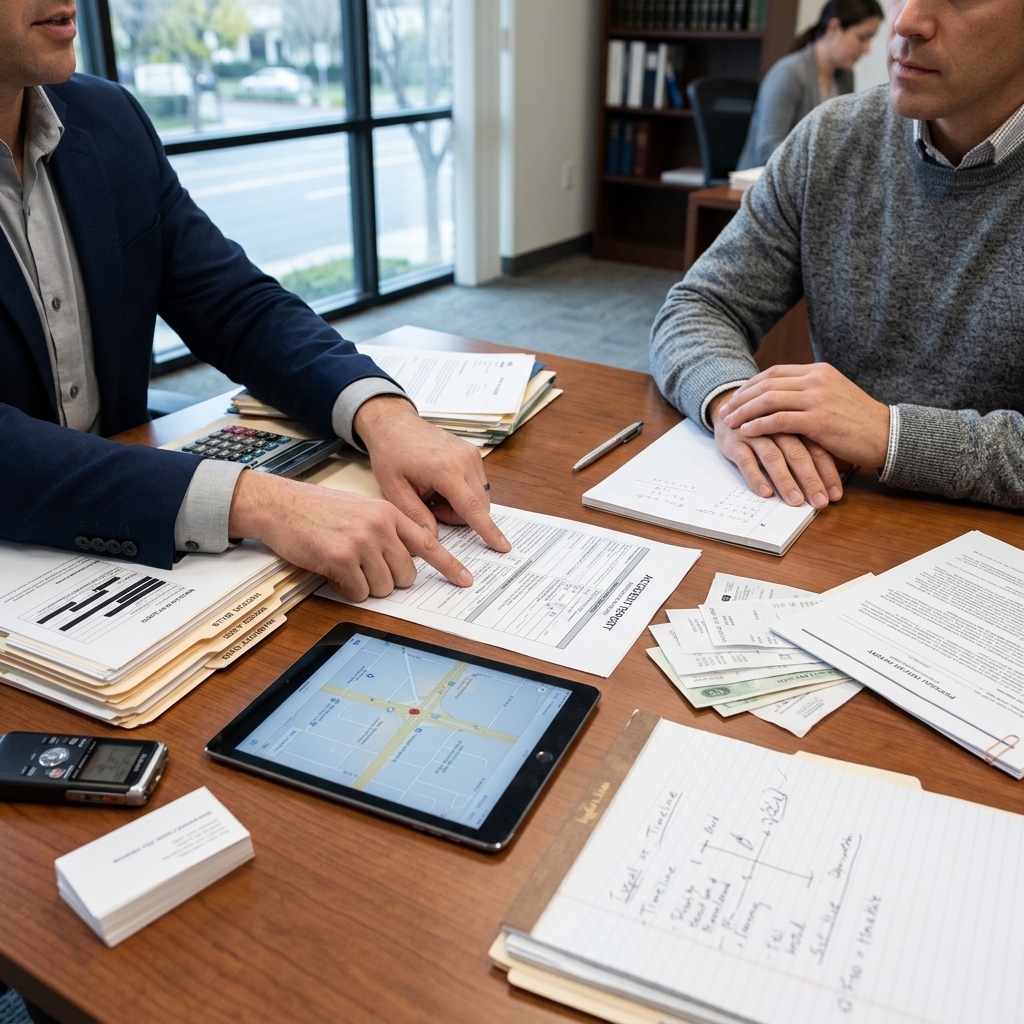
Action item: Before accepting any settlement or signing documents, have an attorney review your case. A free consultation costs you nothing and could prevent a costly mistake.
Your Free Consultation: How We Determine Next Steps
We offer a free consultation because we want you to make informed decisions. During this meeting, we’ll listen to your story, ask clarifying questions, and give you honest feedback about your case’s strength.
Here’s what happens:
- You describe the accident and injury: We take notes on how the accident occurred, who was involved, and what injuries resulted.
- We ask detailed questions: We probe for details about liability, witnesses, medical treatment, and lost income.
- We explain the legal framework: We walk you through the four elements of negligence and how your facts fit.
- We give our assessment: We tell you whether we believe you have a strong claim, what evidence we’ll pursue, and what your case might be worth.
- We discuss our process: If you decide to move forward, we explain how we investigate, negotiate, and litigate if necessary.
- We clarify our fees: We work on contingency — no fee unless we recover for you. You pay nothing out of pocket.
This conversation removes uncertainty. You’ll know whether proceeding makes sense and what to expect. If we take your case, you’ll have a clear strategy and timeline.
Contact us for a free consultation. We serve Sacramento and all of California, and we’re ready to evaluate your case with compassion and honesty.
Contact Weinberger Law Firm for Honest Case Guidance
Assessing your California personal injury case strength requires careful investigation, legal knowledge, and experience evaluating similar claims. We do this work every day, and we’re committed to giving you honest, practical guidance so you can move forward with confidence.
You have rights after an accident. Let us help you understand them and pursue the compensation you deserve. Our team at Weinberger Law Firm is ready to investigate, negotiate, and litigate on your behalf.
Call us today for your free consultation. We’ll review your case, answer your questions, and tell you exactly what we think your claim is worth. No pressure, no obligation — just straightforward legal advice from attorneys who care about your recovery.
Visit https://weinbergerlaw.net or contact us directly. Time is limited — act now to preserve your rights and protect your future.
For further reading: Attorney vs DIY.
Contact us today for a Free Case Consultation!
Frequently Asked Questions (FAQ)
How do we evaluate the strength of my California personal injury case?
We examine several critical factors during our assessment: whether the other party clearly breached their duty of care, the extent and documentation of your injuries, the clarity of liability evidence, and the full scope of your damages including medical bills and lost wages. We investigate all available evidence, interview witnesses, and review insurance company tactics to give you a realistic picture of your claim’s value. Our goal is to help you understand exactly where your case stands so you can make informed decisions.
Why does the statute of limitations matter for my injury claim?
Time is limited when pursuing compensation for your injuries in California. We have strict filing deadlines that vary depending on your case type, and missing these deadlines means losing your legal right to recover entirely. That’s why we recommend contacting us as soon as possible after your accident so we can preserve evidence, protect your rights, and build the strongest possible case before the clock runs out.
What documentation do I need to strengthen my personal injury case?
We need you to preserve any evidence from the accident itself, such as photos, witness contact information, and the police report. Beyond that, gather and organize all medical records, bills, prescription receipts, and documentation of lost wages or income. Keep records of your pain, treatment, and how your injuries affected your daily life. The more thoroughly you document and present the facts, the stronger your position becomes when we negotiate with insurance companies or prepare for litigation.