
Table of Contents
- The Rising Problem: Rideshare Accidents and Your Rights
- Understanding Negligence: What You Need to Prove
- Four Elements of Negligence in Rideshare Cases
- Evidence We Collect to Build Your Case
- Common Negligent Behaviors by Rideshare Drivers
- How We Investigate Rideshare Accident Claims
- Insurance Company Tactics and How We Counter Them
- Calculating Your Full and Fair Compensation
- The Statute of Limitations: Why Time Matters
- Why You Need Legal Support for Rideshare Claims
- Your Next Steps: Securing the Compensation You Deserve
- Frequently Asked Questions (FAQ)
The Rising Problem: Rideshare Accidents and Your Rights
Rideshare accidents happen more often than you might realize. Uber, Lyft, and similar services operate constantly throughout California, and with millions of rides completed annually, injuries from negligent drivers are a real and growing concern. If you were injured in a rideshare accident, you have rights—and California law requires negligent drivers to compensate you for your damages.
The challenge is that proving negligence in a rideshare case isn’t always straightforward. Insurance companies defend rideshare drivers aggressively, and they use sophisticated tactics to minimize payouts or deny claims entirely. You have rights after an accident, and we’re here to help you understand what those rights mean and how to pursue full and fair compensation.
The injured passengers we work with often face mounting medical bills, lost income from time away from work, and emotional trauma from the accident itself. Without experienced legal support, many settle for far less than they deserve. That’s where we come in—we investigate thoroughly, document every detail, and negotiate with confidence on your behalf.
Understanding Negligence: What You Need to Prove
Negligence isn’t complicated in principle, but proving it requires precision. Negligence means a driver failed to exercise reasonable care, and that failure directly caused your injury. In legal terms, negligence has four distinct elements, and you must establish all four to recover compensation.
Think of negligence like a chain: if any link breaks, your case weakens. A driver might have been careless, but if that carelessness didn’t cause your injury, negligence hasn’t been proven. Likewise, you might have suffered real damage, but if the driver’s conduct wasn’t negligent, you won’t recover. We build cases by connecting these elements with solid evidence, so each link is ironclad.
California courts apply a straightforward test: would a reasonable person, in the same circumstances, have acted differently? This reasonable person standard is the backbone of negligence law. It keeps judgments fair and prevents people from being held liable for simple accidents or circumstances beyond their control.
Four Elements of Negligence in Rideshare Cases
All negligence cases in California require proof of four elements. Understanding these gives you clarity on what we must establish and why evidence matters so much.
Duty of Care: The driver owed you a legal duty to operate their vehicle safely. In a rideshare accident, this duty is straightforward—every driver on the road has a legal obligation to drive safely and follow traffic laws. No complexity here; the duty always exists.
Breach of Duty: The driver failed to meet that standard. Speeding, running a red light, texting while driving, driving under the influence, or aggressive lane changes all breach the duty of care. Breach means the driver’s conduct fell short of what a reasonable driver would do.
Causation: The driver’s breach directly caused your injury. This is where timing and sequence matter. If the driver ran a red light and struck your vehicle, causation is clear. If the driver was speeding but you were also distracted, causation becomes more complex—though California’s comparative negligence rules still allow recovery if you were less than 100% at fault.
Damages: You suffered measurable harm—medical expenses, lost wages, pain and suffering, or property damage. We will investigate all available evidence to quantify your losses completely. Damages include not just bills you’ve already paid, but future medical care, long-term pain, and reduced earning capacity if your injury is permanent.
Evidence We Collect to Build Your Case
Building a strong negligence case means gathering and preserving evidence methodically. The more evidence we have, the stronger your negotiating position—and the more likely we are to secure full and fair compensation without trial.
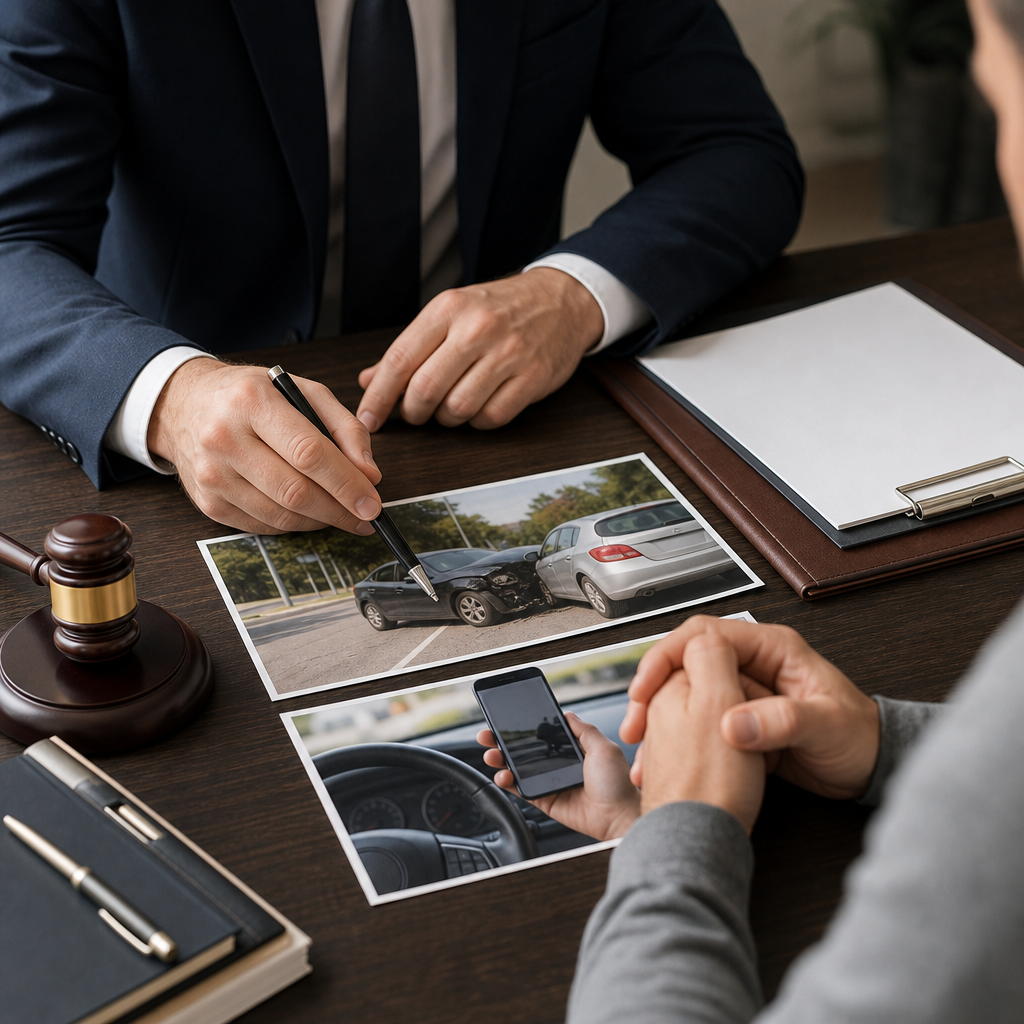
Police Reports and Accident Reconstruction: Police reports document the scene, driver statements, and officer observations. We obtain these reports immediately and review them for details that support negligence. Accident reconstruction experts can analyze vehicle damage, skid marks, and impact angles to prove how the accident occurred and who was at fault.
Traffic Camera Footage: Traffic camera footage can be decisive. Intersections, highways, and commercial areas often have surveillance cameras. Footage showing the driver’s violation in real-time is powerful evidence. We act quickly to preserve this footage because it can be deleted or recorded over.
Witness Statements: Impartial witnesses provide credible testimony about what happened. We identify, interview, and document witness accounts. Their statements corroborate your account and establish negligence without relying solely on your recollection.
Medical Records and Expert Reports: Medical documentation shows the extent of your injuries and links them directly to the accident. We review your treatment history, imaging results, and physician notes. We may retain medical experts to testify about your injuries and long-term prognosis.
Driver Records and Phone Data: A rideshare driver’s history of violations, accidents, or complaints strengthens negligence claims. Phone records can show whether the driver was texting or using their phone at the time of the accident—a common cause of rideshare collisions.
Vehicle Maintenance and Rideshare Company Records: Rideshare companies maintain vehicle inspection records and driver logs. Faulty brakes, worn tires, or ignored maintenance issues can contribute to negligence claims against both the driver and the company.
Preserve any evidence and get medical care immediately after the accident. Document the scene with photos, note the time and weather, and exchange information with the driver and witnesses. Early preservation of evidence prevents loss and strengthens your case dramatically.
Common Negligent Behaviors by Rideshare Drivers
Certain behaviors appear repeatedly in the rideshare accident cases we handle. Recognizing these patterns helps explain why your accident happened and proves negligence.
Distracted Driving: Rideshare drivers are often checking their app, entering pickup locations into GPS, or reading passenger ratings while driving. This divided attention causes accidents. We investigate whether the driver was actively using their phone or app at the time of the collision.
Speeding and Aggressive Driving: Some drivers speed to maximize trip volume and earnings. Rushing between pickups leads to speeding, tailgating, and unsafe lane changes. Speed is often recorded by the vehicle’s black box or inferred from vehicle damage patterns.
Failure to Obey Traffic Signs: Running stop signs or red lights, improper turning, and failure to yield are common violations we see in rideshare claims. These violations are objective—either the driver obeyed the sign or didn’t.
Impaired Driving: Driving under the influence of alcohol or drugs is inexcusable. If a toxicology report shows impairment, negligence is clear and liability is strong.
Unsafe Lane Changes and Merging: Cutting off other vehicles, merging without signaling, and weaving through traffic create dangerous conditions. These behaviors show a driver prioritizing speed over safety.
Fatigue and Drowsy Driving: Drivers working excessive hours become drowsy. A tired driver’s reaction time slows and judgment falters. We investigate driver logs and trip frequency to establish whether fatigue played a role.
How We Investigate Rideshare Accident Claims
Our investigation process is systematic and thorough. We move quickly to preserve evidence while building a comprehensive picture of what happened and who bears responsibility.
We begin by meeting with you to understand your account of the accident, your injuries, and the impact on your life. We then obtain the police report and identify all witnesses. We contact the rideshare company (Uber, Lyft, or another service) to request the driver’s records, vehicle information, trip details, and any in-app communications or photos the driver submitted.
Next, we visit the accident scene ourselves. We photograph the area, note traffic signals, examine sight lines, and identify potential camera locations. Seeing the physical location reveals details that reports alone cannot convey. We determine whether the scene’s layout supports negligence claims.

We subpoena traffic camera footage, obtain witness contact information, and conduct recorded interviews. We retain accident reconstruction experts if the collision’s mechanics are complex. We request your complete medical records and consult with medical experts about your injuries and recovery timeline.
Finally, we compile all evidence into a demand package and present it to the rideshare company’s insurance carrier. This package makes the case so clear that settlement often follows. If the insurer refuses fair compensation, we prepare for litigation with confidence.
Insurance Company Tactics and How We Counter Them
Rideshare insurance claims involve sophisticated insurers determined to pay as little as possible. Understanding their tactics helps explain why you need experienced legal representation.
Offering a Quick Settlement: Insurers often contact injured passengers quickly with a low offer, hoping you’ll accept before understanding your injuries’ full extent. Time is limited—act now, but don’t settle immediately. We advise waiting until you’ve reached maximum medical improvement and understand your long-term prognosis.
Questioning Injury Severity: Insurers claim injuries are minor or unrelated to the accident. We counter with medical records, expert testimony, and documentation of your treatment and recovery. Medical bills and lost wages speak clearly.
Alleging Comparative Fault: Insurers suggest you were partially at fault to reduce their liability. California’s comparative negligence law allows recovery even if you were slightly at fault, but the insurer wants to minimize their percentage. We defend your position and establish the driver’s primary responsibility.
Delaying Response: Slow-walking investigations frustrates claimants into accepting lower offers. We maintain consistent pressure, meet filing deadlines, and escalate to litigation if necessary.
Requesting Excessive Authorizations: Insurers demand access to your entire medical history, searching for pre-existing conditions to blame on those, not the accident. We provide only relevant medical records and protect your privacy.
We pursue full and fair compensation by presenting overwhelming evidence of negligence and your damages. When insurers deny reasonable claims, we litigate without hesitation. Our track record of successful settlements and verdicts makes insurers take our cases seriously.
Calculating Your Full and Fair Compensation
Compensation in rideshare negligence cases includes economic and non-economic damages. We calculate both thoroughly to ensure you recover everything you’re entitled to.
Economic Damages: These are quantifiable expenses—medical bills (emergency care, hospitalization, surgery, physical therapy, future treatment), lost wages from time away from work, and property damage to your vehicle or personal items. We compile all receipts and billing statements. If your injury affects your earning capacity long-term, we calculate lost future income with expert testimony.
Non-Economic Damages: These include pain and suffering, emotional distress, disfigurement, and loss of enjoyment of life. These damages are harder to quantify but just as real. We use comparable case results and expert testimony to establish reasonable pain and suffering awards. California courts recognize that serious injuries deserve substantial compensation beyond medical bills.
Punitive Damages: In rare cases involving gross negligence or intentional misconduct, California allows punitive damages to punish the wrongdoer. Rideshare cases seldom qualify, but we assess the possibility in every case.
We document, preserve, and present the facts supporting each damage category. Organized, detailed accounting of expenses and clear expert testimony about non-economic damages results in higher settlements and verdicts.
The Statute of Limitations: Why Time Matters
California’s statute of limitations sets a strict filing deadline for personal injury claims. For most negligence cases, you have two years from the date of injury to file a lawsuit. This deadline is absolute—if you miss it, you forfeit your right to recover entirely, regardless of the claim’s merit.
The statute of limitations applies whether you settle or litigate. To preserve your rights, we must file a complaint before the deadline passes. We recommend contacting us as soon as possible after your accident so we can assess your situation and plan accordingly.

Missing the deadline is catastrophic. No judge will extend it except in narrow circumstances. The insurance company will use the statute of limitations as a defense, and you’ll have no legal remedy. This is why we emphasize: time is limited—act now.
Why You Need Legal Support for Rideshare Claims
Proving negligence requires legal expertise, investigative resources, and negotiating leverage that injured passengers typically don’t possess. Insurance companies know this and exploit it relentlessly.
When you handle a claim alone, insurers treat you as unsophisticated and offer far less. They delay, deflect, and deny knowing you may eventually give up. With a Sacramento rideshare lawyer representing you, insurers know we’ll investigate thoroughly, present compelling evidence, and litigate if necessary.
We have relationships with accident reconstruction experts, medical specialists, and investigators. We know how to access restricted records (driver logs, traffic camera footage, vehicle maintenance history) that you cannot obtain alone. We understand California negligence law and case precedents that shape settlement values.
Most importantly, we work on contingency—no fee unless we recover for you. This means your financial risk is zero, and our incentive is perfectly aligned with yours: maximize your compensation.
Your Next Steps: Securing the Compensation You Deserve
If you’ve been injured in a rideshare accident, take action today. Contact us for a free consultation where we’ll review the accident, assess your injuries, and explain your legal options. We’ll answer your questions and outline how we’ll pursue your claim.
During your consultation, bring any documentation you have: police reports, medical records, insurance correspondence, photos of the accident scene, and contact information for witnesses. This information helps us understand your case immediately.
We’ll evaluate your claim thoroughly and advise you honestly about its strength and potential value. If we believe we can help, we’ll guide you through every step—investigation, negotiation, and, if necessary, litigation.
You have rights after an accident. We will investigate all available evidence and pursue full and fair compensation on your behalf. Contact Weinberger Law Firm today to schedule your free consultation and take the first step toward recovery.
Contact us today for a Free Case Consultation!
Frequently Asked Questions (FAQ)
What do I need to prove to win my rideshare accident negligence claim?
You need to establish four key elements: that the rideshare driver owed you a duty of care, that they breached that duty through negligent behavior, that their breach directly caused your accident, and that you suffered measurable damages like medical bills and lost wages. We investigate all available evidence, including driver records, vehicle maintenance logs, and accident scene data, to build a compelling case demonstrating each element. The strength of your proof directly impacts the compensation we can recover for you.
How long do I have to file a rideshare accident claim in California?
California’s statute of limitations gives you two years from the date of your accident to file a personal injury lawsuit, though we typically recommend acting much sooner to preserve evidence and witness statements. Insurance companies move quickly, and delaying your claim can work against your interests. We urge you to contact us immediately so we can protect your rights and begin gathering critical evidence before details fade or become unavailable.
What makes rideshare accident cases different from regular car accident claims?
Rideshare accidents involve complex liability questions because you’re dealing with both the driver and the rideshare company’s insurance policies, which often create disputes about coverage and responsibility. We understand these unique complications and know how to navigate them effectively. Our experience handling rideshare claims means we counter insurance company tactics and pursue full compensation you deserve from all responsible parties.