
Table of Contents
- Introduction: The Impact of Motorcycle Accidents and Need for Legal Expertise
- Understanding Motorcycle Accident Liability in California
- Documenting Evidence and Building a Strong Case
- Calculating Damages in Motorcycle Accident Claims
- Negotiating with Insurance Companies Effectively
- Litigation Strategy for Maximizing Compensation
- Common Challenges in Motorcycle Accident Cases
- How Attorneys Navigate California Personal Injury Law
- Client Support Throughout the Legal Process
- Settlement vs. Trial: Making the Right Decision for Your Case
- Conclusion: Securing Fair Compensation with Professional Legal Guidance
Introduction: The Impact of Motorcycle Accidents and Need for Legal Expertise
Motorcycle crashes often leave riders facing catastrophic injuries, steep medical bills, and weeks or months of lost income. California’s unique traffic realities—like lawful lane splitting and dense urban corridors—also make fault more complex to assess, and insurers move quickly to shape the narrative. Early legal guidance helps preserve critical evidence, document the full scope of losses, and position your case to reflect the true impact on your life.
What determines recovery goes beyond the repair estimate and ER bill. Maximizing the motorcycle accident compensation California riders can recover turns on proving liability, connecting every injury to the collision, and identifying all available insurance, including UM/UIM coverage. For example, in a left-turn crash where visibility is disputed, a thorough case may include intersection video, vehicle telematics, eyewitness statements, and a reconstruction expert to counter claims of rider speed or risky maneuvers. California’s pure comparative negligence rules mean your compensation may be reduced if you’re found partially at fault, but it doesn’t bar recovery—making careful evidence work essential.
An experienced attorney helps maximize a motorcycle accident settlement by accounting for present and future losses and pushing back on insurer tactics that undervalue pain, scarring, and diminished earning capacity. Effective motorcycle accident legal representation focuses on negotiating motorcycle accident damages from a position of strength by being trial-ready and fact-driven. That often includes:
- Rapid scene investigation and preservation of physical and digital evidence
- Coordinated medical documentation to prove causation, prognosis, and future care costs
- Economic analysis of lost wages, reduced earning potential, and life-care planning
Weinberger Law Firm in Sacramento handles California motorcycle injury claims with meticulous case building, clear communication, and firm negotiation with insurers. If you’re weighing professional legal advocacy vs direct insurance settlements, knowing the difference early can protect your claim value and timelines, including California’s two-year statute of limitations. Consulting a California personal injury lawyer for motorcycle cases ensures your rights are protected from day one and your case is prepared to win—at the table or in court.
Understanding Motorcycle Accident Liability in California
Liability after a crash turns on proving negligence under California law: a duty of care, breach (often a traffic violation), causation, and damages. Violations like unsafe left turns (Vehicle Code §21801), following too closely (§21703), or texting while driving (§23123.5) can establish negligence per se. Because insurance carriers guard limits, understanding how liability is allocated is central to motorcycle accident compensation California riders pursue.
Multiple parties may share fault in California motorcycle injury claims, including:
- Negligent drivers and, when on the job, their employers (respondeat superior)
- Public entities for dangerous road conditions (poor signage, potholes, defective design)
- Manufacturers for defective bikes, helmets, tires, or brakes (product liability)
- Bars or events for unsafe premises that contribute to a crash
California’s pure comparative negligence rules apportion fault by percentage, which directly affects your recovery. Lane splitting is legal, but unsafe execution or excessive speed may reduce a rider’s share of damages; likewise, not wearing a DOT-compliant helmet can impact head-injury damages. In egregious cases—such as DUI—punitive damages may be available to help maximize motorcycle accident settlement outcomes.
Liability is evidence-driven. Useful proof includes helmet or dashcam footage, CHP or police reports, eyewitness statements, skid and debris analysis, vehicle EDR data, phone records showing distraction, and toxicology results. Prompt preservation letters to trucking companies or rideshare platforms, expert reconstruction, and medical documentation all strengthen fault arguments and help when negotiating motorcycle accident damages with insurers.
Deadlines matter. Most injury claims have a two-year statute of limitations, property damage claims generally have three years, and claims against government entities require an administrative claim within six months before suit. Layered recovery often involves the at-fault driver’s policy, employer coverage, product insurers, and your own UM/UIM. For focused motorcycle accident legal representation, Sacramento-based Weinberger Law Firm investigates every liable party and coverage source, and offers clear guidance on strategy and proof. If you’re deciding between a local or national team, see their perspective on Choosing a Sacramento PI lawyer.
Documenting Evidence and Building a Strong Case
Winning fair motorcycle accident compensation California starts with meticulous evidence collection. Secure the police report and correct any inaccuracies quickly. Photograph the scene from multiple angles, capturing skid marks, road debris, weather, and lighting; helmet-cam or dash-cam footage can be pivotal. Identify and contact witnesses early—neutral bystanders often provide the clearest liability statements, especially when comparative negligence is disputed.
Medical proof is the backbone of California motorcycle injury claims. Seek immediate treatment and follow through with specialists; detailed records, imaging, and physician opinions tie your injuries to the crash and map out future care. Keep a pain and limitations journal, save pharmacy receipts, and document mileage to appointments. For lost earnings, gather pay stubs, tax returns, and employer statements; self-employed riders may need profit-and-loss records or a forensic accountant to quantify loss.
Key evidence to preserve includes:
- Vehicle and helmet inspections, photos, and repair estimates; ECM/EDR data if available.
- Cell phone records to support distracted driving, 911 audio, and nearby surveillance footage.
- Toxicology results, scene measurements, and official diagrams for reconstruction.
- Maintenance logs, parts history, and recall information for product liability angles.
- Road condition evidence (potholes, signage, construction logs) for public entity claims—remember the six-month government claim deadline.
- Social media captures that contradict the at-fault party’s version or protect you from misinterpretation.

To maximize motorcycle accident settlement potential, your attorney organizes a demand package that blends liability proof with a clear damages narrative. This often includes a medical chronology, treating-doctor statements on causation and permanence, future care estimates, and vocational analyses quantifying diminished earning capacity. Skilled motorcycle accident legal representation anticipates insurer tactics—pointing to “gaps” in care or pre-existing conditions—and reframes them with expert support. Under California’s pure comparative negligence, even partial fault doesn’t bar recovery; precise evidence helps limit any fault percentage assigned to you.
Weinberger Law Firm builds strong cases by issuing spoliation letters, subpoenaing records, and working with accident reconstructionists and life-care planners to support negotiating motorcycle accident damages or litigating when needed. As a California personal injury lawyer motorcycle victims can trust, the firm moves fast to preserve time-sensitive proof and ensures filings meet the two-year statute (and shorter government claim deadlines). Early, thorough documentation strengthens leverage at every stage—consulting Weinberger Law Firm can help convert hard evidence into full and fair compensation.
Calculating Damages in Motorcycle Accident Claims
Accurately valuing losses is the foundation of motorcycle accident compensation California. A thorough calculation covers both economic losses you can document today and non-economic harm that affects your life going forward. Attorneys also project future needs, discount them to present value, and identify every source of recovery to ensure no category of damages is overlooked.
Typical recoverable damages in California motorcycle injury claims include:
- Medical expenses: ER care, surgeries, rehab, medications, assistive devices, and projected future treatment
- Lost income and diminished earning capacity, including overtime, bonuses, or career trajectory changes
- Property losses: motorcycle repair/replacement, riding gear, phone, and other personal items
- Non-economic harm: pain, emotional distress, disfigurement, and loss of enjoyment of life
- In egregious misconduct (e.g., DUI or street racing), potential punitive damages
Quantifying these numbers relies on evidence and expert analysis. Medical records, diagnostic imaging, and life-care planners support future care estimates; vocational experts and economists model lost earning capacity. For example, a 32-year-old mechanic with a femur fracture may lose overtime and future promotion potential—valued using wage history and industry data. California’s pure comparative fault reduces awards by your percentage of responsibility, and lack of a compliant helmet can reduce recovery for head injuries if it contributed to the harm. California’s collateral source rule generally bars insurers from cutting your claim because health insurance paid bills, though medical liens and reimbursements must be addressed.
Maximizing recovery also means finding all applicable insurance. Skilled counsel will assess the at-fault party’s liability limits, your UM/UIM and MedPay, and any umbrella coverage, then prioritize high-value elements when negotiating motorcycle accident damages. With seasoned motorcycle accident legal representation, you can maximize motorcycle accident settlement potential and be trial-ready if necessary. Weinberger Law Firm brings the focused advocacy of a California personal injury lawyer motorcycle victims can rely on—building the evidentiary record, managing liens, and pressing insurers to pay full value.
Negotiating with Insurance Companies Effectively
Insurance carriers move quickly to protect their bottom line—often with early low offers, requests for recorded statements, and arguments that unfairly stigmatize riders. Skilled motorcycle accident legal representation stops these tactics by taking over all communications, preserving your statements, and reframing liability under California’s pure comparative negligence rules. For example, adjusters may blame a rider for lane splitting when it’s legal in California; effective advocacy puts the focus on the other driver’s unsafe lane changes, signaling, or distraction to keep fault percentages accurate in California motorcycle injury claims.
Results hinge on a meticulous, evidence-backed demand package. Strong submissions typically include:
- Helmet or dashcam video, scene photos, and witness statements
- Police reports with clarifications or corrections when needed
- Black box/phone data, traffic camera footage, and accident reconstruction
- Comprehensive medical records, expert opinions, and documented work impacts
- Proof of property and gear losses (helmet, jacket, electronics)
Consider a case where the insurer alleged excessive speed. Pulling phone GPS data and video analysis established normal speed and a sudden unsafe merge by the driver. Correcting the fault narrative materially increased the carrier’s reserve and opened room to maximize motorcycle accident settlement value.
Accurate valuation also means capturing every category of loss. This includes acute care and surgery, future treatment and rehab, diminished earning capacity with vocational analysis, replacement of damaged riding gear, and day-to-day limitations evidenced by journals and family statements. When negotiating motorcycle accident damages, lawyers use life-care plans and economist reports to anchor future costs and non-economic harms, rather than relying on generic “multipliers” that insurers favor.
Coverage strategy is equally critical. Identifying all applicable policies—at-fault liability, employer/commercial coverage, UM/UIM, and med-pay—and issuing well-supported, time-limited policy-limits demands compliant with California’s CCP §999 framework increases pressure to settle fairly and creates bad-faith exposure if the insurer unreasonably refuses. This approach can materially improve motorcycle accident compensation California riders recover. As a California personal injury lawyer motorcycle clients trust, Weinberger Law Firm coordinates evidence, valuation, and carrier leverage to drive better outcomes and protect your claim from the start.
Litigation Strategy for Maximizing Compensation
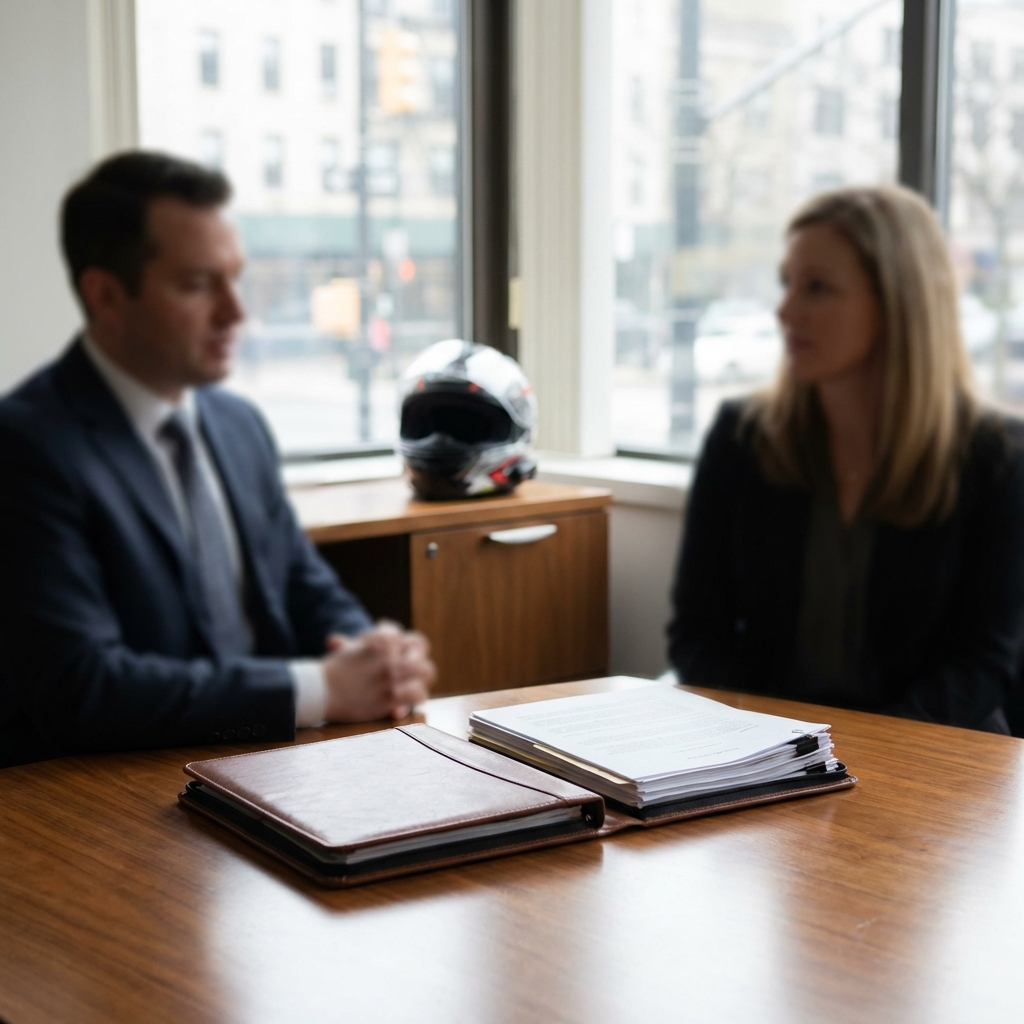
A winning litigation strategy starts on day one by building leverage for both trial and negotiation. The path to maximizing motorcycle accident compensation California riders can recover is rooted in meticulous liability proof and airtight damages documentation that insurers know will resonate with a jury. That credibility is what ultimately helps maximize motorcycle accident settlement values.
We move fast to preserve and expand evidence. That can mean securing helmet-cam or GoPro video, pulling traffic and storefront CCTV, downloading adverse driver EDR data, mapping skid marks, and obtaining 911 audio and dispatch logs. In California motorcycle injury claims, we also analyze lane-splitting dynamics, visibility, and speed with an accident reconstructionist, and evaluate roadway defects—triggering a government claim notice within six months if a public entity is involved. Where DUI or fleeing the scene is present, we preserve criminal case records to support punitive exposure.
Proving full damages requires qualified experts and clear causation. Treating physicians, orthopedic surgeons, and life-care planners quantify future surgeries, therapies, and at-home assistance; a vocational expert and economist model lost earning capacity and fringe benefits. California’s pure comparative negligence applies, so we anticipate defenses tied to visibility or helmet use and counter with compliance evidence and biomechanical analysis; lane-splitting is legal, and juror bias against riders must be addressed directly. There is no general cap on pain and suffering outside medical malpractice, making persuasive non-economic proof essential.
Key litigation levers that pressure insurers to settle for fair value include:
- Serving time-limited policy-limits demands supported by complete records and visuals
- Using a CCP §998 offer to shift post-offer costs and interest risk
- Filing targeted motions in limine to exclude bias-laden or speculative defense theories
- Preparing demonstratives (3D reconstructions, day-in-the-life videos) for mediation and trial
- Conducting voir dire to root out anti-motorcyclist bias
Thorough trial readiness often unlocks better outcomes when negotiating motorcycle accident damages and preserves the path to a verdict if offers fall short. An experienced California personal injury lawyer for motorcycle cases can also pursue underinsured motorist and Med-Pay avenues to close coverage gaps. Weinberger Law Firm’s motorcycle accident legal representation combines aggressive evidence work with seasoned negotiation to position your case for the strongest possible recovery.
Common Challenges in Motorcycle Accident Cases
Motorcycle crashes often trigger disputes that can shrink motorcycle accident compensation California. Riders face bias (“you were speeding because you’re on a bike”), misapplied lane-splitting rules, and police narratives that oversimplify complex dynamics. Severe injuries and memory gaps can also hinder a clear account of what happened.
Liability proof is a frequent battleground. Witnesses vanish, and vantage points are limited, so building the record quickly matters. Useful evidence includes:
- Helmet or handlebar camera footage, nearby business/dashcam video, and 911 audio
- EDR/telemetry from involved vehicles and smartphone location data
- Skid/scuff marks, gouges, and debris patterns for reconstruction
- Repair estimates and photos showing impact geometry
California’s pure comparative negligence can reduce recovery if an insurer blames the rider for partial fault, especially in left-turn collisions, rear-end “brake check” claims, or split-lane impacts. Lane splitting is lawful in California, but adjusters may still mischaracterize it; showing speed, traffic flow, and rider positioning helps counter that. Helmet compliance (Vehicle Code §27803) can become an issue if head injuries are involved; medical experts can clarify whether a helmet would have changed outcomes.
Coverage and valuation challenges are common. At-fault drivers may carry minimal limits, forcing UM/UIM claims or policy-limit tenders. Insurers may discount pain and suffering, point to treatment gaps, or label serious soft-tissue trauma as “minor.” Careful documentation of diagnostic findings, work restrictions, and loss of enjoyment is essential to maximize motorcycle accident settlement during negotiations.
Road hazards introduce added complexity. If a pothole, loose gravel, or inadequate signage contributed, a government claim may be required within six months, long before the two‑year lawsuit deadline. Defective parts, failed tires, or faulty brakes can also pivot California motorcycle injury claims into product liability, demanding expert inspections and preservation of the bike.
Experienced motorcycle accident legal representation connects these threads. In Sacramento and across the state, Weinberger Law Firm secures video and black-box data early, retains reconstructionists, manages medical liens, and pursues all available coverage while negotiating motorcycle accident damages. As a California personal injury lawyer motorcycle riders can rely on, the firm readies every case for litigation to strengthen settlement leverage.
How Attorneys Navigate California Personal Injury Law
Attorneys start by mapping your claim to California’s rules and deadlines. California uses pure comparative negligence, so even if a rider is partly at fault, recovery is reduced by percentage—not erased. Most personal injury claims must be filed within two years of the crash, with only six months to present a government claim if a public entity is involved, and three years for property damage. A firm like Weinberger Law Firm ensures these timelines and fault standards are applied to protect your right to motorcycle accident compensation California victims are entitled to pursue.
Motorcycle collisions raise unique liability questions. Lane splitting is legal in California, so insurers can’t rely on that alone to deny fault; attorneys use CHP guidance and expert opinions to show safe execution. Compliance with California’s helmet law (Vehicle Code 27803) and traffic statutes matters, as violations can trigger negligence per se arguments. Lawyers gather CHP collision reports, onboard video (GoPro/dashcam), vehicle event data, and accident reconstruction to counter bias against riders and establish how the crash actually happened.
Maximizing recovery also means documenting every category of damages and handling insurance intricacies. Economic and non-economic losses (medical bills, lost income, pain and suffering under CACI 3905A) are quantified with medical experts and life-care planners. Attorneys manage UM/UIM and Med-Pay claims, and address liens from health insurers or providers; they also apply Howell v. Hamilton Meats to present recoverable medical costs. They flag pitfalls like Proposition 213, which can bar non-economic damages for uninsured operators, and frame strategies for negotiating motorcycle accident damages even when coverage is limited.
To maximize motorcycle accident settlement value, experienced counsel builds a compelling, evidence-backed demand and litigates when necessary. Common steps include:
- Issuing a time-limited policy-limits demand with medical proof, wage records, and expert reports
- Using biomechanical and human-factors experts to rebut speed or visibility defenses
- Preserving commercial coverage evidence if a delivery, rideshare, or employer vehicle is involved
- Preparing clients for deposition and leveraging CACI jury instructions to anchor liability and damages
- Reducing medical liens post-settlement to increase net recovery
With seasoned motorcycle accident legal representation, these moves align to strengthen California motorcycle injury claims from day one. Based in Sacramento, Weinberger Law Firm applies this California-specific playbook to investigate, negotiate, and, when needed, try your case—working to secure full and fair motorcycle accident compensation California riders need to move forward.
Client Support Throughout the Legal Process
After a crash, you need an advocate who handles the details while you heal. Weinberger Law Firm guides you from first call to final check, managing insurer communications so you’re not pressured into statements that could undercut motorcycle accident compensation California. You’ll get clear explanations of your rights, expected timelines, and what to avoid on social media or with adjusters.

Strong outcomes start with organized proof. The team gathers and preserves police reports, traffic cam footage, 911 audio, helmet and gear damage, and scene measurements to counter biased assumptions about riders in California motorcycle injury claims. They also document medical treatment, prognosis, time off work, and a pain log to show day-to-day impact and future care needs.
Medical bills can overwhelm quickly. Weinberger coordinates treatment access, uses Med-Pay when available, and sets up medical liens so you’re not turned away for lack of upfront payment. At settlement, they negotiate lien reductions to increase your net recovery—an often-overlooked step to maximize motorcycle accident settlement.
Insurers often dispute visibility or speed to shift blame. Your lawyer builds a valuation-backed demand that includes property loss, diminished value, lost earnings, future rehabilitation, and non-economic harms, then handles negotiating motorcycle accident damages with adjusters who know the firm will litigate if needed. When liability is contested, they engage reconstructionists or human factors experts to explain how the crash occurred.
If offers fall short, the firm moves decisively. They protect deadlines (generally two years for injury claims and as little as six months for government entities), file suit, and prepare you for deposition, mediation, and trial—true motorcycle accident legal representation that keeps pressure on carriers.
Throughout, clients receive practical support:
- A single point of contact and regular case updates
- A roadmap of each phase with key milestones
- Checklists for evidence, wage records, and mileage logs
- Prep sessions before statements, IMEs, or mediations
For a California personal injury lawyer motorcycle clients trust to communicate clearly and fight strategically, Weinberger Law Firm offers responsive, local guidance tailored to riders.
Settlement vs. Trial: Making the Right Decision for Your Case
Choosing between settling and going to trial is a strategic decision that directly affects motorcycle accident compensation California riders can recover. A fair settlement offers speed and certainty, but only if it reflects your full losses—medical bills, future treatment, lost income, diminished earning capacity, and pain and suffering. Trials can unlock higher awards when liability is disputed or injuries are severe, but they bring time, cost, and risk.
Settlement often makes sense when liability is clear and evidence is strong. For example, helmet-cam footage and a police report showing a texting driver rear-ended you can pressure the insurer to tender policy limits and trigger underinsured motorist coverage. A lawyer focused on negotiating motorcycle accident damages can also structure payouts to address medical liens and future care, helping maximize motorcycle accident settlement value without court.
Trial becomes more likely when the insurer lowballs or blames the rider. In California motorcycle injury claims, disputes over lane splitting (which is legal) or alleged speed can reduce offers despite strong injuries. If a DUI driver caused catastrophic harm or there’s evidence of egregious conduct, a jury may award significant non-economic damages, and in rare cases punitive damages, though trial timelines and appeals can delay recovery.
Key factors to weigh with counsel:
- Liability clarity and comparative negligence (California is pure comparative negligence, reducing awards by your fault percentage)
- Quality of evidence (video, EDR data, reconstruction, medical experts)
- Insurance policy limits and other recovery sources (employer liability, product defects, road hazards)
- Venue and jury tendencies in your county
- Your financial needs, treatment timeline, and risk tolerance
- Healthcare liens, Medicare/Medicaid interests, and net recovery
- Statutory deadlines (generally two years; shorter when public entities are involved)
An experienced California personal injury lawyer for motorcycle accidents increases leverage by preparing every case as if it will be tried—comprehensive demand packages, expert reports, and, when needed, filing suit to move the case through discovery. Weinberger Law Firm in Sacramento blends proactive negotiation with litigation readiness to protect your rights, present lane-splitting legality effectively, and pursue full, uncapped general damages available in most motor vehicle cases. If you’re weighing settlement versus trial, their motorcycle accident legal representation can help you choose the path that maximizes compensation while aligning with your recovery goals.
Conclusion: Securing Fair Compensation with Professional Legal Guidance
Securing fair recovery after a crash is rarely about a single document or phone call—it’s about aligning evidence, law, and negotiation into a clear case narrative. In practice, maximizing motorcycle accident compensation California depends on early investigation, accurate damages modeling, and readiness to try the case if the insurer discounts your losses. California’s pure comparative negligence, lane-splitting rules, and strict deadlines all shape outcomes, so tailored strategy matters.
An experienced attorney can close critical gaps that reduce offers and delay payment:
- Preserve and analyze evidence (helmet-cam footage, nearby vehicle EDR, traffic signal data, CHP reports, 911 audio, and witness statements).
- Document full damages with treating physician opinions, vocational assessments, and, for severe injuries, a life care plan that projects future medical and attendant-care costs.
- Create a liability narrative grounded in California law (e.g., lawful lane splitting, helmet compliance) to counter fault-shifting and bias against riders.
- Coordinate insurance avenues—bodily injury liability, Med-Pay, and UM/UIM—while negotiating medical liens to increase net recovery.
- Track deadlines (generally two years; six months for government entities) and prepare pleadings, experts, and demonstratives to signal litigation readiness.
Consider a rider sideswiped while lane splitting on I-80. An adjuster may push 40% comparative fault and a low offer. With motorcycle accident legal representation, counsel can pair helmet-cam video with a traffic reconstruction and CHP training bulletins to show safe lane splitting, trim fault to 10%, leverage policy limits, and open an underinsured motorist claim—while negotiating motorcycle accident damages tied to documented wage loss, orthopedic opinions, and pain-and-suffering supported by verdict research.
For California motorcycle injury claims, Weinberger Law Firm in Sacramento brings focused investigation, tough insurer negotiation, and trial-caliber preparation to help maximize motorcycle accident settlement potential. If you’ve been hit, speak with a California personal injury lawyer for motorcycle cases before evidence fades or deadlines run, and move forward with a plan to secure fair, full compensation.
Contact us today for a Free Case Consultation!