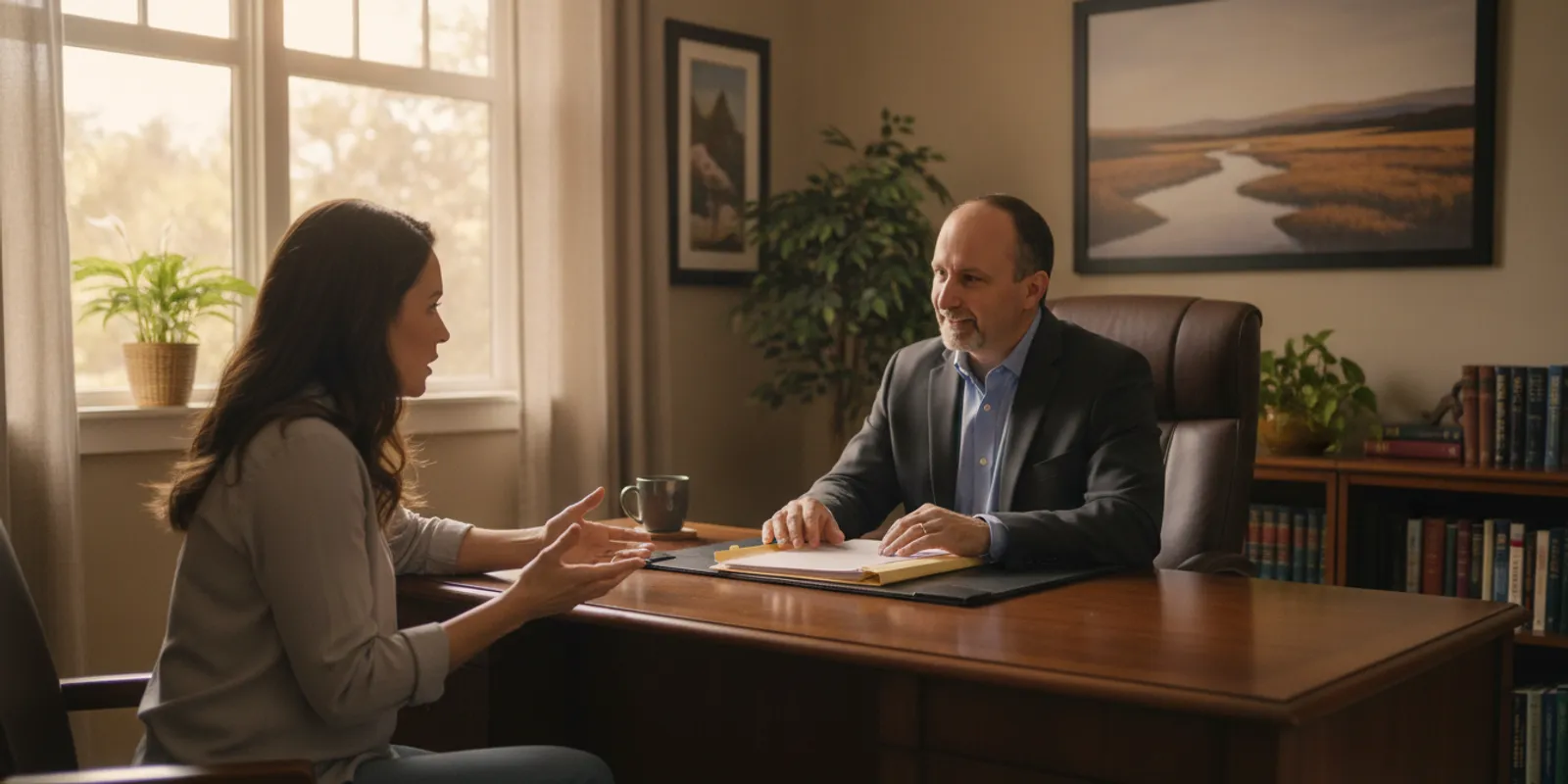
After a serious collision, families may be balancing medical care, missed work, vehicle repairs, and calls from insurers all at once. If you are considering a Sacramento car accident attorney, the first challenge is often not deciding who is right for you; it is knowing what to ask so you can compare support, understand the process, and make a measured choice. A useful consultation should leave you with clearer next steps, not pressure or promises.
Call Weinberger Law Firm at 916-357-6767
What should an initial conversation help you understand?
A first conversation is a chance to describe the collision in broad terms and ask how a lawyer would approach reviewing it. You can ask what information may matter, which uncertainties need investigation, and what decisions are time-sensitive. An attorney should be able to explain the general process in plain language while separating general information from advice based on a complete review of your particular facts.
Ask who would be your point of contact, how often you can expect updates, and how questions are handled if the usual contact is unavailable. Some clients prioritize direct attorney involvement; others care most about a dependable way to reach the case team. Either way, the arrangement should be explained clearly. Find out whether you will receive updates by phone, email, or another method, and what kinds of developments will prompt a call.
A consultation or inquiry does not itself mean that a firm has agreed to represent you. Before relying on a firm to act, confirm that it has accepted the matter and that the scope of representation is in a written agreement. Until that is clear, do not assume that a deadline is being monitored or that an insurer has been contacted on your behalf.
How can you compare attorneys on practical details?
Advertising slogans and large case results rarely answer the questions that affect your day-to-day experience. Instead, make a short list of what matters to you before contacting a firm. You may want help organizing records, a clear explanation of costs, regular communication, or an attorney who will explain the possible next steps. Ask the same core questions when comparing options, then note which answers are direct and understandable.
| Question | What to clarify | Useful follow-up |
|---|---|---|
| Who will handle my matter? | Whether communication will be with the attorney, case staff, or both. | Who should I contact if I have a new document or urgent question? |
| How are fees and costs handled? | The attorney fee, case expenses, and how each is accounted for. | Can I review the written agreement and an example closing statement? |
| What information is useful now? | Which records may help explain the collision, treatment, and losses. | What can I provide later if I do not have it today? |
| What are the next steps? | What the firm would review and what choices may follow. | Which decisions need attention soon, and why? |
| What remains uncertain? | What is known and what still depends on evidence or investigation. | What could change the initial understanding? |
Do not treat a result publicized by any firm as a prediction about your own claim. The facts, injuries, evidence, available insurance, and legal issues vary from one matter to another. Ask what a lawyer would need to learn before discussing possible options, and be cautious if anyone promises a particular outcome before reviewing the details. A careful answer acknowledges uncertainty rather than using it to create pressure.
It is reasonable to ask whether the attorney has handled matters involving a similar type of collision or injury. The point is not to collect impressive labels. You want to hear whether the lawyer can explain the issues clearly, describe what evidence could matter, and discuss the process without guaranteeing a result. Also ask how the firm will keep you informed if the assessment changes as new records arrive.
What should you gather before speaking with a lawyer?
You do not need a complete file or a polished timeline before asking for help. If available, gather the collision date and location, names and contact details for drivers and witnesses, insurance information, photographs, and any report or exchange document you received. Bring what you have, and make a note of what is missing. An attorney can tell you what additional material might be useful after hearing the basic facts.
- Save letters, emails, text messages, and claim reference information from insurers.
- Keep original photographs and note the date and person who took them.
- Record the names of witnesses and preserve their contact details accurately.
- Collect medical visit summaries, bills, receipts, and appointment dates as they become available.
- Note missed work and out-of-pocket expenses, but do not estimate amounts you cannot verify.
- Keep a brief dated timeline distinguishing what you saw from what another person told you.
Preserving originals matters. Avoid editing photographs or deleting messages, and keep copies of documents you send to an insurer or lawyer. If a vehicle or personal item is damaged, photograph it when feasible before repair or disposal. Do not put yourself at risk or delay necessary repairs just to gather evidence. Record where the item was taken and whether photographs or repair records are available.
A simple treatment and expense log can make later conversations more specific. For each entry, note the date, provider or source, and document associated with it. Short notes about work missed or a task that became difficult may help you remember changes over time. Keep the account accurate: do not exaggerate symptoms, and do not dismiss a problem simply because it seems minor on a particular day.
Organization is useful, but it should not postpone medical care or a timely inquiry about legal options. Do not skip an appointment to finish paperwork. If you are unsure what to bring, ask the office before the conversation and share what is already available.
How should you handle insurer requests and documents?
An adjuster may ask questions, request records, or ask for a recorded statement. Before responding, make sure you understand who is asking, what information is requested, and whether there is a deadline. You can ask for a request in writing and take reasonable time to review it. Be truthful, avoid guessing about details you do not remember, and keep a record of what you provided and when.
Questions about fault, injuries, or the course of treatment can be difficult to answer accurately soon after a collision. If you are uncertain, say so instead of filling in a gap with an assumption. Keep your own notes about calls, including the date, the caller’s name, the claim number, and any next step agreed upon. A record helps you avoid confusion when several people or claims are involved.
Read any release or settlement document before signing. The wording may define which claims are resolved, whether future issues are included, and what payment is being made. Ask what the document covers and what happens after you sign. Do not rely on a verbal summary if the written terms say something different; request an explanation of the actual document before deciding.
Keep property-damage discussions separate from questions about bodily injury where possible. A vehicle repair issue may need attention before your medical picture is clear. Ask what a particular payment or release resolves, and do not assume that handling one part of an insurance claim leaves every other issue open. The written language controls, so read it carefully and ask for clarification.
Why can deadlines change the next step?
Deadlines depend on the type of claim, the parties involved, and other facts. Claims involving a public entity can have claim procedures that differ from those for a private party. A general article cannot calculate a date for your situation. Ask a qualified California attorney promptly whether a deadline may apply and what facts could affect it.
Write down the collision date and raise it early in any consultation. Do not assume that ongoing treatment, settlement discussions, or an insurer’s investigation pauses a legal deadline. If a public vehicle, road condition, or agency may be involved, mention that possibility at the outset, since identifying the responsible party may affect what procedure applies. If you are unsure who owns or controls a vehicle or location, say so rather than waiting to confirm it yourself.
When discussing timing, ask what date the firm is using, what source supports that date, and whether anything about your facts could change the calculation. Ask how the firm will confirm that a representation agreement is in place and who is responsible for tracking upcoming requirements. These are practical questions, not a substitute for individualized legal advice. If you are contacting more than one office, keep your own calendar note of the collision date and any written deadlines you receive.
What should a contingency fee agreement explain?
A contingency fee arrangement ties the attorney fee to recovery rather than charging an hourly attorney fee up front. Weinberger Law Firm describes its model as contingency based: clients pay nothing upfront and pay an attorney fee only if the firm recovers compensation. The Weinberger Law Firm is a California personal injury firm, and this fee structure is the one it uses for car accident representation. Ask for the written agreement and review it carefully. It should explain the fee percentage, how case costs are handled, and how deductions are calculated.
Do not compare agreements by percentage alone. Ask whether the percentage changes if a lawsuit is filed, who advances expenses, and whether costs are repaid from a recovery. Clarify what happens to costs if there is no recovery, how any lien or reimbursement issue is addressed, and whether you receive a written accounting. Terms can differ, so the actual document—not a general description—should guide your understanding.
For example, imagine two agreements with the same stated percentage but different treatment of expenses. In one, expenses may be deducted before the fee is calculated; in another, the fee may be calculated first. The order can affect the net amount. Ask the attorney to show, using a hypothetical amount clearly labeled as an example, how the written formula works. This is a question about the contract’s arithmetic, not a prediction of the value or outcome of your claim.
Take time to read each provision and ask what unfamiliar terms mean. Confirm whether you will receive copies of bills or a final accounting, and how you can raise a question about a deduction. A clear explanation before signing helps you understand what you are agreeing to and reduces the chance of surprises when a matter ends.
What questions can help you decide without rushing?
Bring a short list so that the conversation stays focused, even if the circumstances are stressful. You can ask:
- What facts or records would you need to review before discussing next steps?
- Who would be my regular contact, and how can I reach that person?
- How do the written agreement and case-cost terms work?
- What should I preserve, and what should I avoid signing or discarding?
- Are there any time-sensitive issues I should understand now?
- What will happen after this conversation if I decide to proceed?
- How will you explain a change in the assessment if new information comes to light?
Listen for answers that are specific, measured, and open about what remains unknown. It is reasonable to compare options and request time to review paperwork. Be wary of pressure to sign immediately or assurances about a particular result. A consultation is an opportunity to learn about the process; an inquiry, call, or form submission does not by itself mean a firm has accepted your matter or created an attorney-client relationship.
Consider the practical fit as well as legal explanations. Will you be comfortable asking follow-up questions? Do you understand who will communicate with you and how? Can you explain the fee terms back in your own words after the conversation? If not, ask for a simpler explanation before making a decision.
How can you prepare for a useful consultation?
Set aside a few minutes to write a compact timeline: when and where the collision happened, what you remember, what happened immediately afterward, and what treatment or insurance contact has occurred since. Keep it factual and identify uncertain details. If there were passengers, witnesses, or multiple vehicles, list their names or roles without trying to decide who was legally responsible.
Next, sort available records into a few groups: collision information, medical care, work and expenses, and insurer communication. You can use folders or a simple list; a sophisticated system is unnecessary. Put the most time-sensitive letter or request at the top, and note any date shown on it. If a document is missing, write down that it is missing instead of spending hours searching before you call.
During the meeting, take notes on what the attorney says is known, what needs to be checked, and what you should do next. Before ending, repeat back any agreed action and ask who is responsible for it. If the firm needs a document, clarify how to send it securely and whether it needs the original or a copy. Afterward, save your notes and the firm’s contact details together.
The firm has a car accident information page that provides related context about collision claims. For a broader overview of California car accident representation, see the firm’s car accident lawyer resource. These pages offer general information and are not a substitute for advice about your particular circumstances.
What can change how a claim is evaluated?
Families often want to know which details make a difference. The answer depends on the particular collision and the evidence available. A lawyer may need to understand how the impact occurred, what each person observed, whether there are photographs or video, and whether any vehicle or roadway issue needs investigation. Medical records can help document diagnosis and care, while work records may help establish time away or changes in duties. None of these items guarantees a particular result; they provide information that can be assessed alongside the applicable law.
For example, suppose two drivers describe an intersection collision differently. A useful review could compare each account with vehicle damage, scene photographs, witness details, and any available report. If an injury becomes apparent only after the first day, later medical records may help clarify the timeline. The purpose of gathering these materials is to create an accurate picture, not to shape facts to fit a preferred explanation. Keep original records and explain gaps honestly.
Other practical details may also need attention. If more than one vehicle was involved, note each driver’s insurance information and any claim numbers. If the collision involved a vehicle used for work or a public vehicle, say so even if you do not know who owns it. If an insurer has already paid for repairs, retain the estimate, invoice, and payment communication. A careful review can then identify what questions remain rather than treating an incomplete snapshot as the final word.
California’s official courts website provides general information about the state court system and court resources: California Courts. It is a starting point for general information, not a deadline calculator or a substitute for advice about a specific injury claim. For a case-specific assessment of applicable procedures, speak directly with a qualified California attorney.
One final check can make the first meeting more useful: decide what you need from the conversation. You may want to understand what happens next, what documents to preserve, or how the written fee terms work. Put the most important question first in case time is limited. If you feel uncertain after the discussion, ask whether you may follow up after reviewing the agreement. A clear, calm explanation is more useful than being asked to make a decision before you understand the basics.
Call Weinberger Law Firm at 916-357-6767 to request a consultation
Frequently Asked Questions
When should I speak with a Sacramento car accident attorney?
You can ask questions when you need help understanding the process, especially if you were injured, responsibility is disputed, or an insurer asks you to provide information or sign a document. Seek medical care as needed and ask promptly about any deadlines that may apply.
Do I need every record before contacting a lawyer?
No. Share what you have, such as the date and location, photographs, insurance details, and treatment information. Explain what you do not yet have; the attorney can identify which additional records may be useful.
Does an initial consultation mean that the firm represents me?
No. A call, inquiry, or consultation does not automatically mean the firm has agreed to represent you. Confirm acceptance and the scope of representation in writing, and do not assume that a deadline is being handled until that responsibility is clear.
Can an attorney promise a specific result?
No attorney can responsibly guarantee a particular outcome before reviewing the facts, evidence, injuries, available coverage, and legal issues. Each matter is different, and a sound initial discussion should be clear about uncertainty.
A measured conversation can help your family understand its options, organize what is known, and choose a practical next step without feeling rushed.