
Table of Contents
- Why Insurance Companies Undervalue Your Claim
- The Critical Role of Skilled Negotiation in Your Case
- How We Investigate and Build Your Strongest Claim
- Our Proven Negotiation Strategy with Insurance Adjusters
- Timeline and Statute of Limitations You Must Know
- Protecting Evidence While We Negotiate Your Settlement
- When Litigation Becomes Necessary for Fair Compensation
- No Fee Unless We Recover for You
- Your Free Consultation: The First Step Forward
- Frequently Asked Questions (FAQ)
Why Insurance Companies Undervalue Your Claim
If you were injured in an accident caused by someone else’s negligence, you have rights after an accident. Yet many accident victims accept settlements far below what they deserve because they face pressure from insurance adjusters, complex claims processes, and the stress of medical recovery. At Weinberger Law Firm, we work with injured individuals throughout Sacramento and California to negotiate with insurance companies and secure the full and fair compensation you deserve.
Insurance claims are not simple financial exchanges. Adjusters use tactics designed to minimize payouts, and without skilled legal representation, you risk leaving money on the table. We pursue full and fair compensation by investigating all available evidence, negotiating strategically with insurers, and litigating when necessary to protect your rights.
Insurance adjusters are trained to settle claims quickly and cheaply. Their incentive is to reduce the company’s payout, not to maximize yours. Common tactics include offering a lowball settlement before you fully understand your injuries, disputing the extent of your damages, or questioning liability when the facts clearly support your case.
Many people accept the first offer because they are overwhelmed by medical bills and lost wages, or simply unaware that negotiation is possible. An adjuster might say, “This is our final offer,” creating artificial urgency. What they do not mention is that initial offers are typically 30 to 50 percent below the actual value of your claim.
Consider a scenario: you suffer a back injury in a car accident. The at-fault driver’s insurer offers $15,000 after a few weeks. Your medical bills total $8,000, but ongoing physical therapy will cost another $6,000, and you missed three weeks of work. You also experience chronic pain and sleep disruption. The real value of your case, accounting for all damages, may be $35,000 or more. Accepting $15,000 without skilled negotiation means losing $20,000 or more in rightful compensation.
Adjusters also exploit information imbalances. They review your medical records, interview witnesses, and consult damage estimates before proposing a settlement. You, meanwhile, may not know what comparable cases are worth or how to value non-economic damages like pain and suffering. This gap is where skilled legal representation makes the biggest difference.
What to do next: Document all expenses, medical bills, and lost wages from day one. Do not discuss your case or accept any settlement offers before consulting an attorney.
The Critical Role of Skilled Negotiation in Your Case
Negotiation is not about being aggressive or confrontational. It is about presenting a persuasive, evidence-backed case that adjusters cannot dismiss. When we negotiate on your behalf, we shift the balance of information and leverage in your favor.
We arrive at the negotiation table with a thorough damage assessment, liability analysis, and settlement demand grounded in evidence. We cite comparable cases, medical expert opinions, and California personal injury law to justify our position. Adjusters know they cannot simply ignore a well-prepared attorney, especially when litigation risk is clear.
Skilled negotiators also understand the psychology of settlement discussions. We know when to hold firm and when to make strategic concessions. We recognize when an adjuster has room to move and when they genuinely cannot authorize higher payments. This nuanced approach often yields results that self-represented claimants cannot achieve.
Our role extends beyond phone calls and demand letters. We also manage the timeline strategically. Sometimes allowing a little time to pass, gathering additional medical evidence, or highlighting new facts strengthens your position. Rushing to settle usually hurts your case; patience, combined with professional negotiation, usually helps it.
What to do next: Schedule a free consultation with us to learn your claim’s actual settlement value before accepting any offer.
How We Investigate and Build Your Strongest Claim

A strong settlement demand starts with thorough investigation. We gather and analyze all available evidence to build an irrefutable case of liability and damages.
Our investigation process includes:
- Reviewing police reports, accident scene photos, and traffic camera footage
- Collecting witness statements and contact information
- Obtaining medical records and obtaining expert medical opinions on long-term prognosis
- Reviewing employment records to document lost wages and reduced earning capacity
- Inspecting the accident scene if necessary to understand how the incident occurred
- Analyzing the at-fault party’s insurance coverage and policy limits
Traffic camera footage, for example, can be decisive. If a camera captured the other driver running a red light, that evidence removes any dispute about fault. Similarly, medical expert testimony about your ongoing pain and future treatment needs transforms vague claims into concrete, quantifiable damages.
We also preserve any evidence and get medical care recommendations documented in writing. This means securing medical records immediately, photographing injuries as they heal, and ensuring your healthcare provider notes the accident’s impact on your daily life. Evidence deteriorates or disappears if not collected promptly, so timing is critical.
What to do next: Preserve any evidence from your accident—photos, text messages, witness contact information, medical records—and provide it to us during your consultation.
Our Proven Negotiation Strategy with Insurance Adjusters
Our negotiation strategy follows a clear roadmap tailored to your case.
We begin by submitting a detailed demand letter that outlines liability, itemized damages, and settlement demand. This letter serves as our opening position and sets the tone for discussions. It answers the adjuster’s questions before they ask them, leaving minimal room for dispute.
Next, we enter into discussions with the adjuster. Some cases settle after one or two phone calls; others require multiple rounds of negotiation. We remain flexible on the numbers but unwavering on the facts. If the evidence shows the other party was negligent and your damages total $50,000, we will not accept $30,000 just to close the file quickly.
We also leverage litigation risk. Adjusters understand that if negotiation fails, we will file a lawsuit and take the case to trial or mediation. The cost and uncertainty of litigation often motivate settlement. We make this clear without making threats, simply by demonstrating our readiness to litigate and our confidence in your case.
Throughout negotiations, we keep you informed. You will know every offer, every counteroffer, and every development. You remain in control of the decision to settle or proceed to litigation.
What to do next: Let us handle all communications with the insurance company—do not speak directly with adjusters without our guidance.
Timeline and Statute of Limitations You Must Know
Time is limited — act now. California law imposes strict deadlines for filing personal injury lawsuits, and missing these deadlines can permanently bar your claim.
For most personal injury cases, the statute of limitations is two years from the date of your injury. This is the filing deadline—the absolute last date you can file a lawsuit. If your accident occurred on January 15, 2024, you must file by January 15, 2026, or lose the right to pursue damages in court.
This two-year window applies to car accidents, motorcycle crashes, premises liability, and product liability cases. Some exceptions exist (for example, claims against government agencies have shorter deadlines), but two years is the standard rule for private parties.

The statute of limitations does not mean you have two years to negotiate casually. Insurance negotiations often take several months, and litigation can take longer. Filing a lawsuit before settlement talks conclude is sometimes necessary to preserve your rights while continuing to negotiate.
Learn more about California injury deadlines to understand the specific timeline for your case.
What to do next: Contact us immediately to ensure your claim is filed or your rights protected. Do not wait until the statute of limitations is nearly expired.
Protecting Evidence While We Negotiate Your Settlement
Evidence is fragile. Security camera footage is often deleted after 30 days. Witnesses move or forget details. Medical providers purge old records. Your role during negotiation is to preserve what you have.
We advise clients to:
- Take photos and videos of injuries, property damage, and accident scenes
- Keep all medical records, bills, and insurance paperwork in one secure location
- Record witness names, phone numbers, and accounts of the accident
- Save text messages, emails, or other communications related to the incident
- Request preservation letters from the at-fault party’s insurance company to ensure they retain accident scene footage and other evidence
We also work proactively. As your attorneys, we can issue preservation demands to ensure the other party retains critical evidence. If evidence is lost or destroyed after we notify them to preserve it, that destruction can strengthen your case in court.
During settlement negotiations, we also advise you to avoid social media posts about your injury, the accident, or your daily activities. Adjusters monitor social profiles and may use posts to argue your injuries are less severe than you claim. A photo of you at a friend’s birthday party, even if the pain was temporary, can undermine your credibility.
What to do next: Gather all evidence today and store it safely. Share copies with us so we can protect it formally.
When Litigation Becomes Necessary for Fair Compensation
Not every case settles during negotiation. If an adjuster refuses to budge or their final offer falls far short of your claim’s value, we are prepared to litigate.
Filing a lawsuit transforms the case significantly. The at-fault party must now hire a defense attorney, and both sides enter discovery—a formal process where we exchange evidence and testimony. Depositions, document requests, and expert reports require the defendant to invest time and money. This cost often motivates settlement because litigation is expensive and unpredictable for everyone.
Our litigation readiness is not a bluff. We thoroughly case evaluation and are confident in taking your case to trial if necessary. We file motions, conduct depositions, retain expert witnesses, and prepare your case for a jury verdict or settlement at any stage of litigation.
Many cases settle after a lawsuit is filed because both sides now see the case more clearly. Depositions reveal weaknesses in the defendant’s story. Expert reports quantify damages more precisely. The prospect of a jury deciding your case focuses everyone’s attention on settlement.
What to do next: Know that if negotiation stalls, we have the experience and resources to take your case all the way to court.
No Fee Unless We Recover for You
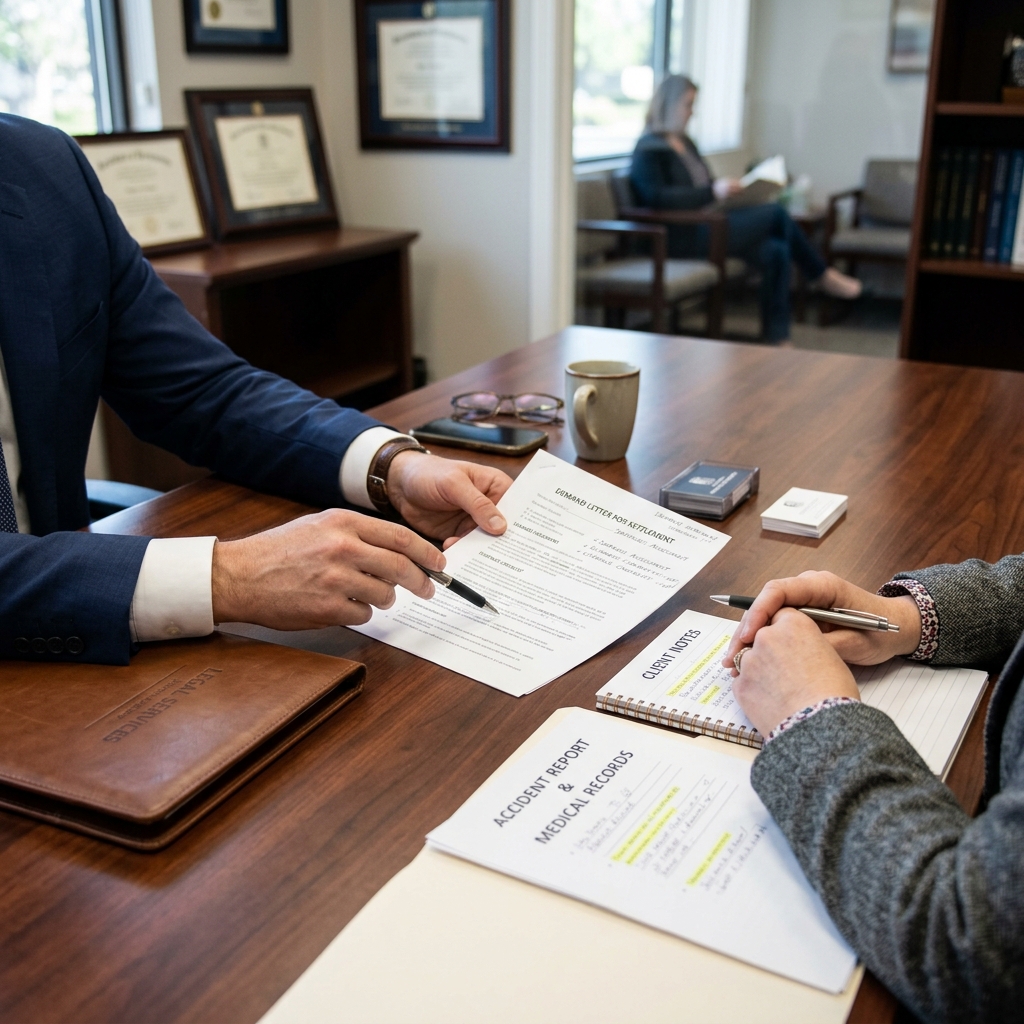
We work on a contingency fee basis, meaning you pay no fee unless we recover for you. We advance all costs—filing fees, expert witness fees, investigation expenses—and recoup them only if we win your case or secure a settlement.
This arrangement aligns our incentives with yours. We succeed only when you succeed. We will not take a case we do not believe in, and we will fight hard to maximize your recovery because our payment depends on it.
At the start of your representation, we outline our fee structure clearly. Typically, we receive a percentage of your settlement or jury award, negotiated upfront and documented in a clear fee agreement. You will know exactly what you owe and what you keep before we proceed.
Many injured individuals worry they cannot afford an attorney. Our contingency model removes that barrier. You focus on healing while we pursue your claim at no upfront cost.
What to do next: Ask us to explain our fee structure during your free consultation. You will have complete clarity before committing to representation.
Your Free Consultation: The First Step Forward
Contact us for a free consultation to understand your rights and the value of your claim. During this conversation, we will review the details of your accident, assess liability, estimate damages, and explain how we can help.
This consultation is risk-free and confidential. We will be honest about your case’s strengths and weaknesses, the likely timeline, and what you can expect to recover. If we believe your case is strong and we can help you, we will discuss representation options. If we do not think we are the right fit, we will say so.
Reach out today to Navigating your personal injury claim with Weinberger Law Firm. Time is limited — act now. Your injuries and damages deserve aggressive, knowledgeable legal representation, and we are ready to fight for your rights.
Contact us today for a Free Case Consultation!
Frequently Asked Questions (FAQ)
Why do insurance companies often offer less than my claim is worth?
Insurance companies use calculated tactics to minimize payouts and protect their profits. We’ve seen adjusters undervalue injuries, ignore future medical needs, and pressure victims into quick settlements. That’s why we investigate thoroughly, document all damages including medical bills and lost wages, and negotiate aggressively to secure the full compensation you deserve.
What happens if the insurance company won’t negotiate fairly?
When an insurer refuses reasonable settlement offers, we’re prepared to file a lawsuit and take your case to court. We handle litigation readiness as part of our process, and we won’t back down from pursuing full and fair compensation through trial if necessary. You have rights after an accident, and we will fight to protect them.
How much will it cost to hire you to negotiate with the insurance company?
We work on contingency, meaning no fee unless we recover for you. You won’t pay attorney fees upfront or out of pocket for our negotiation and litigation services. We only get paid when we secure compensation for your case, so our interests are aligned with yours from day one.